
In our previous discussion, we explored the structural integrity of gantry cranes in “Is Your Gantry Crane Cracking Under Pressure?” Here’s How to Stop It Before It Stops Your Worksite, focusing on how to prevent mechanical failures before they escalate. Today, we shift our focus from the steel structure to the drum—specifically, the critical task of setting up limit switches, encoders, and overspeed switches. These components are the safeguards that prevent over-hoisting, uncontrolled descent, and catastrophic operational failures. For many equipment owners and maintenance teams, the challenge lies not just in installing these devices, but in configuring a system that is both reliable and accurate in demanding industrial environments.
The Conventional Approach: Mixing Old and New Technologies
Typically, the drum shaft is equipped with a cam-type hoist limit switch (which uses a worm gear mechanism to drive several cam groups) alongside an encoder (either incremental or absolute). This setup is intended to provide both travel range signals—such as maximum/minimum limits for emergency stops and deceleration signals when approaching those limits—as well as speed monitoring. In practice, however, this combination often falls short. The cam limit switch is purely mechanical, prone to wear over time, and offers no speed feedback. Meanwhile, adding components like a separate overspeed switch often forces engineers into complex configurations. As seen in one field case, a customer’s demand for an independent overspeed switch required inserting a single-input, dual-output reducer between the hoist limiter and the shaft just to accommodate the extra device.
The Problem with Adding Standalone Overspeed Switches
When engineers attempt to integrate a standalone overspeed switch using the traditional method, they typically mount magnets on a rotating disc and install a reed switch or Hall sensor on a bracket. This setup counts the number of magnetic pulses per revolution to calculate rotational speed. The accuracy of this approach is inherently limited by the number of magnets that can be physically placed around the disc—a figure far lower than the optical gratings found in a standard encoder. Furthermore, this is an open-loop installation. The disc is exposed, and in environments with ferrous dust or debris—common in steel mills, ports, and heavy fabrication shops—magnetic particles can accumulate on the sensor and disc. This contamination leads to signal drift, false readings, and premature failure. Such an arrangement is far from ideal for closed-loop control systems that demand consistent, real-time data.
Why a Single Absolute Encoder Outperforms Multiple Discrete Devices
In reality, a single absolute encoder can deliver all the necessary signals: overspeed detection, deceleration points, and emergency limits. The reason many avoid consolidating these functions is an overreliance on legacy mechanical backups. However, relying on a fragmented system—where a mechanical cam limiter, an encoder, and an external overspeed switch all operate independently—introduces multiple points of failure without proportional safety benefits.
At Wuxi ChuncoTech, we focus on providing robust, ready-to-implement solutions that resolve these integration headaches. Our approach eliminates the need for custom-fabricated reducers, exposed magnetic sensors, and complex wiring between mismatched components. We offer a streamlined configuration where a single high-resolution absolute encoder serves as the central hub for hoist travel range control, overspeed detection, and position feedback. This not only reduces component count but also improves system reliability in harsh industrial settings.
Built for the Real-World Demands of Heavy Industry
We understand that not every application requires a custom-engineered solution. Our role is to deliver proven products that integrate seamlessly with existing crane systems. The encoders we supply are sealed against dust, moisture, and magnetic contamination—unlike the open disc-and-magnet arrangements that are common in makeshift overspeed installations. This design ensures that dust-proof hoist limit switch assemblies and closed-loop encoder feedback systems maintain their accuracy in ports, steel mills, and heavy fabrication plants where particulate matter is unavoidable.
Simplified Installation and Maintenance
For maintenance teams, the value lies in standardization. Instead of troubleshooting three separate devices—a cam limiter, an encoder, and a jury-rigged overspeed switch—with our solution you have a single point of integration. This simplifies hoist limit switch calibration, overspeed switch testing, and crane encoder troubleshooting. The result is less downtime and fewer callbacks for recalibration.
Your Partner in Streamlined Crane Safety
Choosing Wuxi ChuncoTech means opting for a supplier that understands the balance between safety requirements and practical installation constraints. We don’t complicate your system with multiple add-on components that fight for space on the drum shaft. Instead, we provide the components you need—absolute encoders, dust-proof limit switches, and integrated overspeed detection—to meet safety standards without redundant complexity.
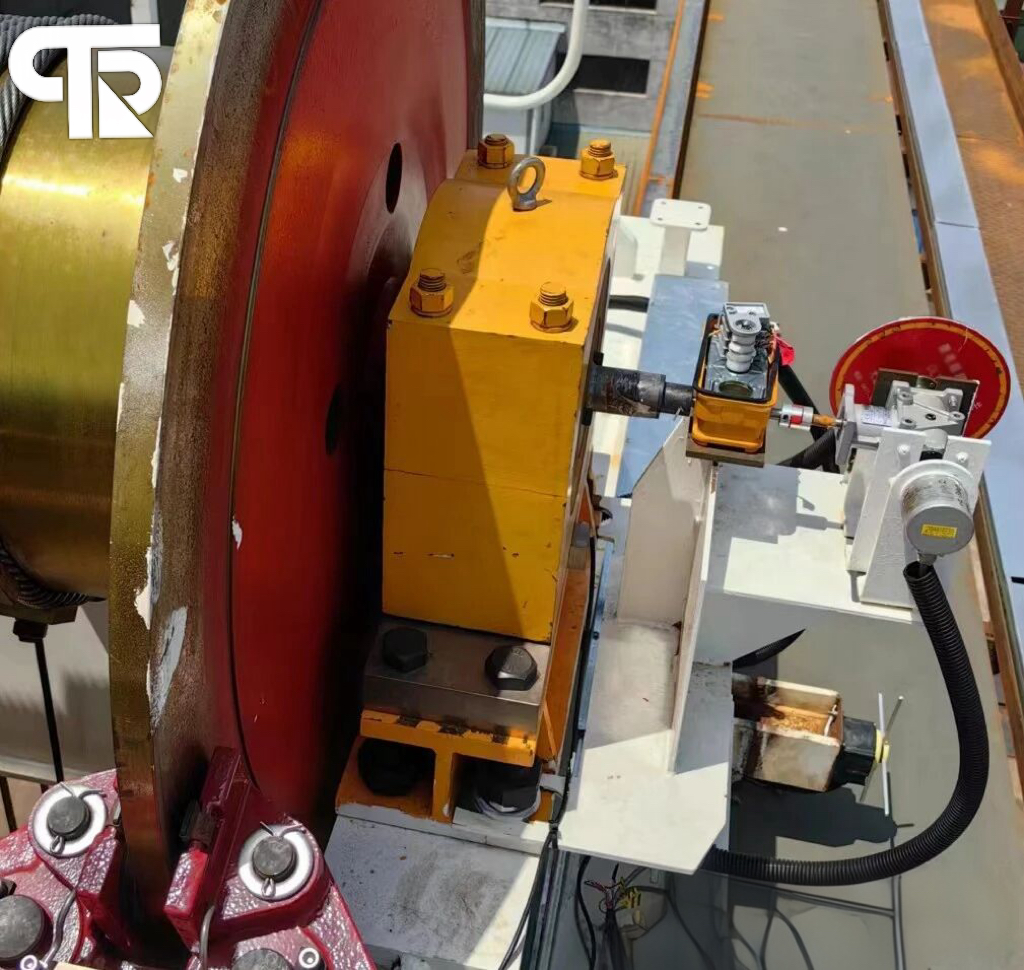
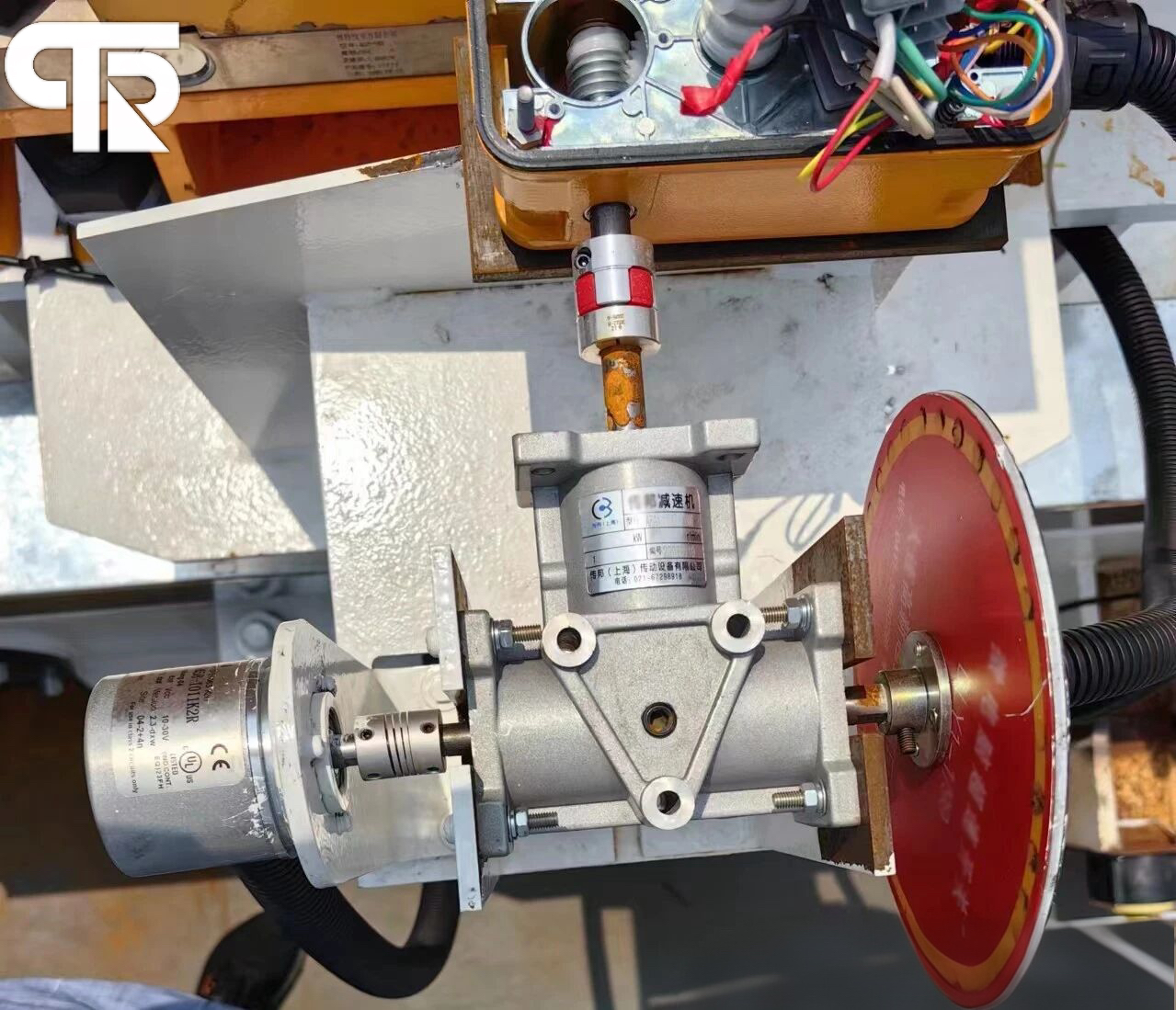
If your current drum configuration relies on exposed magnetic sensors or multiple independent devices that increase your maintenance workload, it may be time to consider a more integrated approach. By consolidating drum limit switch integration and redundant overspeed protection into a single, sealed unit, you not only simplify your control architecture but also enhance the overall reliability of your lifting equipment.
For more information on our products and how they can be applied to your specific crane models, visit our website at https://www.chuncotech.com. Let us help you move from fragmented component assembly to a cohesive, dependable safety system.