Specialized operation vessels for port terminals
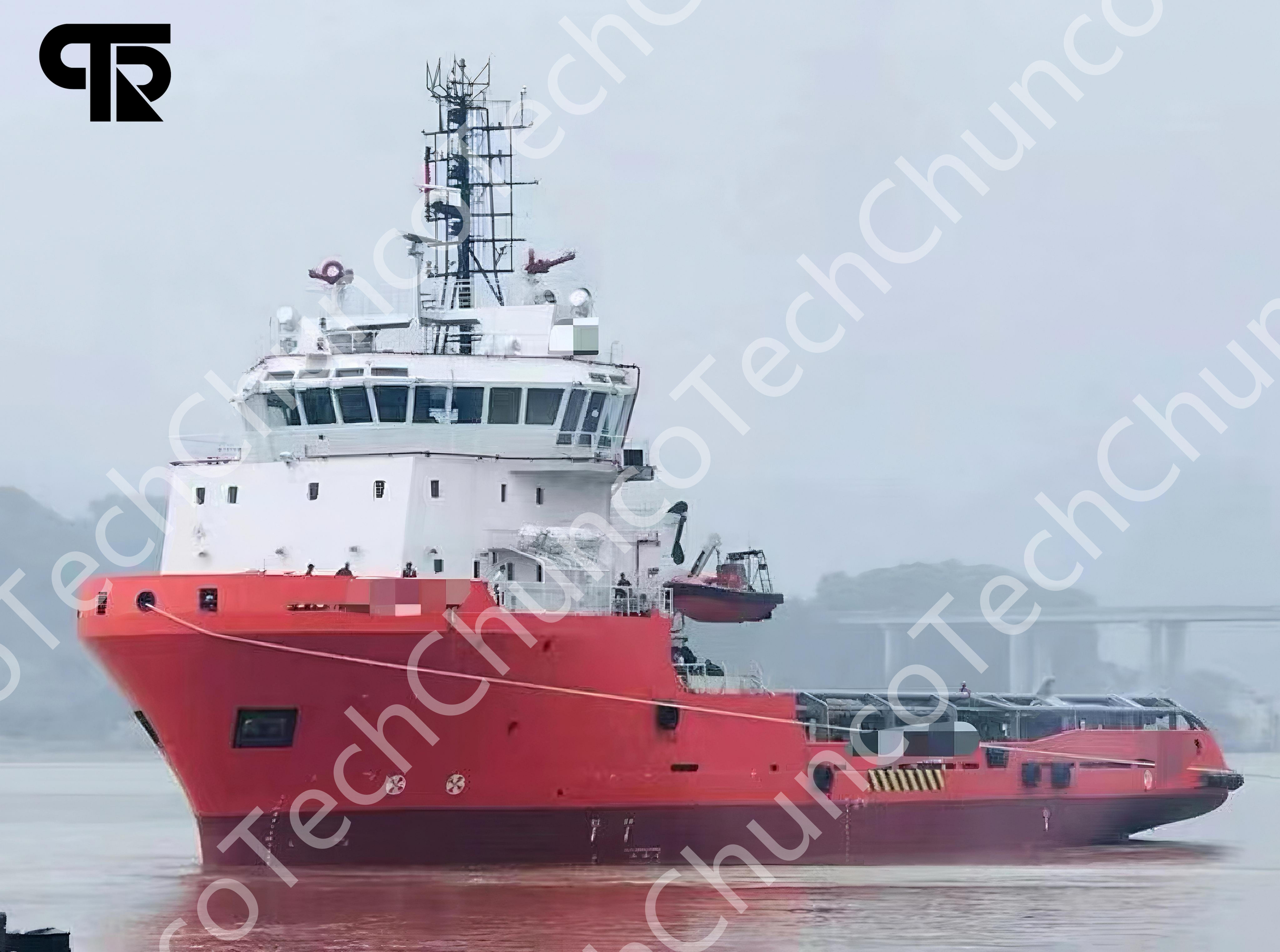
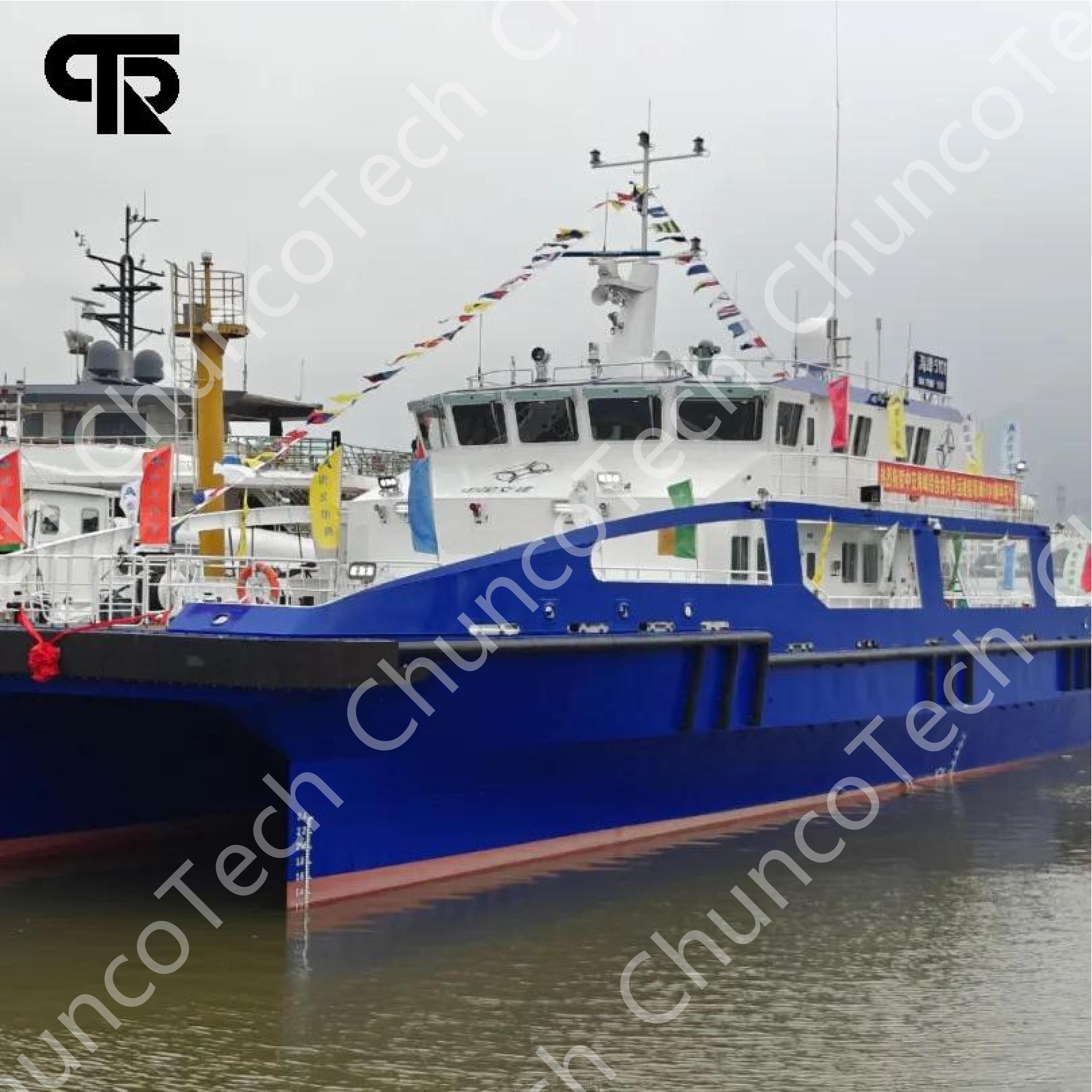
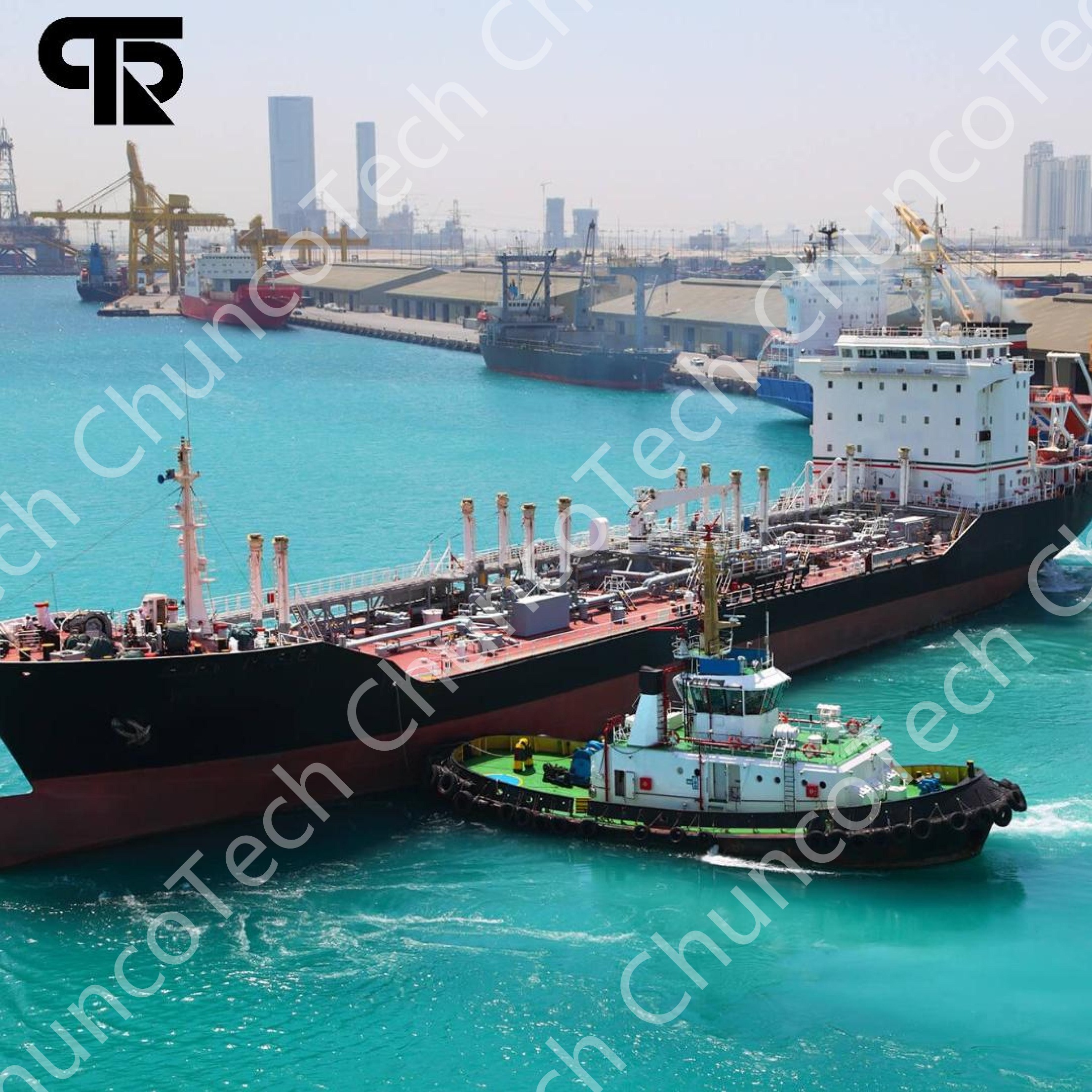
Focus on port and nearshore area operations, with an emphasis on waterway maintenance, cargo transshipment, etc. It includes LCT (32m steel small oil tanker, nearshore fuel transportation), TSHD (trailing suction dredger, responsible for channel dredging and wharf expansion), and ASD (all-rotating tugboat, assisting in vessel berthing and unberthing as well as port dispatching).
I.Product Features
●Compact and Efficient Hull Form: Designed for confined waters like harbors, rivers, and coastal areas, featuring shallow draft, high maneuverability, and a small turning radius for safe operation in crowded terminals and narrow channels.
●Mission-Oriented Configuration: Customized for specific terminal cargo types (e.g., containers, bulk, liquid, project cargo). Core equipment (towing systems, lifting capacity, deck layout, mooring arrangements) is optimized for high-frequency, fast-paced port operations.
●Integrated Multi-Function Modules: Capable of integrating various auxiliary functions such as firefighting, cleaning, oil spill recovery, crew transfer, and line handling, achieving "multi-role capability in one vessel."
2. High Performance & Reliability
●Superior Maneuverability: Typically equipped with omnidirectional thrusters (Z-drives, VSP, bow thrusters), high-power engines, and advanced control systems, offering exceptional turning-in-place, sideways movement, and low-speed control.
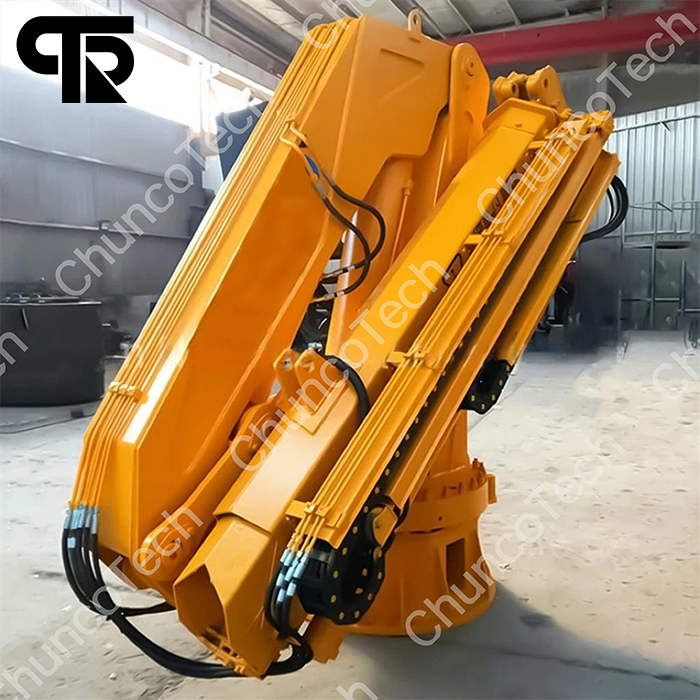
●Powerful Operational Capacity: Delivers robust performance for core tasks: high bollard pull for harbor tugs, precise and stable cranes for ship-to-ship transfer, large-capacity skimmer tanks for port cleaning.
●All-Weather & High Endurance: Designed for high-intensity, frequent operations with robust structure and easy maintenance, ensuring high availability and operational continuity.
3. Intelligence & Low Emissions
●Intelligent Operation Systems: Feature integrated control systems, dynamic positioning (DP), auto-berthing assistance, and operational data logging/monitoring to enhance precision and safety.
●Green Power Options: Increasingly utilize low-emission engines, hybrid propulsion, battery packs, or clean fuels (LNG/methanol) to comply with stringent port environmental regulations.
●Remote Information Management: Supports digital fleet management and operation scheduling, enabling efficiency analysis and predictive maintenance.
4. Personnel & Operational Safety
●Panoramic Wheelhouse: Provides unobstructed visibility for complex maneuvers.
●Ergonomic & Low-Noise Design: Improves crew working environment and reduces fatigue.
●Comprehensive Safety Features: Include enhanced fendering, emergency firefighting, man-overboard recovery systems, and other facilities to address port-area operational risks.
II.Product Advantages
Reduce Port Turnaround Time: Efficient assistance in berthing, unberthing, and shifting of large commercial vessels directly reduces their idle time at berths and anchorages, accelerating port throughput.
Optimize Terminal Resource Utilization: Specialized operations improve efficiency at the quayside (e.g., transfer, loading/unloading support), freeing up berth capacity.
Increase Port Accessibility: Enable safe maneuverability of large vessels in restricted waters, allowing ports to accommodate larger ships.
Lower Overall Logistics Cost: Saves valuable ship time costs for shipowners and cargo owners by improving port efficiency.
High Asset Utilization: The "multi-role" capability reduces the need for multiple single-function vessels, optimizing fleet composition and maximizing the value of each asset.
Low Operational & Maintenance Cost: Durable design for port conditions and convenient access to shore-based support keep maintenance costs manageable.
3. Ensure Highest Standards of Safety & Environmental Compliance
Prevent Port Accidents: Professional vessels and crews significantly reduce the risk of collisions, groundings, or cargo damage during ship maneuvering, berthing, and cargo handling.
Proactive Emergency Response: Serve as on-station firefighting, pollution control, and rescue assets, providing immediate response to minimize incident impact.
Meet Stringent Environmental Mandates: Green propulsion solutions help port operators and their clients meet increasingly strict Emission Control Area (ECA) regulations and carbon neutrality goals, avoiding fines and enhancing the port's green image.
4. Offer Flexible Solutions & Future Adaptability
Customized to Specific Needs: Can be tailored to the port's future development and changing cargo mix, providing the optimal solution.
Technology Upgrade Path: Designed with interfaces for future and electrification upgrades, protecting long-term investment value.
Support Port Digitalization: Act as mobile nodes in the port's IoT network, providing critical data to support smart port dispatch and management systems.
III. Application
●Intra-Port Bunker Delivery: Provides nearshore bunkering services to cargo ships, passenger vessels, workboats, and port service vessels at berths or anchorages, enabling on-the-spot fuel supply at the quayside and reducing wait times for bunkering.
●Energy Distribution for Port Facilities: Transports diesel to power generators, machinery, and remote operational sites within the port area, ensuring uninterrupted energy supply for port operations.
●Support for Floating Fuel Station Networks: Acts as a mobile floating fuel station, offering flexible marine fuel distribution solutions between fixed points or for specific areas.
●Emergency Fuel Transfer & Recovery: Executes small-scale offshore oil spill response recovery or safe fuel transfer operations in cases of leakage or emergency fuel relocation needs.
2.TSHD
(Trailing Suction Hopper Dredger, Channel Maintenance Dredging Vessel)
●Waterway Dredging & Maintenance: Performs routine maintenance dredging of port access channels, removing accumulated sediment through trailing suction operations to maintain designed depth and navigational safety.
●Berth & Turning Basin Deepening: Conducts capital dredging for container terminal berth approaches and ship turning basins to accommodate large deep-draft vessels.
●Port Expansion & Land Reclamation: In port expansion projects, excavates new berths and channels, and pumps dredged material ashore via pipelines for land reclamation, serving as a core vessel for reclamation work.
●Environmental Dredging & Contaminant Handling: Performs precision environmental dredging of contaminated sediments, safely removing and transporting polluted materials to designated sites for port area ecological dredging projects.
●Subsea Trenching: Provides seabed trenching services for the installation of subsea infrastructure (e.g., water pipelines, cables).
3.ASD (Azimuth Stern Drive Tug, Harbor Ship Assist and Berthing Tug)
●Ship Berthing/Unberthing Assistance: Serves as the primary harbor tug for berthing operations, providing comprehensive pushing, towing, and sideways thrust to ensure safe and efficient docking/undocking of container ships, bulk carriers, and tankers.
●Intra-Port Ship Shifting & Dispatch: Executes intra-port ship shifting and dispatching duties, such as moving vessels between berths or assisting in repositioning within anchorages or basins.
●Escort & Maneuvering in Confined Waters: Provides escort towing assistance in restricted channels and congested port areas for vessels with limited maneuverability to prevent drift and collision.
●Harbor Towing of Disabled Vessels: Performs safe emergency harbor towing of vessels that have lost propulsion to a secure area or repair facility.
●Port Operational Support & Emergency Response: Engages in emergency roles like port firefighting support, small-scale oil spill containment and recovery, and can also function as a port utility craft or work platform support vessel.
IV.FAQ
A1: The fundamental difference lies in their core function and design purpose. They are tools for entirely different specialties and are not interchangeable.
●TSHD: It is a "Transformer." Its core function is the excavation and conveyance of underwater earth materials. It is a construction vessel with a draghead, dredge pumps, hoppers, and discharge systems, used to alter underwater topography, such as deepening channels or creating land.
●ASD: It is a "Maneuverer." Its core function is to provide thrust and pull to control the movement and positioning of other vessels. It is a powerful, highly maneuverable tugboat whose essence is engine power and propulsion (azimuth thrusters), focused on delivering force and control.
Q2:For a newly built container terminal, which vessel type is typically prioritized for procurement? Why?
A2: ASD (Azimuth Stern Drive Tugboats) are usually the top priority.
●High-Frequency Application: Ship berthing/unberthing is one of the highest-frequency core operations in a port, making ASD tugs indispensable key equipment.
●Follow-on Needs: Depending on whether the terminal has its own bunkering facility, an LCT might be considered later to provide fuel to workboats or client vessels. A TSHD is typically used for capital dredging during the construction phase or for maintenance dredging years later if the channel silts up. It is usually mobilized by the port authority or a specialized contractor, not a standard asset owned by the terminal operator.
Q3: What does "Azimuth" mean in ASD tugboats? What are its advantages over traditional tugs?
A3: "Azimuth" refers to its propulsion units—Z-drives or azimuthing pods—which can rotate 360 degrees horizontally.
●ASD Tugs:
Omnidirectional Thrust Control: The pilot can directly control the magnitude and direction of thrust via a joystick, independent of vessel speed or rudder effect.
Spot Turning & Sideways Movement: Capable of turning 360 degrees on the spot and moving directly sideways, allowing for precise positioning in extremely confined spaces.
Enhanced Safety: Can apply thrust in the required direction more quickly and precisely when assisting large ships, especially in emergencies (e.g., preventing a ship from drifting into the wharf), with a reaction speed far superior to traditional tugs.
Certificate