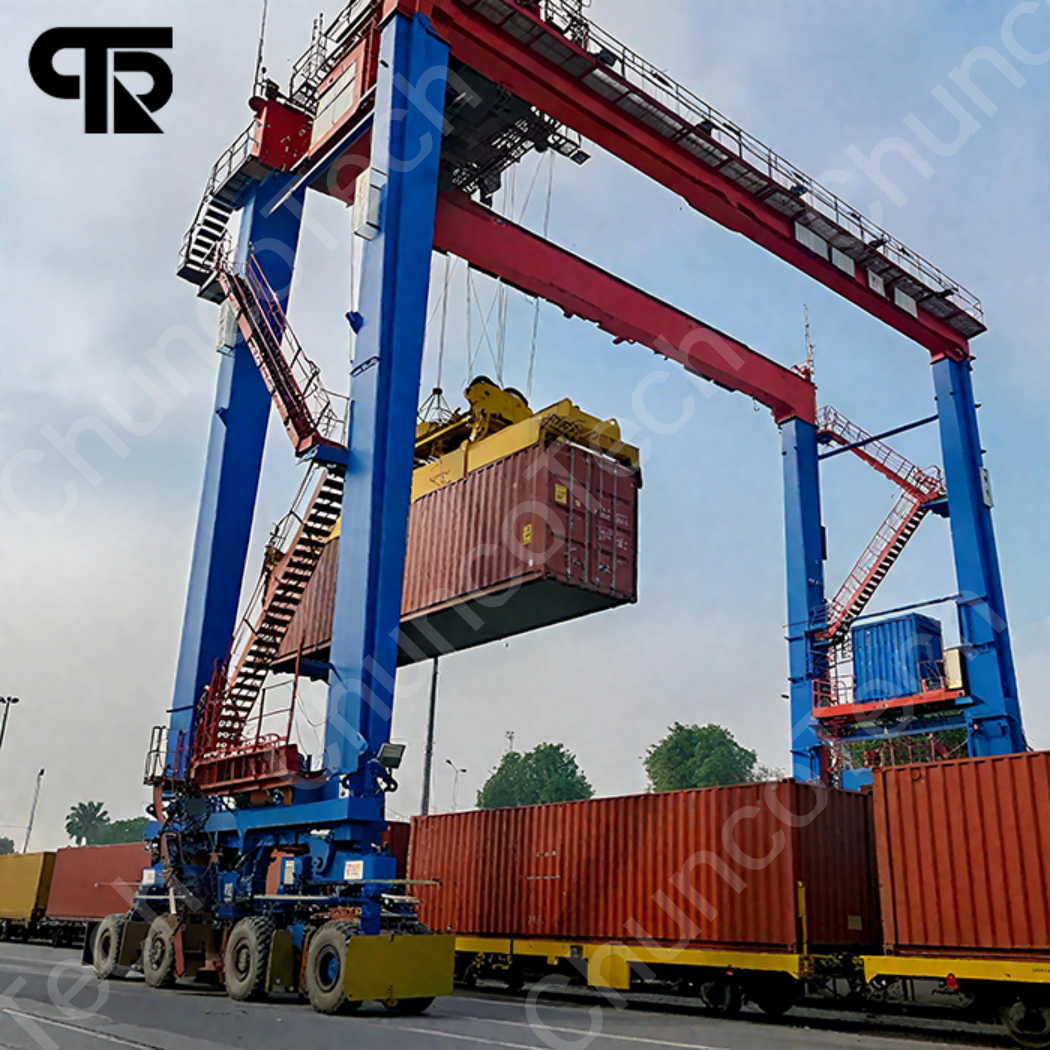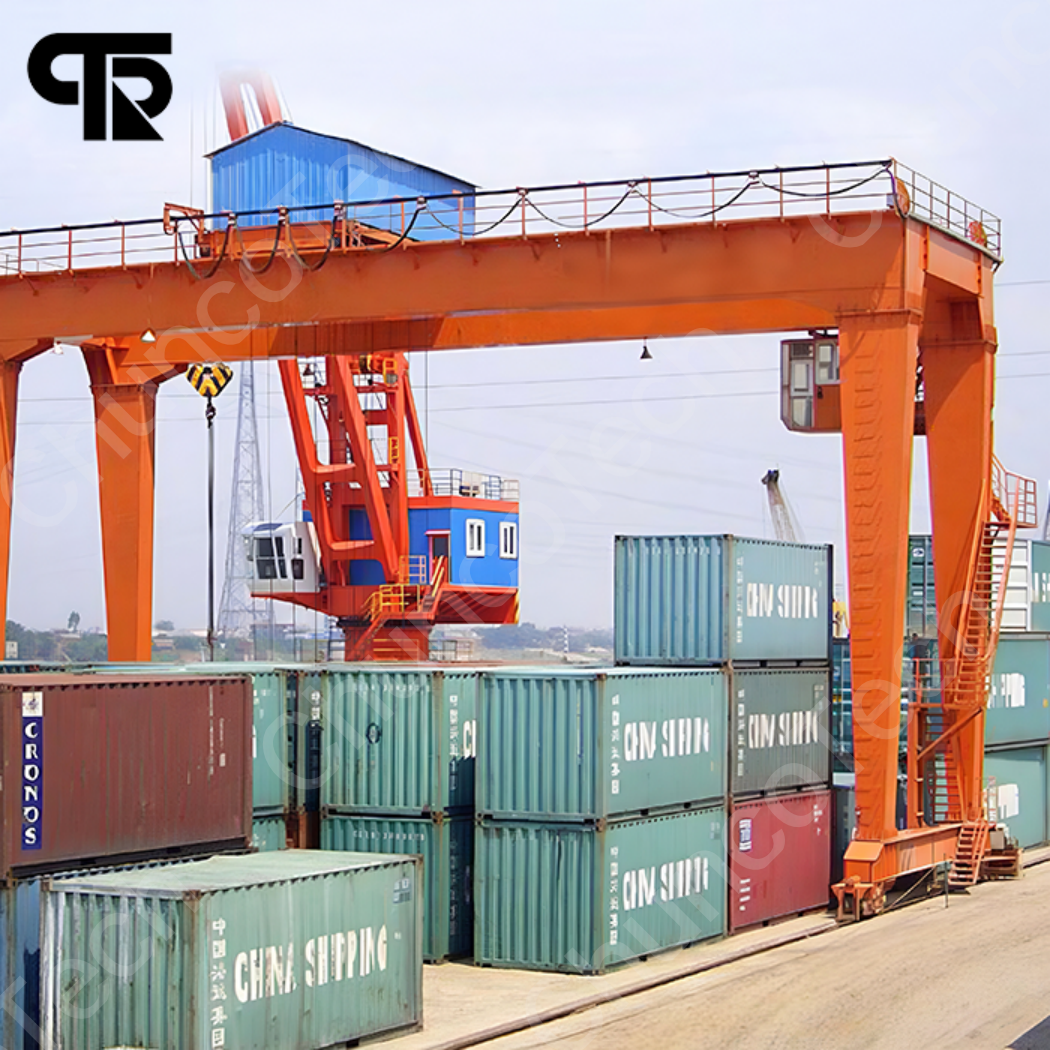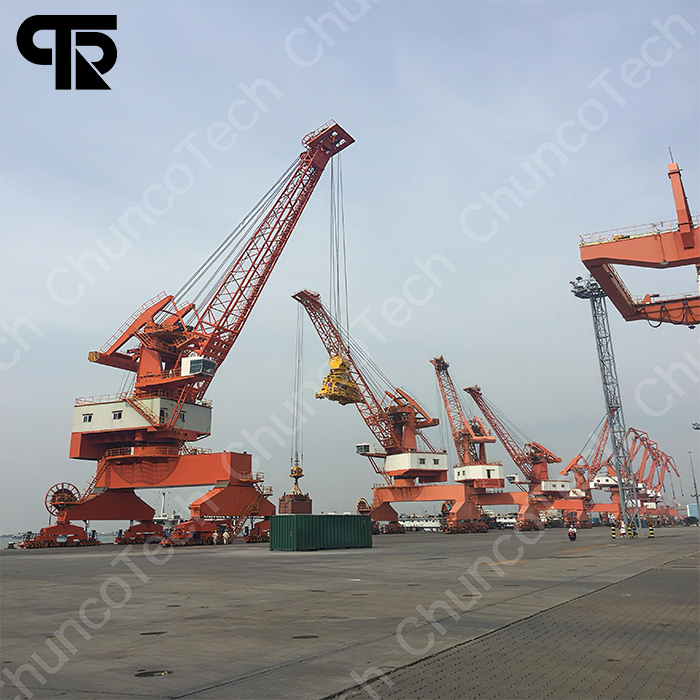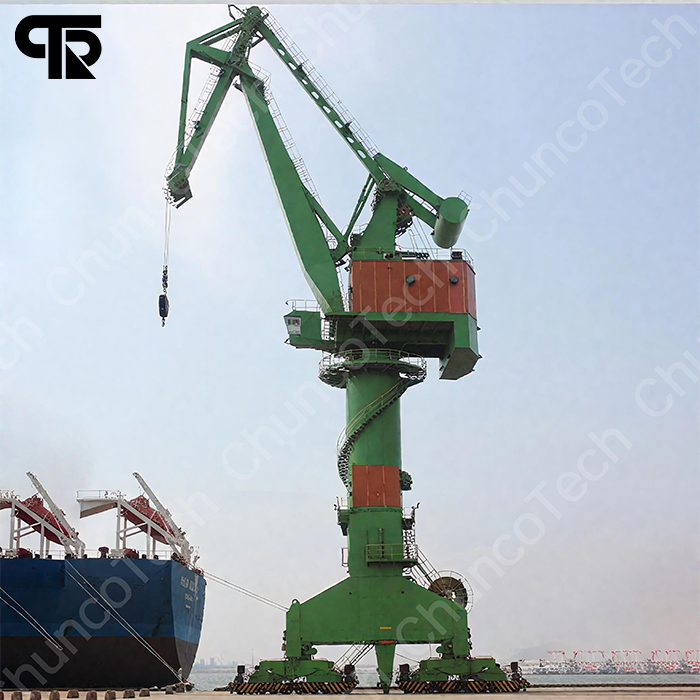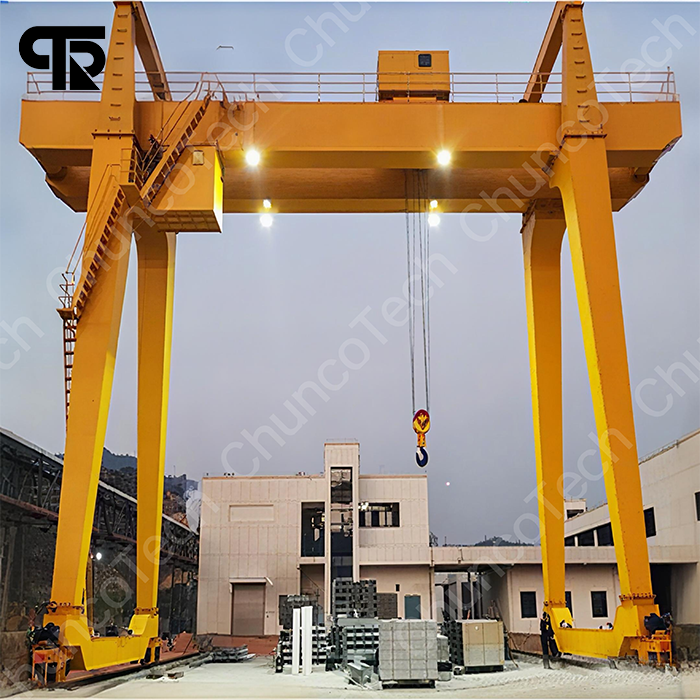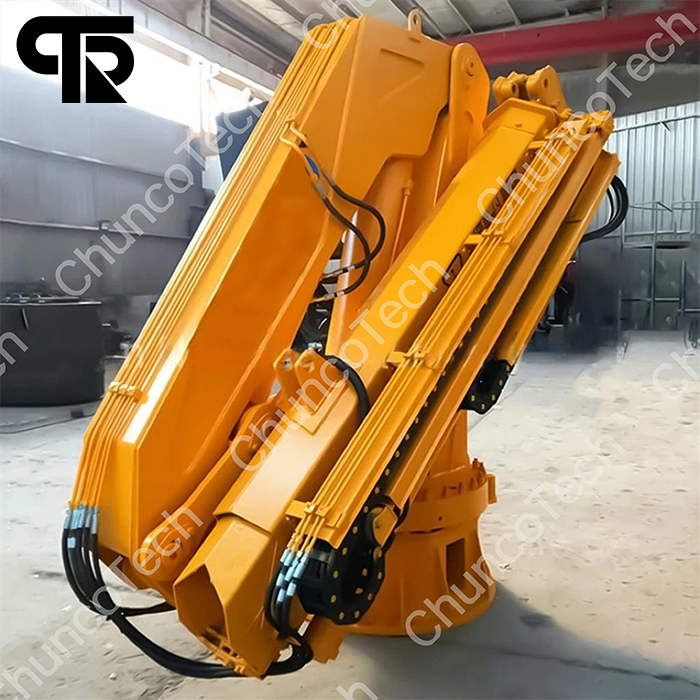
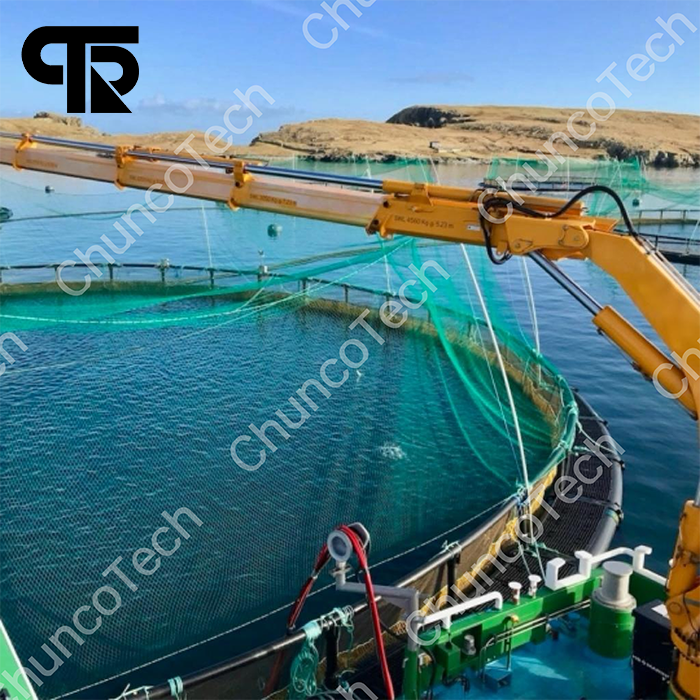
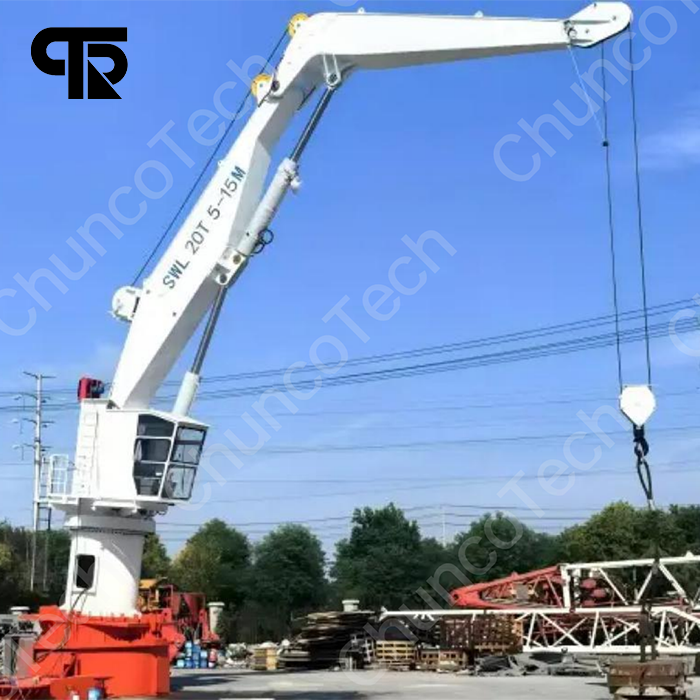
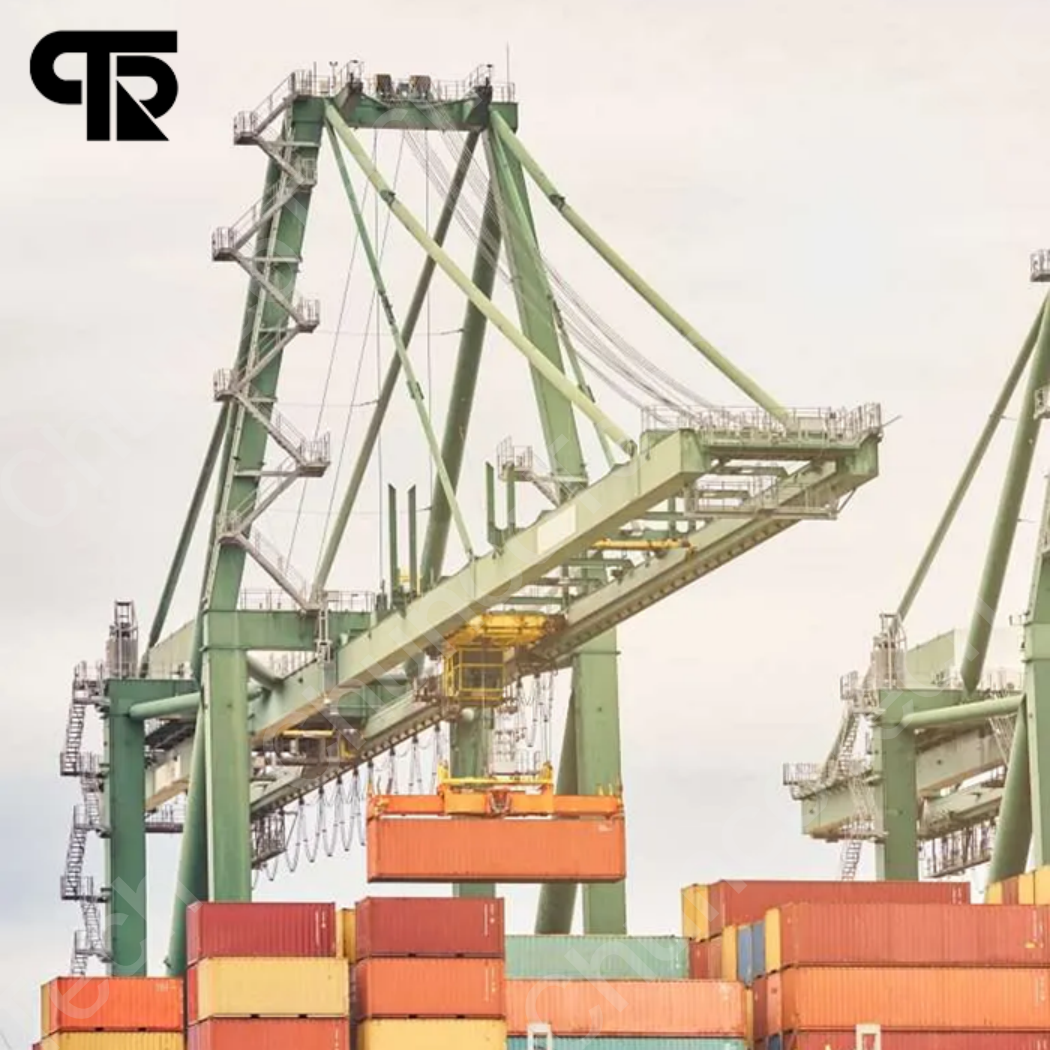
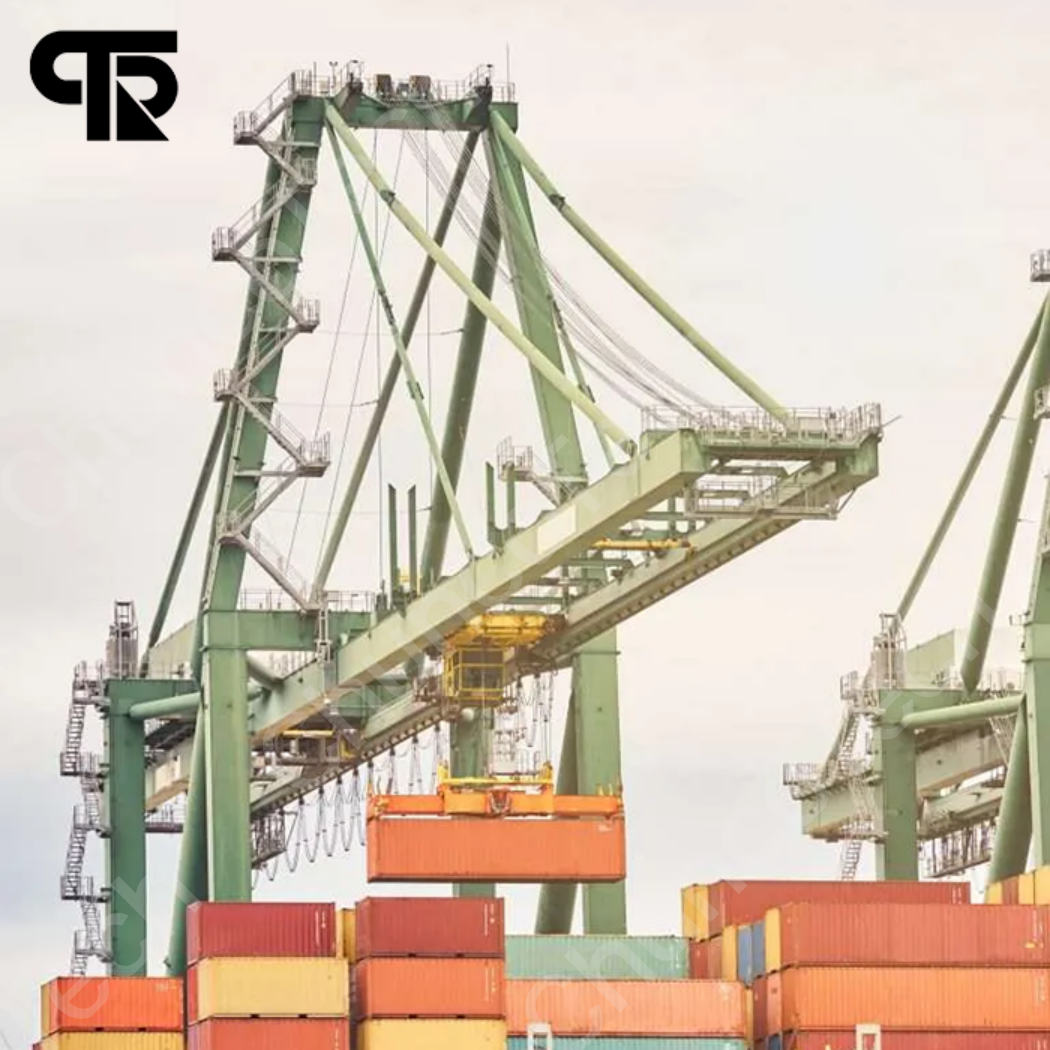
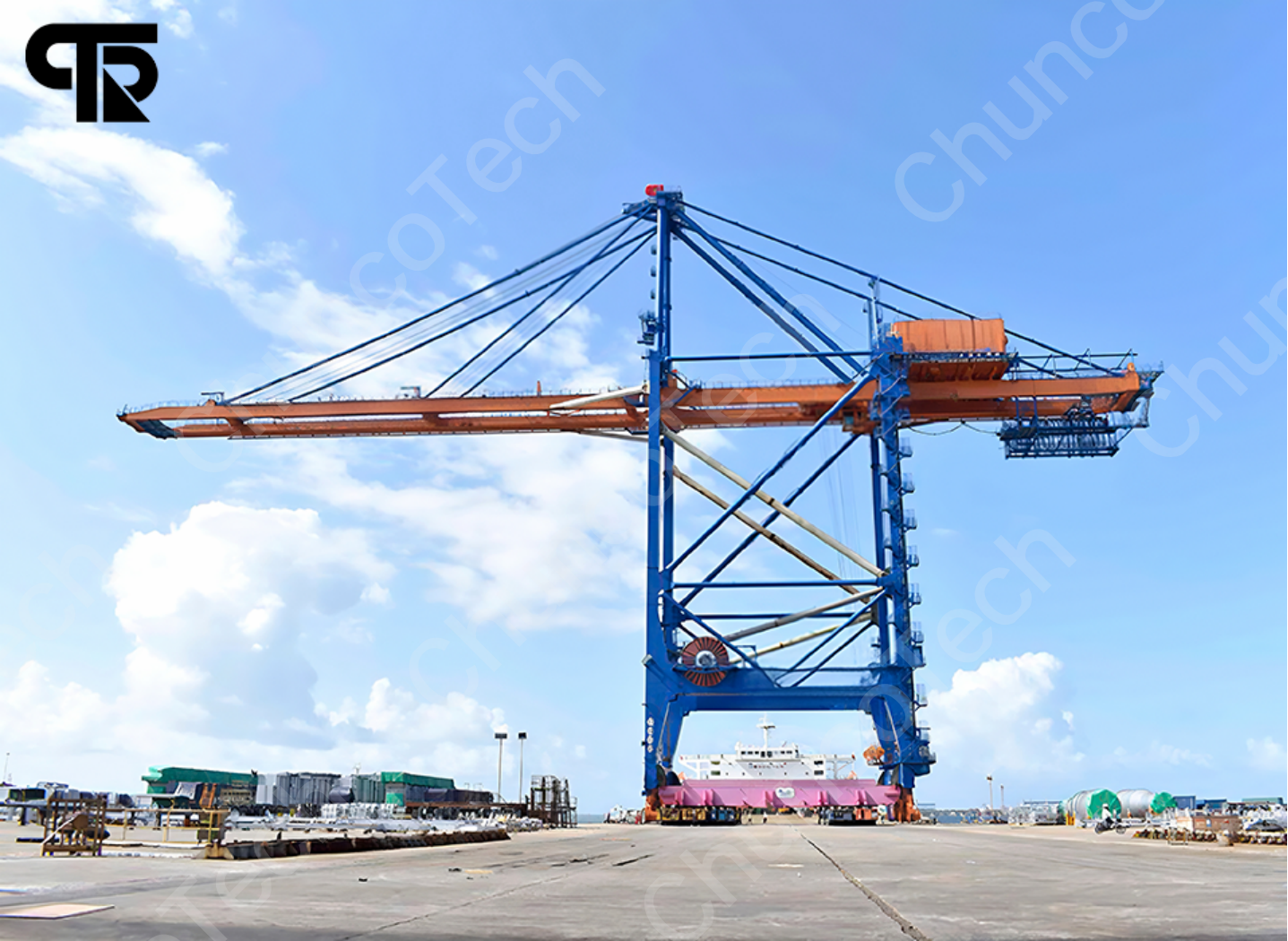
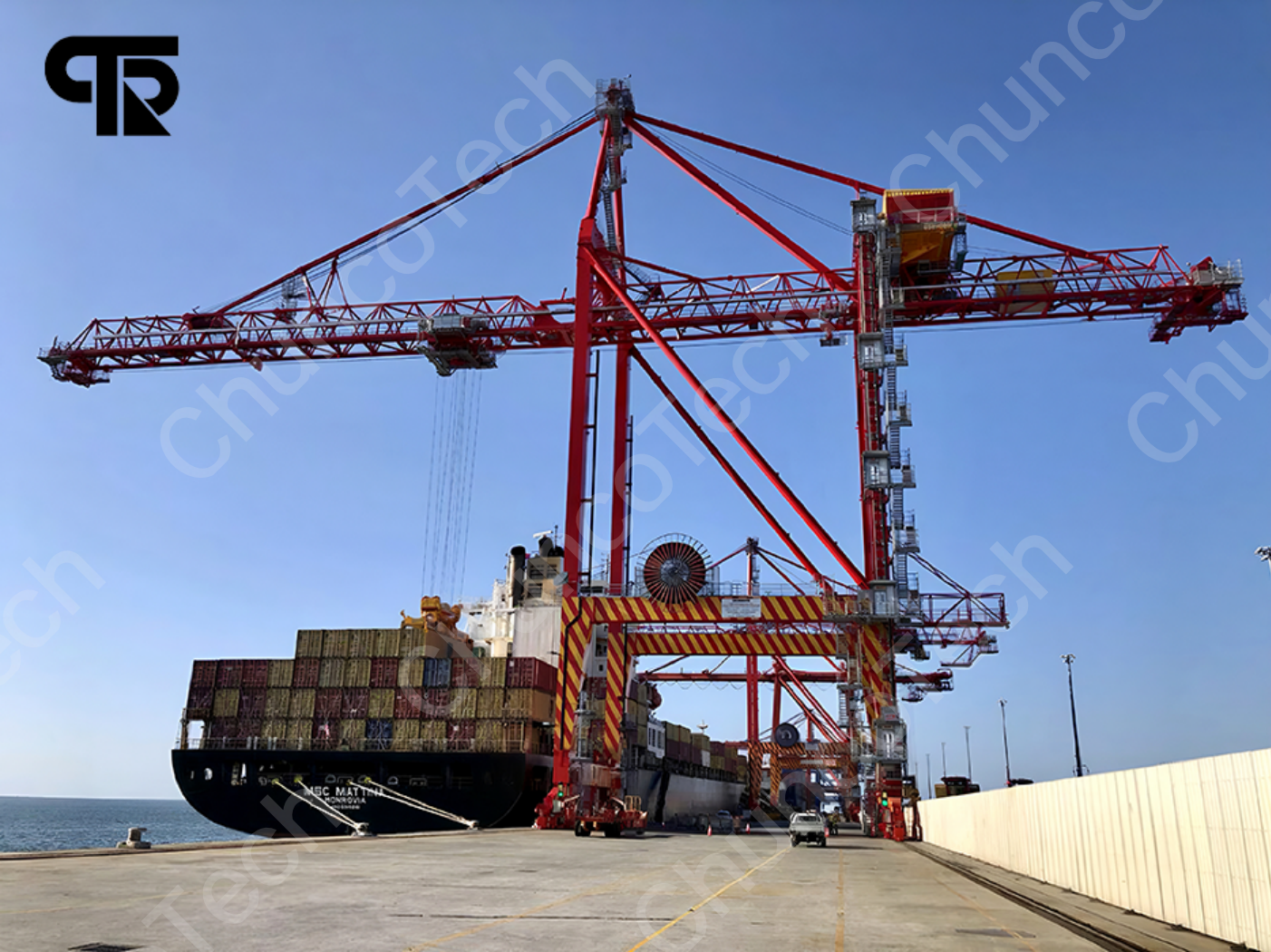
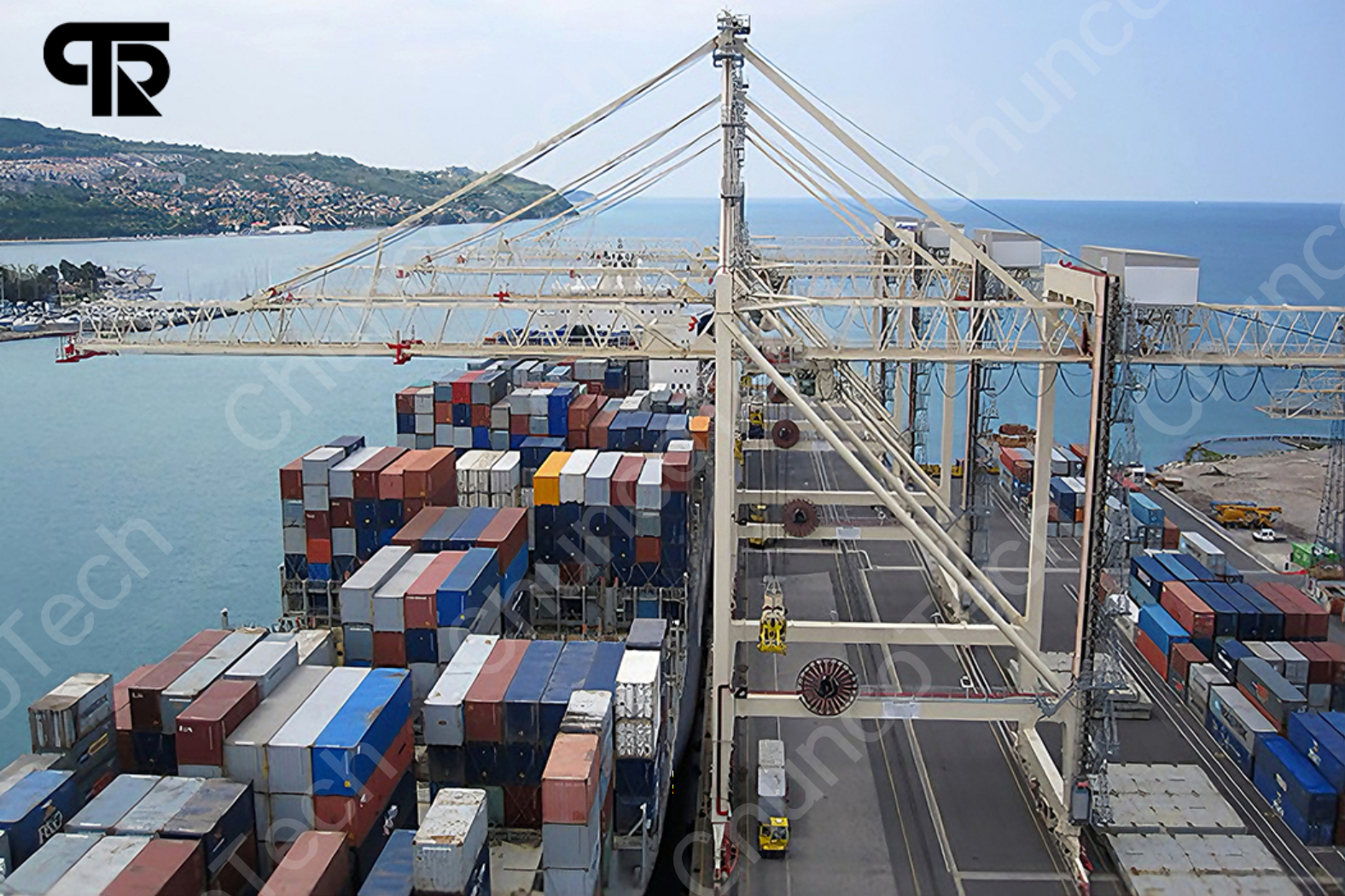
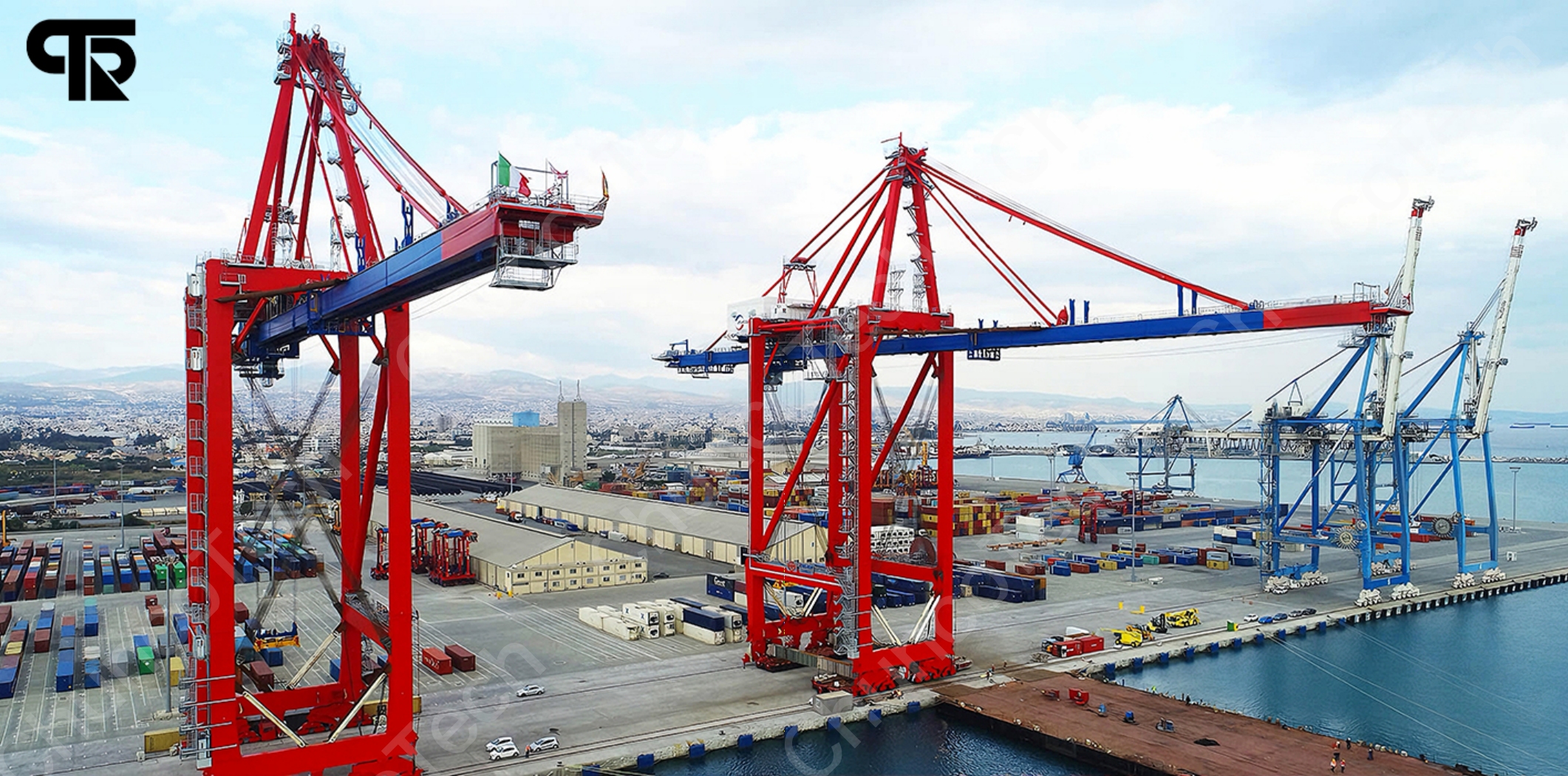
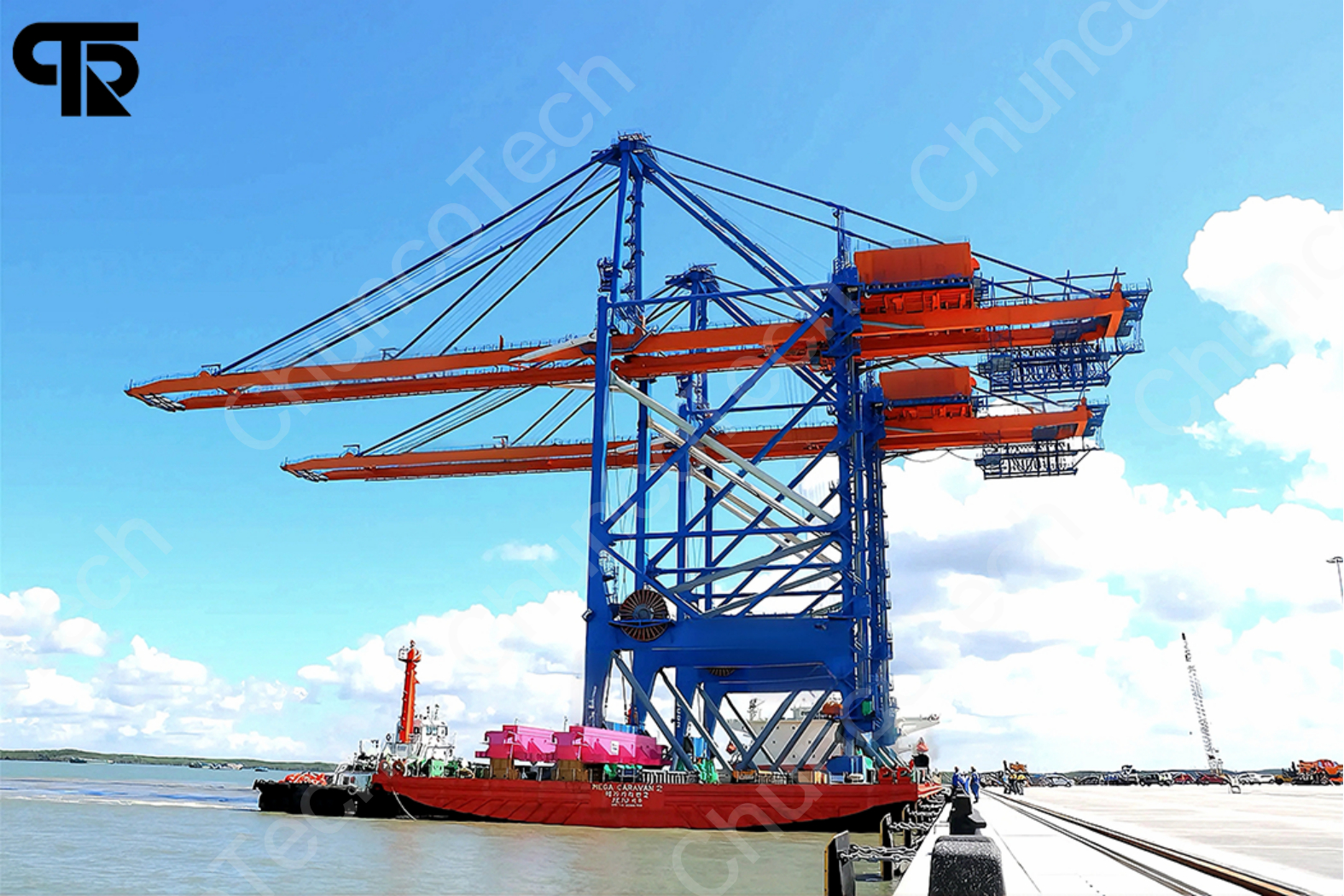
STS Crane (Ship-to-Shore Container Gantry Crane)
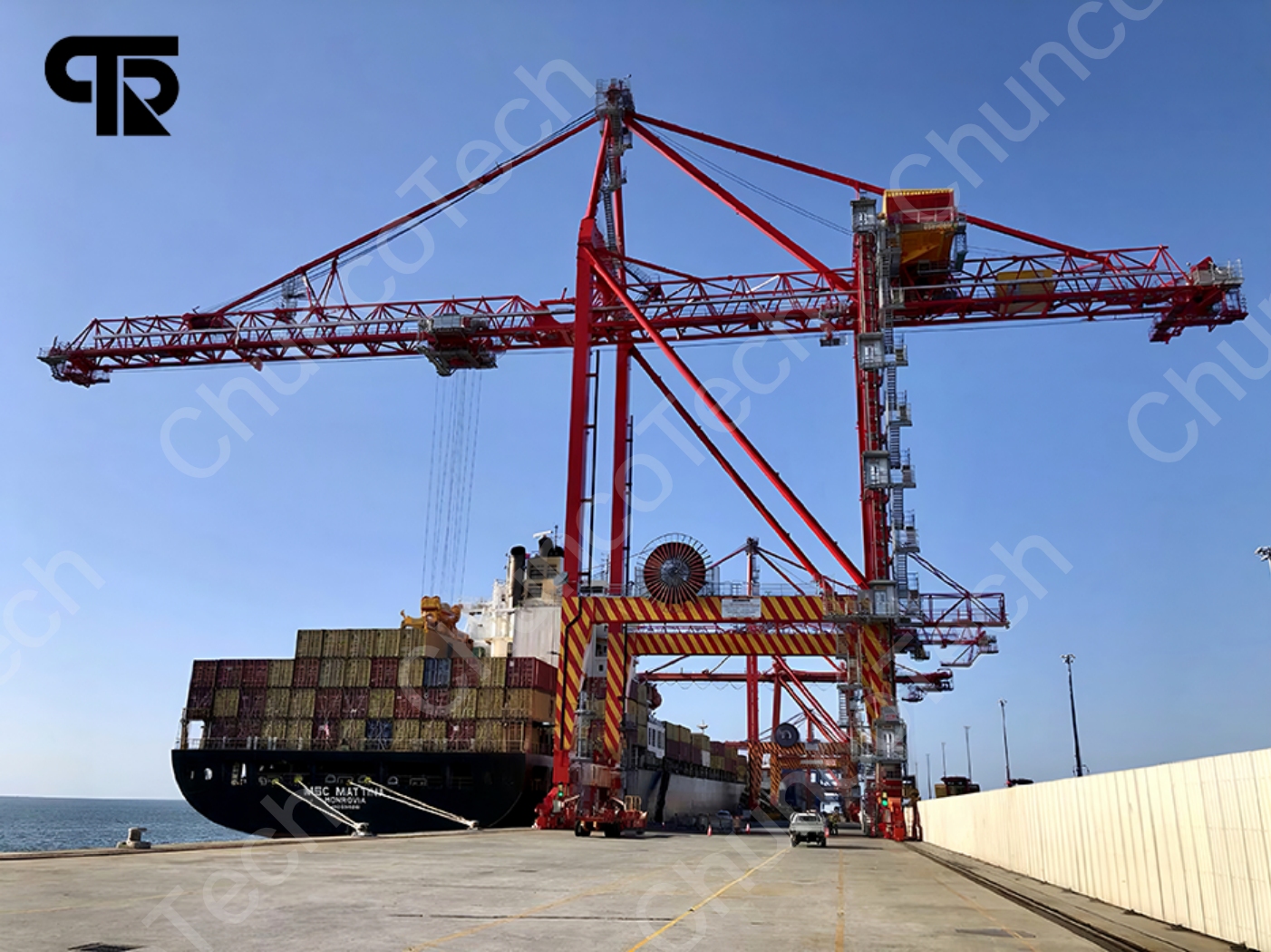
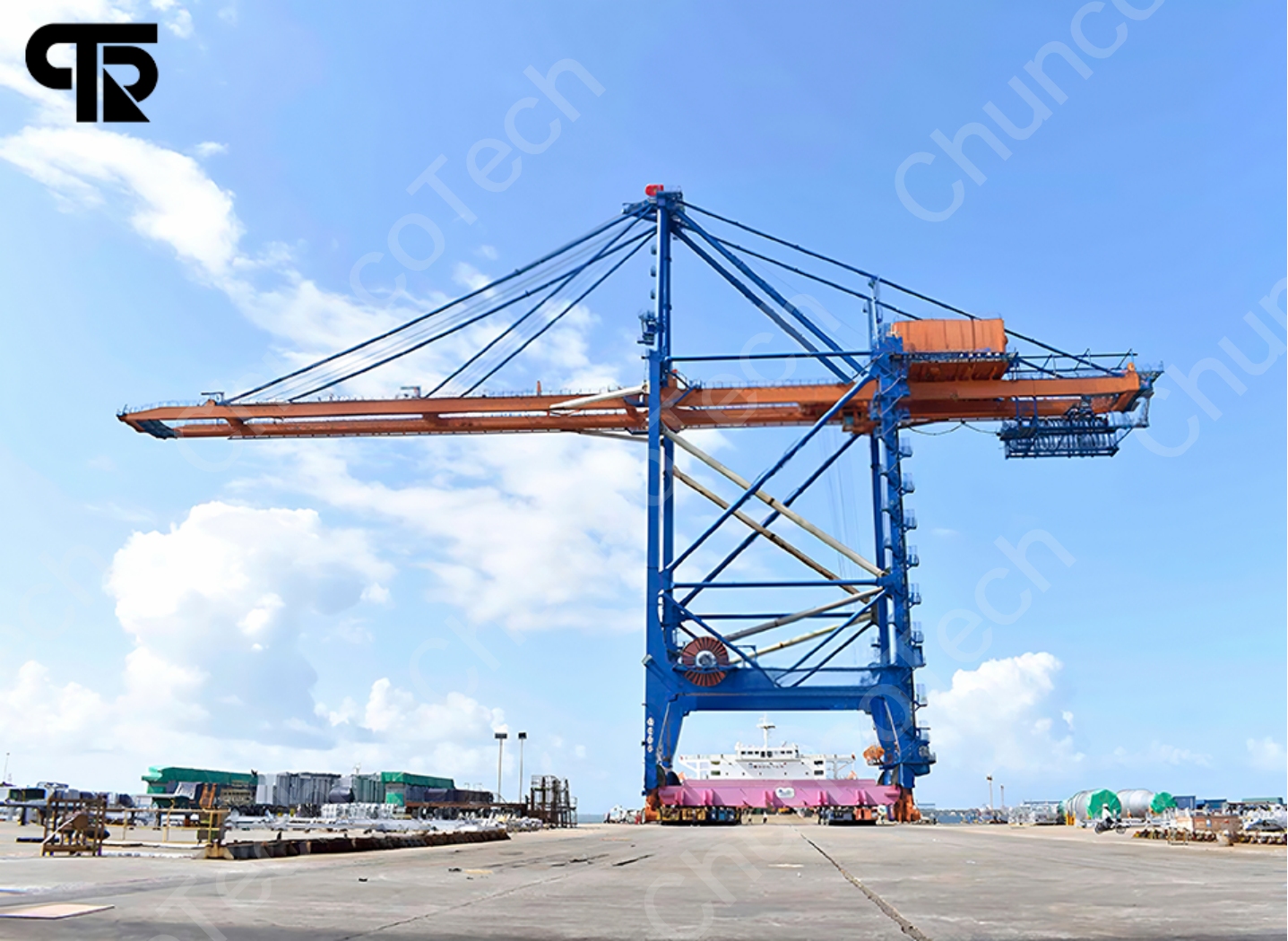
The STS Ship-to-Shore (STS) Container Crane, commonly known as a quay crane, is the core loading and unloading equipment at modern container terminals. It is typically mounted on rails along the quayside, primarily responsible for transferring containers between large container vessels and the terminal yard.|As a key determinant of port productivity, a high-performance STS crane significantly reduces vessel port stay time, increases terminal throughput capacity, and effectively lowers overall logistics costs. To meet the demands of global trade and vessel gigantism, modern STS cranes are evolving towards higher efficiency, greater outreach, and more advanced levels of automation to serve container ships ranging from Panamax to Post-Panamax and Ultra-Large Container Vessels (ULCVs).
Modern STS Ship-to-Shore Cranes integrate advanced mechanical design with intelligent control systems. Their core features include:
1.Highly Adaptable Structural Design: Constructed with high-strength steel structures, the main girder and boom are robust, ensuring stability and long service life under various operating conditions. The outreach is highly customizable based on terminal requirements, covering specifications from Panamax class to over 71 meters for Post-Panamax and larger vessels, accommodating the latest generation of mega-ships.
2.Precise and Efficient Drive & Control System: Equipped with high-performance synchronous drive systems for coordinated movement of the gantry, trolley, and hoisting mechanisms. Utilizing laser positioning systems and encoder trajectory memory, the crane enables fast and precise automatic positioning over trucks and containers, significantly improving single-cycle operation efficiency.
3.Advanced Anti-Sway and Anti-Twist Technology: Integrated intelligent anti-sway systems quickly dampen spreader swing by detecting the swing angle in real-time and dynamically adjusting trolley speed. Simultaneously, the system controls the spreader's tilt cylinders or motors to achieve anti-twist functionality, ensuring quick and stable container pickup and placement even when the ship is listing.
4.Energy-Saving Regenerative Power System: Incorporating regenerative drive technology, the crane efficiently converts potential and kinetic energy generated during lowering and braking operations back into electrical energy, feeding it back into the grid. This not only reduces energy consumption but also improves the overall power factor to above 0.9 and minimizes grid harmonic pollution.
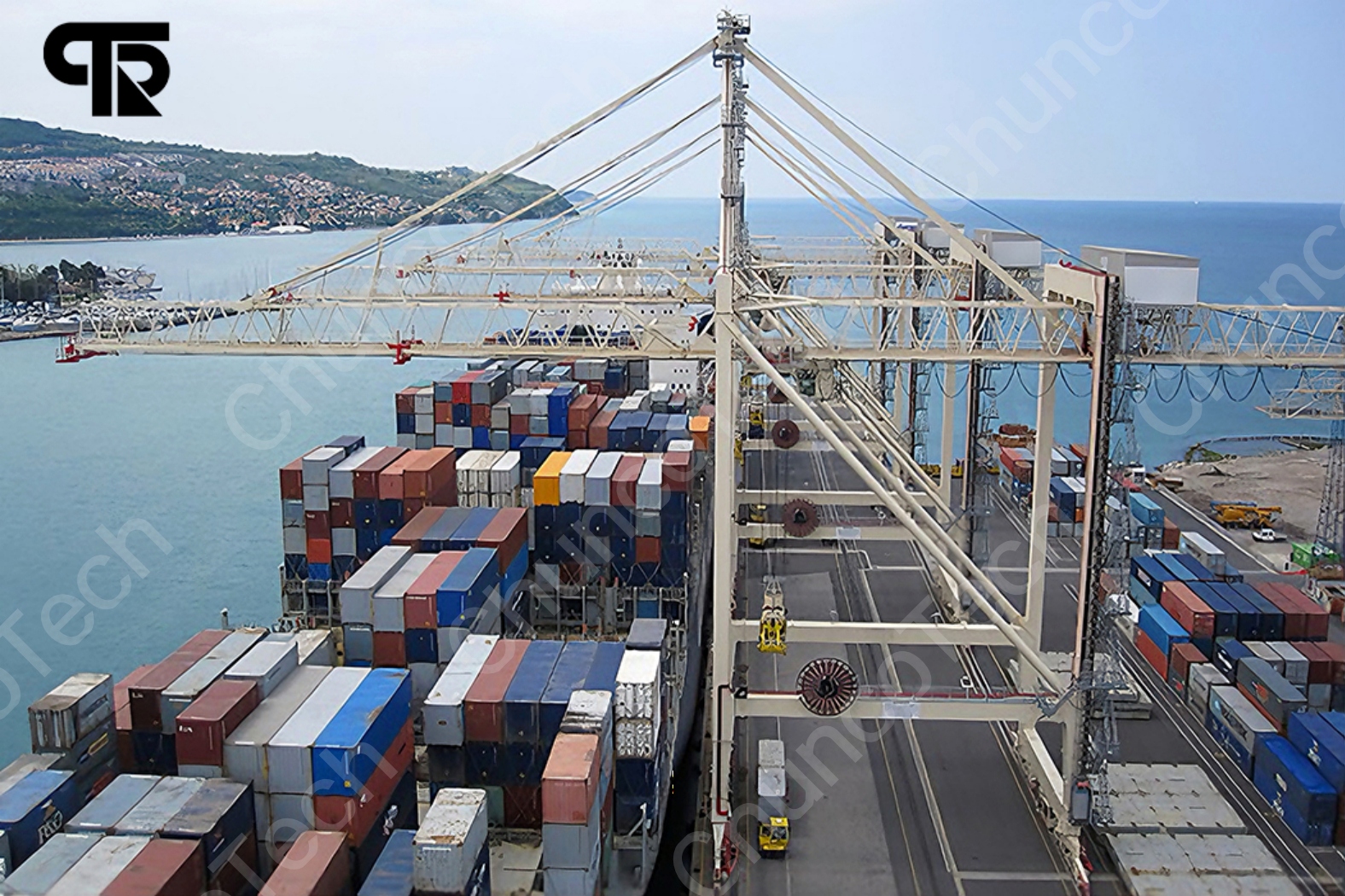
Choosing a high-performance STS Ship-to-Shore Crane provides terminal operators with significant competitive advantages:
1.Superior Operational Efficiency & Productivity: High-efficiency control systems and anti-sway technology enable handling rates exceeding 100 moves per hour (MPH), drastically increasing terminal throughput. Fast operation can directly reduce vessel port stay time by up to 50%, saving shipping lines substantial operational costs.
2.Exceptional Equipment Reliability & Availability: Top-tier manufacturers design cranes that achieve operational availability rates as high as 99.6%, meaning minimal unexpected downtime and ensuring continuity and stability in terminal operations.
3.Favorable Lifecycle Cost Advantage: While the initial investment is significant, features like low failure rates, ease of maintenance, and continuous energy savings from the regenerative system optimize long-term operating and maintenance costs, resulting in a lower total cost of ownership.
III. Application
The STS Ship-to-Shore Crane is a highly specialized piece of equipment, with its main applications focused on:
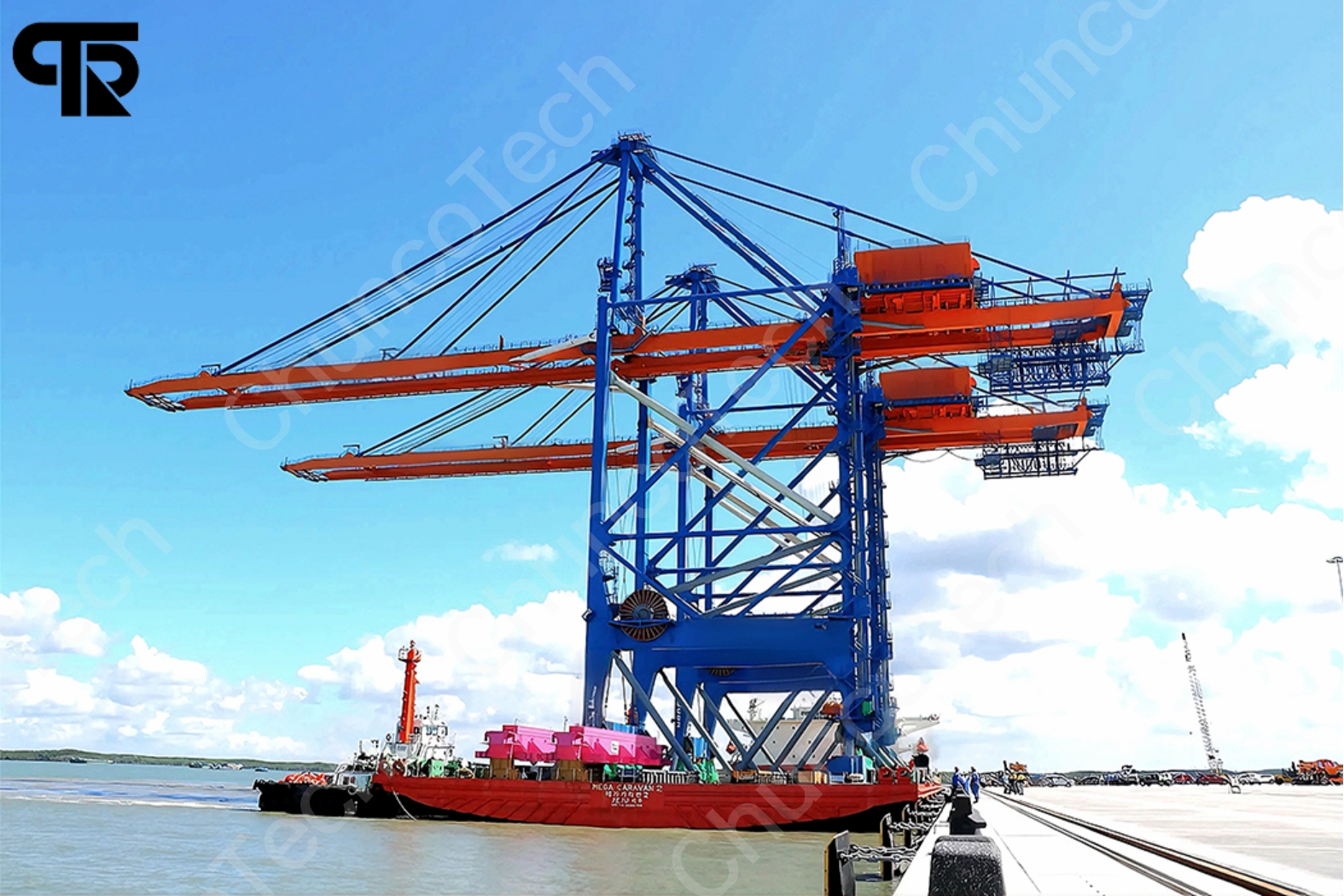
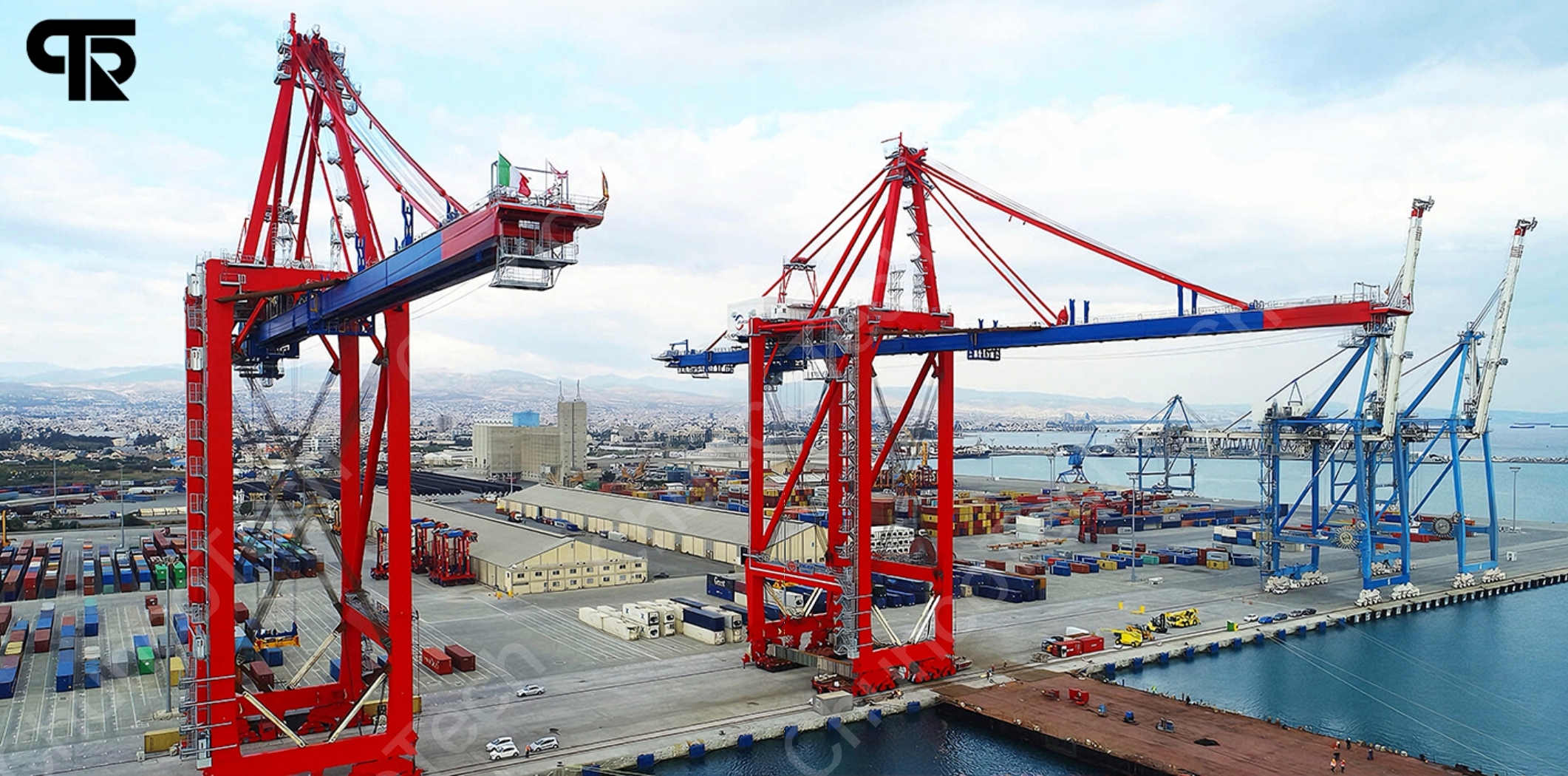
1.Large-Scale Dedicated Container Terminals: This is the most critical application scenario, where STS cranes handle large and ultra-large container liners on major global shipping routes. They are key equipment ensuring the efficient operation of international maritime logistics hubs.
3.Special Designs with Yard Operation Capability: Some innovative crane designs feature exceptionally long backreach and wide gauge, enabling them to handle container truck loading/unloading and transfer operations directly in the rear yard when no ship is berthed. This dual-purpose functionality saves users additional investment in separate yard equipment.
IV. Information Required for Purchase
To ensure a tailored STS Ship-to-Shore Container Crane solution for you, please prepare the following core information:To ensure a tailored STS Ship-to-Shore Container Crane solution for you, please prepare the following core information:
1.Basic Terminal Parameters: Quay deck elevation, rail gauge (e.g., 30/35/40 meters), rail track length, and obstacles on the seaside/landside.
2.Target Vessels & Containers: Maximum vessel tonnage and dimensions planned for service, maximum gross weight of containers to be handled (e.g., 40 tons, 65 tons), and primary container sizes.
3.Key Performance Requirements: Required outreach (determines vessel coverage), lifting height, and basic requirements for hoisting/trolley speeds.4.Automation & Configuration Intentions: Need for remote control or automation functions, and preferences for key component brands such as electrical controls and drives.
5.Project Basics: Approximate project budget range, desired delivery timeline, and basic requirements for supplier qualifications and track record.
V.Purchase&After-sales Support
Procurement process
1.Sign Quotation&TA & PI&SC
2.Production Drawing confirmation (3Dmodels and Key Drawings)
3.Actual production begin
4.Production process following up and report
5.Factory Assemble &testing (inviting clients to attend in advance)
6.Packing &delivery
7.At end user’s site installation , commissioning &training
8.After sales service
After-sales assembly service
To ensure the safe and efficient commissioning of the equipment, our company hereby provides professional after-sales assembly guidance services, with detailed terms as follows:
1. Service Basis and Scope
Our company will classify service levels and determine the duration of free on-site guidance and installation services based on the model and overall weight of the ship crane. The free service period is 3–5 working days for small-sized cranes, 5–7 working days for medium-sized ones, and 7–15 working days for large and extra-large models, with the specific terms subject to the sales contract signed by both parties. The service scope covers full-process assembly guidance including on-board equipment positioning, component assembly and commissioning, safety device calibration, and operation procedure training.
2. Pre-service Requirements
The customer shall complete the preparation of on-site construction conditions prior to the agreed service time, including the positioning of lifting equipment, clearing of the operation site, and preparation of supporting auxiliary materials (such as fasteners and seals). Meanwhile, the customer shall provide the relevant ship technical drawings and on-site coordinating personnel required for the operation to ensure the smooth progress of the assembly work.
3. Charging Standard for Extended Service Period
If the service duration exceeds the free quota due to non-our-fault reasons such as the customer’s substandard on-site conditions or inadequate coordination, the excess part will be charged at a technical service fee of 200 USD per person per working day, and the travel, accommodation and catering expenses shall be borne by the customer separately.
4. Service Guarantee and Commitment
The technical personnel dispatched by our company all hold qualifications for ship crane assembly and have rich practical experience. The service process strictly complies with international ship equipment installation specifications and our company’s quality standards.
VI .Relevant Standards for Quayside Container Cranes
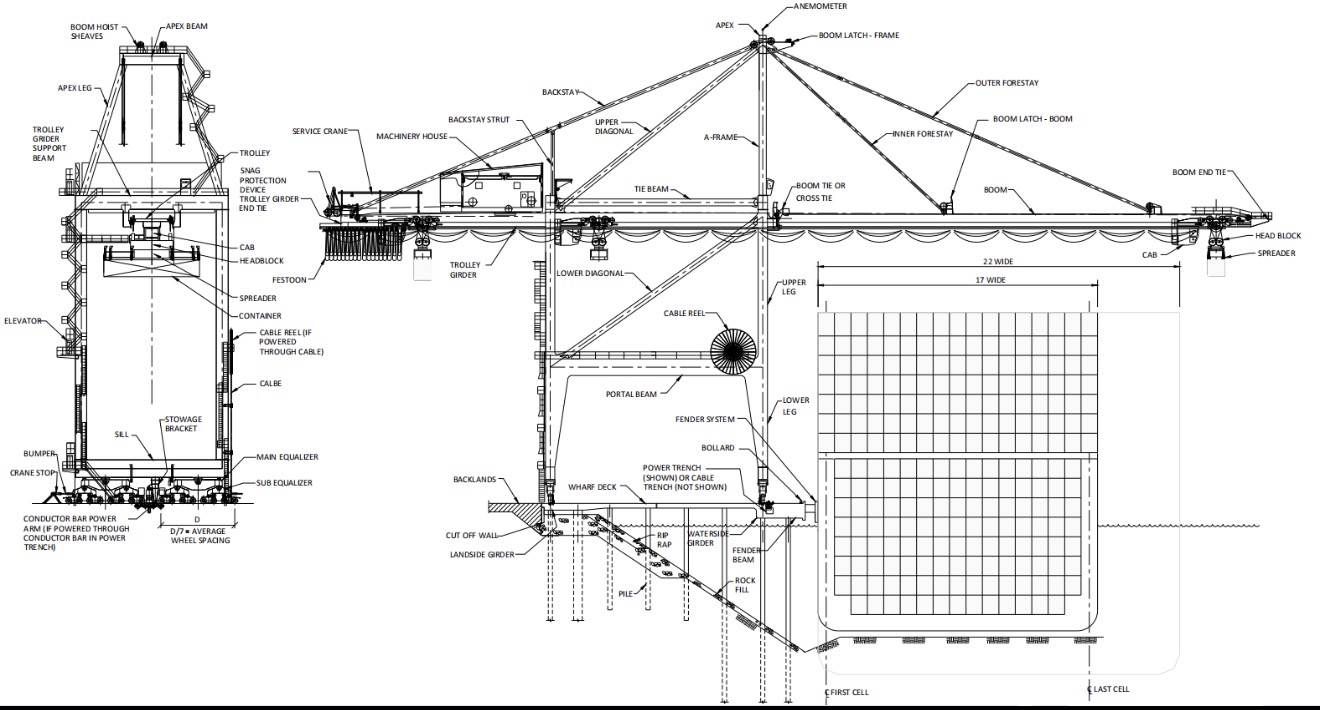
GB/T 15361-2009: Quayside Container Cranes
GB/T 21920-2008: Safety Regulations for Quayside Container Cranes
GB/T 36410.1-2018: Energy Consumption Evaluation Method for Port Equipment — Part 1: Quayside Container Cranes
JT/T 295-2008: Technical Specifications for Repair of Quayside Container Cranes
VII.FAQ
Q1: How do I determine the required lifting capacity and outreach for the STS crane?
A1: This is primarily determined by your target market. Base your decision on the largest container vessel class (e.g., 24,000 TEU Ultra Large Container Vessel) you plan to berth in the next 5-10 years. The lifting capacity must handle your terminal's most common heavy containers (e.g., 41 tons) and potential future needs. The outreach must at least cover the width of that vessel class (typically requiring over 66 meters) with a safety margin.
Q2: Should I choose an automated STS crane or a traditional manually operated one? Is the initial investment gap significant?
A2: The choice depends on your long-term operational strategy. A fully automated STS crane typically requires an initial investment about 20%-40% higher than a traditional model. However, it offers more stable and efficient operations, lower labor costs, and enhanced safety. Automation is a necessary direction for terminals with high labor costs or plans for smart port development. Many manufacturers also offer "automation-ready" traditional cranes that can be upgraded in the future, balancing current budgets with long-term planning.
Q3: Besides the equipment itself, what key elements are usually included in the purchase contract and after-sales service?
A3: Key areas to focus on include:
2.Performance Guarantees: The contract should specify rated productivity, energy consumption metrics, and remedies for failing to meet them.
3.Warranty & Support: Define the full machine warranty period (typically 1-2 years), key component warranties (e.g., drive systems), and post-warranty technical support response times and spare parts pricing mechanisms.
4.Technical Documentation: Ensure you receive complete electrical diagrams and maintenance manuals, which are essential for long-term independent maintenance.
Q4: What is the typical delivery and installation timeline for an STS crane? What should be noted during on-site installation?
A4: The typical timeline from contract signing to commissioning is 12 to 18 months. The on-site installation phase is critical. Ensure:
2.Transport routes and on-site storage areas for large components are properly planned.
3.Management responsibilities and safety protocols are coordinated among the manufacturer's installation team, your personnel, and any third-party supervision.
Q5: How do I evaluate the "real" operating costs of STS cranes from different brands?
A5: Look beyond the initial quote and calculate the Total Cost of Ownership (TCO), which mainly includes:
2.Operating Costs: Daily energy consumption (check for energy feedback systems), replacement cycle and cost of wear parts (e.g., wire ropes, sheaves).
3.Maintenance Costs: Frequency and labor hours for preventive maintenance, Mean Time To Repair (MTTR) after failures, and spare parts prices.
4.Residual Value: Equipment from reputable brands with high reliability typically retains higher long-term residual value.
Q6: Is purchasing a refurbished/used STS crane cost-effective? What are the main risks?
A6: The price of a refurbished crane can be 40%-60% of a new one, potentially suitable for terminals with tight budgets and less demanding operational requirements. However, major risks must be carefully evaluated:
2.Outdated Technology: Older electrical control systems may have high energy consumption, frequent failures, and poor compatibility with modern management systems, leading to high future upgrade costs.
4.Refurbishment Quality: This depends heavily on the refurbisher's technical capability. Visit their completed projects and clearly define warranty responsibilities for all replaced components.
Certificate