Windlass And Winches
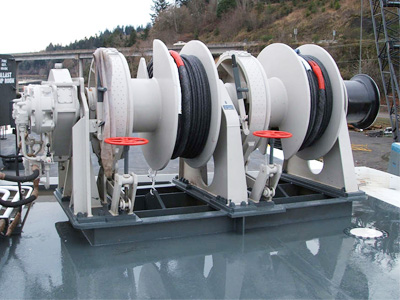
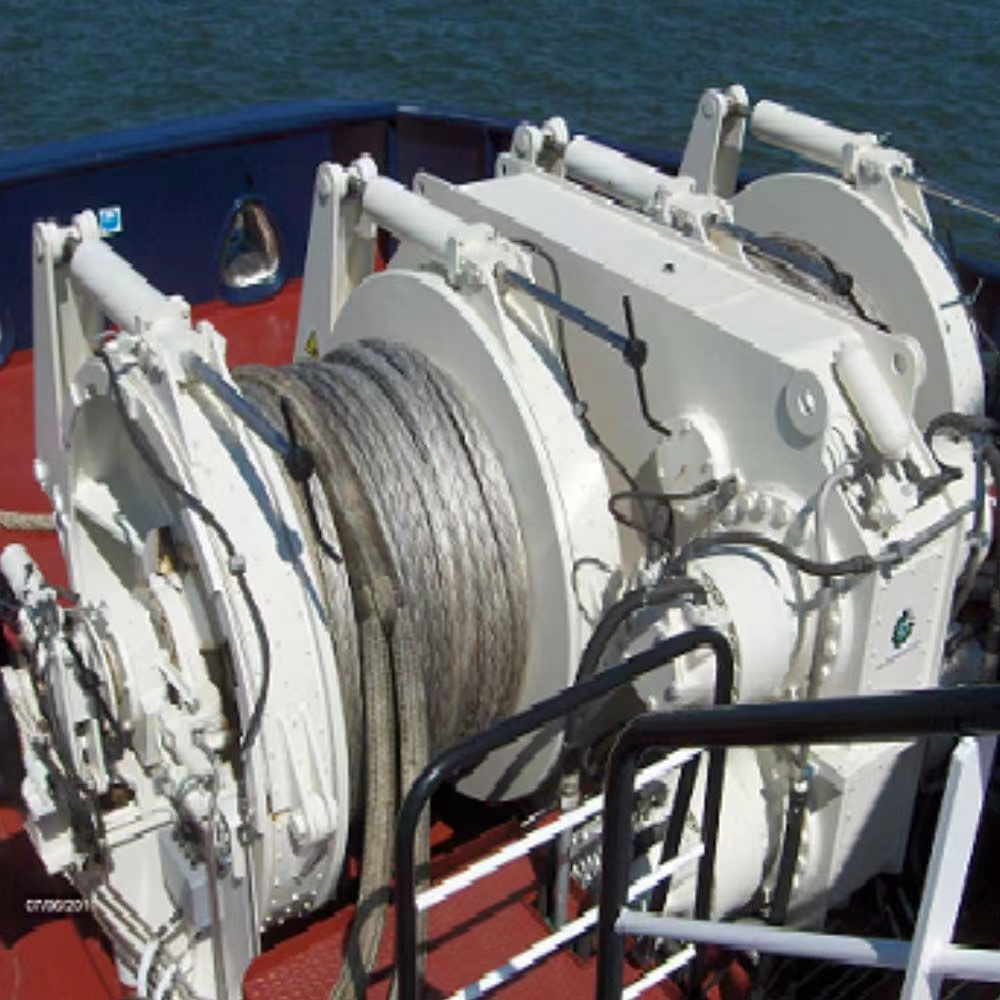
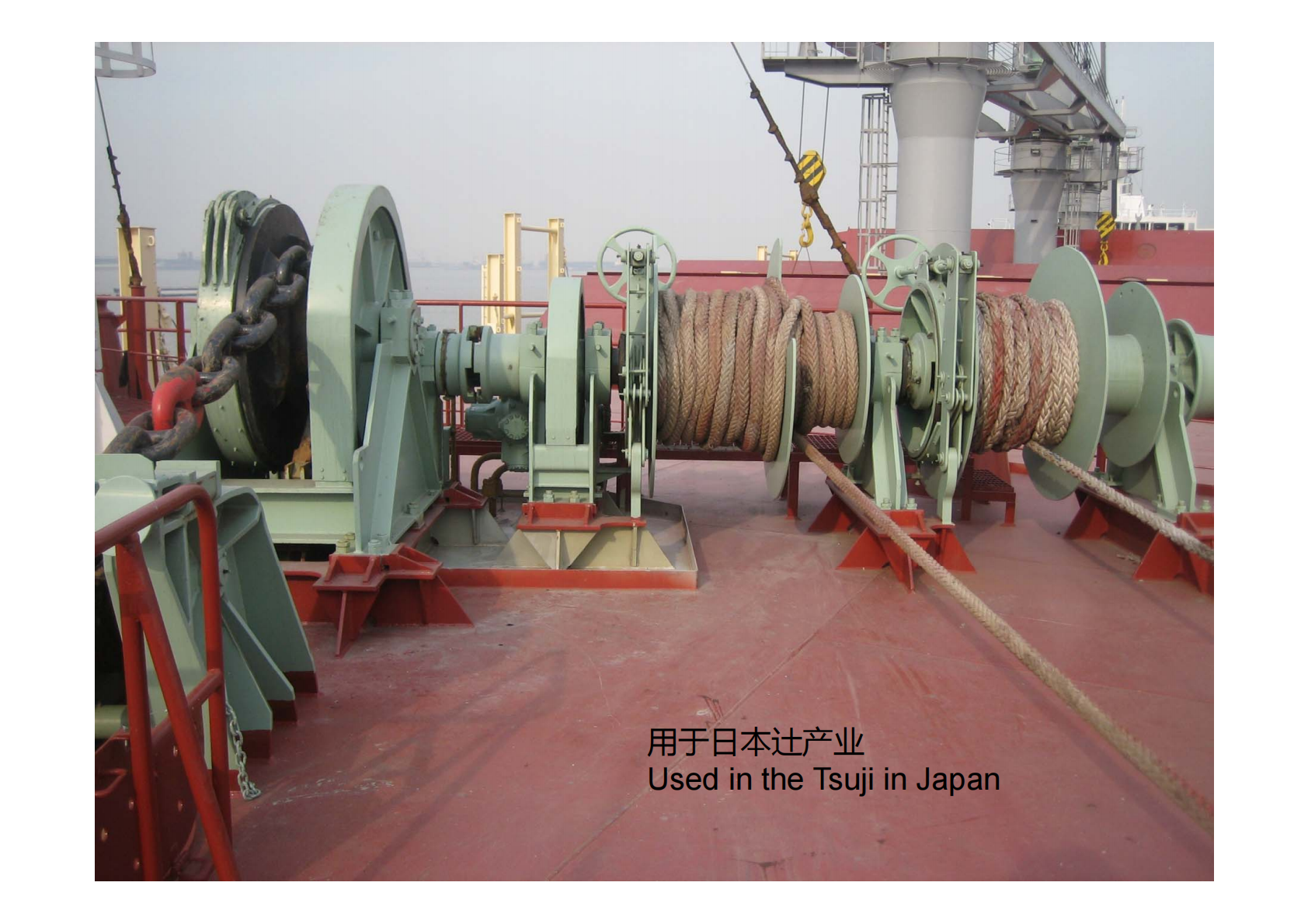
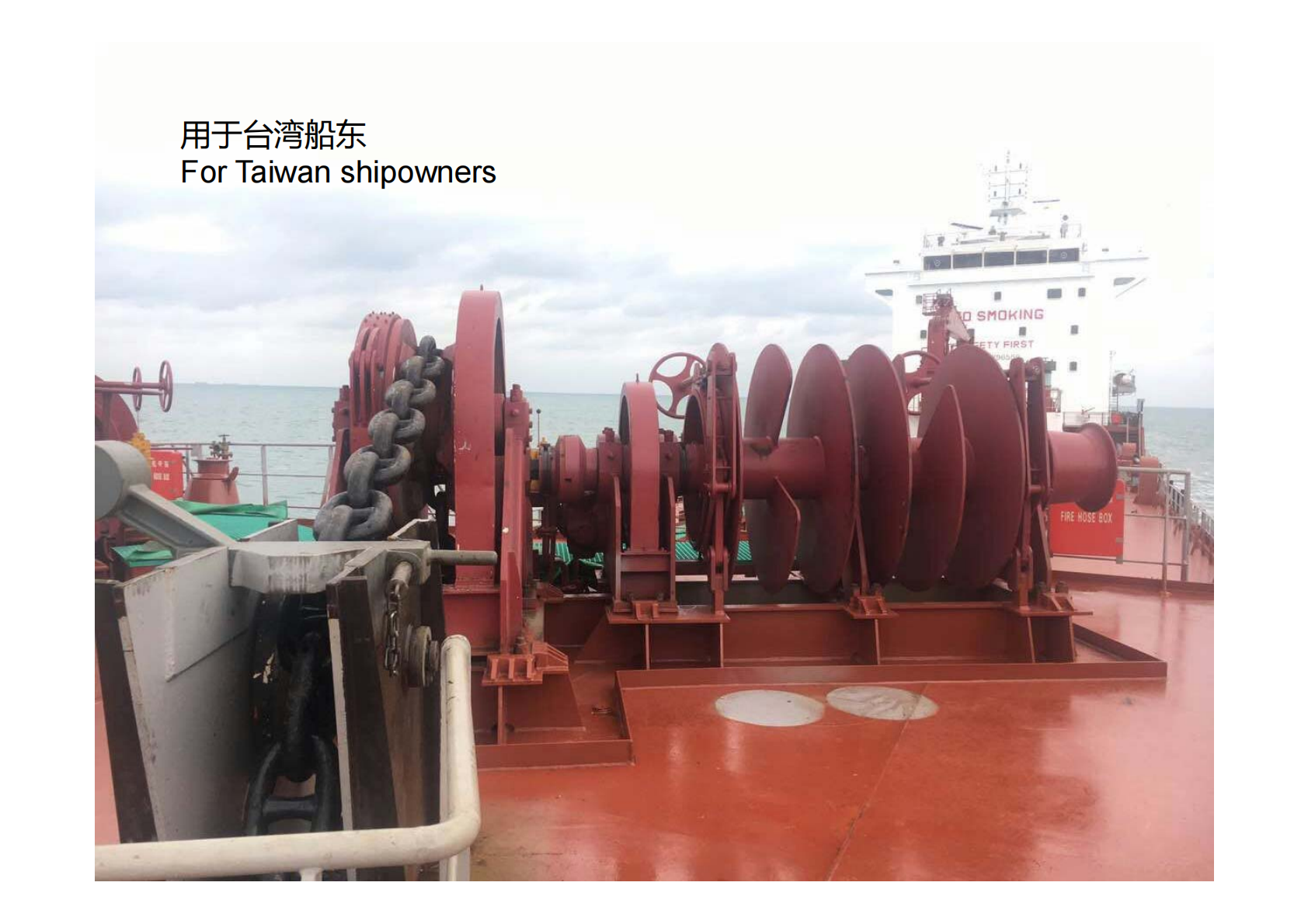
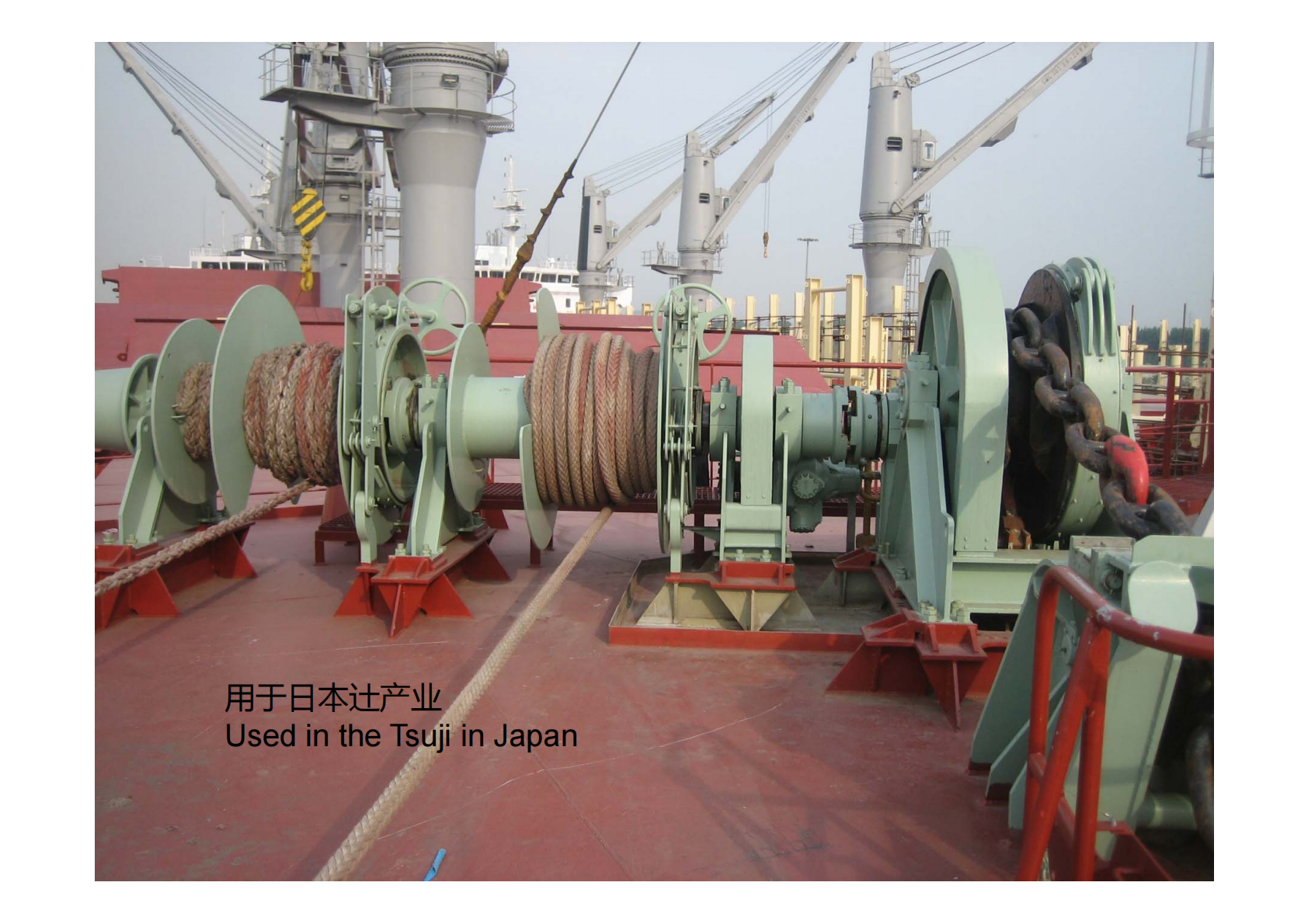
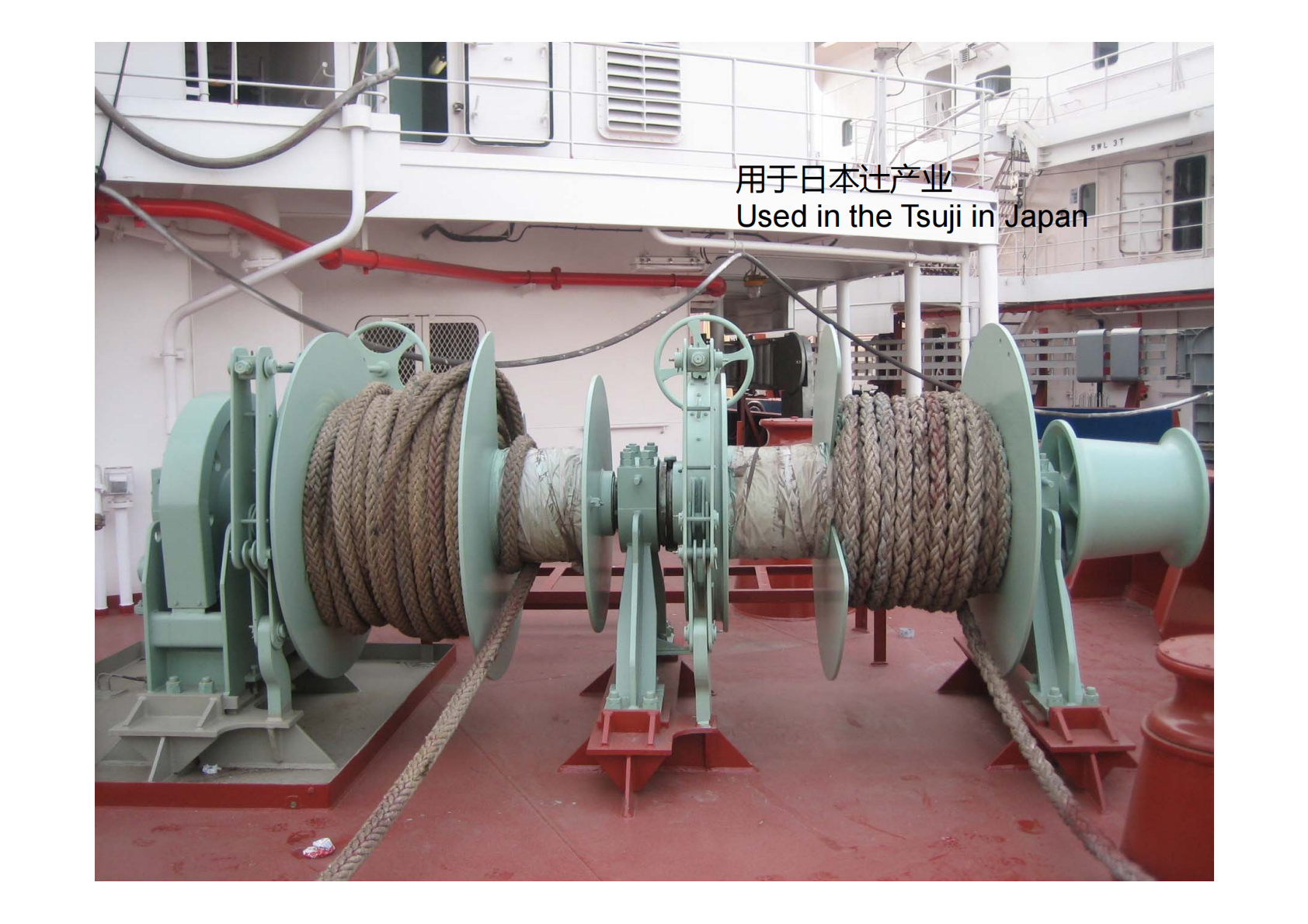
Windlasses and winches are essential deck machinery on vessels and offshore platforms, designed for anchoring, mooring, towing, and cargo handling operations. They feature robust construction, reliable braking systems, and multiple drive options to withstand harsh marine environments.
Product Features
-
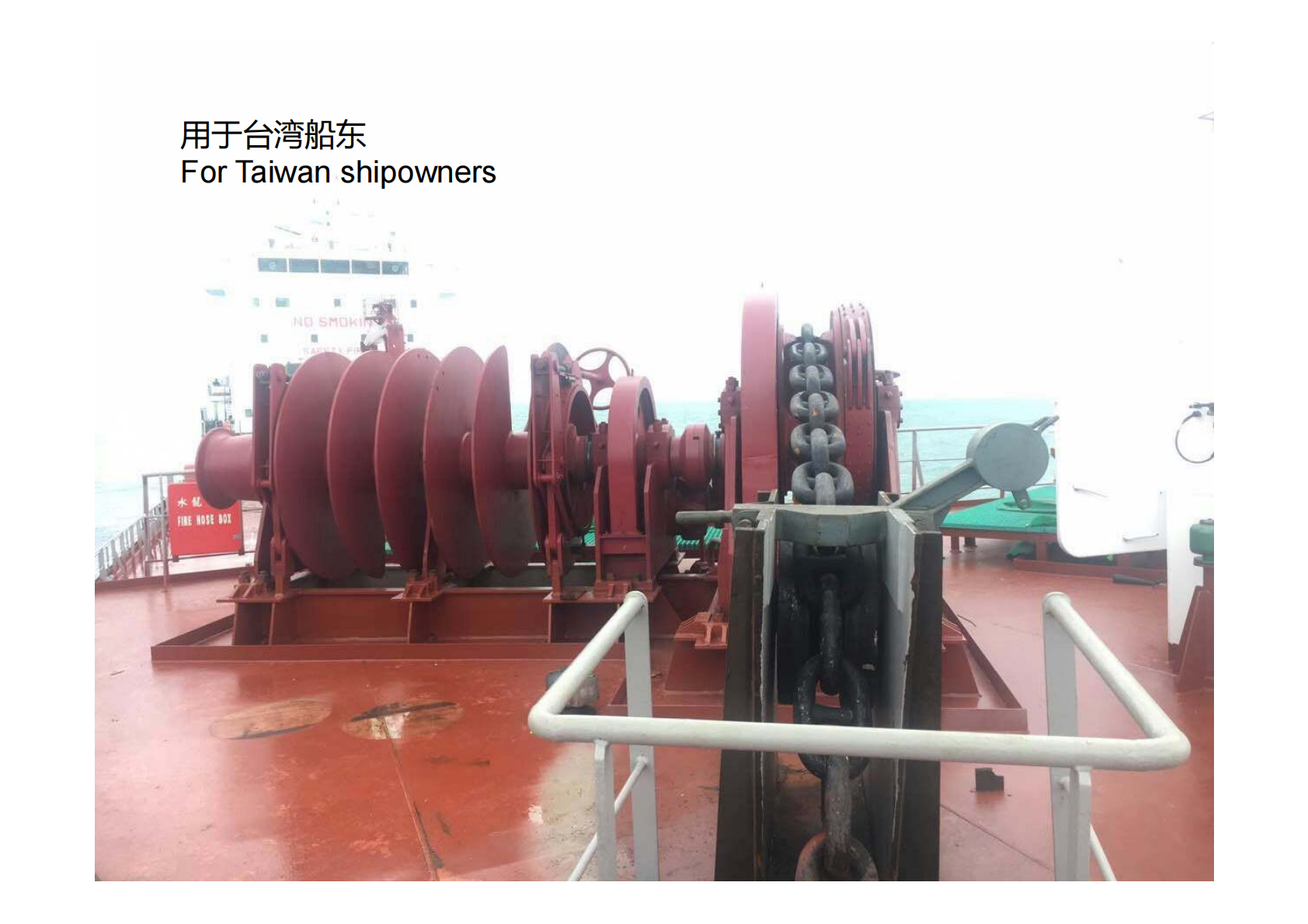
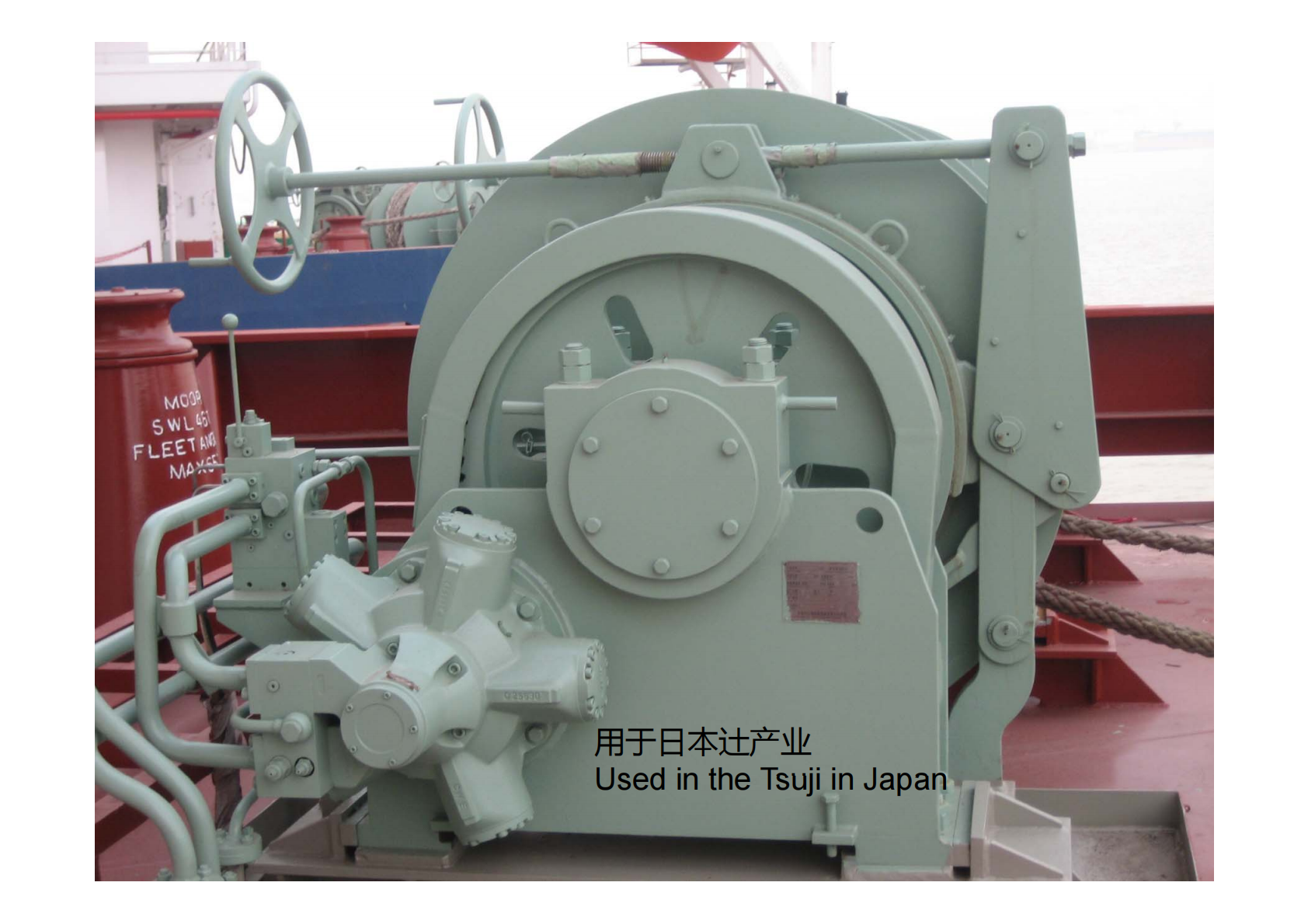
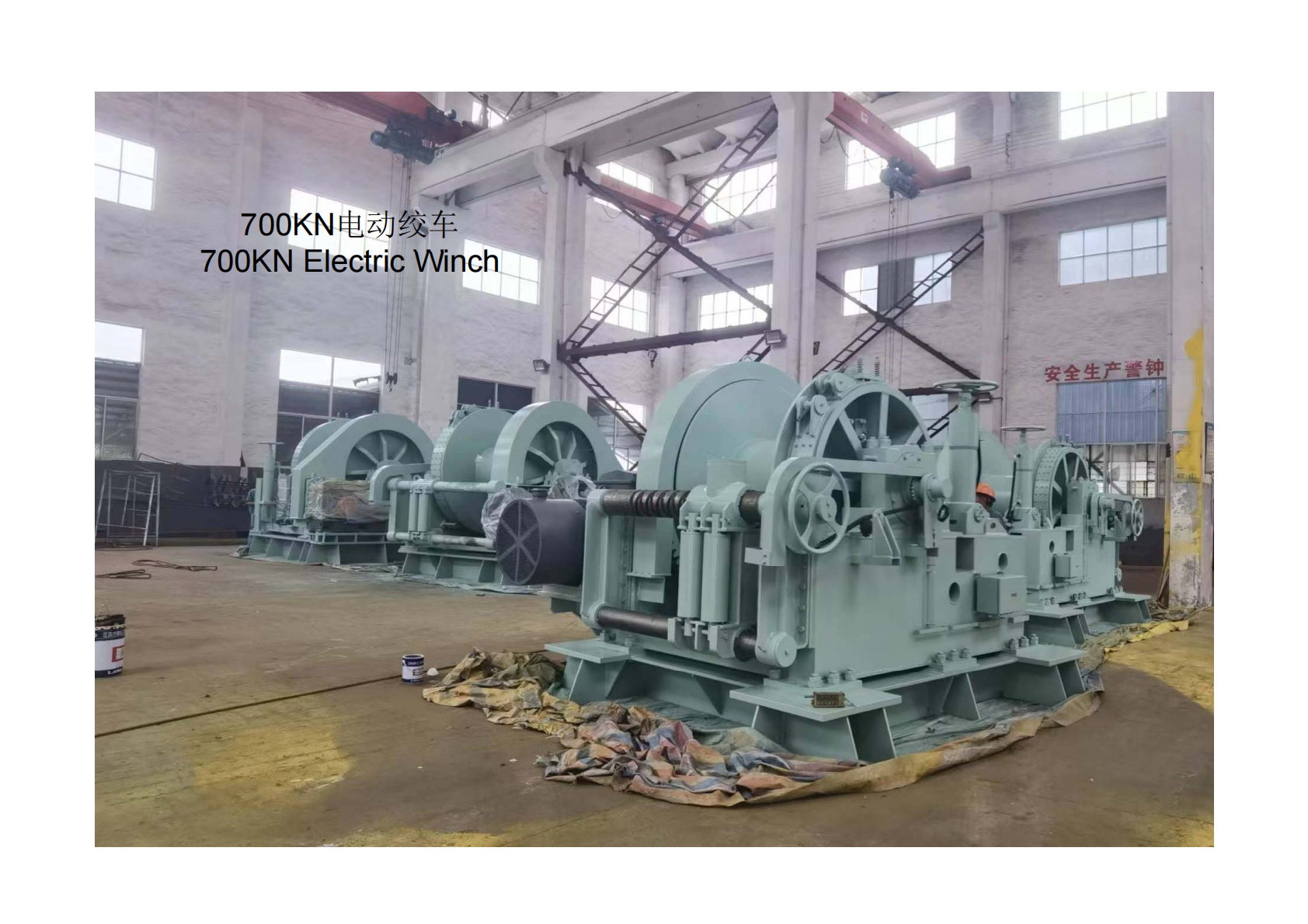
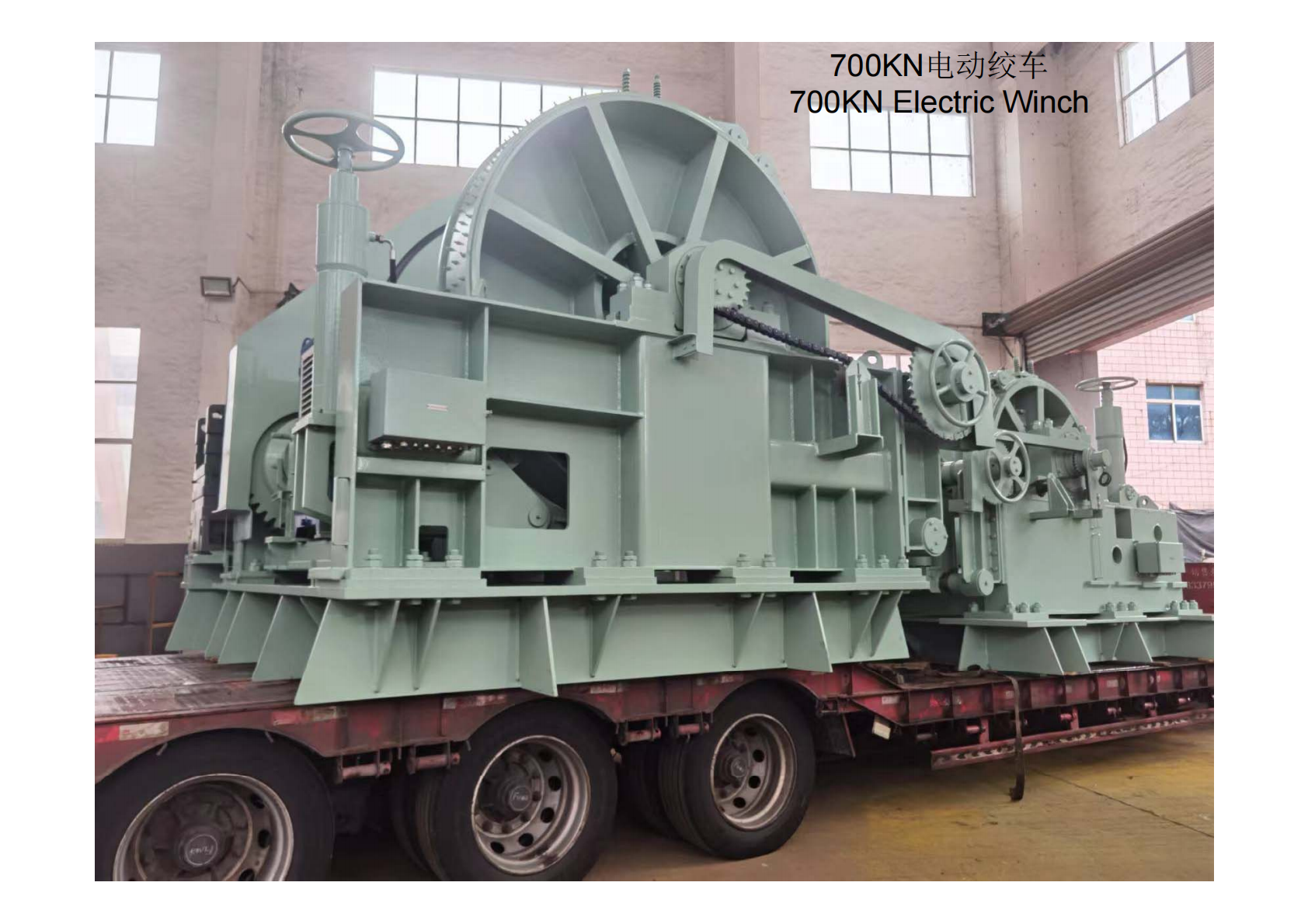
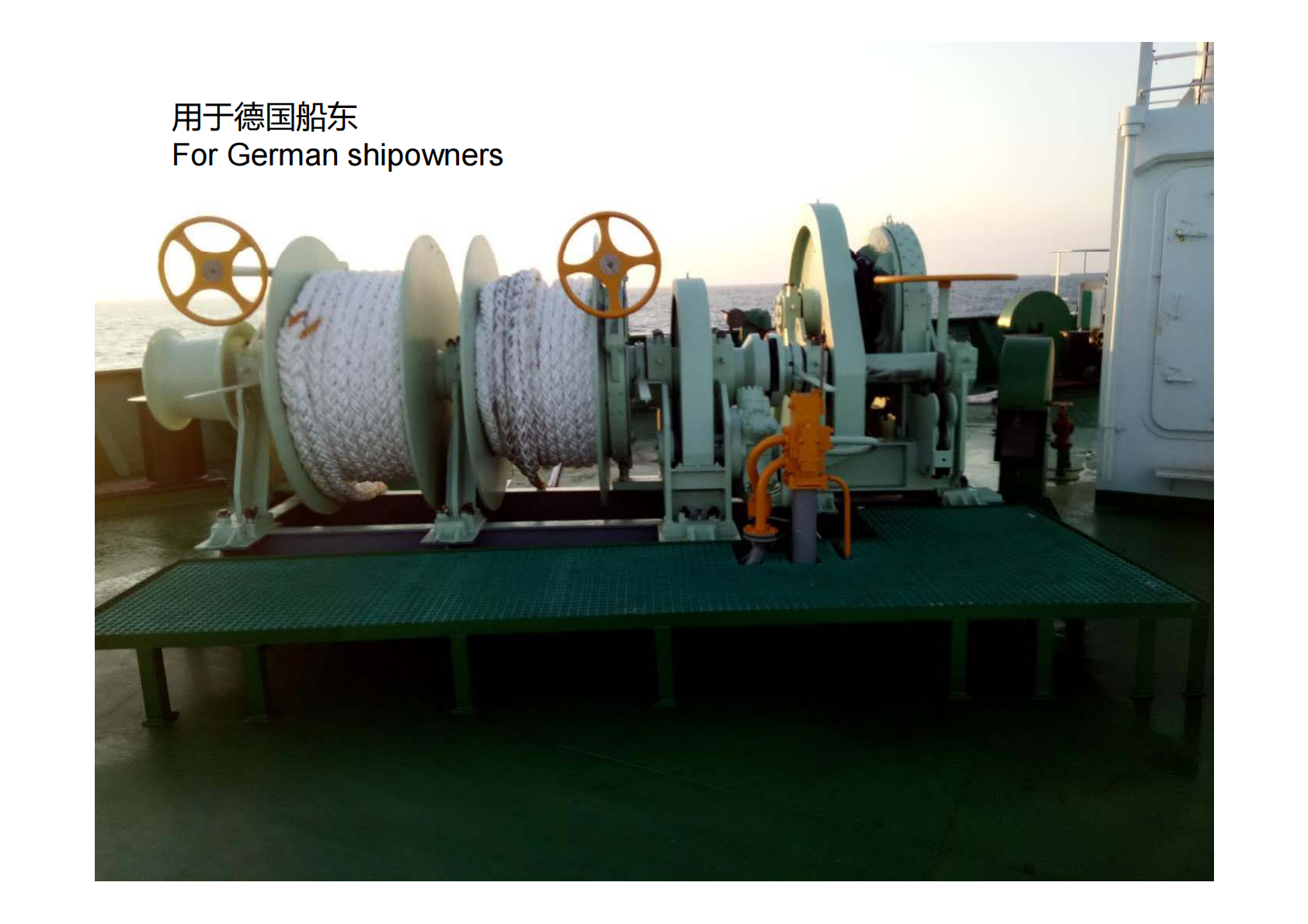
Dual Functionality: A windlass is specifically designed to handle anchor chains, raising and lowering the anchor. Many modern windlasses integrate a mooring drum (warping head) for rope handling, creating a combination "anchor windlass/mooring winch" unit.
-
Drive Options: Available in electric, hydraulic, and electro-hydraulicconfigurations. Hydraulic systems offer smooth operation and high power density, while electric systems provide simplicity and ease of installation for smaller vessels.
-
Configuration Varieties:
-
Horizontal Windlasses: The chain wheel shaft is parallel to the deck. These are common on merchant vessels, offering easy operation but occupying more deck space.
-
Vertical Windlasses (Capstans): The shaft is perpendicular to the deck, with the motor and gearbox located below deck. This space-saving design is preferred on naval vessels and yachts, offering better protection from wave action.
-
-
High-Capacity Design: Anchor windlasses can handle chain diameters from 8 mm for pleasure craft up to 160 mm for large vessels. Mooring winches typically offer pulling capacities ranging from 5 to 300+ tonnes.
-
Braking & Control Systems: Equipped with manually operated or hydraulic fail-safe brakes. Advanced features include automatic tension control(constant tension), remote control (wireless or bridge-operated), and emergency release functions.
-
Special Features: Options include auto-tension, passive or active heave compensation, level wind systems to ensure proper rope spooling, and chain length/speed measurement.
Applications
Windlasses and winches are found on virtually every type of vessel and marine structure where anchoring, mooring, or heavy line handling is required.
-
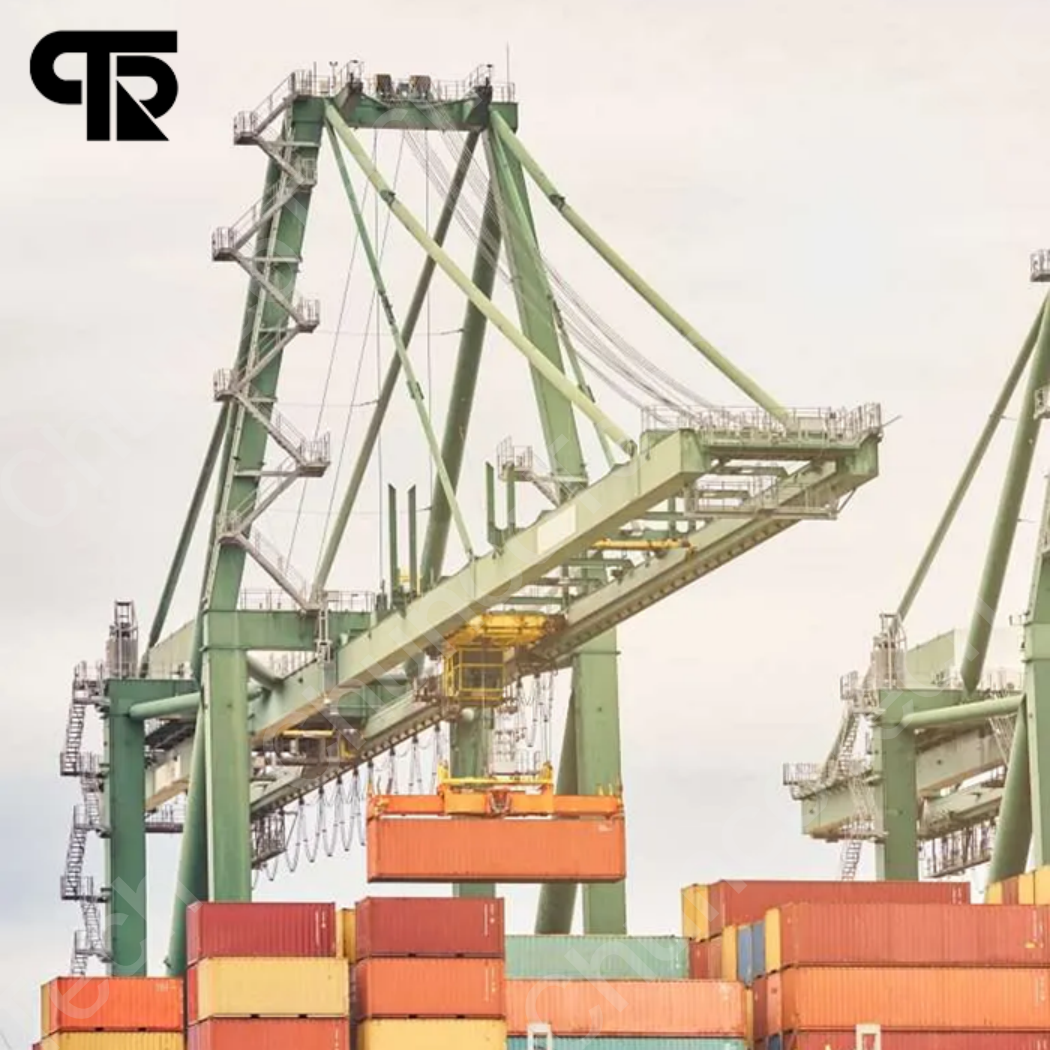
Anchor Handling (Windlasses): Primary application is raising and lowering the ship's anchor on vessels ranging from small yachts to ultra-large container ships, bulk carriers, and tankers.
-
Mooring Operations (Mooring Winches) : Used to secure vessels to docks, piers, or buoys. Mooring winches maintain tension on mooring lines to compensate for tides and changes in vessel load.
-
Offshore Platforms: Specialized offshore anchor windlasses and mooring winches are critical for positioning drilling rigs, FPSOs, and floating production units. These often include chain jacks and heave compensation systems.
-
Tugboats & Towing (Towing Winches) : Tugs use specialized towing winches to manage towlines for assisting larger vessels in harbors and canals.
-
Naval & Patrol Vessels: Vertical windlasses are standard on military ships for their low-profile, space-saving design, protecting sensitive deck equipment from damage.
Advantages
-
Operational Reliability: Designed with high safety factors and heavy-duty components (hardened gears, split bronze bearings) to ensure continuous, trouble-free operation in demanding marine environments.
-
Enhanced Safety: Modern systems incorporate fail-safe brakes, emergency stop functions, and overload protection. Operating within the rated capacity prevents catastrophic equipment failure.
-
Space Efficiency: Vertical windlasses (capstans) free up valuable deck space by housing the motor and gearbox below deck, making them ideal for vessels where deck area is at a premium.
-
Low Maintenance: Properly maintained windlasses and winches provide years of service. Features like easy-access lubrication points, sealed oil-bath gearboxes, and corrosion-resistant materials (stainless steel, hardened coatings) reduce downtime.
-
Versatile Control Options: From local manual levers to wireless remote controls, operators have flexible options for controlling line speed, tension, and braking. Constant tension mode automatically pays out or heaves in to maintain preset line pull.
Certificate