Giant Gantry Crane
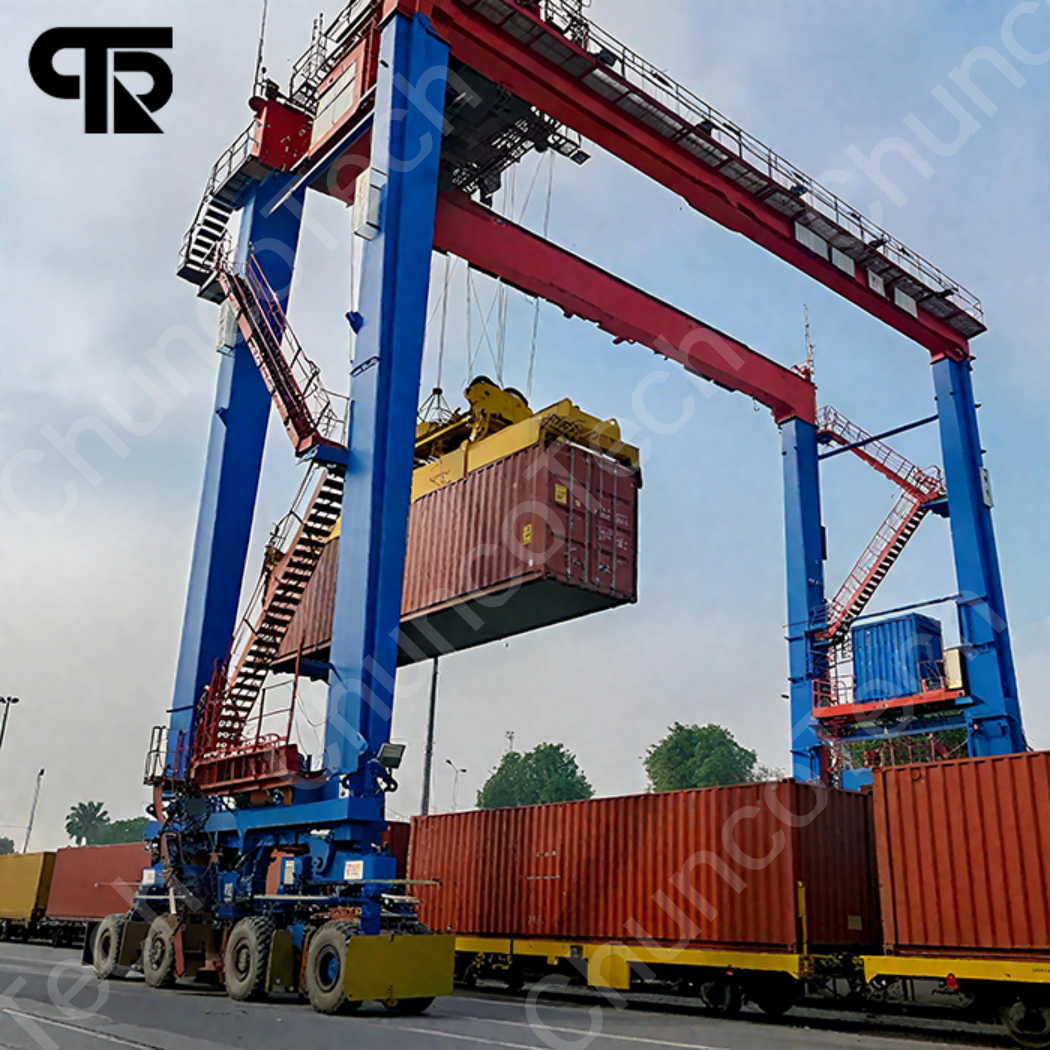
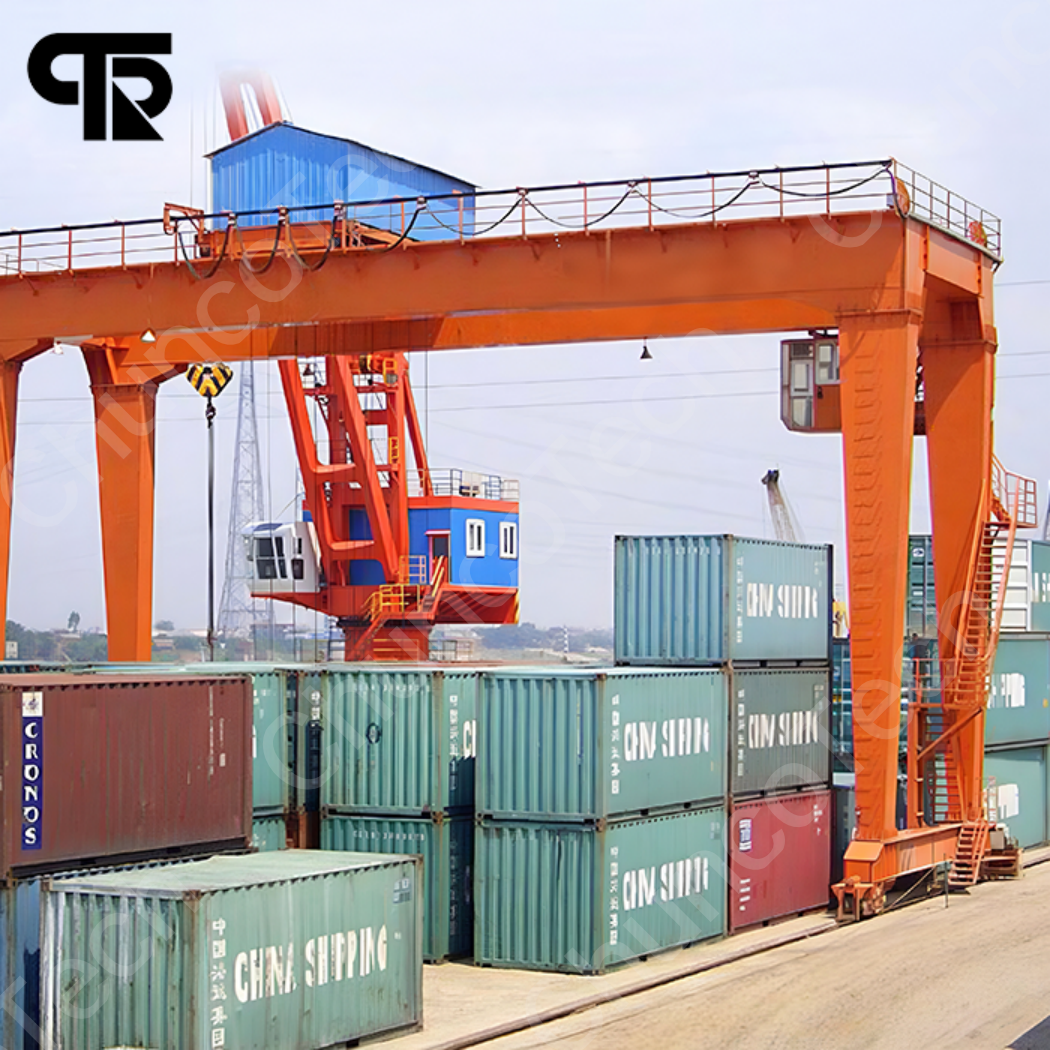
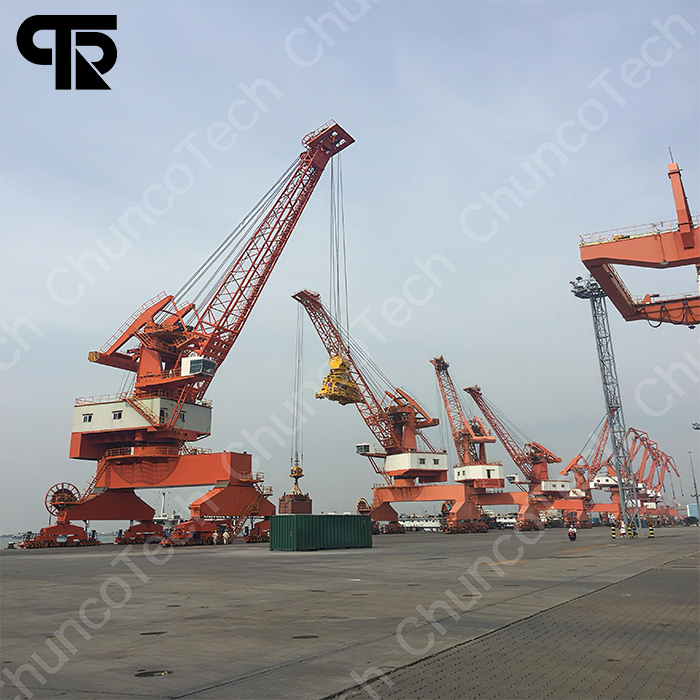
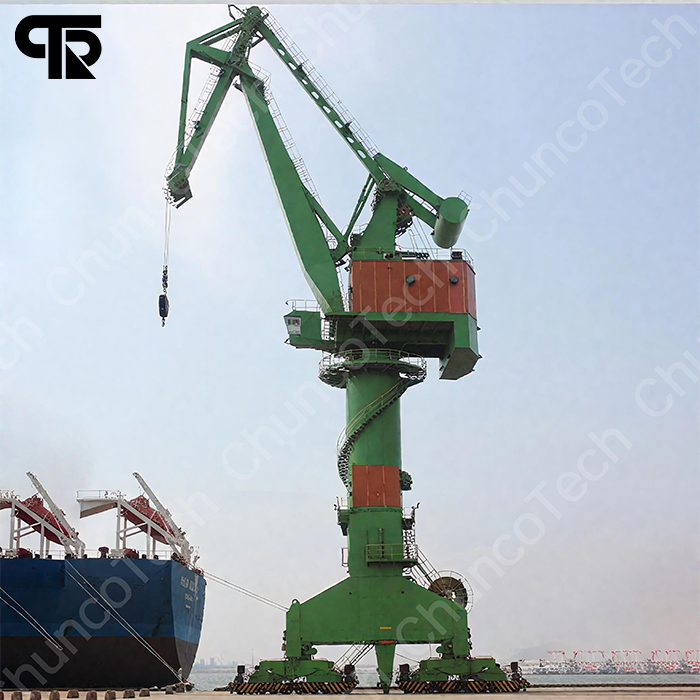
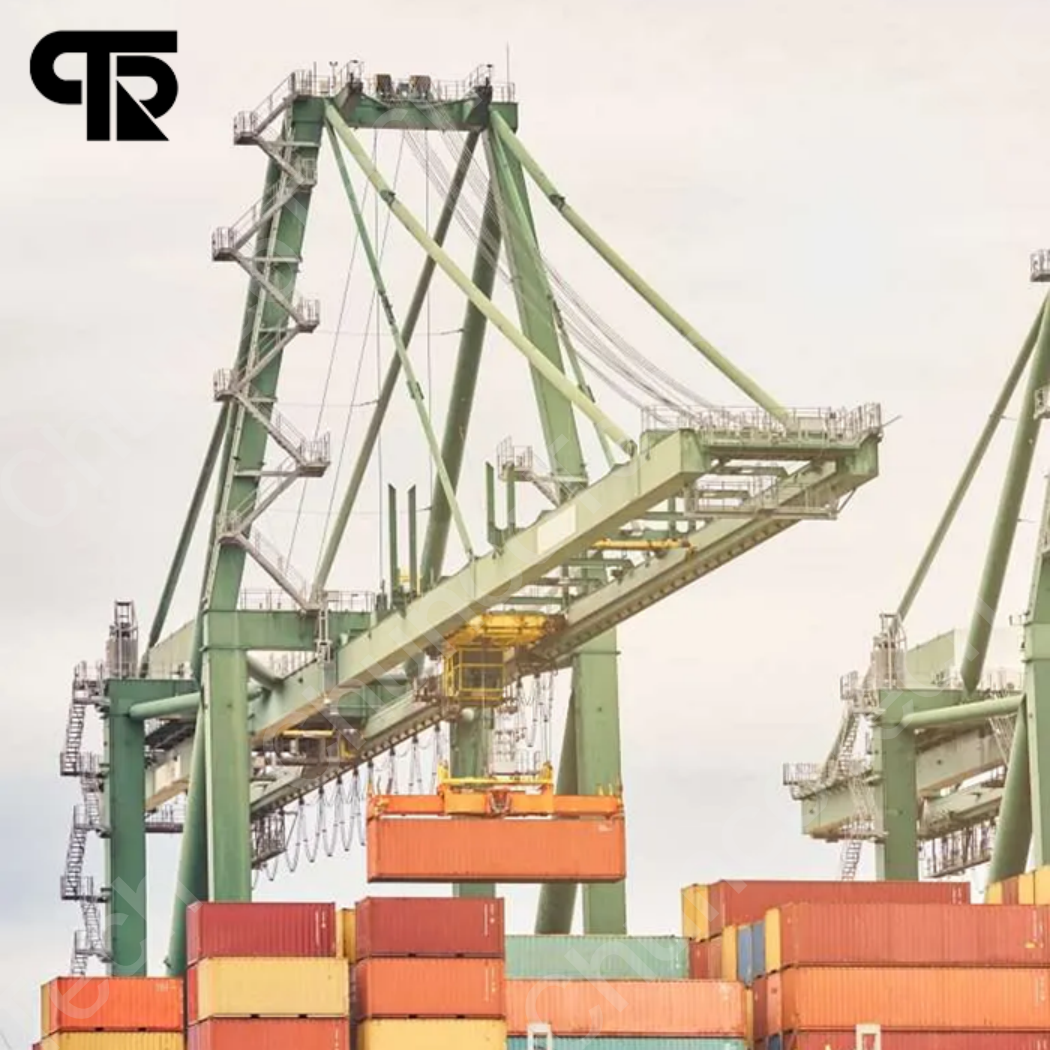
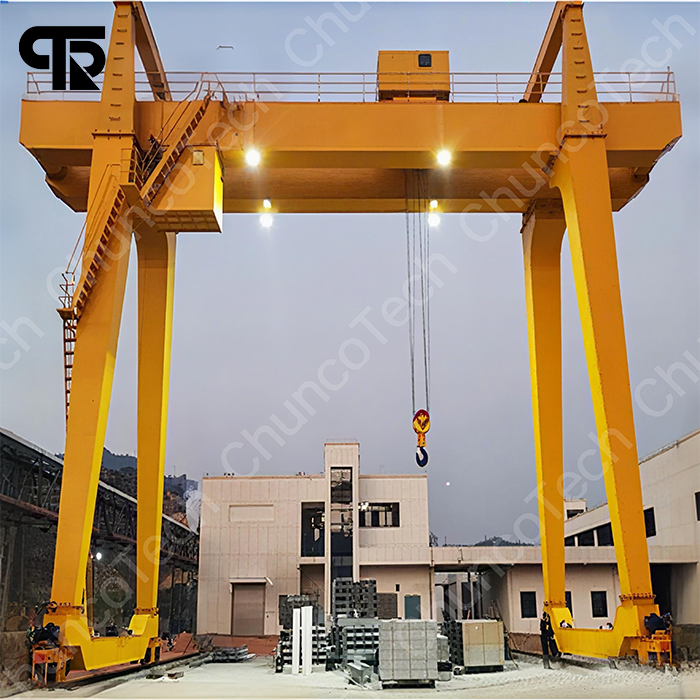
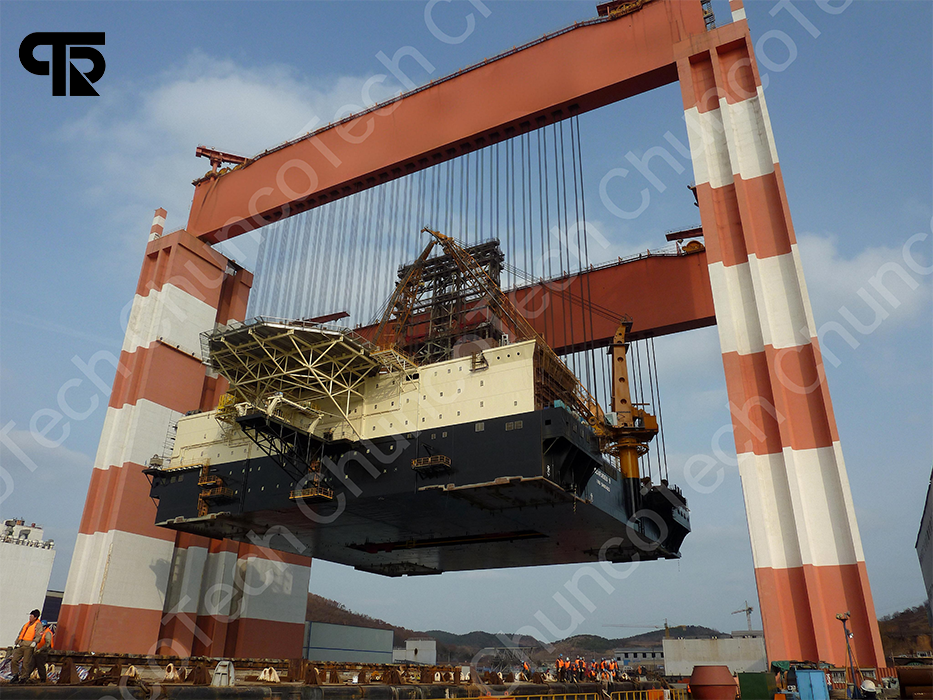
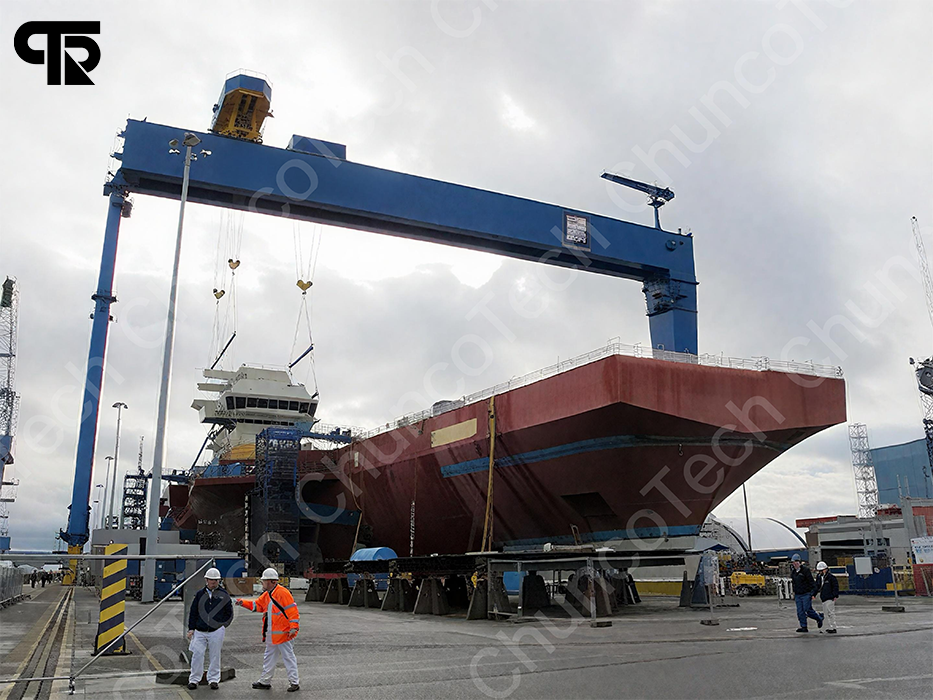
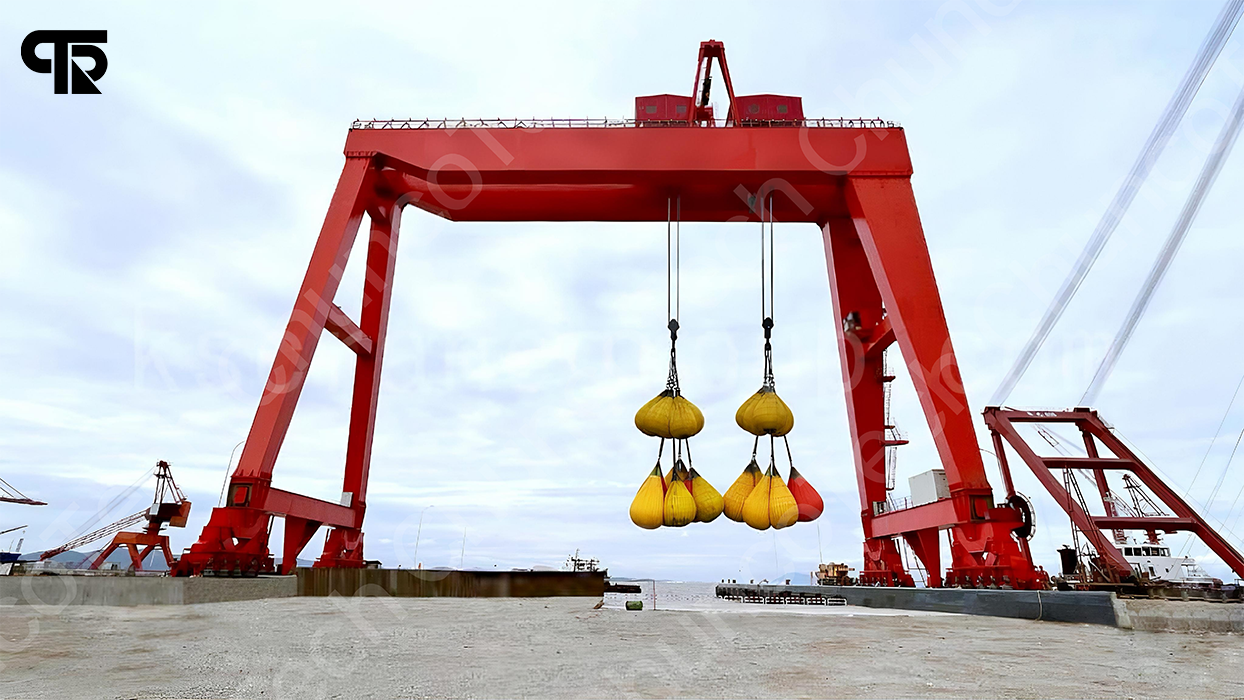
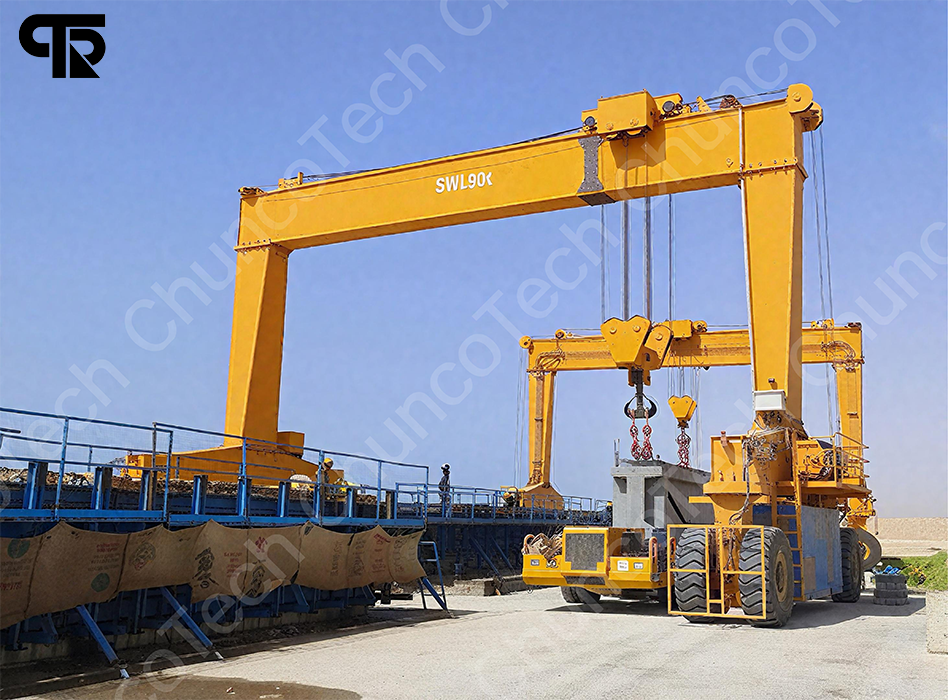
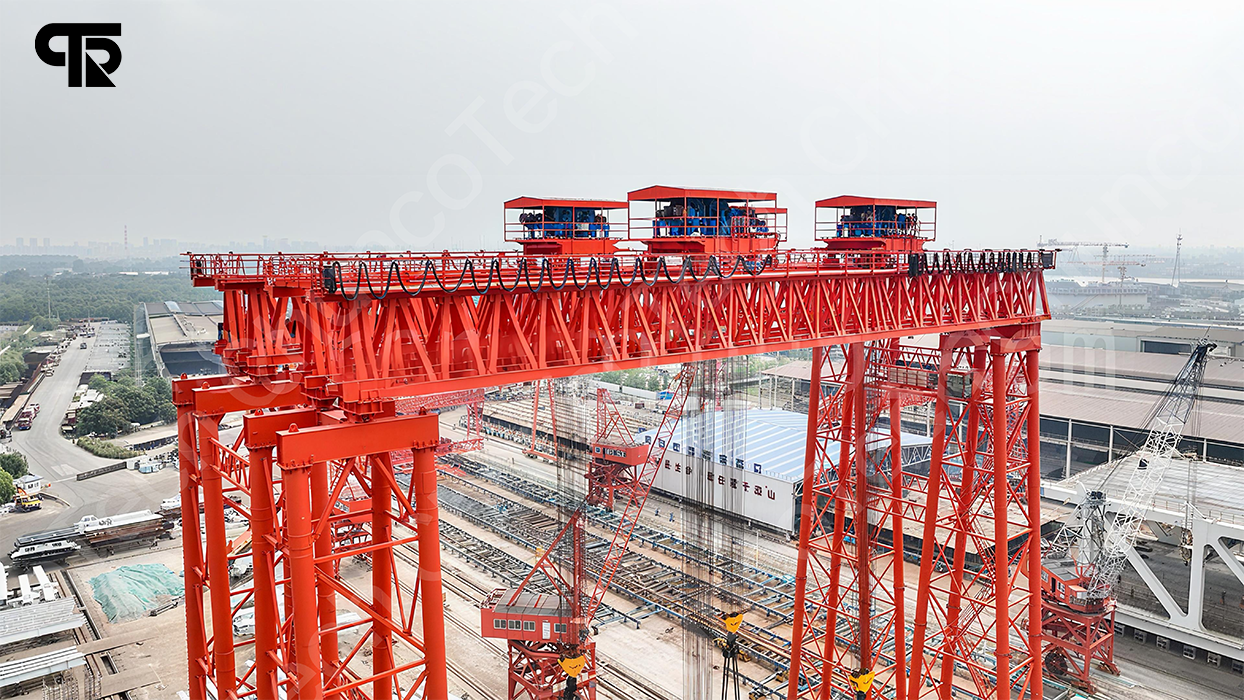
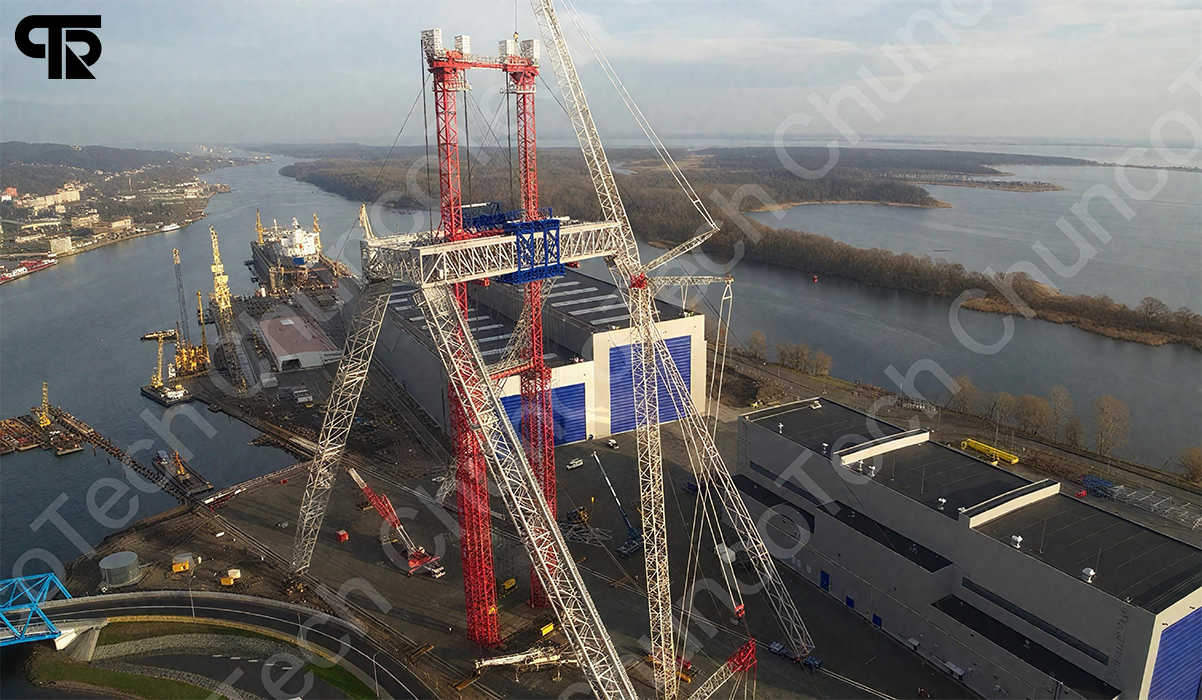
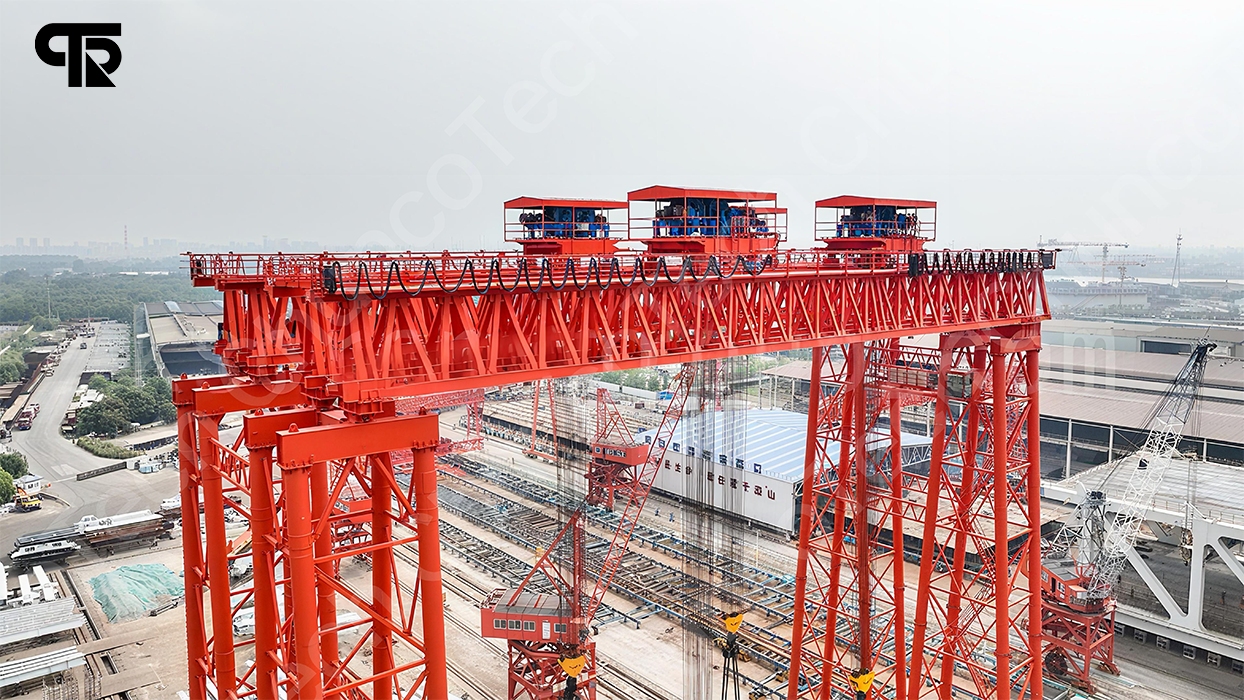
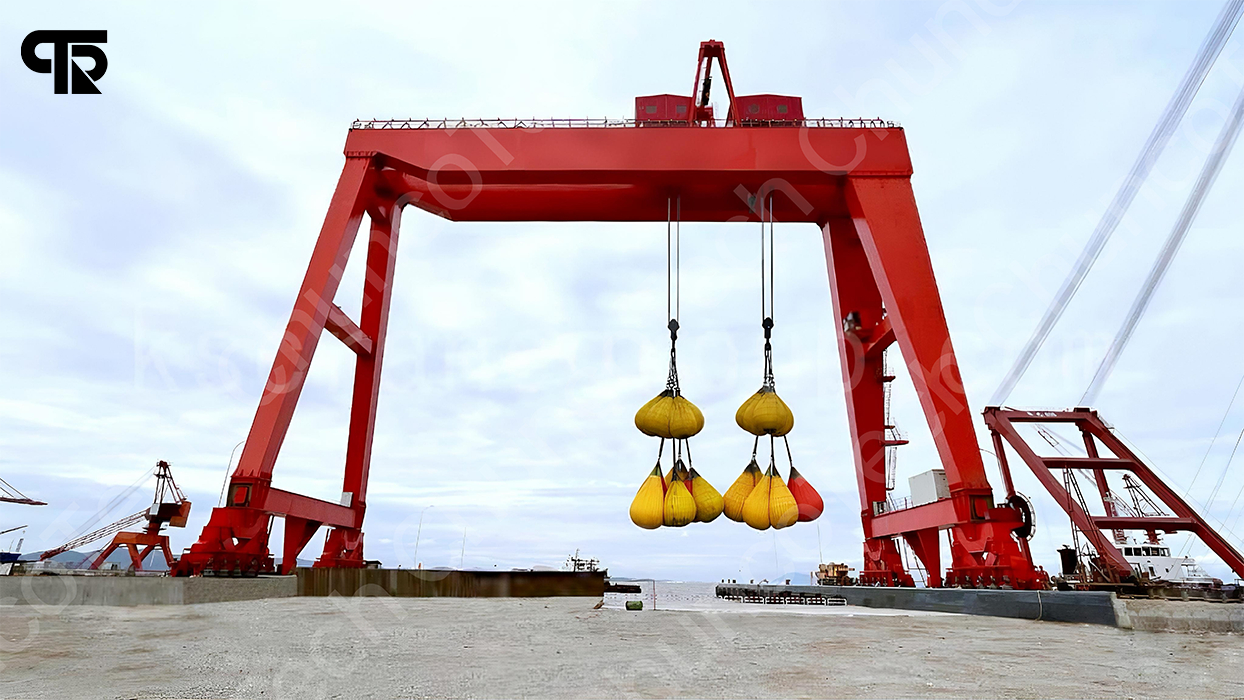
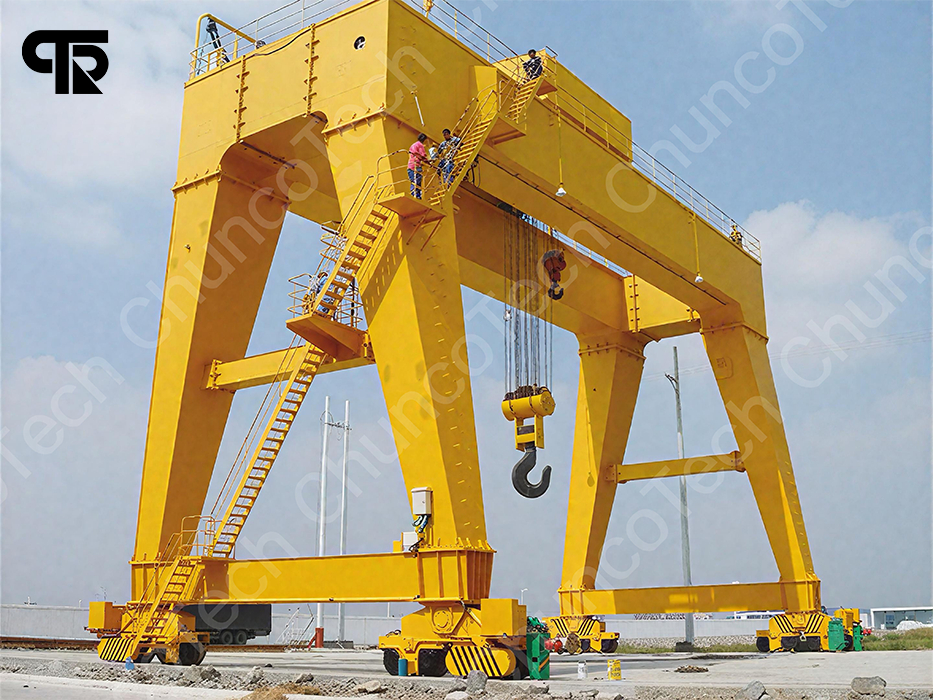
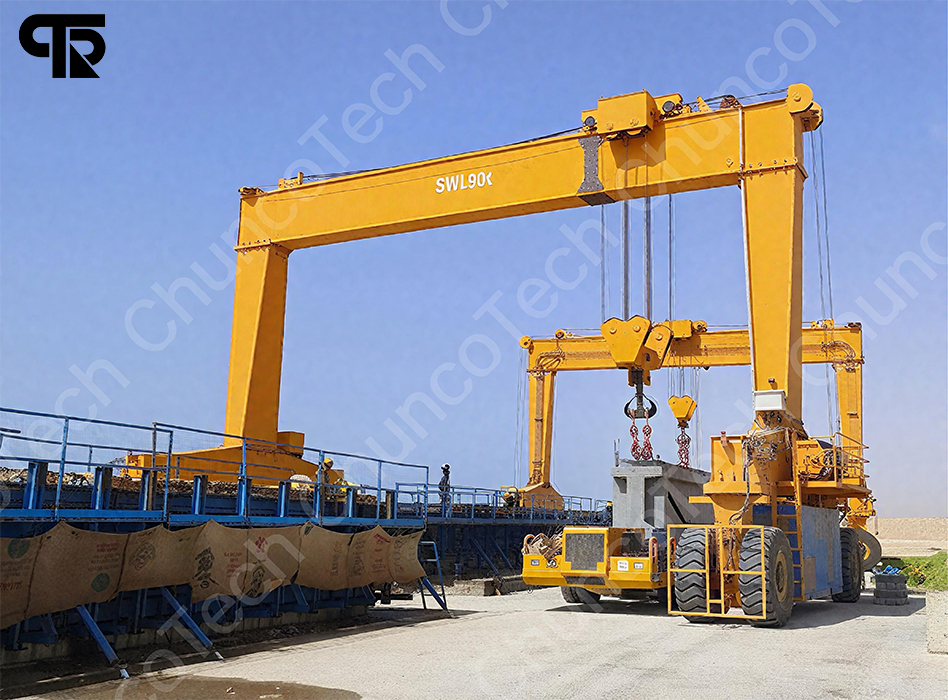
A Giant Gantry Crane is a large, heavy-duty industrial lifting equipment. Its horizontal bridge girder is mounted on two or more support legs, forming a stable gantry structure that runs along tracks laid on the ground. It is primarily used in open-air material yards, port terminals, shipyards, power stations, railway freight terminals, and heavy industrial manufacturing bases for handling bulk cargo (like containers, steel, precast components) and for precise installation of large equipment (such as ship sections, chemical modules, wind power components). Modern Giant Gantry Cranes are evolving towards modularity, ultra-high lifting capacity (up to 3000 tons), and extreme working heights to meet the lifting demands of mega-projects in industries like petrochemicals and offshore engineering, while significantly reducing site footprint and interference.
I. Product Features
The features of a Giant Gantry Crane form the foundation of its powerful capabilities, with designs focused on adapting to harsh industrial environments:
1.Heavy-Duty Structural Design:
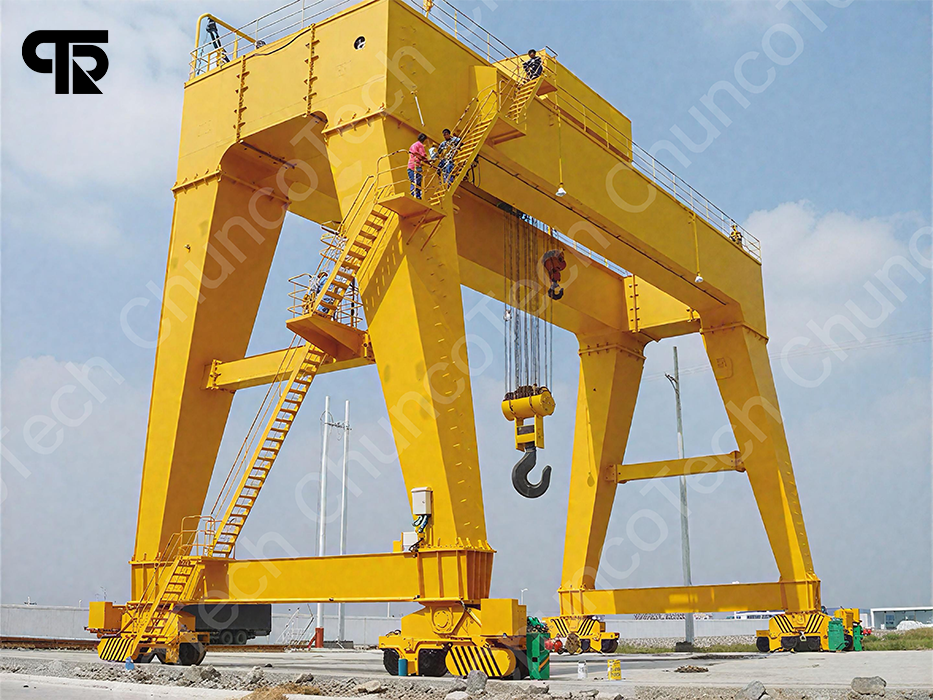
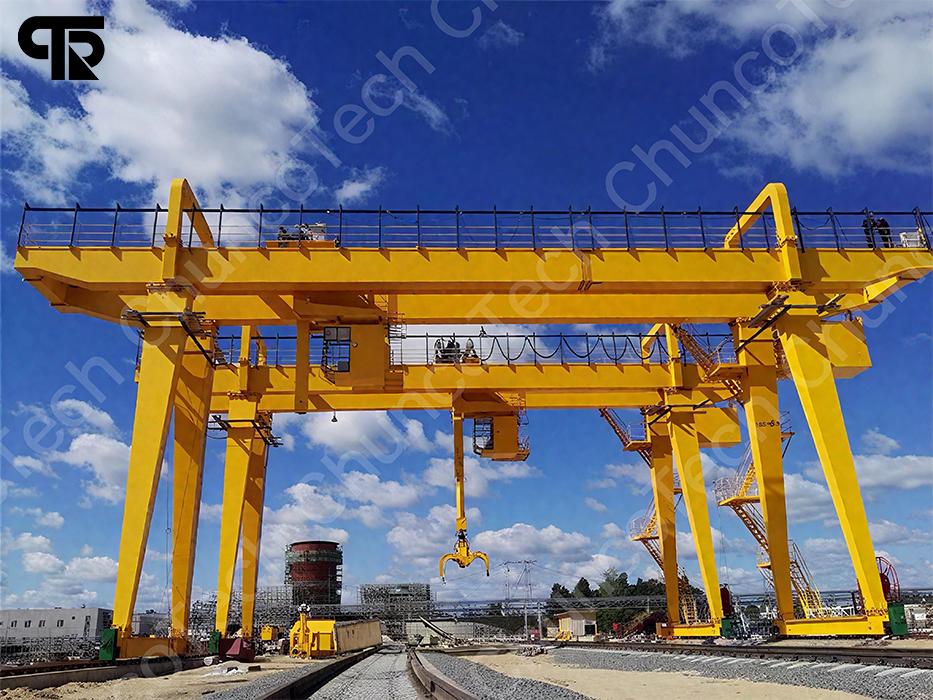
Utilizes box-type double girders or truss-type main girders, offering high structural rigidity to withstand extreme loads and wind pressure (e.g., up to 800 N/m² in non-operational conditions).
2.High-Performance Hoisting & Travel Systems:
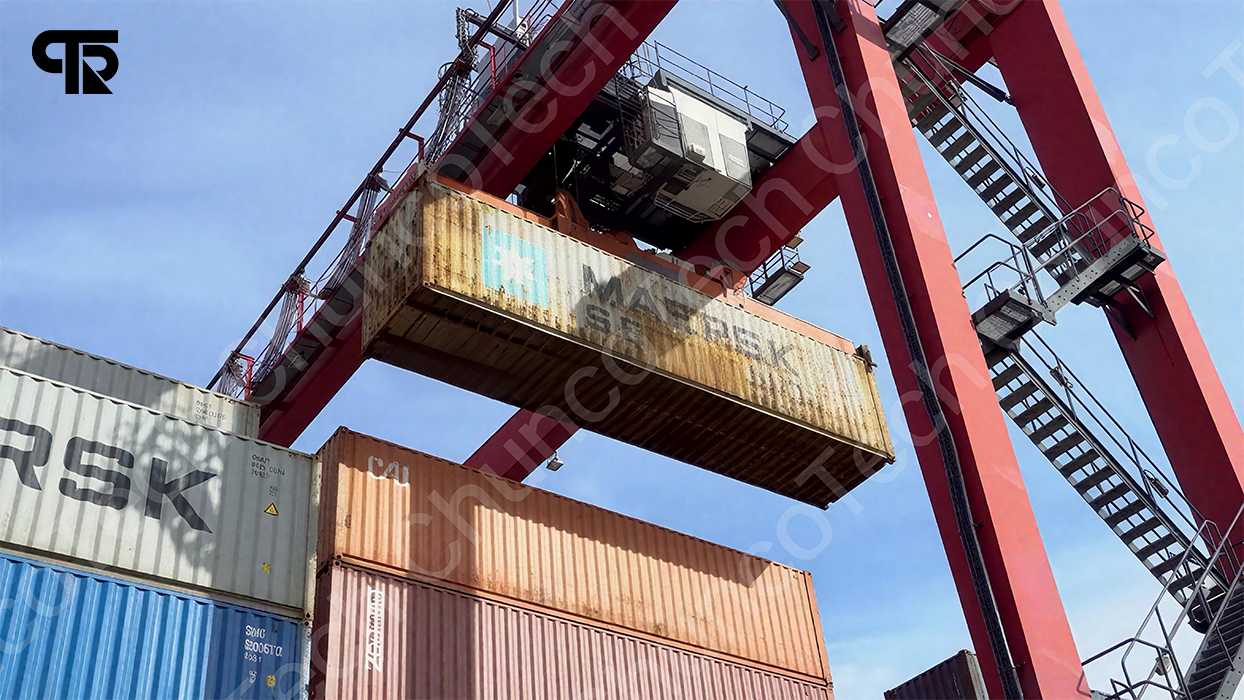
● Hoisting Mechanism: Equipped with high-power motors and multi-stage reduction systems. Offers a wide hoisting speed range (e.g., creep speeds as low as 0.1-0.5 m/min for precise installation) and enables twin-lift operationsto improve efficiency for handling containers.
● Travel Mechanism: The gantry (long) travel typically uses independent drivespaired with wind-resistant travel wheel assemblies, ensuring stable movement over long spans (exceeding 70 meters) and preventing crabbing.
3.Advanced Control & Safety Systems:
● Multiple Control Modes: Supports cabin control, remote control (radio), and can integrate Variable Voltage Variable Frequency (VVVF) drives for soft starts, smooth acceleration/deceleration, and stepless speed control, minimizing load swing and mechanical shock.
● Core Safety Devices: Standard fittings include overload limiters, height limiters, travel limit switches, and rail clamps (wind brakes). Some models also feature moment limiters and real-time load indicators for comprehensive operational safety.
4.Robust Environmental Adaptability:
● Wide Temperature Range & High Protection: Designed for broad operating temperatures (e.g., -45°C to +45°C) with high Ingress Protection (IP) ratings for electrical components, suitable for port operations and outdoor heavy material handling in extreme climates.
● Customizable Design: Can be tailored with single cantilever, double cantilever, or no-cantilever girder designs based on site-specific rail specifications (e.g., P43, P50, QU70, QU80 rails) and headroom requirements to maximize coverage.
II. Product Advantages
Choosing a Giant Gantry Crane delivers the following key operational advantages:
1.Superior Operational Efficiency & Cost-Effectiveness: The combination of high lifting capacity (from tens to thousands of tons) with fast hoisting and travel speeds significantly reduces ship turnaround time at ports and material handling cycles in plants, directly boosting port throughput and production line efficiency.
2.Top-Tier Reliability & Low Maintenance Costs: Employing internationally renowned core components (e.g., Siemens motors, Schneider electrics) combined with precise rail and wheel alignment techniques effectively prevents issues like "rail grinding," thereby extending the service life of critical parts like wheels and rails and reducing long-term maintenance expenses.
3.Excellent Operational Safety & Stability: Comprehensive mechanical and electrical safety systems, coupled with a robust metal structure and anti-crabbing design from independent drives, ensure stability even during strong winds (equipped with anemometers) or when handling long/overweight loads, providing reliable protection for personnel and equipment below.
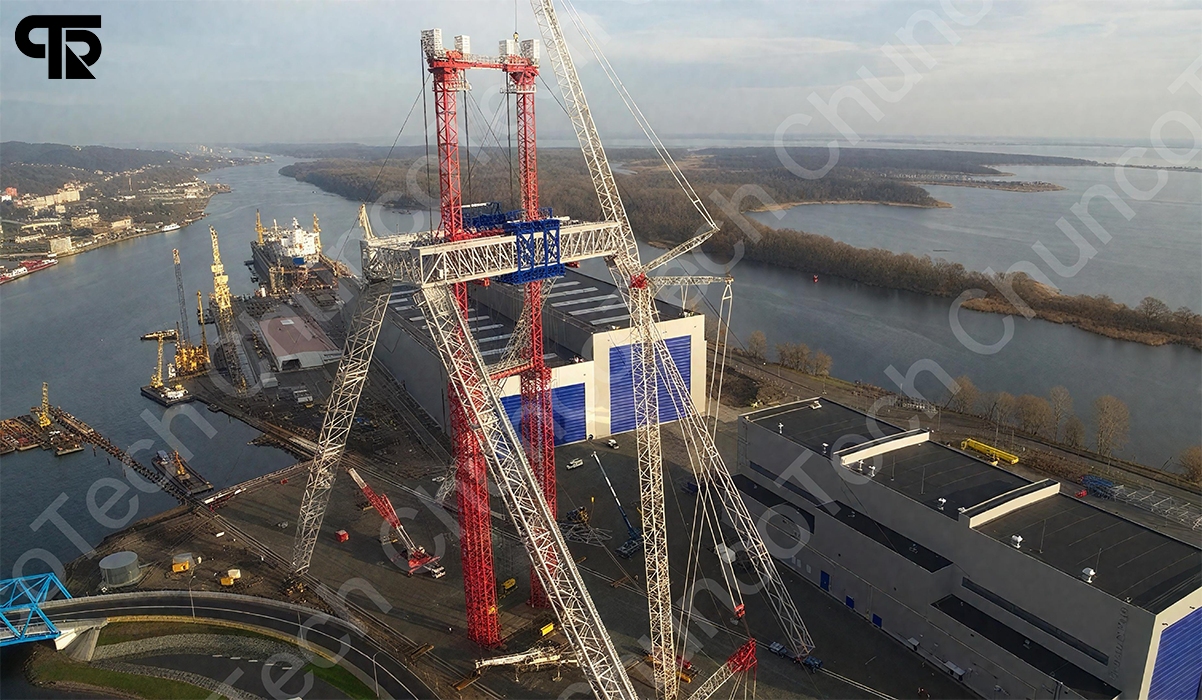
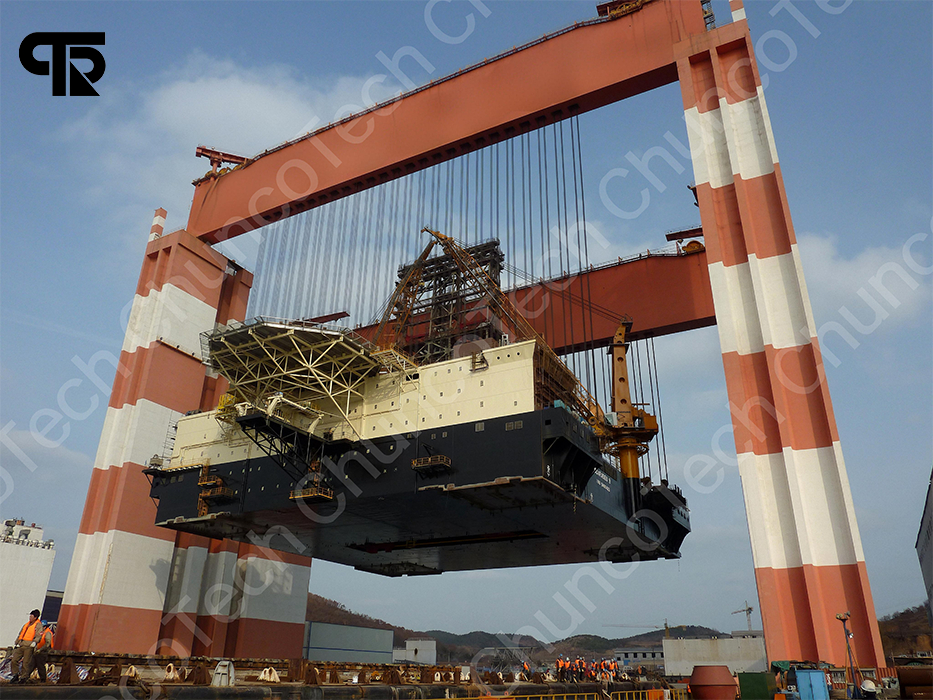
4.Flexible Modularity & Scalability: Advanced modular gantry crane systems can perform ultra-high/heavy lifts without extensive guy lines, causing minimal site disruption. They are ideal for heavy lifting services in confined spaces like petrochemical plant construction or large equipment installation sites.
5.Optimized Long-Term ROI: While the initial investment is substantial, its extended service life, high duty cycle design (e.g., Class A6, A7), and low failure rate ensure lower total cost of ownership and a higher return on investment over its lifecycle.
III. Application
Giant Gantry Cranes are core equipment in the following critical sectors:
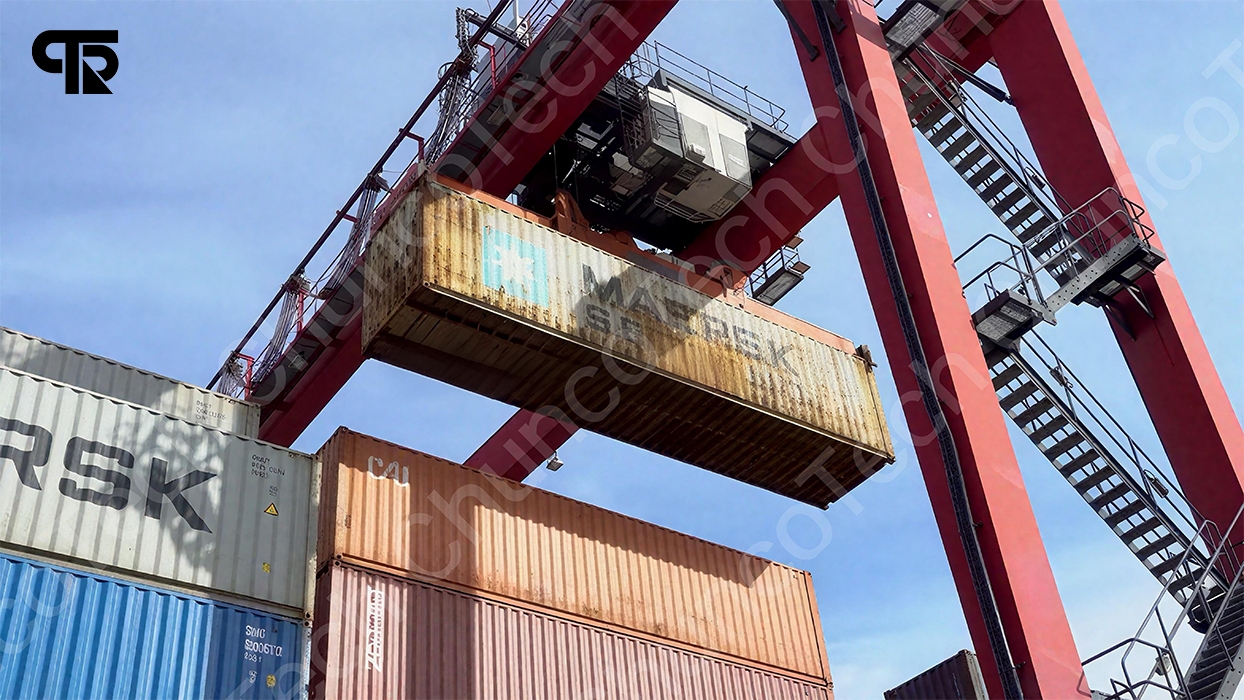
1.Ports, Terminals & Logistics Yards: For container handling, stacking, and bulk material grabbing/transport, essential for enhancing automated container terminal efficiency.
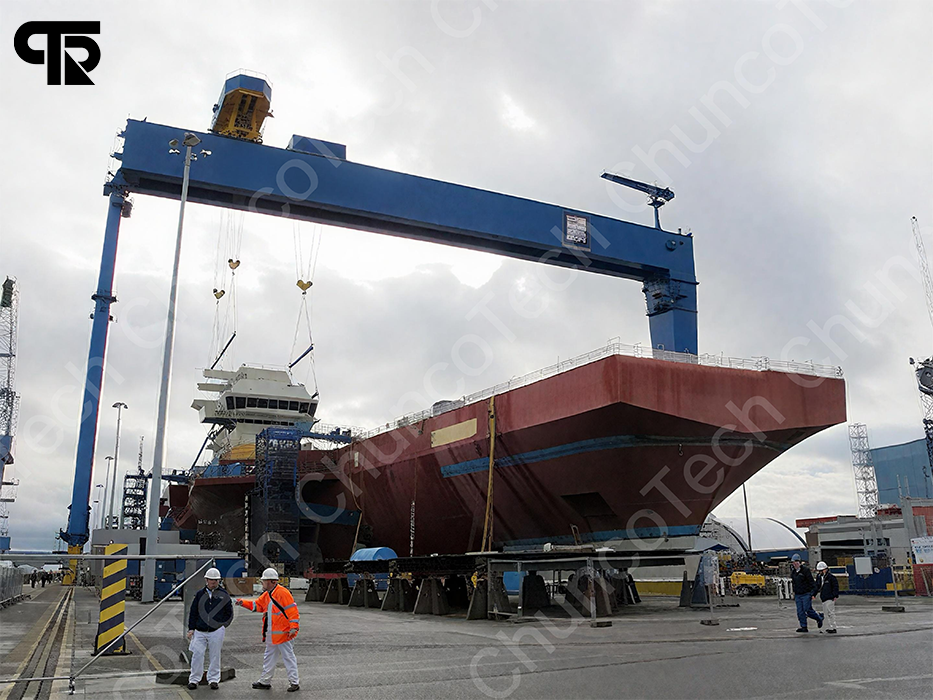
2.Heavy Industry & Manufacturing: Used in steel plants and special steel divisions for raw material and finished product handling, and in shipyards for hull block assembly, turning, and outfitting.
3.Large-Scale Infrastructure Projects: Executes heavy, precise lifts for hydropower dam construction, bridge precast segment installation, and modular chemical plant construction.
4.Energy & Power Sector: For equipment maintenance in thermal power plants and on-site installation/maintenance of wind turbine components.
IV. Information Required for Purchase
To ensure an accurate configuration proposal and quotation, please prepare the following details:
1.Basic Operational Parameters: Required rated capacity (tons), maximum lifting height (meters), effective span (meters), and intended duty cycle (e.g., FEM/ISO Class A5, A6, A7).
2.Site & Infrastructure Information: Installation site rail type/specification, rail gauge, power supply voltage/frequency (e.g., 380V/50Hz), and environmental conditions (indoor/outdoor, temperature range, max wind speed).
3.Specific Usage Requirements: Primary type of cargo to be handled (e.g., containers, bulk, plates), special needs for operating speeds and control modes(cabin/remote), and whether a cantilever is needed.
4.Compliance & Certification Requirements: Whether the project requires supplier provision of valid (Special Equipment Manufacturing License - Grade B or above), product certificates, third-party load test reports, or proof of compliance with specific international standards (e.g., European safety norms).
5.Service & Commercial Terms: Desired delivery lead time, warranty period(typically 12-18 months), payment terms, and need for installation supervision or overseas engineer services.
V.Purchase&After-sales Support
Procurement process
1.Sign Quotation&TA & PI&SC
2.Production Drawing confirmation (3Dmodels and Key Drawings)
3.Actual production begin
4.Production process following up and report
5.Factory Assemble &testing (inviting clients to attend in advance)
6.Packing &delivery
7.At end user’s site installation , commissioning &training
8.After sales service
After-sales assembly service
To ensure the safe and efficient commissioning of the equipment, our company hereby provides professional after-sales assembly guidance services, with detailed terms as follows:
1. Service Basis and Scope
Our company will classify service levels and determine the duration of free on-site guidance and installation services based on the model and overall weight of the ship crane. The free service period is 3–5 working days for small-sized cranes, 5–7 working days for medium-sized ones, and 7–15 working days for large and extra-large models, with the specific terms subject to the sales contract signed by both parties. The service scope covers full-process assembly guidance including on-board equipment positioning, component assembly and commissioning, safety device calibration, and operation procedure training.
2. Pre-service Requirements
The customer shall complete the preparation of on-site construction conditions prior to the agreed service time, including the positioning of lifting equipment, clearing of the operation site, and preparation of supporting auxiliary materials (such as fasteners and seals). Meanwhile, the customer shall provide the relevant ship technical drawings and on-site coordinating personnel required for the operation to ensure the smooth progress of the assembly work.
3. Charging Standard for Extended Service Period
If the service duration exceeds the free quota due to non-our-fault reasons such as the customer’s substandard on-site conditions or inadequate coordination, the excess part will be charged at a technical service fee of 200 USD per person per working day, and the travel, accommodation and catering expenses shall be borne by the customer separately.
4. Service Guarantee and Commitment
The technical personnel dispatched by our company all hold qualifications for ship crane assembly and have rich practical experience. The service process strictly complies with international ship equipment installation specifications and our company’s quality standards.
VI.Design Standard
•Electrical equipment and electronic components meet EMC and interference emission requirements per GB 17799.4-2022.
•Crane wind load calculation follows GB/T 3811-2008/1S0 4302:2016.
•Enclosure protection level (against hazardous contact,solid intrusion,and water ingress) is determined by GB/T4208-2017/EC60529 (instalation location-dependent),minimum lP55.
•Hazardous components feature color coding per GB 15052-2010/1$0 13200:1995.
VII.FAQ
Q1: What should I focus on besides price when evaluating suppliers?
A1:Beyond price, safety records & compliance certifications, the brand and quality of core components, the supplier's company history and project portfolio, and the terms of after-sales warranty and technical support are critical. Prioritize solutions offering long-term reliability and lower total operational cost, not just the lowest initial purchase price.
Q2: How can I verify the actual quality of a gantry crane?
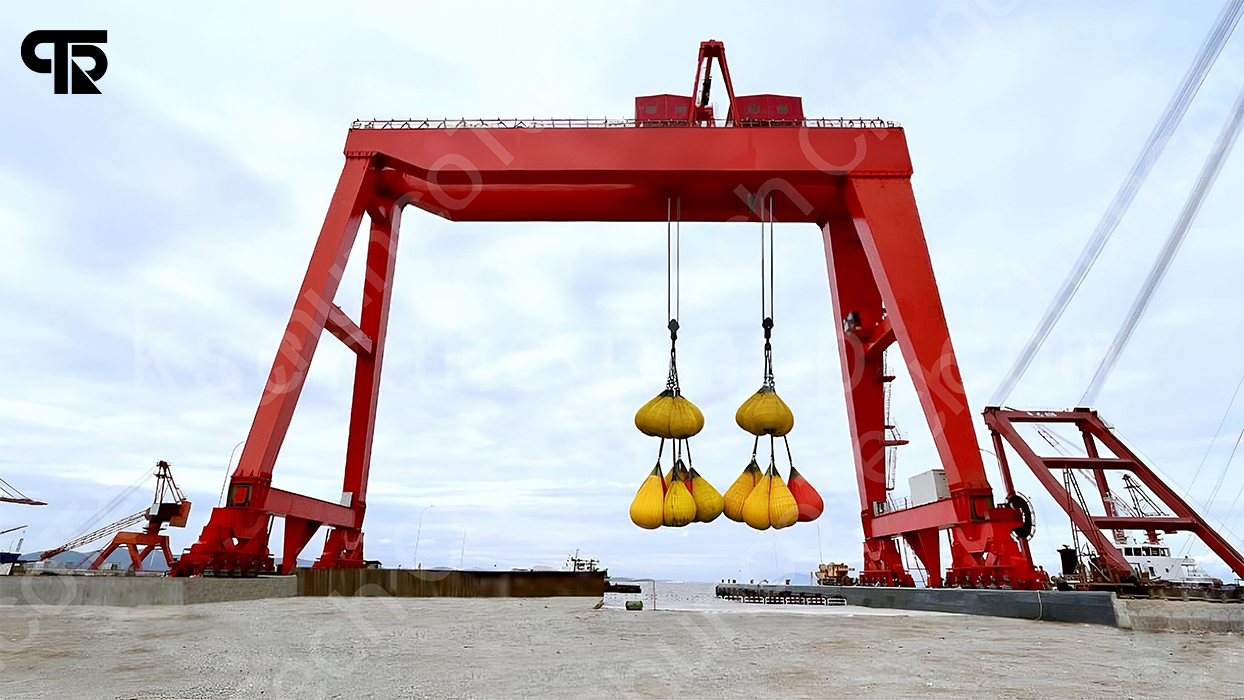
A2:You can verify quality through: ① Online verification of the supplier's official website for credentials and case studies; ② Conducting a factory audit if possible, to inspect materials, workmanship, and completed units; ③ Requesting video or reports of full-load and dynamic load tests before shipment; ④ For large orders, hiring a third-party inspection agency for pre-shipment inspection.
Q3:Why is regular maintenance necessary for cranes, and what are the key focus areas?
A3:Regular maintenance is essential for safety and longevity. Key areas include inspecting brakes on hoisting/travel mechanisms, checking wire rope for wear, ensuring electrical connections are secure, and periodically aligning rails and wheels to prevent "rail grinding," which causes premature wear and can lead to accidents.
Q4: What key documents and physical items need checking during on-site acceptance after delivery?
A4:For documents: Ensure you receive the Product Certificate,Special Equipment Manufacturing License, Quality Certificates for major components, Operation & Maintenance Manual, and complete drawing set. Physically: Check components against the packing list, inspect the structure for obvious deformation or weld defects, and conduct no-load and load test runs to verify all functions and safety devices work correctly.
Q5: What causes "rail grinding" in cranes, and how can it be prevented?
A5:"Rail grinding" occurs when the wheel flanges severely rub against the rail sides. Main causes include improperly aligned or gauged rails, incorrect parallelism or vertical alignment of wheels, and uneven drive synchronization between sides. Prevention focuses on ensuring high precision in rail installation and wheel set alignment and maintaining clean rails with regular inspections and adjustments.
Q6: Are there specialized solutions for unconventional, super-heavy lifts?
A6:Yes. For ultra-heavy (1000+ ton) and ultra-high lifting projects, such as installing petrochemical reactors or offshore platform modules, specialized modular heavy gantry crane systems are available. These systems offer extreme capacity (up to 3000 tons), working heights over 120 meters, and require minimal stabilizing guy lines, drastically reducing impact on surrounding work areas. They are the ideal choice for safe and efficient lifting of mega-structures.
Certificate