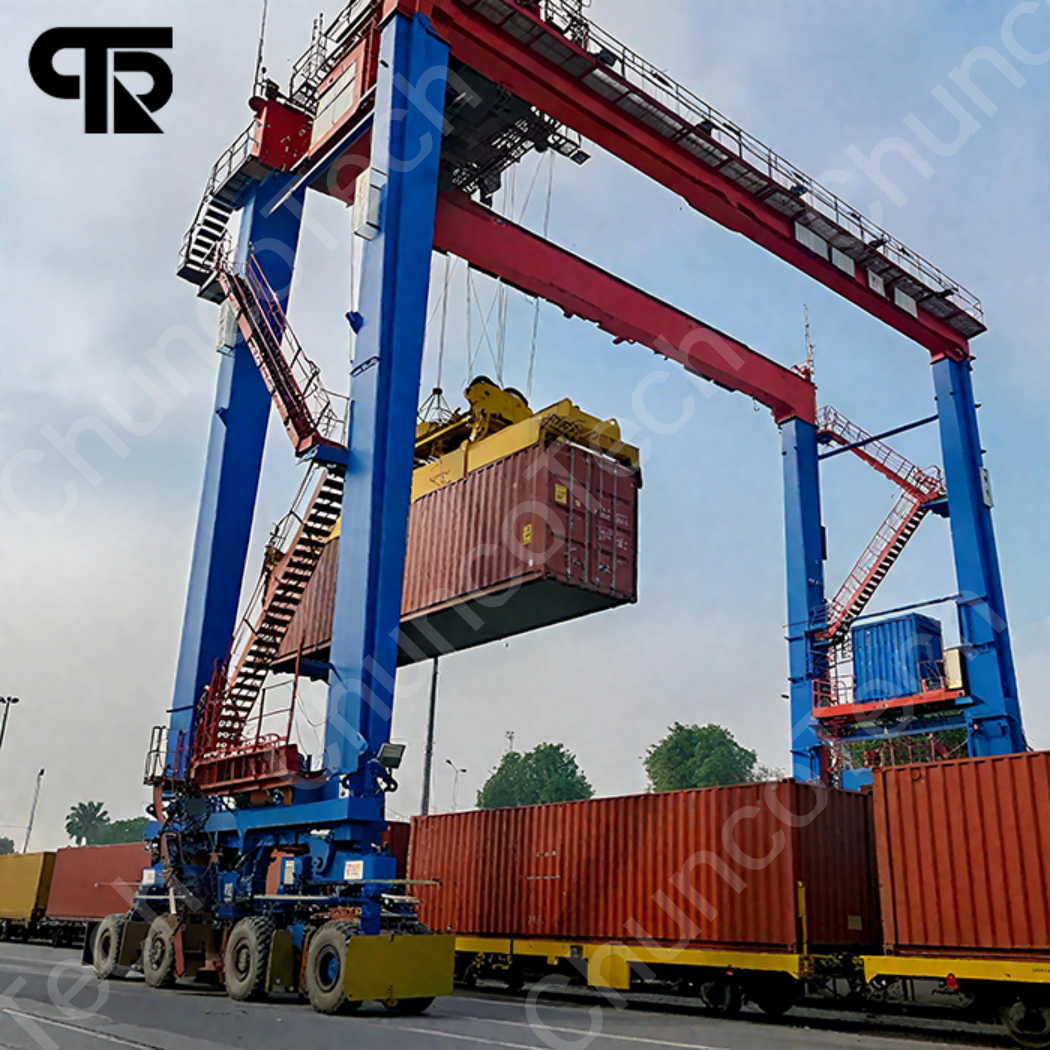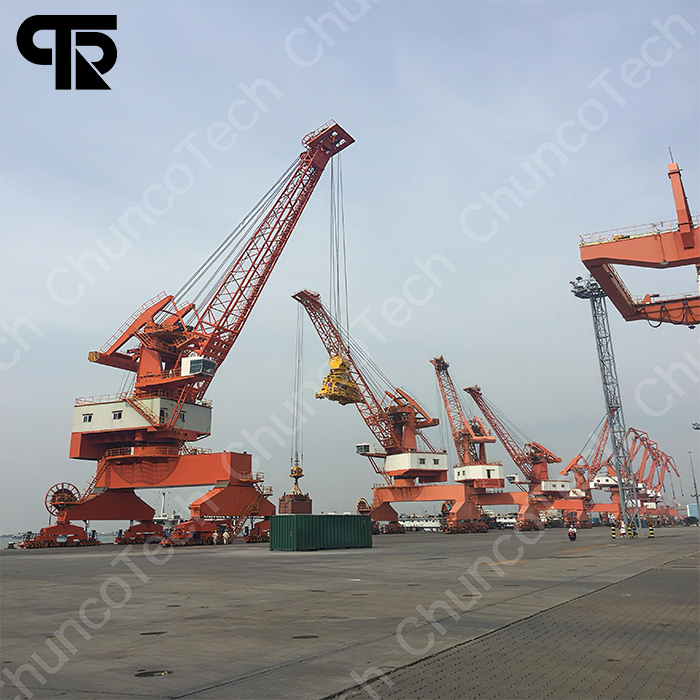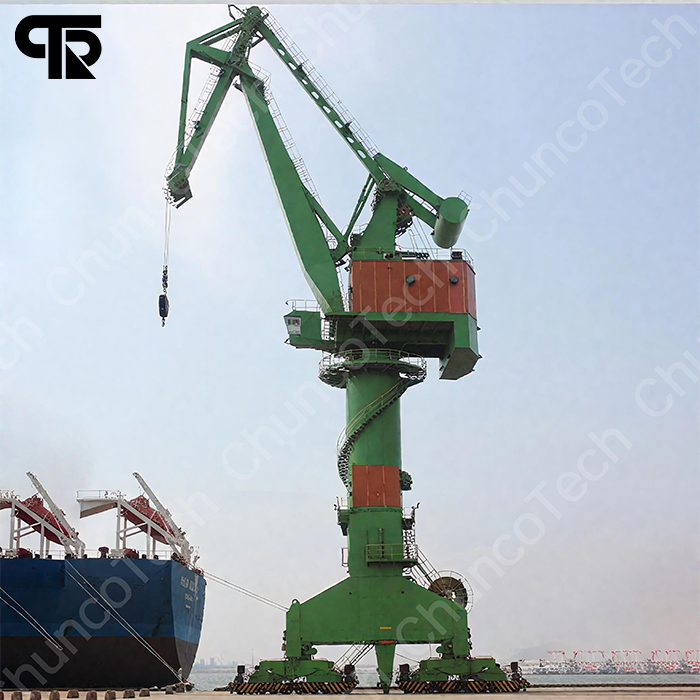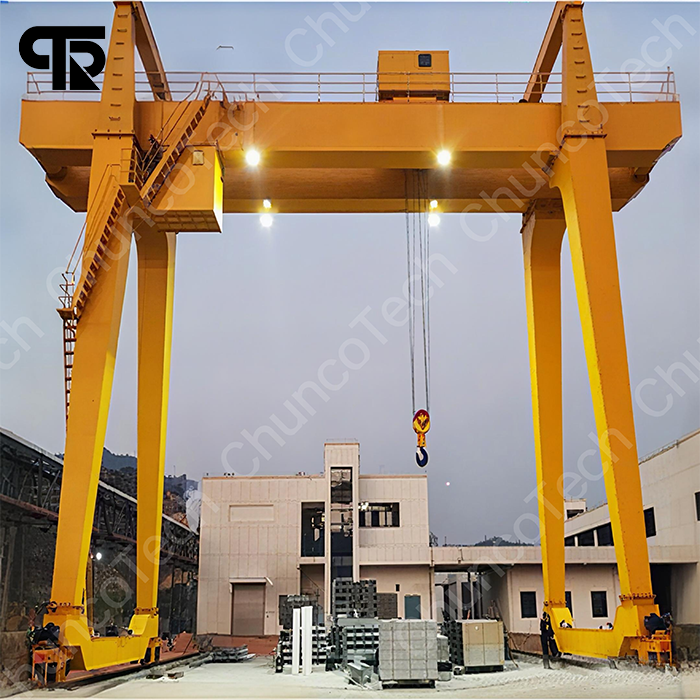
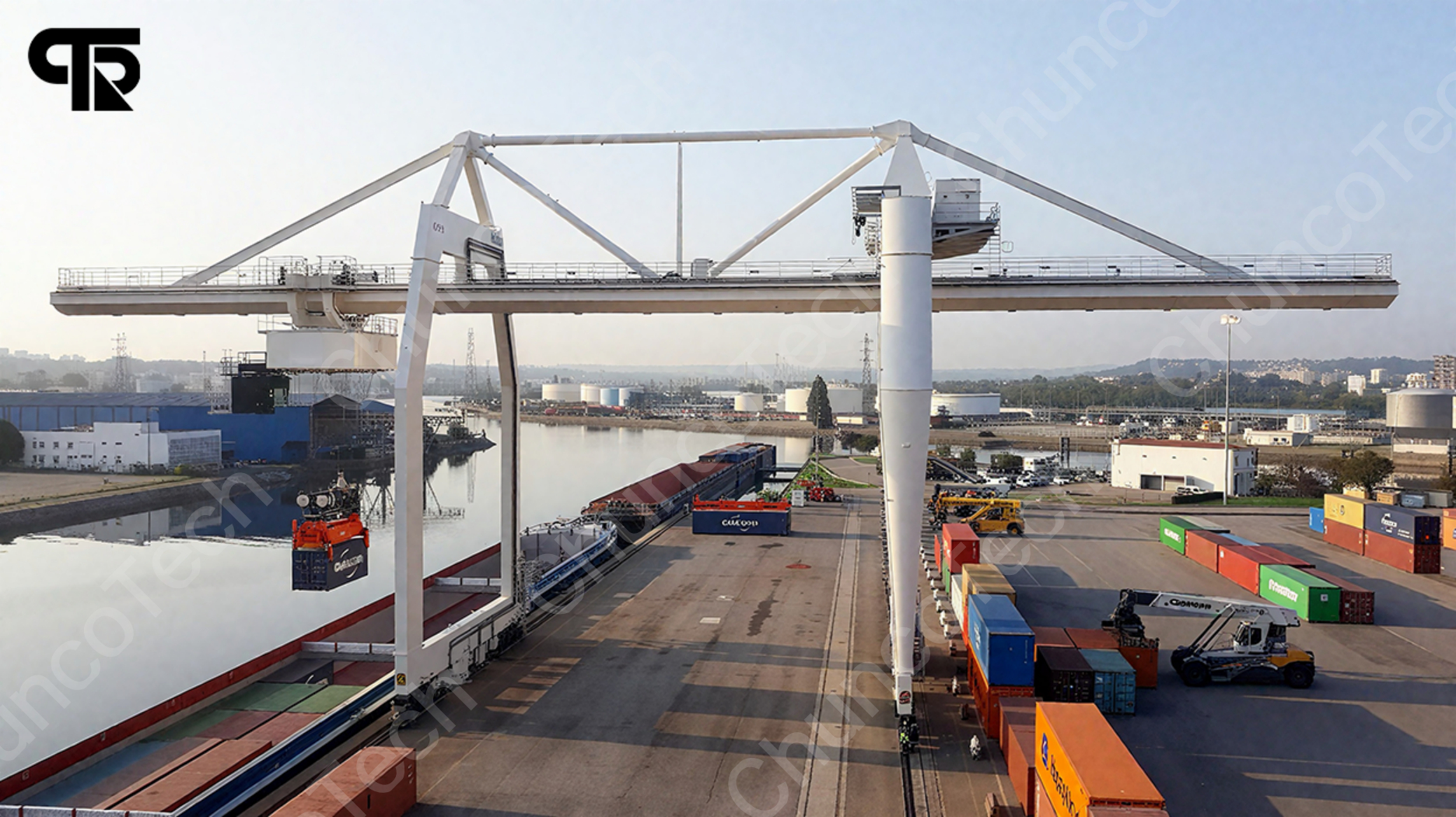
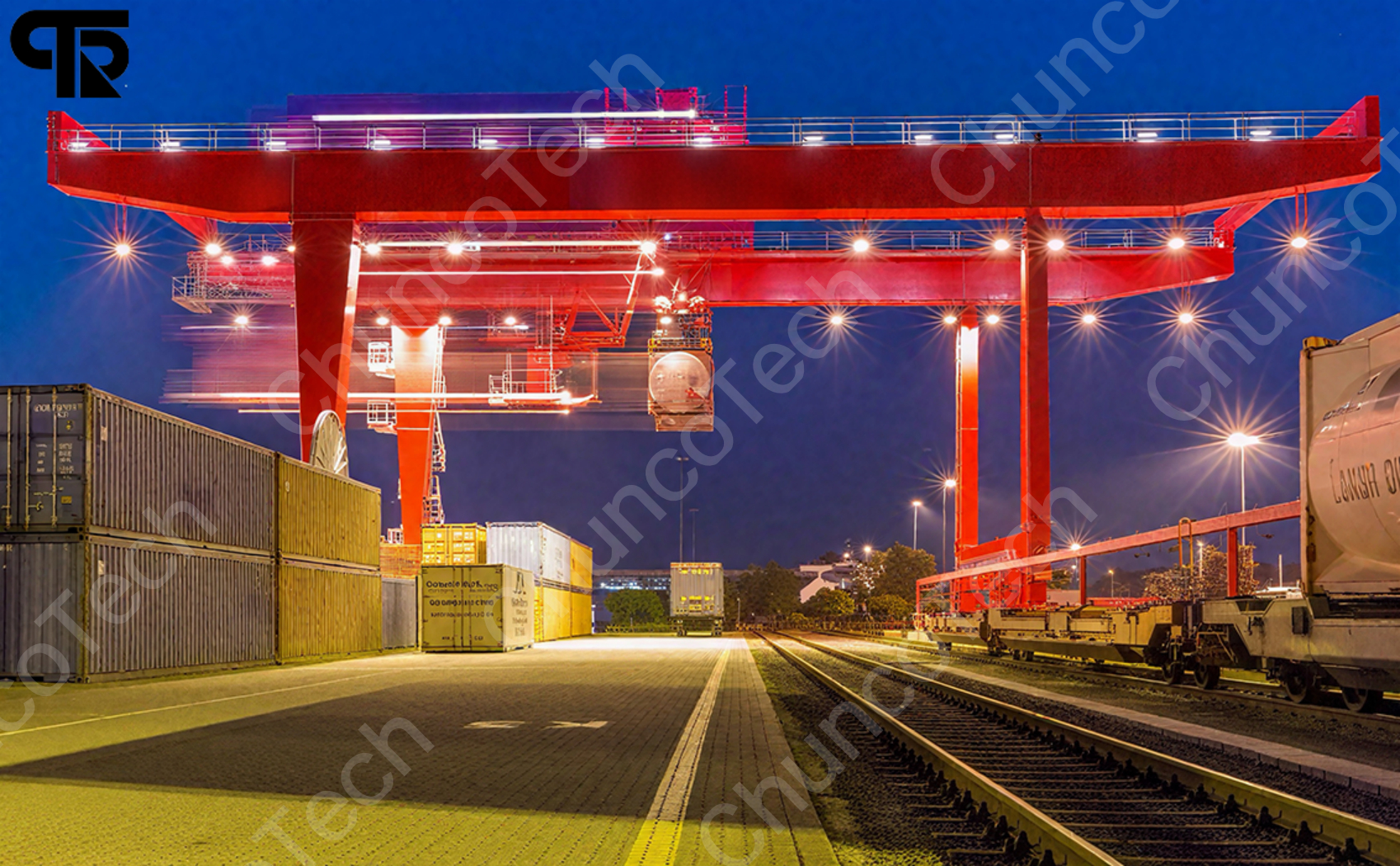
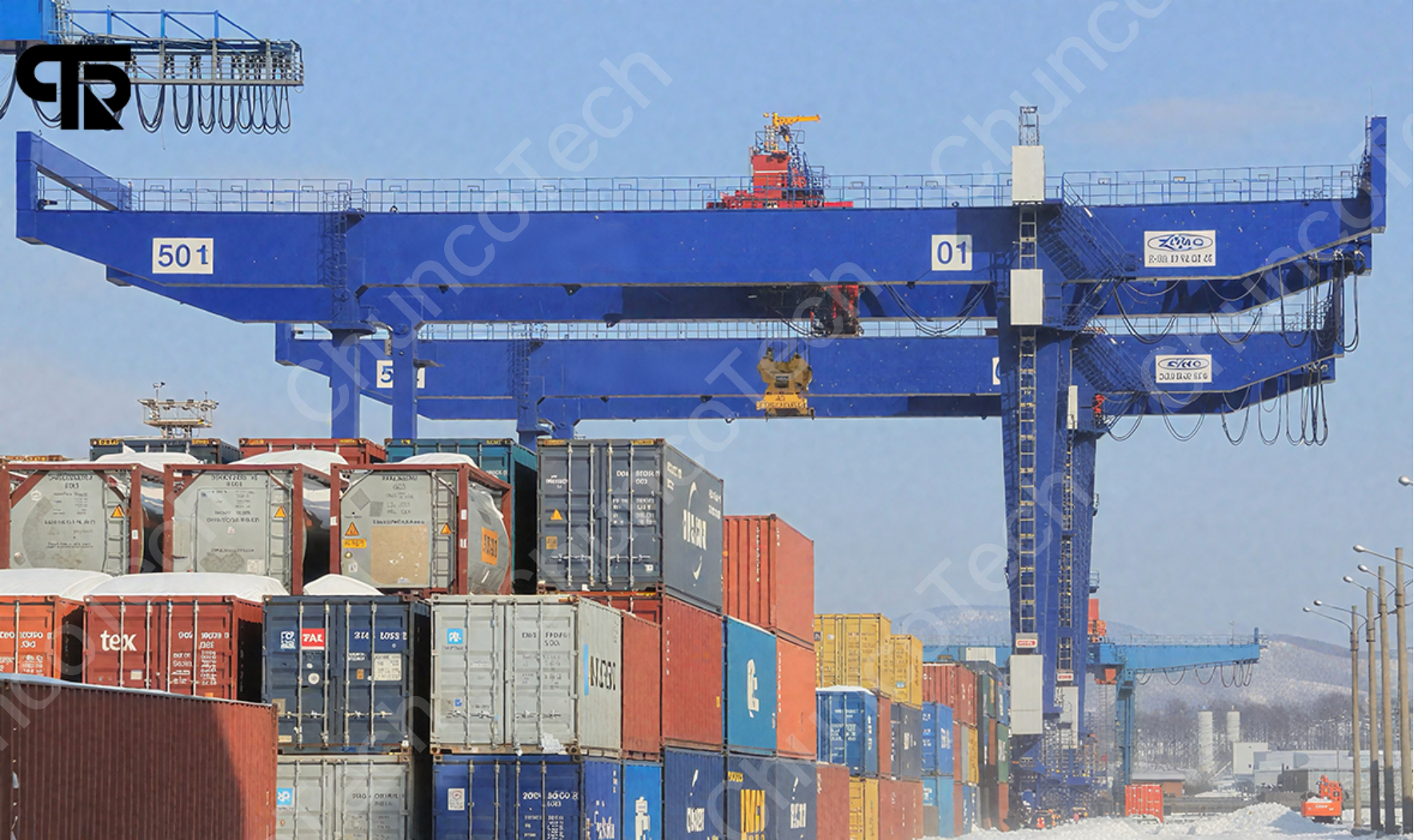
RMG Crane (Rail-Mounted Gantry Crane)
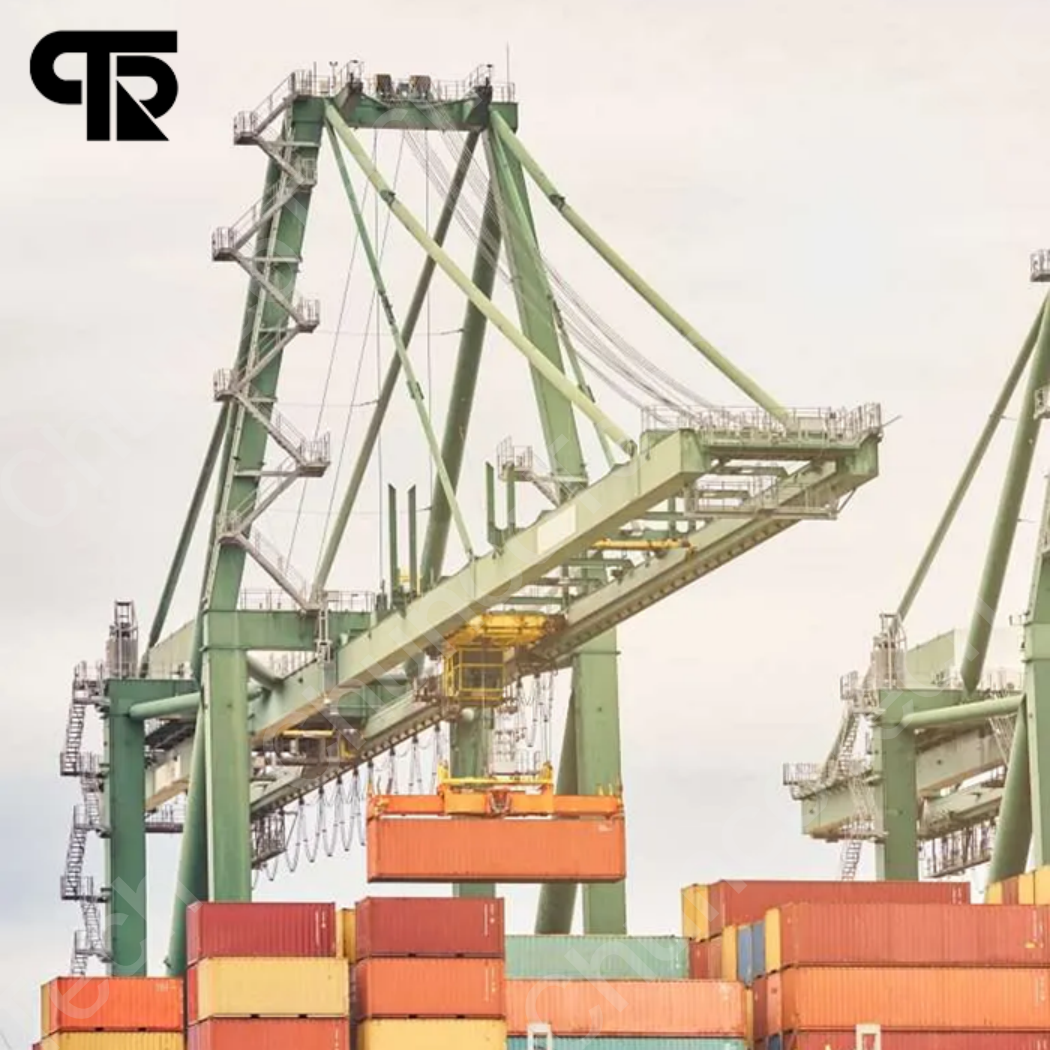
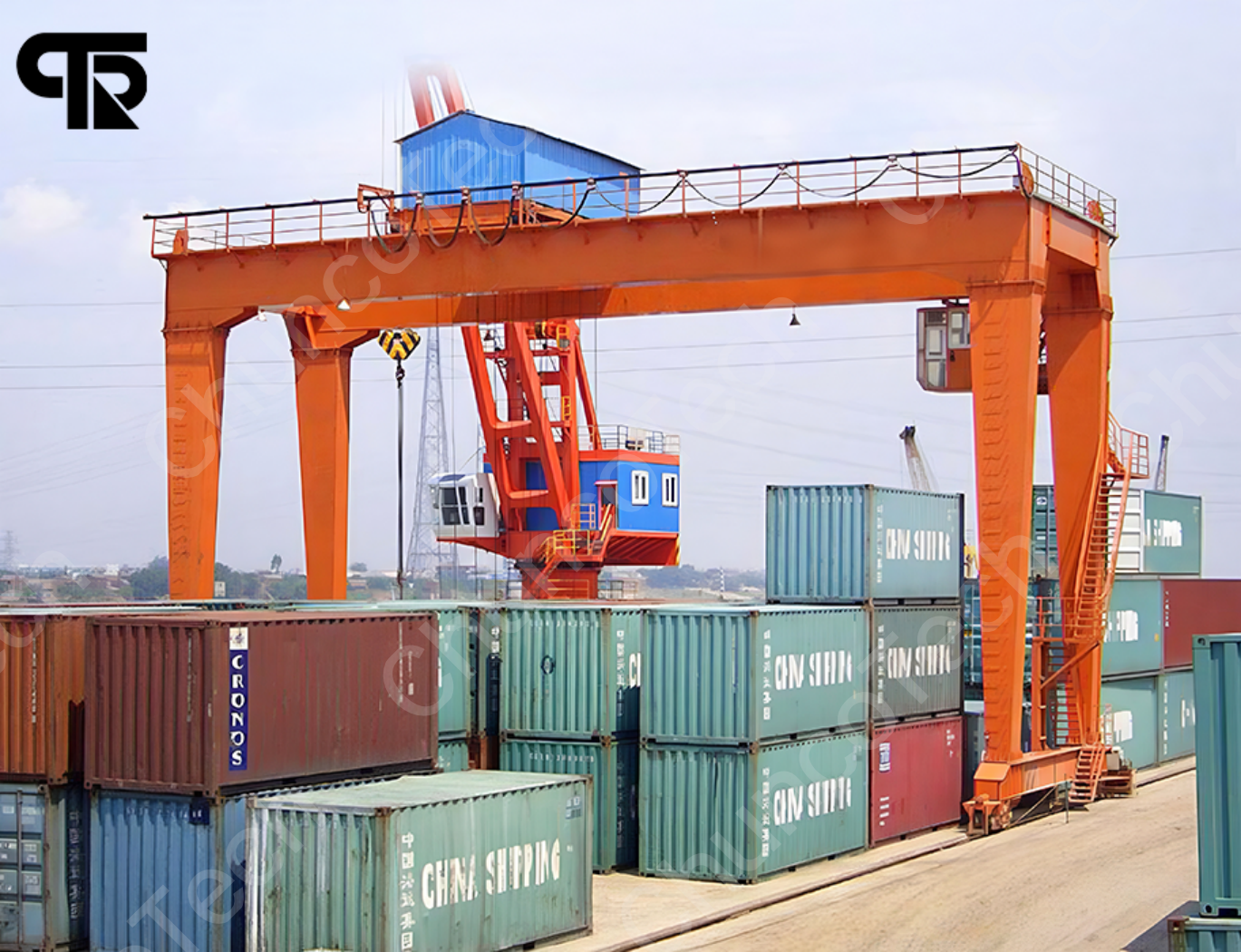
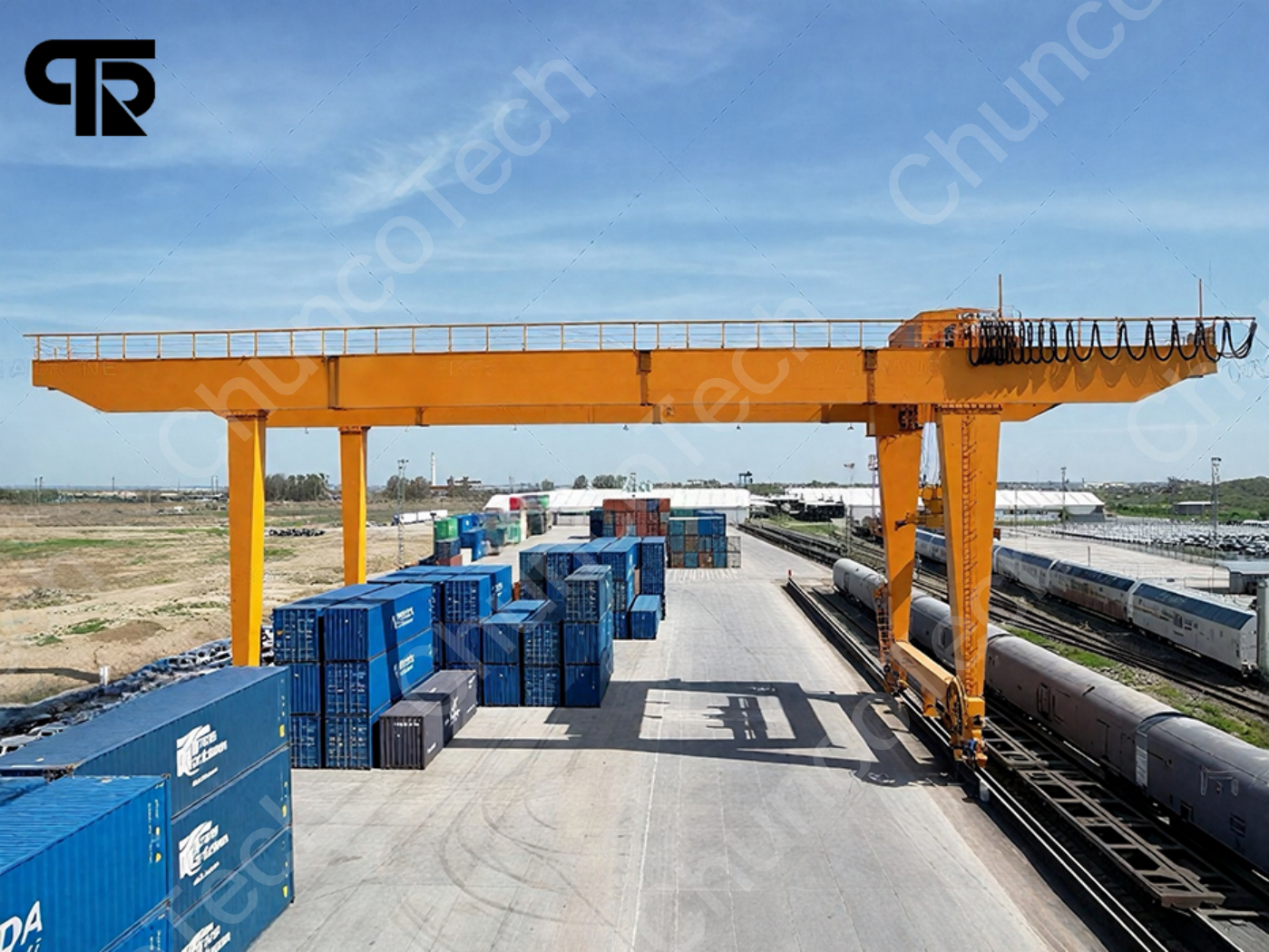
The RMG (Rail-Mounted Gantry Crane) is a core piece of equipment for achieving efficient, automated handling in modern container terminals, rail intermodal yards, and large logistics storage yards. Unlike cranes that rely on tires for movement, RMGs operate on fixed rails, providing a precise, stable, and predictable working path for large-scale, high-density container loading/unloading, stacking, and transfer. Whether used for automated container handling in port terminals, efficient transfer in railway yards, or as critical equipment for modern container yard storage, RMGs serve as the cornerstone for enhancing the overall efficiency of logistics hubs and enabling intelligent upgrades, thanks to their exceptional performance and reliability.
I. Product Features
As a backbone of efficient logistics, RMG design integrates stability, precision, and forward-looking technology.
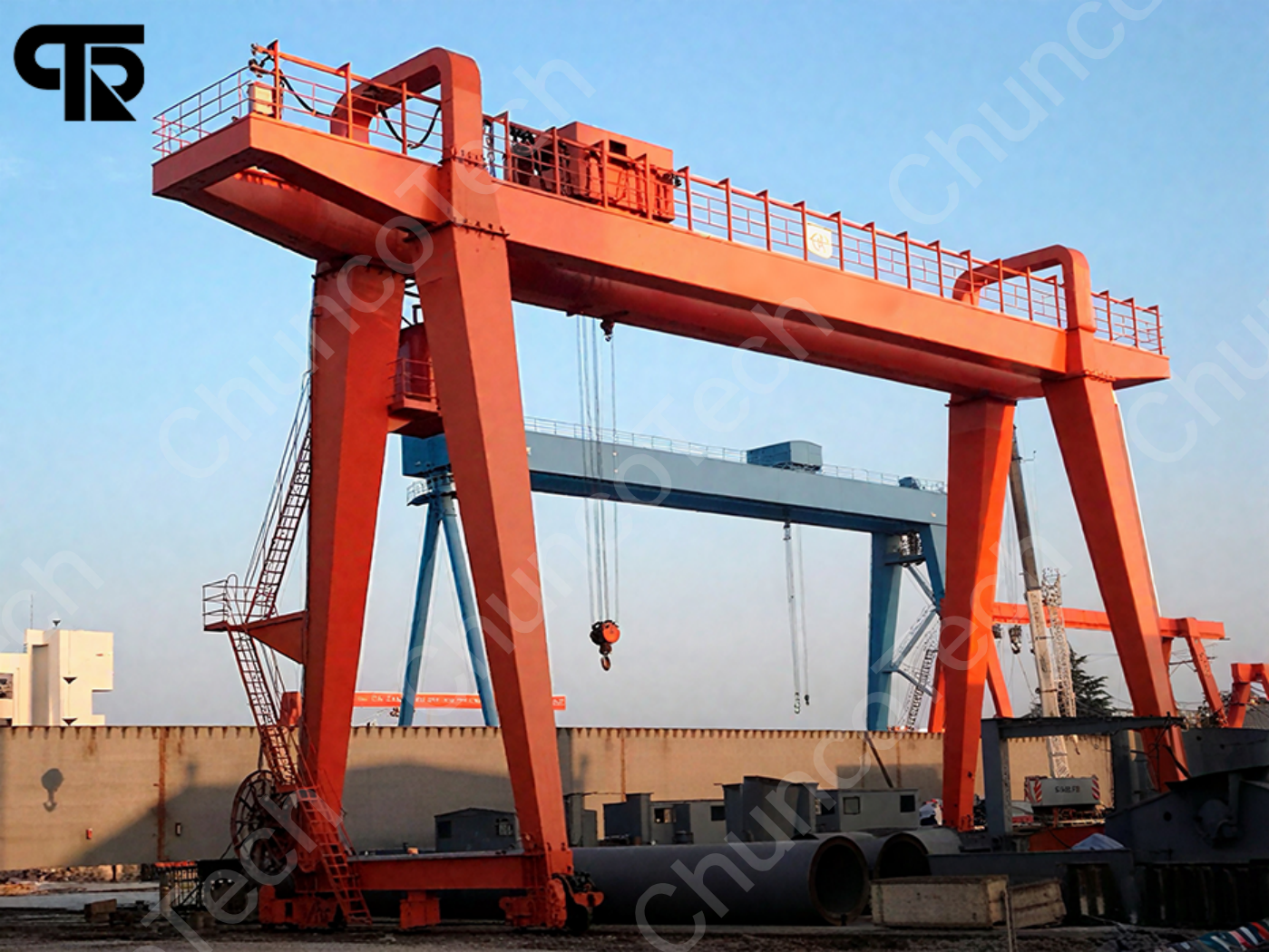
1.Excellent Performance and Flexibility: Typically features a twin-girder structure to ensure structural strength, with high clearance under the main girder allowing smooth passage of 45-foot containers between the legs. Standard telescopic or rotating spreaders can easily handle 20ft, 40ft, and 45ft international standard containers, meeting the demands of handling multiple container specifications in storage yards.
2.High Precision and Stable Operation: Benefiting from precise positioning of rail-mounted gantry cranes, RMGs travel along fixed rails, eliminating deviation risks and offering extremely high positioning accuracy. This enables dense and accurate placement of containers in stacks (e.g., stacking 5 high over 6 rows), significantly improving yard space utilization.
3.Multiple Operation and Control Modes: Offers various modes including cabin operation, ground remote control, and remote operation. These can be flexibly selected or combined based on operational needs, making RMGs an ideal platform for a smooth transition from manual operation to semi-automated container handling and fully automated rail-mounted gantry systems.
4.Powerful and Reliable Drive & Core Components: Primarily uses full electric drive for smooth, quiet operation with no on-site emissions. Core electrical components (e.g., PLC, motors, frequency converters) and structural parts (e.g., bearings, gearboxes) can utilize internationally renowned brands, ensuring long-term durability and reliability to meet the demands of continuous high-intensity operation in port cranes.
5.Broad Environmental Adaptability and Safety Design: Typically has a duty class of A6 to A8 and can operate in a wide temperature range from -25°C to +45°C. Integrated multiple safety devices include overload limiters, height limiters, emergency stops, anti-collision systems, and rail clamps, comprehensively ensuring safe operation of port rail cranes.


II. Product Advantages
Choosing an RMG means injecting long-term, reliable, and efficient core power into your operations.
1.Superior Space Utilization and Operational Efficiency: The rail-guided operation mode eliminates the need for space reserved for equipment turning, enabling high-density container storage within the yard. Storage capacity per unit area far exceeds that of mobile cranes. Fixed and efficient travel paths make it particularly suitable for large-scale, assembly-line-style container handling operations.
2.Significantly Reduced Long-Term Operational Costs: Electric drive offers lower energy and maintenance costs compared to diesel power. Its robust structure and controlled travel path reduce component wear and rail damage caused by irregular equipment movement, effectively avoiding long-term issues like rail gnawing failures in container terminal gantry cranes, resulting in a more advantageous total cost of ownership.
3.Excellent Environmental and Energy Performance: Pure electric drive achieves zero local emissions during operation and significantly reduces noise pollution, aligning with the trend towards green ports. It is a crucial choice for building environmentally friendly container terminal equipment.
4.Future-Proof Automation Readiness: RMGs are a natural fit for automation upgrades. Their automated rail-mounted container gantry crane systems can be easily upgraded to unmanned operation by adding automatic control, positioning, and identification systems, laying a solid foundation for future smart terminal construction. It is a forward-looking investment in smart port automation equipment.
5.Outstanding Reliability and Safety: Fixed rails provide unparalleled operational stability, reducing the risk of tipping. Combined with advanced control and safety systems, they offer a higher level of protection for personnel, equipment, and cargo.


III. Application
RMG cranes are widely used in the following scenarios, serving as key nodal equipment in modern intermodal logistics chains:
1.Large Seaport Container Terminals: Used for container loading/unloading, sorting, storage in the yard, and transfer to trucks or AGVs. They are the core link between ship-to-shore cranes and landside transport.
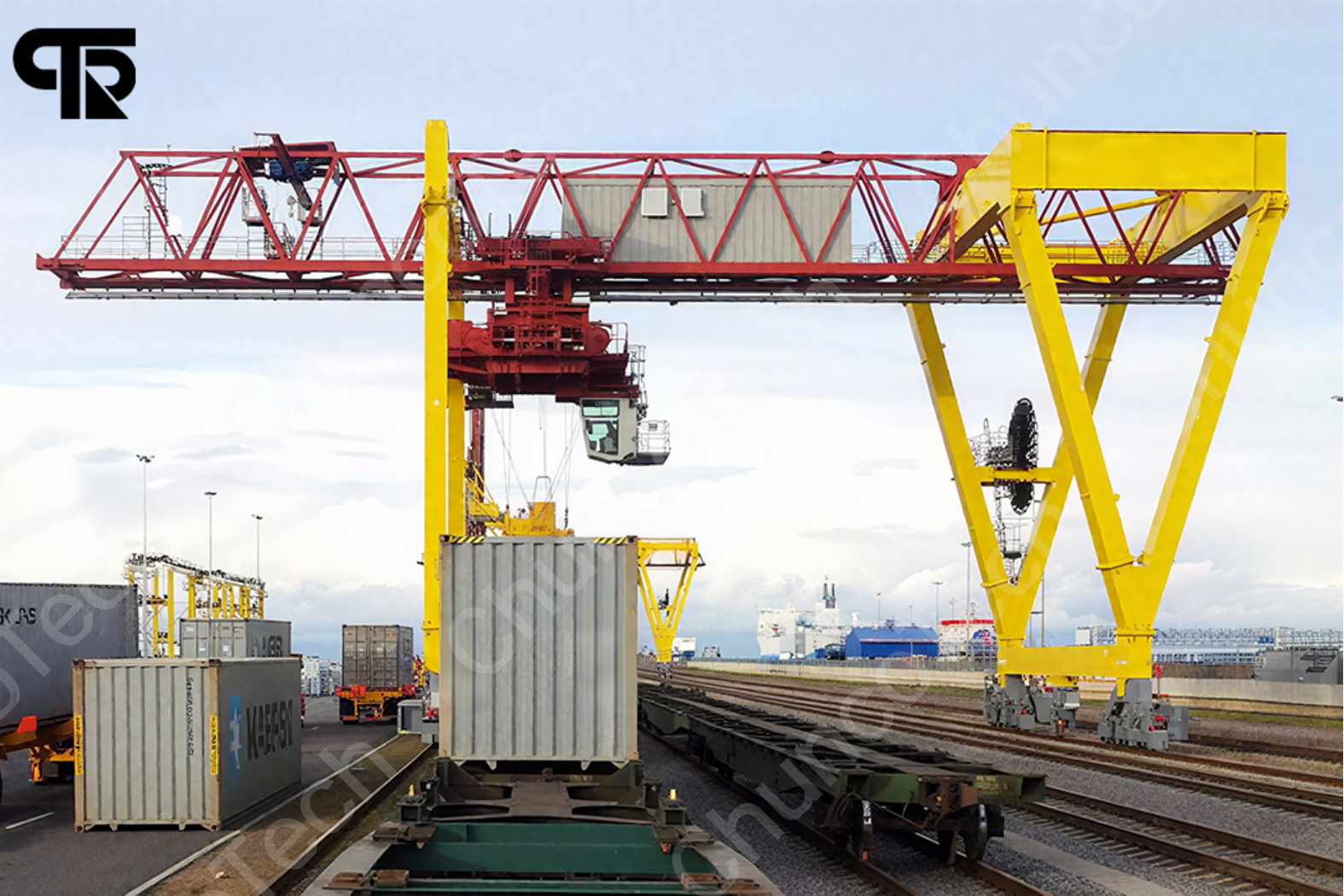
2.Railway Container Central Stations and Intermodal Yards: Efficiently perform container transfer operations between trains and trucks. They are core equipment for improving container transfer efficiency in railway yards and achieving seamless "road-to-rail" transition.
3.Inland Ports and Large Logistics Storage Yards: Used for long-term container storage, maintenance, and deployment. Their high-density stacking capability maximizes the use of valuable land resources.
4.Specific Industrial Sectors: Also used in large factories or logistics bases requiring heavy-duty, precise handling.


IV. Information Required for Purchase
To ensure the most suitable equipment is customized for you, suppliers typically require the following key information:
1.Basic Technical Parameters: Include rated lifting capacity (e.g., 40.5 tons, 65 tons), gauge (distance between rail centers, e.g., 35m, 45m), lifting height (from ground to highest point of spreader), and desired operational speeds (gantry travel, trolley travel, hoisting).
2.Operational Requirements and Mode: Planned container specifications to handle (20ft, 40ft, 45ft), target stacking tiers and number of container rows (e.g., "stack 5 over 6"), and interaction method with trucks or rail lines (whether cantilevers are needed).
3.Infrastructure and Site Conditions: Rail installation status (whether already laid, rail profile like QU80), power supply voltage and capacity (e.g., 380V/50Hz), site ambient temperature range, and maximum wind speed.
4.Operational and Functional Requirements: Desired control mode (cabin, remote control, remote operation), need for automation upgrade interfaces, and any special safety or environmental requirements.
5.Supplier Qualification and Service: Verify if the manufacturer possesses the Special Equipment Manufacturing License (Grade A) and has rich industry experience. Clarify warranty period, after-sales service content, and technical training arrangements.

V.Purchase&After-sales Support
Procurement process
1.Sign Quotation&TA & PI&SC
2.Production Drawing confirmation (3Dmodels and Key Drawings)
3.Actual production begin
4.Production process following up and report
5.Factory Assemble &testing (inviting clients to attend in advance)
6.Packing &delivery
7.At end user’s site installation , commissioning &training
8.After sales service
After-sales assembly service
To ensure the safe and efficient commissioning of the equipment, our company hereby provides professional after-sales assembly guidance services, with detailed terms as follows:
1. Service Basis and Scope
Our company will classify service levels and determine the duration of free on-site guidance and installation services based on the model and overall weight of the ship crane. The free service period is 3–5 working days for small-sized cranes, 5–7 working days for medium-sized ones, and 7–15 working days for large and extra-large models, with the specific terms subject to the sales contract signed by both parties. The service scope covers full-process assembly guidance including on-board equipment positioning, component assembly and commissioning, safety device calibration, and operation procedure training.
2. Pre-service Requirements
The customer shall complete the preparation of on-site construction conditions prior to the agreed service time, including the positioning of lifting equipment, clearing of the operation site, and preparation of supporting auxiliary materials (such as fasteners and seals). Meanwhile, the customer shall provide the relevant ship technical drawings and on-site coordinating personnel required for the operation to ensure the smooth progress of the assembly work.
3. Charging Standard for Extended Service Period
If the service duration exceeds the free quota due to non-our-fault reasons such as the customer’s substandard on-site conditions or inadequate coordination, the excess part will be charged at a technical service fee of 200 USD per person per working day, and the travel, accommodation and catering expenses shall be borne by the customer separately.
4. Service Guarantee and Commitment
The technical personnel dispatched by our company all hold qualifications for ship crane assembly and have rich practical experience. The service process strictly complies with international ship equipment installation specifications and our company’s quality standards.
VI.FAQ
Q1: What is the difference between RMG and RTG (Rubber-Tyred Gantry Crane)? How to choose?
A1: RMGs run on fixed rails, offering high precision, fast speed, and low long-term operational costs. They are suitable for large terminals with high throughput, fixed yard layouts, and plans for automation. RTGs are highly flexible and mobile, relying on tires, suitable for medium/small-scale yards with changing layouts or frequent relocation needs. The choice depends on your long-term operational scale, efficiency requirements, and investment budget.
Q2: When purchasing an RMG, what should I focus on besides price?
A2: Focus should be on the total lifecycle cost, not just the initial purchase price. Evaluate the safety design (e.g., safety factors, protective devices), brand and reliability of core components, the manufacturer's technical support and maintenance capabilities, and whether the design allows for future upgrades (e.g., for automation).
Q3: Can RMGs be automated (unmanned)? How complex is the retrofit?
A3: Yes. RMGs are an ideal platform for automation retrofits. Modern RMGs often come with pre-installed automation interfaces. Upgrading to an ARMG (Automated RMG) involves adding automatic control systems, positioning/navigation, and container recognition systems. Choosing equipment designed with automation compatibility in mind from the start makes retrofitting smoother and more economical.
Q4: What should I pay attention to regarding equipment reliability and maintenance?
A4: Choosing products with proven structural design and high-quality components (e.g., branded motors, wire rope systems) enhances reliability. A preventive maintenance plan is essential. Ensure the manufacturer can provide timely spare parts support and remote diagnostic services. Be wary of claims of "never-fail" performance; any heavy equipment requires scientific maintenance.
Q5: How to choose between electric and diesel power? Can retrofitting be done?
A5: Electric drive is the mainstream and preferred choice for RMGs, being energy-efficient, environmentally friendly, and having low operational costs. For existing diesel-powered equipment, specialized manufacturers can provide hybrid or diesel-to-electric conversion retrofit solutions. This allows upgrading existing assets, reducing emissions and fuel consumption while potentially retaining some flexibility.
Q6: What is the typical delivery lead time for a custom RMG?
A6: The delivery lead time depends on the complexity of the equipment, the degree of customization, and the manufacturer's production schedule. For a standard custom project, the timeline typically ranges from 9 to 12 months or longer, from contract signing to on-site acceptance. This should be factored into project planning when purchasing.
Certificate