Grab Crane
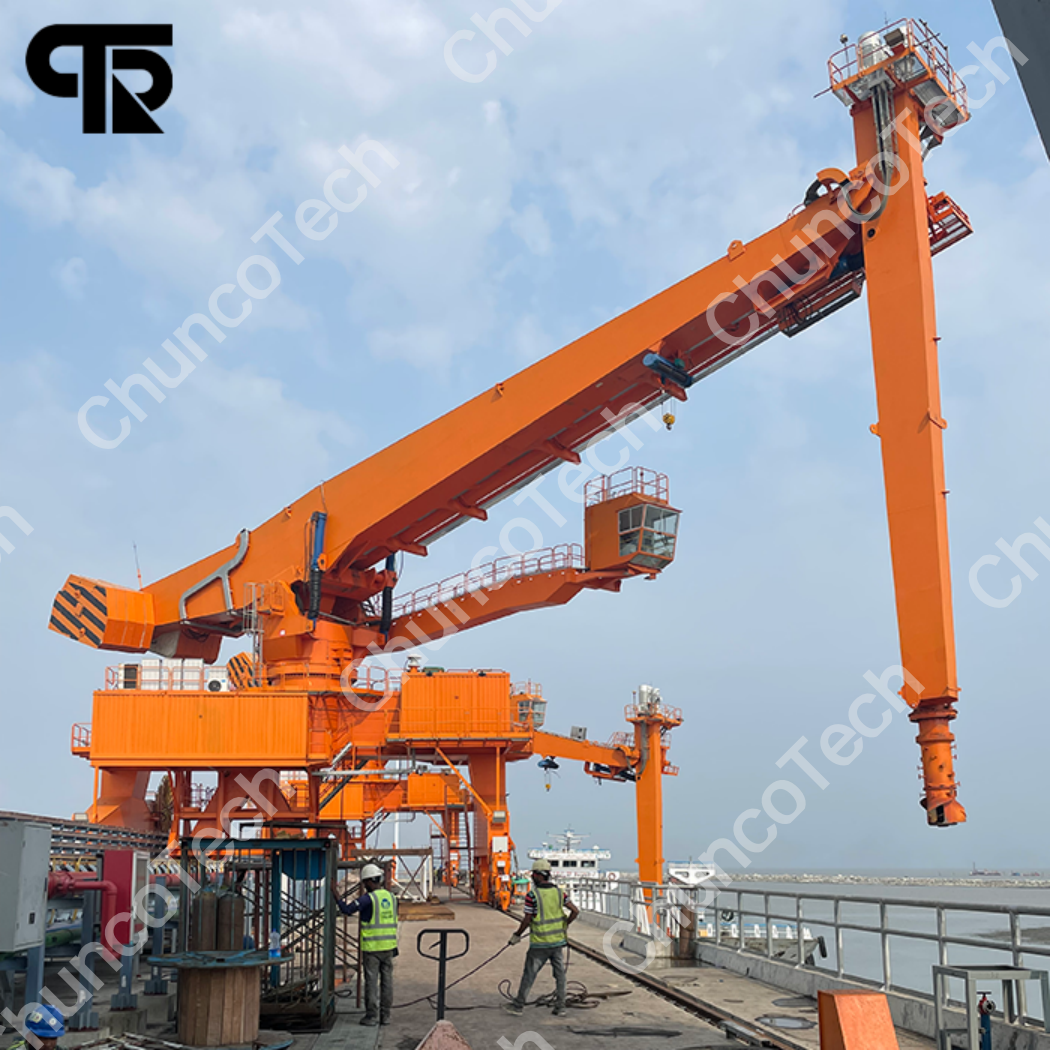
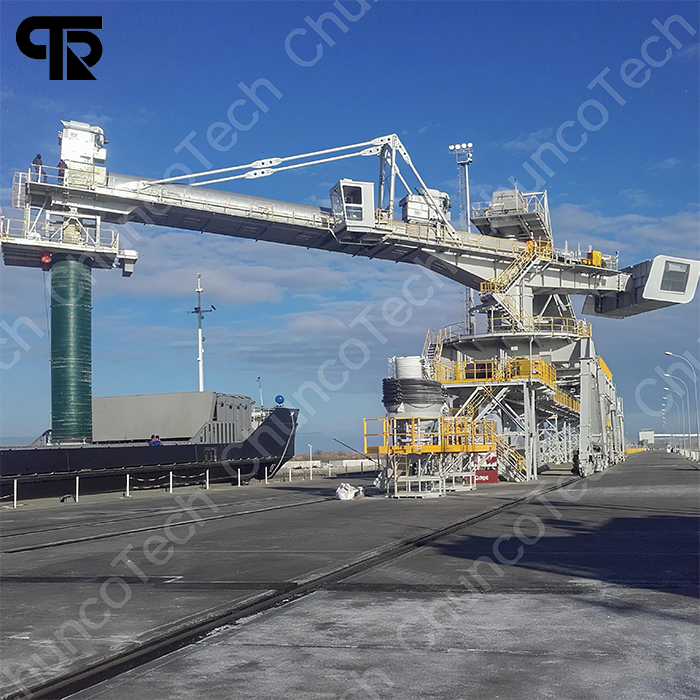
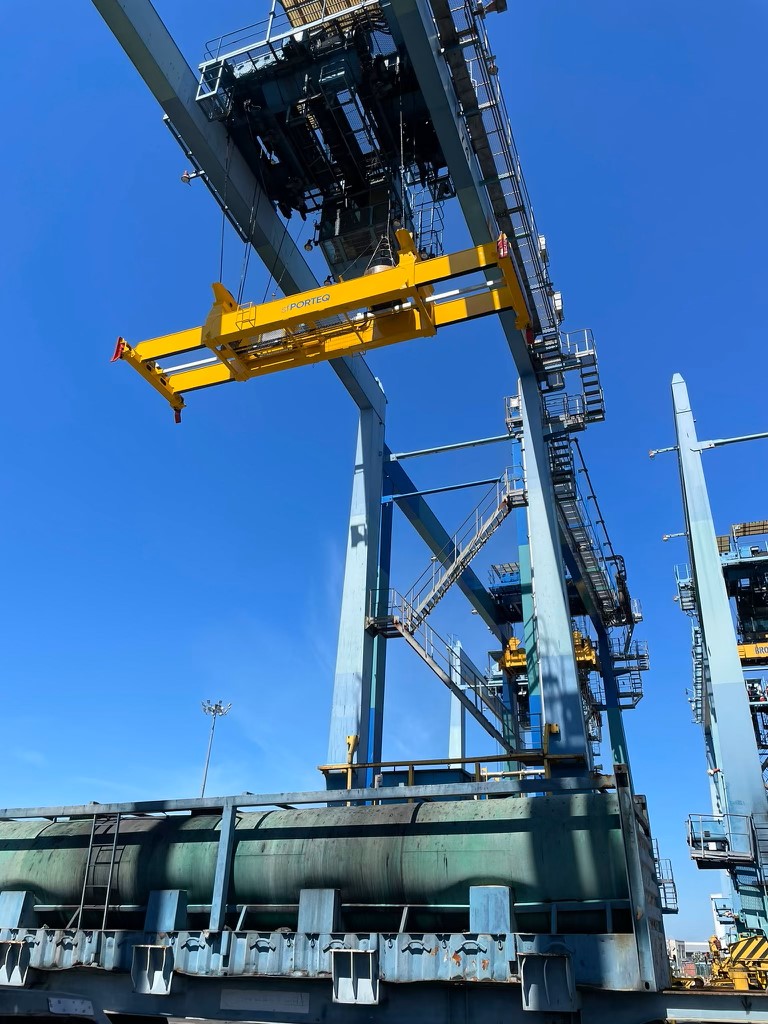
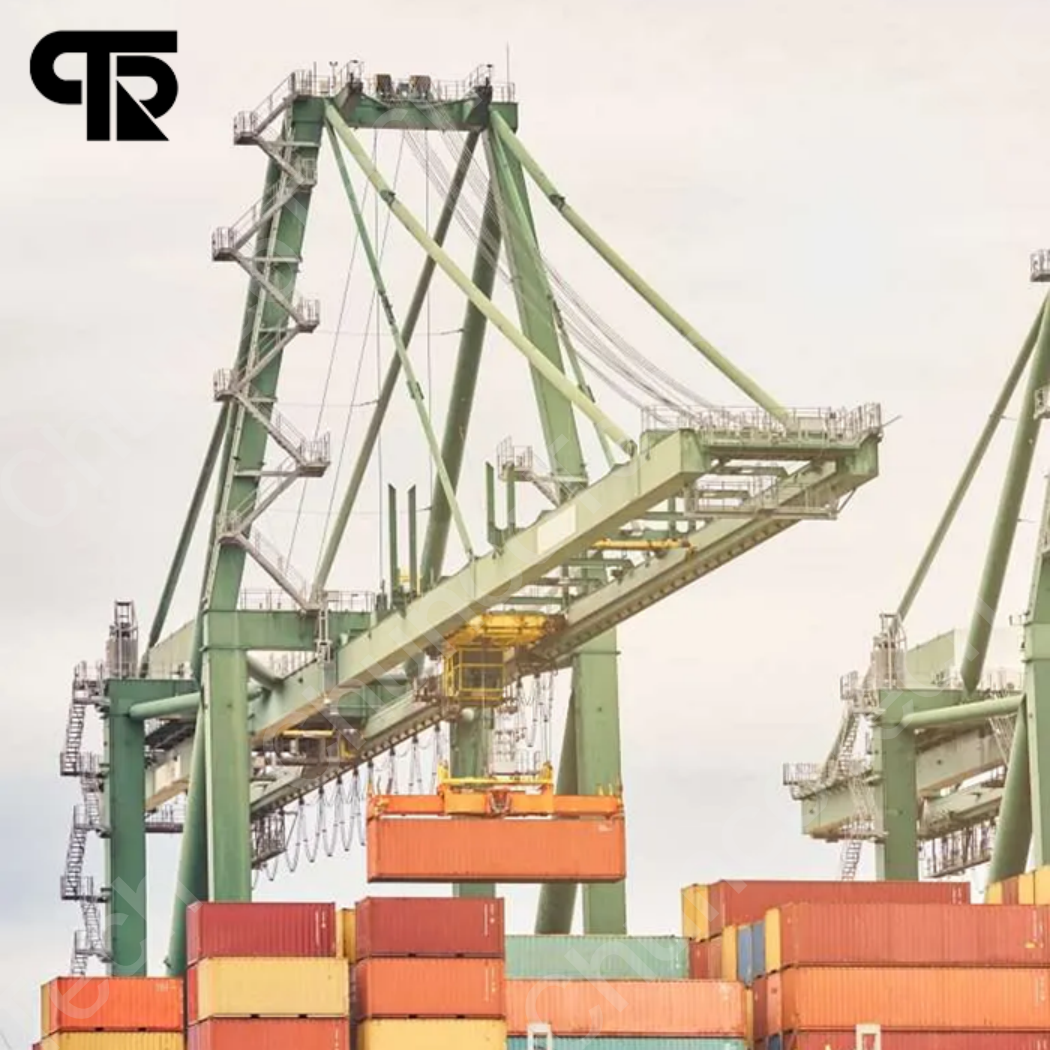
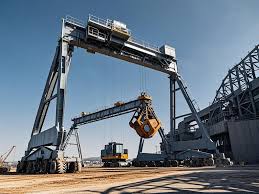
A grab crane is a lifting machine equipped with a grab as the handling device, specifically designed for bulk material loading and unloading operations. The grab opens and closes via wire ropes or hydraulic drive to achieve material grabbing and discharging.
Product Features
-
Efficient Material Handling: The grab is an automatic handling device that can complete grabbing and discharging actions by a single operator without the need for assistant personnel, significantly reducing auxiliary time and improving handling efficiency.
-
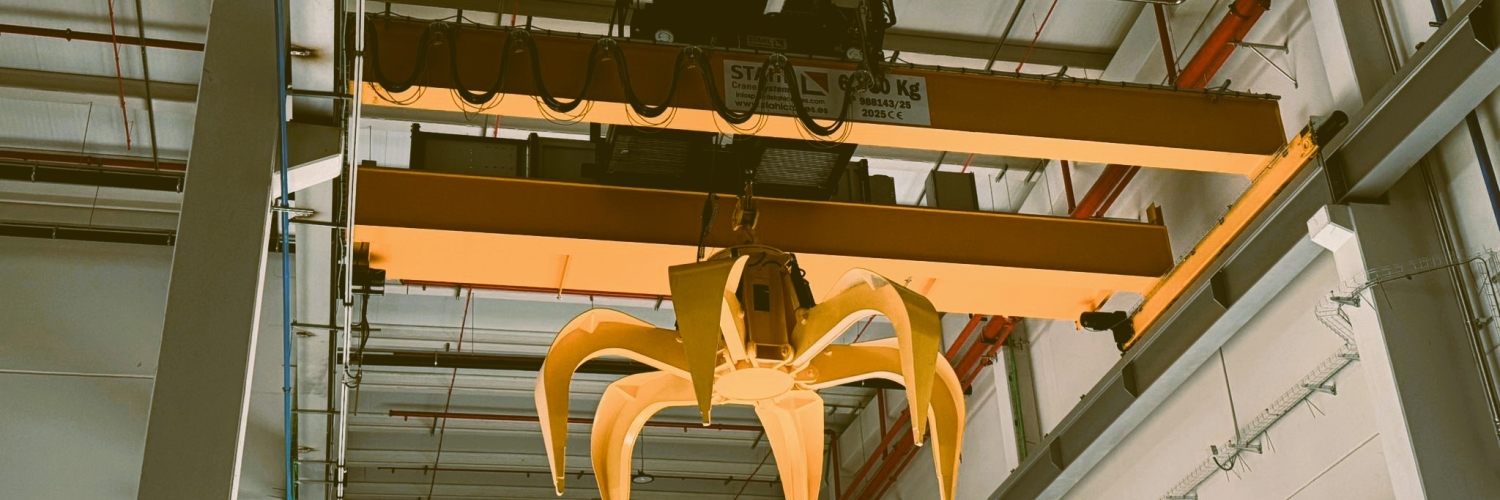
Structural Classifications: Based on crane type, main categories include Overhead Grab Crane, Gantry Grab Crane, and Articulated Grab Crane. By girder count, they can be single-girder or double-girder.
-
High-Duty Rating: Grab cranes typically have a heavy-duty rating (Working Class A6, A7), capable of meeting high-intensity, continuous operation requirements.
-
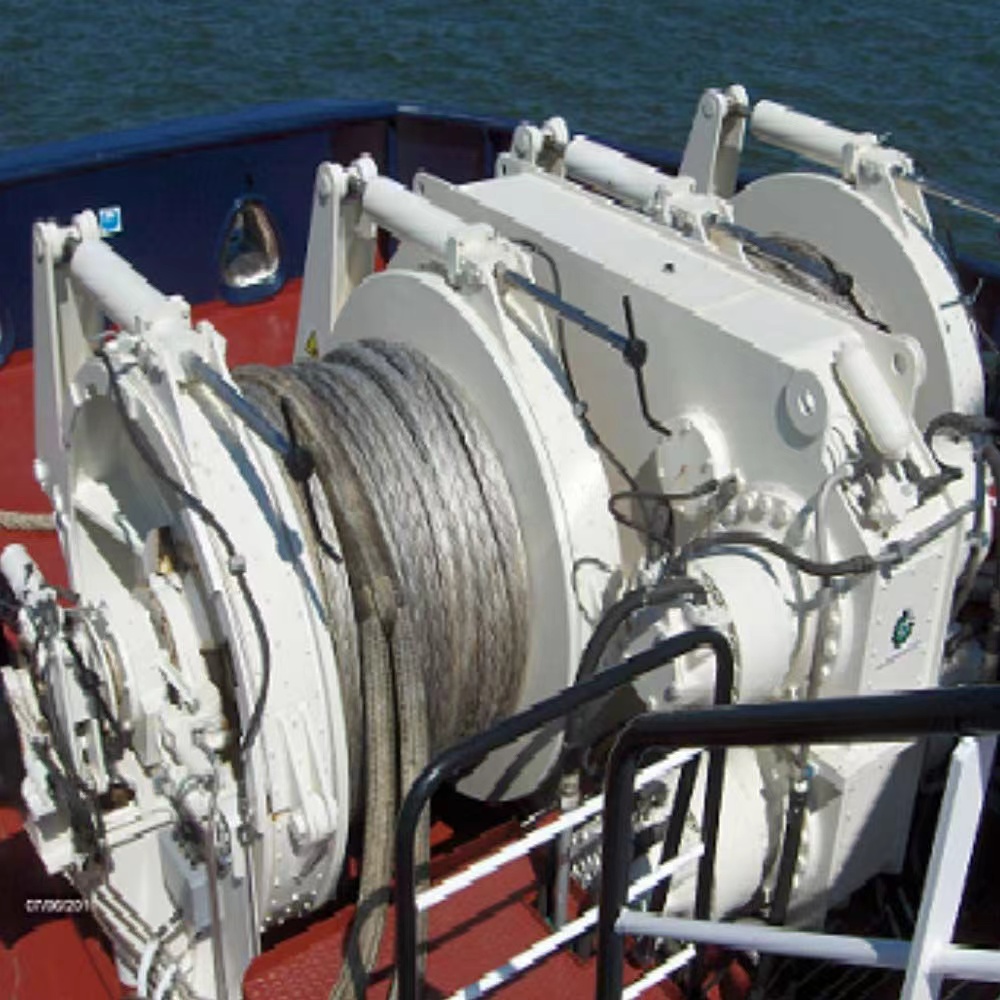
Dual-Drum Drive: The equipment uses a dual-drum winch drive. One drum provides the supporting wire rope, while the other provides the closing wire rope. The two wire ropes work together to control the grab's opening/closing and lifting/lowering.
-
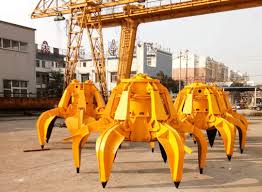
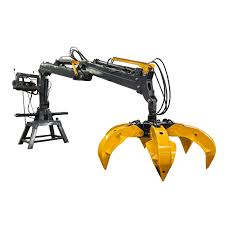
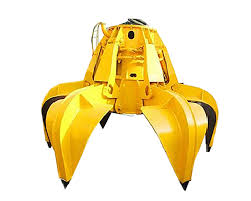
Rich Grab Types: Depending on the material to be handled, grabs are classified as light, medium, heavy, and extra-heavy. By shape, they are divided into clamshell grabs (two shells) and orange-peel grabs (multiple shells). Multi-shell grabs are suitable for bulky ores, scrap steel, and similar materials.
-
Drive Modes: Divided into hydraulic and mechanical types. Hydraulic grabs have built-in hydraulic cylinders to control opening and closing. Mechanical grabs rely on external rope force, with the double-rope grab being the most common.
Applications
Grab cranes are widely used in various bulk cargo handling scenarios, serving as core equipment in ports, power plants, mines, and similar facilities.
-
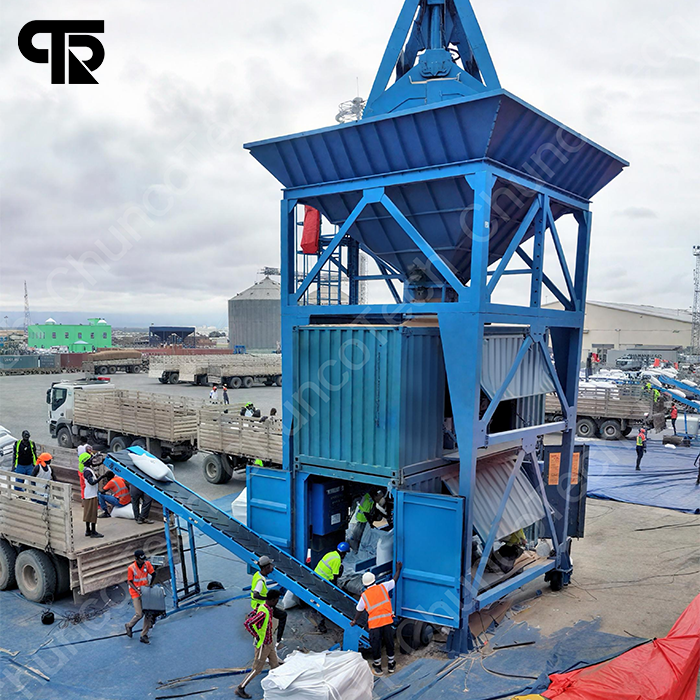
Ports & Terminals: Used for ship unloading, transferring bulk cargo such as coal, ore, and phosphate from cargo holds to hoppers, then via conveyor belts to stockyards or truck loading platforms. For example, large ship unloaders can handle over 2,000 tons of ore per hour.
-
Power Plants & Chemical Plants: For grabbing coal, slag, and other fuels or raw materials to complete feeding and batching operations.
-
Mines & Steel Mills: For handling ore, fine ore, iron scrap, steel scrap, and similar materials during loading, unloading, and transfer.
-
Freight Yards & Workshops: For unloading bulk cargo from railcars, stockpiling, transferring, and reclaiming materials for raw material preparation.
-
Special Material Handling: With specialized grabs, the crane can handle materials such as sugarcane, timber, and refuse. The invention of timber grabs significantly reduced personal injury accidents during log handling.
Advantages
-
Extremely High Handling Efficiency: Compared to traditional manual work (e.g., shoveling into mesh bags), grab cranes have increased handling efficiency thousands of times over. Whereas 200 tons might take 8 hours manually, large ship unloaders can now handle over 2,000 tons per hour.
-
Significantly Reduced Labor Intensity: Grab operations eliminate the need for manual shoveling in holds or rope threading and bundling, avoiding heavy physical labor for workers.
-
Substantially Enhanced Safety: Especially for hazardous materials like logs, timber grabs replace the dangerous manual rope-winding and tying process, effectively preventing accidents such as rolling logs and rope breakage.
-
Strong Adaptability: Different grab types can be selected based on material characteristics. Clamshell grabs are suitable for granular and powdery materials. Orange-peel (multi-shell) grabs are suitable for large, hard materials like ore and scrap steel. Serrated shells are suitable for hard materials with particle sizes above 100mm.
-
Reliable Construction: Grabs are typically manufactured using manganese steel, providing good wear resistance and structural strength. The crane bridge includes guardrails, lighting, safety switches, and other protective features to ensure operational safety.
Certificate