
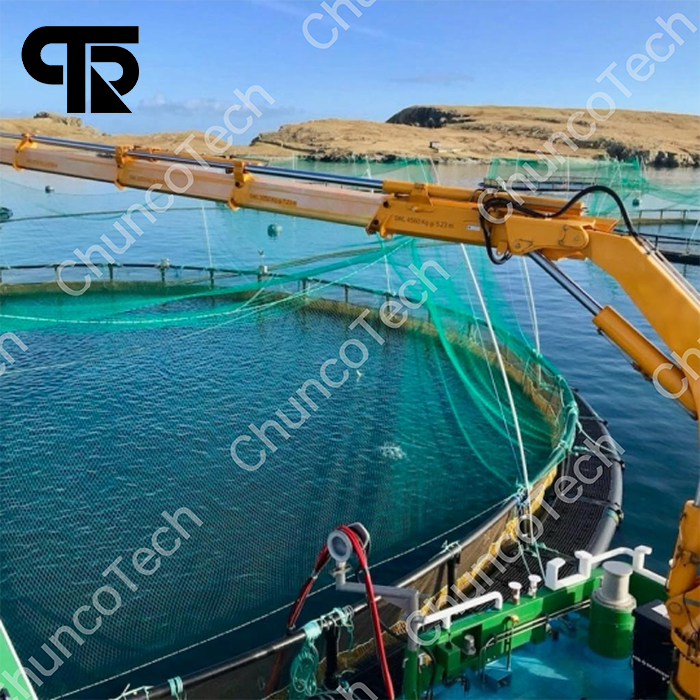
Straight Boom Crane
The telescopic boom crane is a core material handling asset in modern engineering, renowned for its exceptional mobility, rapid response capability, and outstanding spatial adaptability. It serves as an indispensable and efficient solution for tasks ranging from bustling urban settings to expansive construction sites. Its key advantage lies in the innovative retractable box-type boom system, which requires no assembly and can be quickly put into operation, making it the ideal choice for rapid deployment and flexible on-site lifting tasks.
I. Classification
1. Straight Boom Telescopic Crane
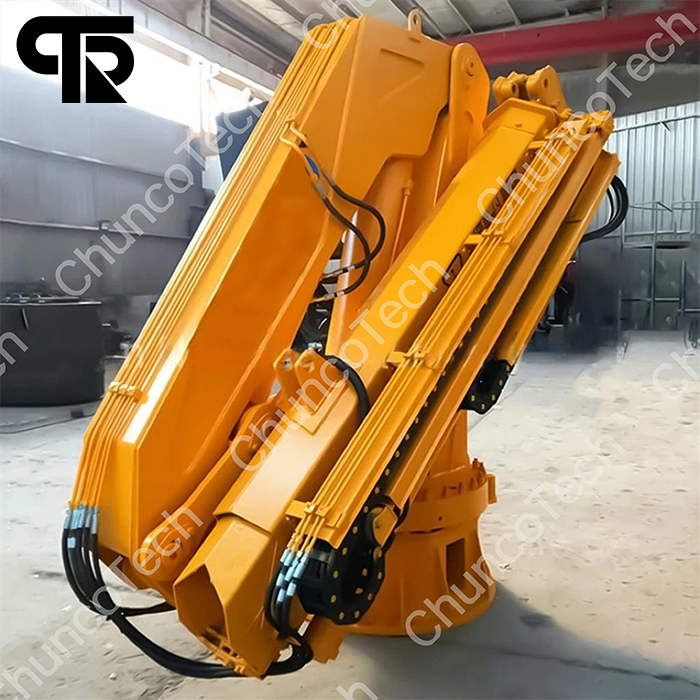
The Straight Boom Telescopic Crane is a highly efficient and flexible mobile lifting equipment. Utilizing a hydraulic telescopic boom system, it allows for rapid adjustment of boom length. It is suitable for various scenarios such as construction sites, logistics loading and unloading, and equipment installation. This crane offers powerful lifting capacity, precise operational performance, and excellent mobility, making it an indispensable lifting solution for modern engineering projects.
2. Marine cranes
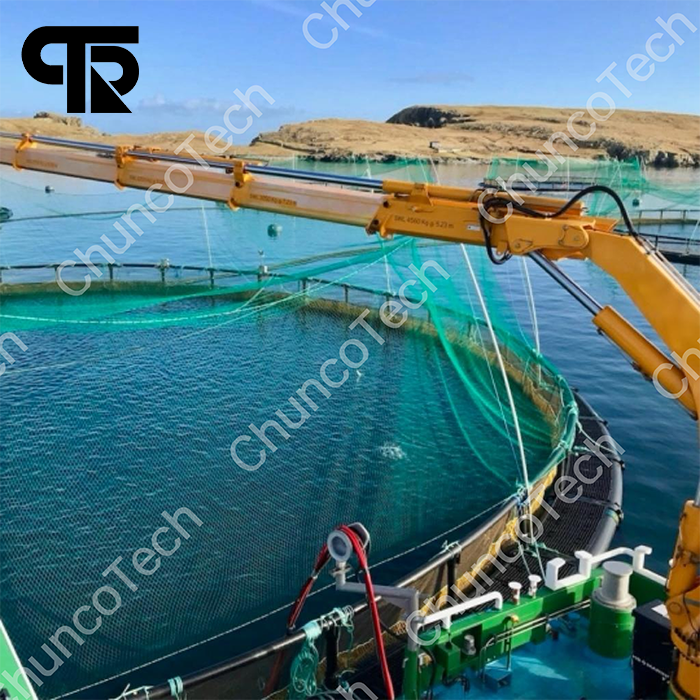
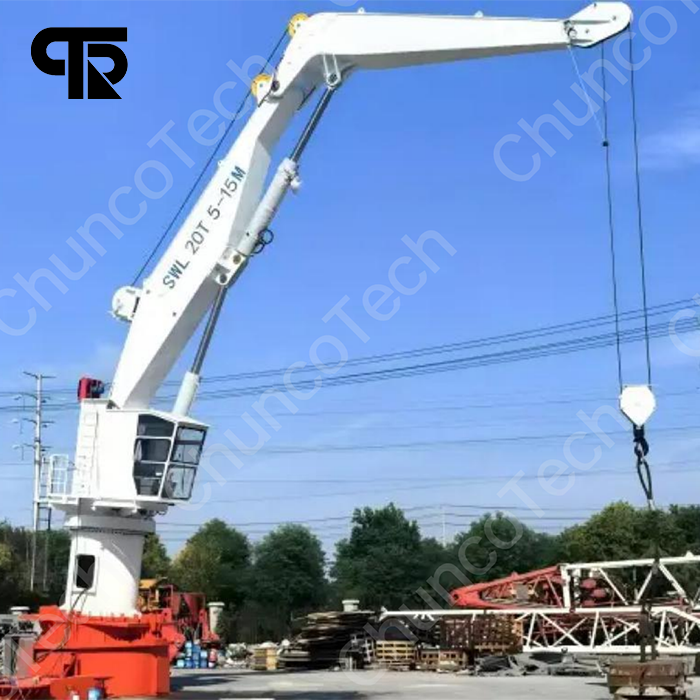
Marine cranes, also known as shipboard cranes or deck cranes, are essential loading and unloading equipment installed on a vessel's deck for efficiently handling various types of cargo. The core advantages of marine cranes lie in their compact structure and operational efficiency, offering significant benefits over traditional derrick systems, which explains their widespread use on modern ships.
●Compact Structure: They occupy minimal deck space and have a reduced impact on the bridge sightlines.
●Efficient and User-Friendly Operation: Typically controlled by an operator from the wheelhouse with a good field of view, they enable precise positioning. This reduces cargo movement within the hold and increases loading/unloading efficiency. They require minimal preparation and can service both forward and aft cargo holds.
●Wide Applicability: They are particularly suitable for handling heavy-lift cargo and containers. Many multi-purpose vessels and container ships are equipped with them to handle standard 20-foot or 40-foot containers.
II. Advantages And Disadvantages
1. Straight Boom Telescopic Crane
●Advantages
The primary advantage of the straight boom telescopic crane lies in its exceptional mobility and rapid deployment capability. As a type of mobile crane, its telescopic boom can be extended or retracted quickly without the need for additional assembly, which greatly enhances crane on-site operation efficiency. This makes it suitable for jobs requiring quick response and multiple work points. Secondly, its compact structural design facilitates easier crane boom transport and site relocation. Especially in urban or space-restricted construction sites, its characteristic of occupying a small crane working space footprint is a significant advantage.
Furthermore, advancements in telescopic boom technology continue. By employing optimized telescopic boom structure strength design, such as the box structure mentioned in patents, weight can be reduced while ensuring strength. To further enhance performance, modern designs incorporate telescopic boom super-lift device working principles. This device effectively controls deflection in the mid-section of the main boom, thereby significantly increasing lifting capacity. It is a key technology for achieving long-distance lifting with heavy-duty telescopic boom cranes.
●Disadvantages
However, the telescopic boom structure also has inherent drawbacks. The main challenge is the lifting capacity limitations of telescopic boom cranes. For booms of equivalent length and tonnage, the bending resistance of a telescopic boom is generally inferior to that of a lattice boom, affecting its lifting performance at very long reaches. While the addition of a telescopic boom super-lift device installation and commissioning process addresses this performance issue, it also complicates the overall equipment setup and may impact telescopic crane assembly and operational efficiency.
Secondly, the structure of the telescopic boom itself presents technical challenges. To ensure strength, the cross-section of the boom is typically large, making it more susceptible to wind load effects on crane telescopic booms when under load, especially at higher elevations or longer extensions. Additionally, the complex telescoping sections and hydraulic system entail higher maintenance demands. The maintenance cost for telescopic boom hydraulic systems is a factor to consider for long-term operation.
2. Marine cranes
●Advantages
The core advantage of marine cranes (also known as deck cranes or shipboard cranes) is the independence in ship cargo handling operations they provide. They enable vessels to operate independently at berths without shore cranes or with underdeveloped port facilities, greatly enhancing operational flexibility. Their design prioritizes high space utilization for ship deck cranes; they are compact and occupy minimal deck space, with almost no impact on bridge sightlines.
In terms of operation, modern marine cranes feature precise control and positioning capabilities for marine cranes. They are typically controlled by an operator from the wheelhouse or a dedicated cabin, offering an excellent field of view and precise positioning, which significantly improves operational safety and efficiency. To adapt to diverse cargoes, they offer multifunctionality for maritime cargo lifting. By changing attachments such as grabs, hooks, or container spreaders, they can efficiently handle bulk goods, heavy-lift items, or standard containers.
●Disadvantages
The disadvantages of marine cranes are equally prominent. Operating constantly in a highly corrosive marine environment leads to extremely high corrosion protection and maintenance requirements for marine deck cranes. Their mechanical components (such as wire ropes, sheaves) and hydraulic/electrical systems require strict periodic maintenance; otherwise, they are highly prone to failure.
Secondly, high dependence on operator skill is a major risk. As they are often operated by stevedores, there is a risk of accidents due to insufficient training for marine crane operators or improper operation, such as wire rope snapping or boom collapse. Troubleshooting complex system faults in marine hydraulic cranes is also a significant challenge. Hydraulic system failures (e.g., motor damage caused by oil contamination) account for a relatively high proportion of issues, demanding high expertise for diagnosis and repair.
Furthermore, marine cranes are equipment with a high incidence of accidents. A failure can cause serious ship loading/unloading operation disruption and schedule loss. Such failures can also lead to high consequential losses, such as cargo damage and port delay claims due to crane accidents, as well as the high cost of renting replacement shore cranes or dry-docking for repairs during downtime. Industry analysis also points out that improper matching of marine crane selection with ship operational profiles, or the introduction of new models by manufacturers without sufficient testing, can create long-term operational risks.
●Comparison and Selection Key Points
In summary, the straight boom telescopic crane is ideal for applications prioritizing mobility, speed, and spatial adaptability, while the marine crane is specialized equipment designed for ships to achieve independent and continuous loading/unloading operations. Deciding whether to choose a marine crane or a shore-based crane, following a selection guide for marine cranes, and comparing safety aspects of ship vs. port crane operations are core considerations in the decision-making process. The key is to accurately match the equipment's core characteristics with the long-term operational cost analysis for ship cranes and the actual operational requirements.
III. Application Scenarios
1. Straight Boom Telescopic Crane
Straight boom telescopic cranes, known for their exceptional mobility and rapid deployment capability, are primarily active in scenarios demanding high flexibility and speed.
●Urban and Infrastructure Construction
In urban renewal projects, such as steel structure lifting for high-rise buildings and rapid erection of municipal bridges, their compact chassis and ready-to-use telescopic boom significantly adapt to the confined environments of urban lifting operations in tight spaces. They can quickly complete component lifting, minimizing disruption to city traffic. They are also often the preferred choice for urban emergency response, rescue, and equipment installation.
●Ports, Logistics, and Equipment Installation
Within port areas, they are widely used for tasks like auxiliary container transfer in port yards and equipment unloading and short-distance handling. Their quick relocation capability allows them to serve different stack locations flexibly. Simultaneously, in factories or construction sites, they are commonly used for installation and maintenance of heavy machinery and equipment, with their precise fine-motion control facilitating accurate equipment positioning.
●Power Maintenance and Energy Sector
In operations like power line emergency repair and transformer replacement, telescopic cranes equipped with insulation devices are standard. In recent years, they have become increasingly important in onsite lifting for wind turbine maintenance, efficiently performing tasks like blade or gearbox replacement at ground level, adaptable to complex terrains such as mountains and fields.
●Rental Market and General Engineering
Due to their strong versatility and short setup time, they are the preferred crane model for rental in small to medium-sized engineering projects. They are widely used for various dispersed and flexible operational needs such as construction material lifting and billboard installation.
2. Marine cranes
The application of marine cranes centers around providing vessels with autonomy in cargo handling operations, with their scenarios highly dependent on ship type and trading routes.
●Multi-purpose Vessels and Heavy-lift Carriers
This is the most classic application for marine cranes. Multi-purpose vessels rely on their own cranes to operate at ports and wharves lacking shore crane facilities, handling general cargo like steel, timber, bagged goods, as well as offshore loading/unloading of heavy-lift and project cargoes, such as construction machinery and modular components. For routes with extremely high demands for independent operation capability of heavy-lift carriers, deck cranes are indispensable equipment.
●Container Ships and Feeder Services
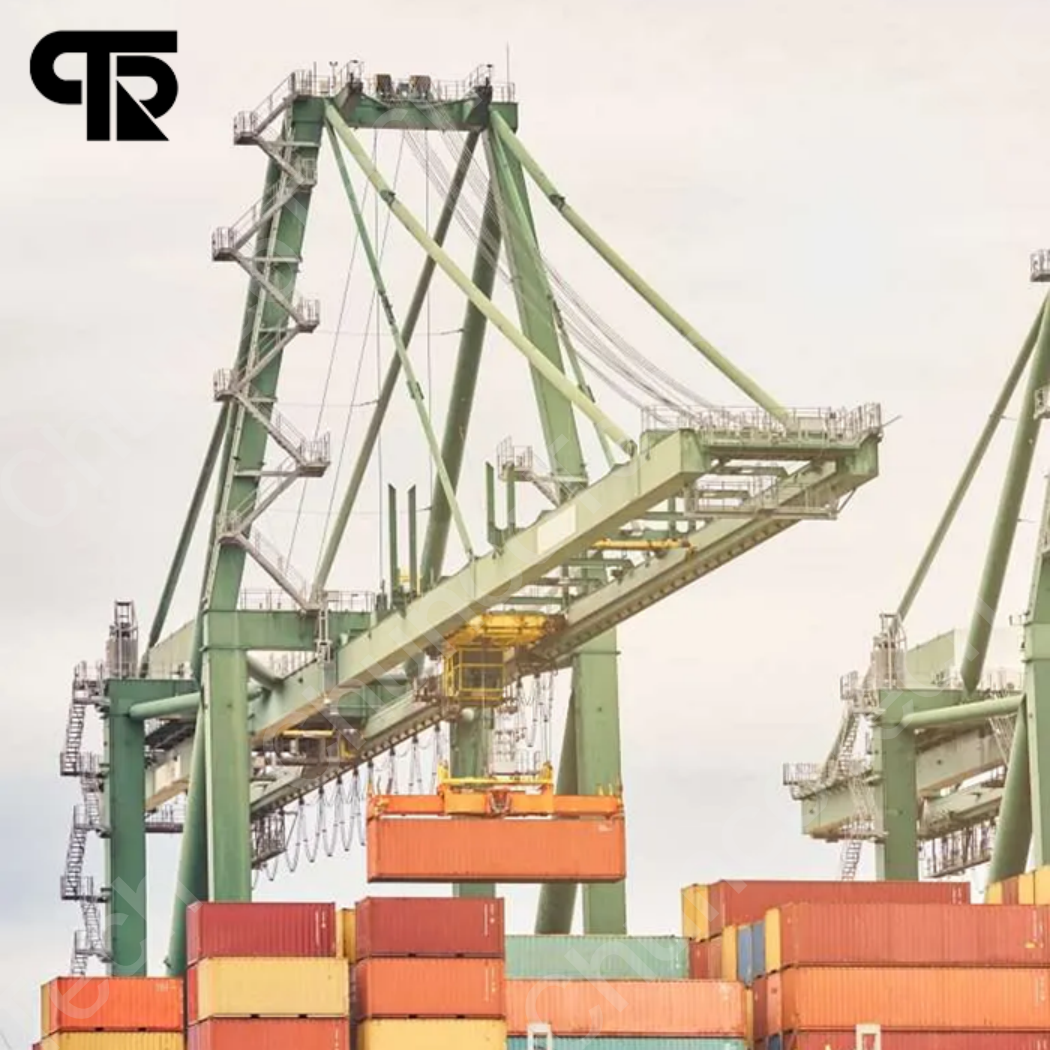
The self-sustaining loading/unloading capability of cranes fitted on container vessels enables them to call at ports with insufficient infrastructure, performing independent container handling operations for container ships at non-hub ports. This greatly enhances scheduling flexibility and is crucial for feeder container transport.
●Bulk Carriers and Specific Cargo Handling
Some bulk carriers, particularly handysize vessels trading in regions with simple port facilities, are fitted with cranes for handling bagged cargo operations at grain terminals or other packaged goods. Specialized marine cranes are also required for deck log handling on timber carriers.
●Offshore Engineering and Specialized Operations
On offshore supply vessels, marine cranes are responsible for transferring supplies to platforms or other ships. Deployment and recovery of scientific equipment on research vessels also rely on them for handling precision instruments. Furthermore, during maritime emergency response and salvage operations, ship cranes can be used for recovering lifeboats or materials.
●Ferries and Ro-Ro Vessels
On passenger Ro-Ro ferries, small onboard cranes can be used for contingency situations like shifting disabled vehicles on vehicle decks. Some ferries also use cranes for handling certain cargo or baggage.
Scenario Comparison and Core Selection Factors
The key distinction between their scenarios is that the straight boom telescopic crane is a versatile tool designed for mobile, multi-point, rapid-response tasks on land, whereas the marine crane is specialized, integrated equipment installed on vessels to ensure operational autonomy and overcome port limitations.
Key considerations for selection include:
●Vessel's Trading Routes and Port Conditions: Does the ship frequently call at ports where having the necessity for vessels to carry their own cranes at poorly equipped ports is high?
●Cargo Type and Flexibility: Is there a need to handle diverse, non-standard cargoes?
●Total Lifecycle Cost: Is the investment return and operational cost analysis for marine cranes justified? This typically involves a comprehensive assessment of handling efficiency, port charges, schedule control, and more.
●Ship Design and Stability: The impact of deck crane installation on the vessel's stability and cargo hold capacity.
IV. Information Required for Purchase
1. Straight Boom Telescopic Crane
To obtain an accurate customized quotation and configuration plan for telescopic boom cranes, you need to provide the following core information to your supplier:
Core Performance Specifications
●Maximum Rated Lifting Capacity: The heaviest single load to be lifted, the primary basis for selecting the crane's tonnage.
●Maximum Working Radius and Boom Length: Specify the farthest distance and maximum height for cargo handling, which determines the required telescopic boom length and job site coverage.
●Lifting Height and Speeds: Define the required lifting speeds under no-load and full-load conditions based on working height and efficiency needs.
●Chassis and Mobility Requirements: Indicate whether a crawler or wheeled chassis is needed, and specify requirements for quick repositioning and road travel capability of telescopic cranes.
Usage Conditions and Environment
●Primary Application Scenarios: State if it's for lifting operations in confined urban spaces, port yards, factory installations, or other specific sites.
●Typical Lifted Cargo: Describe the most frequently handled cargo types, dimensions, and weight distribution.
●Working Environment and Temperature: Inform whether it will operate indoors, outdoors, in high-temperature, high-humidity, or corrosive environments, and the ambient temperature range.
Regulations and Certification Requirements
●Target Market Compliance Certifications: Specify the country/region where the equipment will be sold or used to determine required certifications, such as China's Special Equipment Manufacturing License, CE, ISO, etc.
●Safety Configuration Standards: Specify requirements for safety devices, such as mandatory height limiters, overload limiters, etc.
2. Marine cranes
Purchasing marine cranes requires more detailed information due to vessel integration and stringent marine regulations, ensuring precise matching of marine cranes with hull design and operational profiles:
Vessel and Installation Integration Parameters
●Vessel Type and Dimensions: Provide basic information like ship type (e.g., container ship, multi-purpose vessel), gross tonnage, and beam width.
●Installation Location and Deck Layout: Specify the planned deck location for the crane, the reserved space dimensions, and assess the impact on bridge sightlines. This is crucial for deck crane layout and stability impact analysis.
● Vessel Power Plant Capacity: Provide the available spare power of the ship's generators to assess compatibility with the crane's power demand.
Lifting Performance and Operational Requirements
●Safe Working Load (SWL): Define the rated lifting capacity at various working radii according to regulations. Booms with SWL greater than 10 tonnes fall under regulations and safety standards for heavy-lift derricks, which have stricter requirements.
●Outreach and Hold Coverage: Specify the maximum required distance for lifting cargo over the ship's side (typically not less than 6 meters) and the required coverage area within the cargo hold.
●Operation Mode and Cargo Type: State whether it is for handling containers, heavy-lift, or bulk cargo, if it needs to operate while the ship is rolling/pitching, and the control mode (remote from wheelhouse, local control).
Regulations and Delivery Requirements
●Mandatory Applicable Rules and Standards: Specify the required classification society rules (e.g., CCS, DNV, etc.) and national/international standards, such as China's GB/T 42689-2023 Manufacturing Requirements for Marine Cranes.
●Supplier Qualifications and Track Record: Require the supplier to provide a People's Republic of China Special Equipment Production License (covering crane manufacturing and installation) and submit proof of supply for similar tonnage and model marine cranes.
●Delivery and "Turnkey" Scope: Clarify whether a complete turnkey project service for shipboard cranes is required from the supplier, encompassing design, manufacturing, transportation, installation, commissioning, certification, and training.
V. Purchase & After-sales Support
Procurement process
1.Sign Quotation & TA & PI &SC
2.Production Drawing confirmation (3Dmodels and Key Drawings)
3.Actual production begin
4.Production process following up and report
5.Factory Assemble & testing (inviting clients to attend in advance)
6.Packing & delivery
7.At end user’s site installation, commissioning & training
8.After sales service
After-sales assembly service
To ensure the safe and efficient commissioning of the equipment, our company hereby provides professional after-sales assembly guidance services, with detailed terms as follows:
1. Service Basis and Scope
Our company will classify service levels and determine the duration of free on-site guidance and installation services based on the model and overall weight of the ship crane. The free service period is 3–5 working days for small-sized cranes, 5–7 working days for medium-sized ones, and 7–15 working days for large and extra-large models, with the specific terms subject to the sales contract signed by both parties. The service scope covers full-process assembly guidance including on-board equipment positioning, component assembly and commissioning, safety device calibration, and operation procedure training.
2. Pre-service Requirements
The customer shall complete the preparation of on-site construction conditions prior to the agreed service time, including the positioning of lifting equipment, clearing of the operation site, and preparation of supporting auxiliary materials (such as fasteners and seals). Meanwhile, the customer shall provide the relevant ship technical drawings and on-site coordinating personnel required for the operation to ensure the smooth progress of the assembly work.
3. Charging Standard for Extended Service Period
If the service duration exceeds the free quota due to non-our-fault reasons such as the customer’s substandard on-site conditions or inadequate coordination, the excess part will be charged at a technical service fee of 200 USD per person per working day, and the travel, accommodation and catering expenses shall be borne by the customer separately.
4. Service Guarantee and Commitment
The technical personnel dispatched by our company all hold qualifications for ship crane assembly and have rich practical experience. The service process strictly complies with international ship equipment installation specifications and our company’s quality standards.
VI. Please provide information
Purchasing Straight Boom Telescopic Crane
Core Lifting Needs: Max. Lifting Capacity & Max. Working Radius.
ite Conditions: Main Types of Cargo/Load & Typical Job Site Conditions
Key Specs: Required Fully Extended Boom Length, Number of Axles on Carrier, & Special Requirements
Primary Use: For Equipment Rental Business or a Specific Project.
Purchasing Marine Cranes
Vessel Info: Vessel Type & Gross Tonnage (GT).
Operational Needs: SWL per Crane, Max. Outreach, & Primary Cargo Type
Interface Matching: Deck Foundation/Pedestal Dimensions & Ship's Power Plant Capacity.
Certificate
Certification: Required Classification Society Standards (e.g., CCS, DNV) & Target Navigation Area Regulations.

