
Stiff Boom Crane
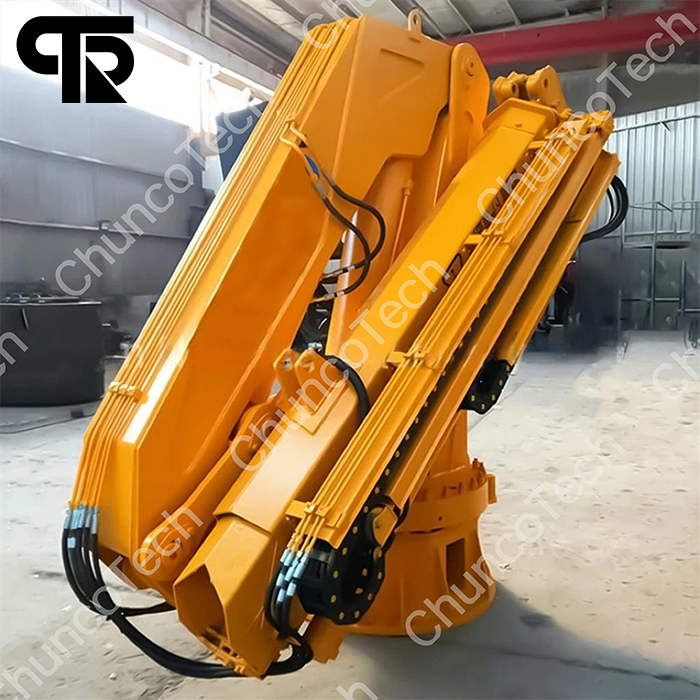
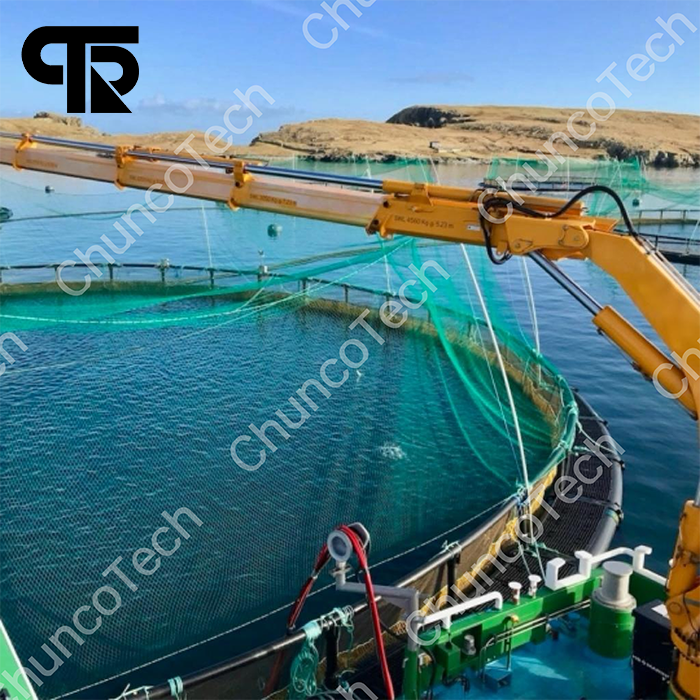
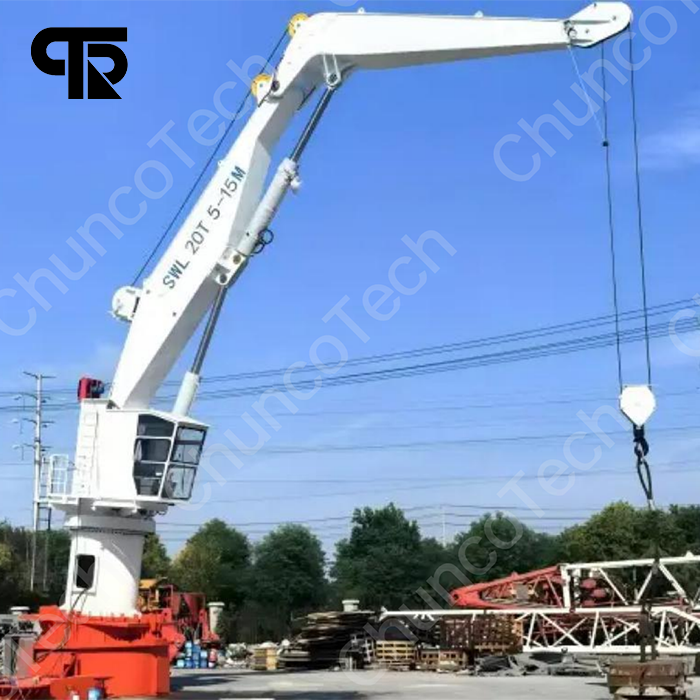
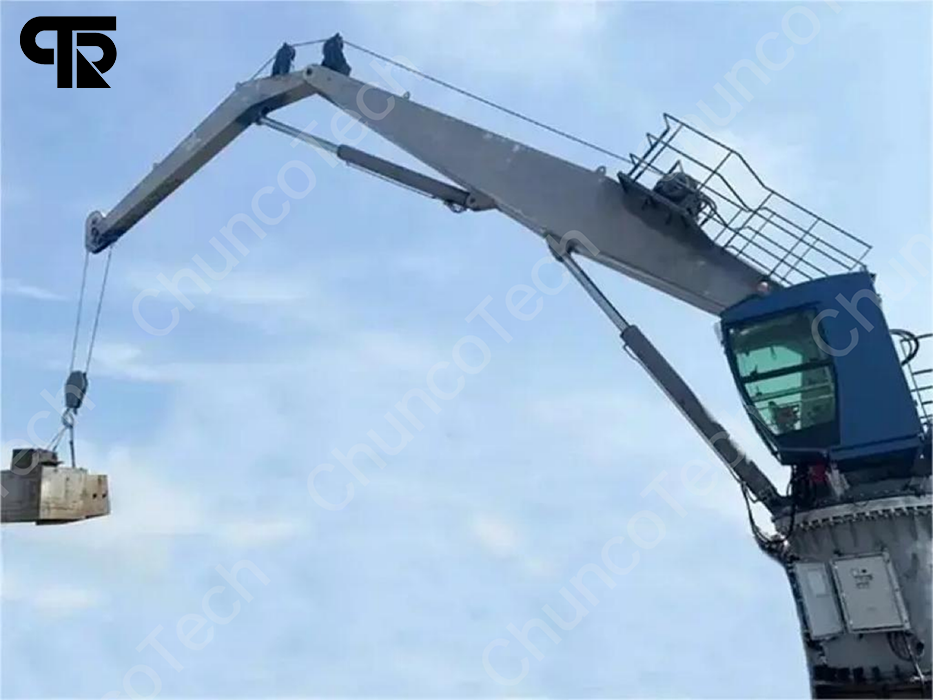
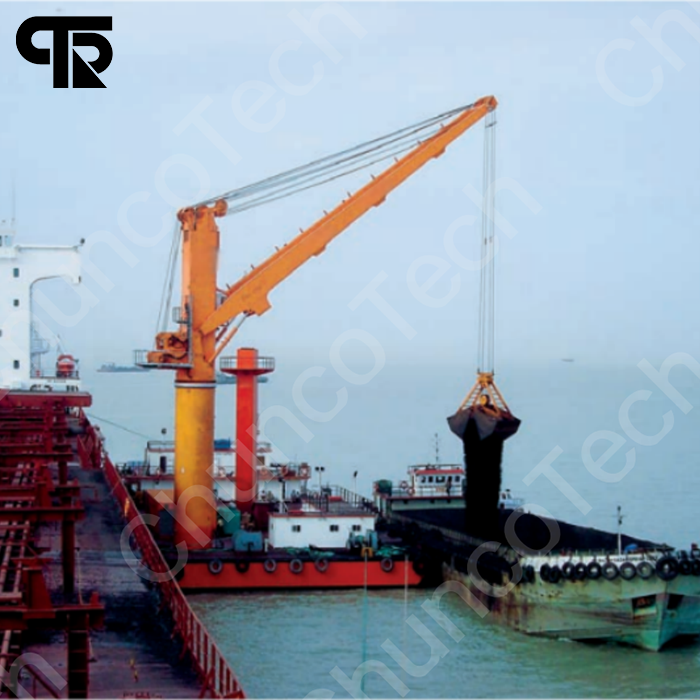
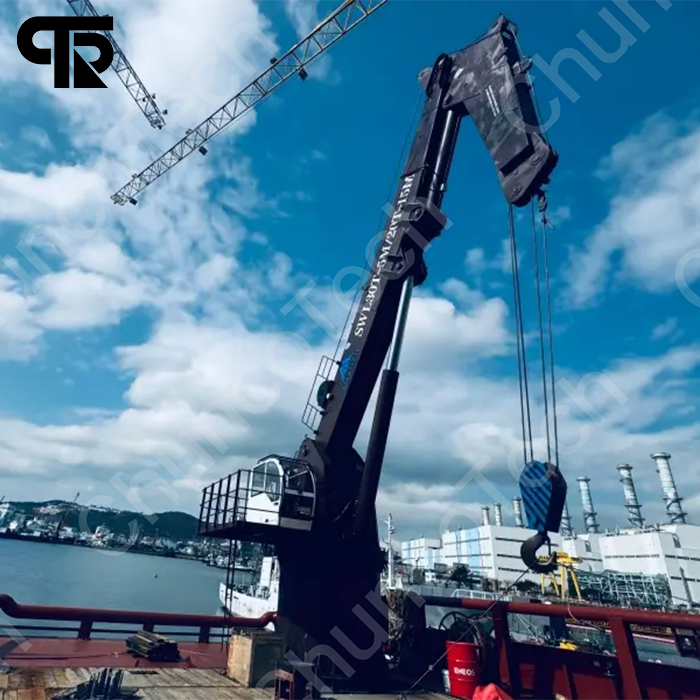
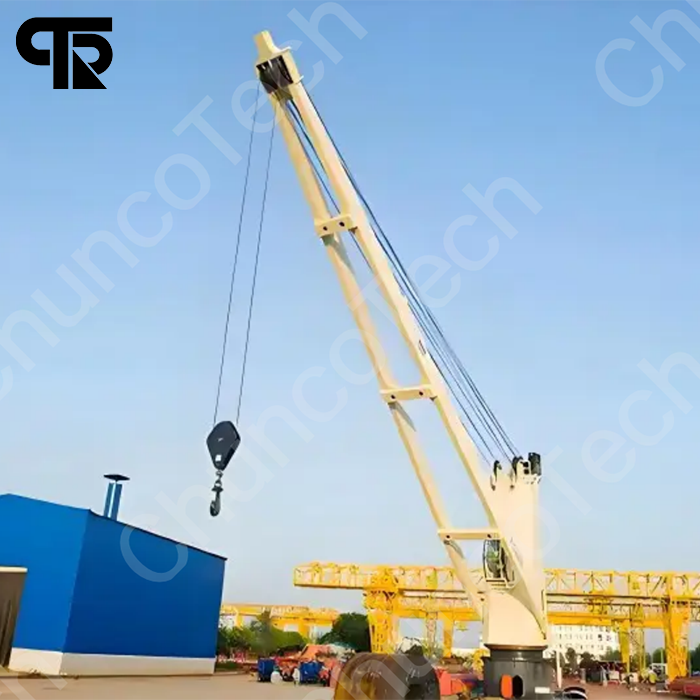
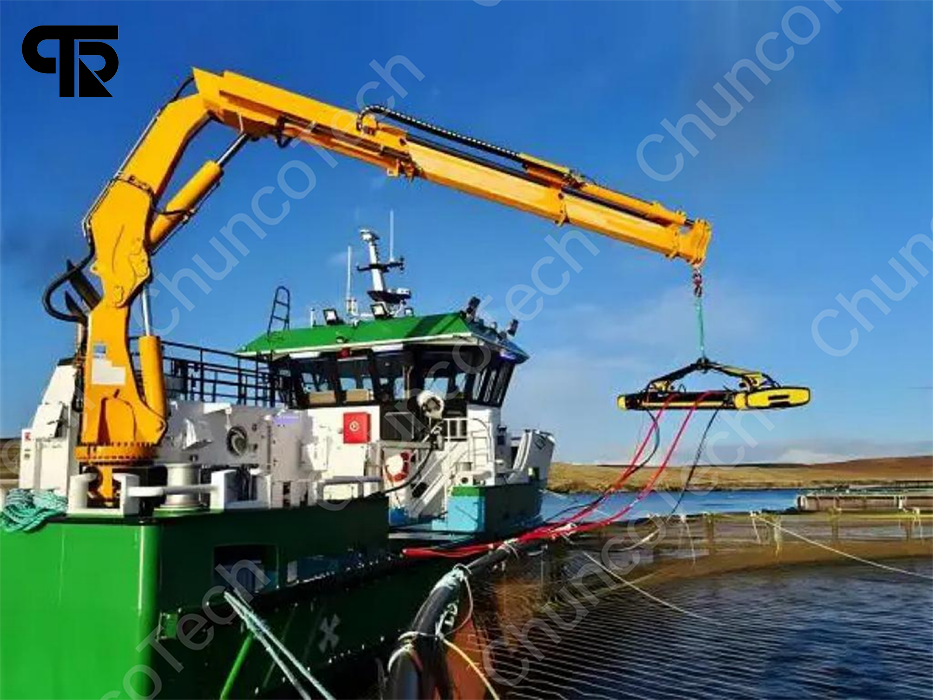
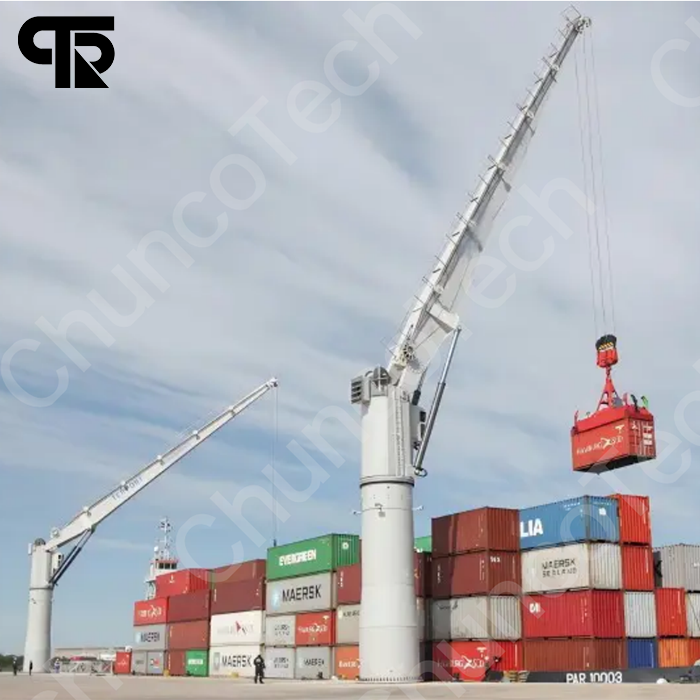
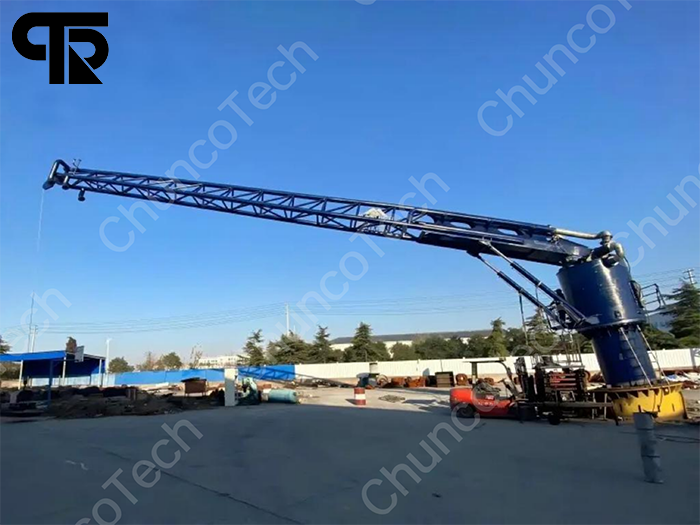
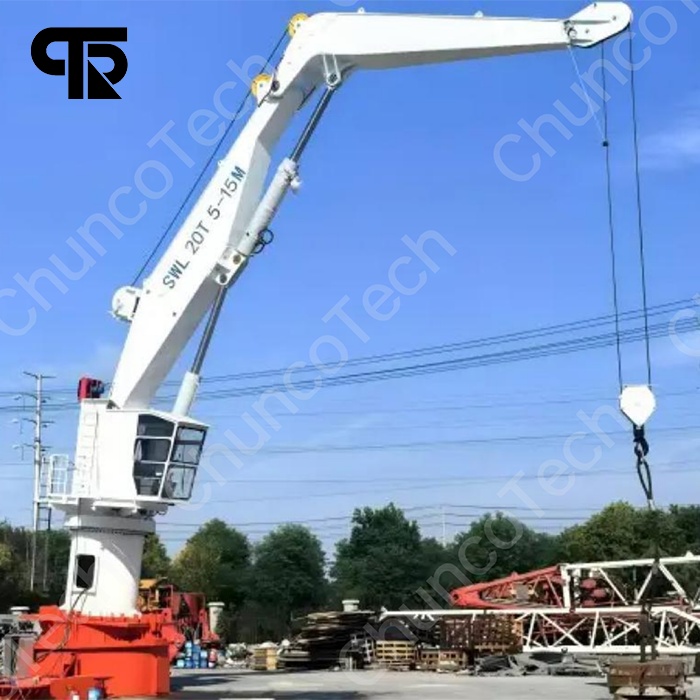
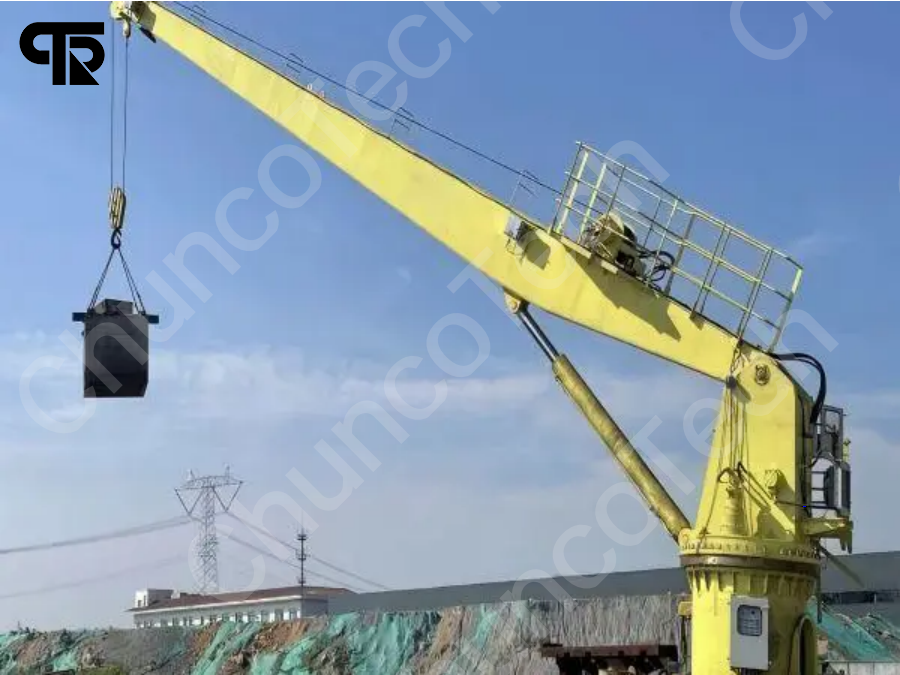
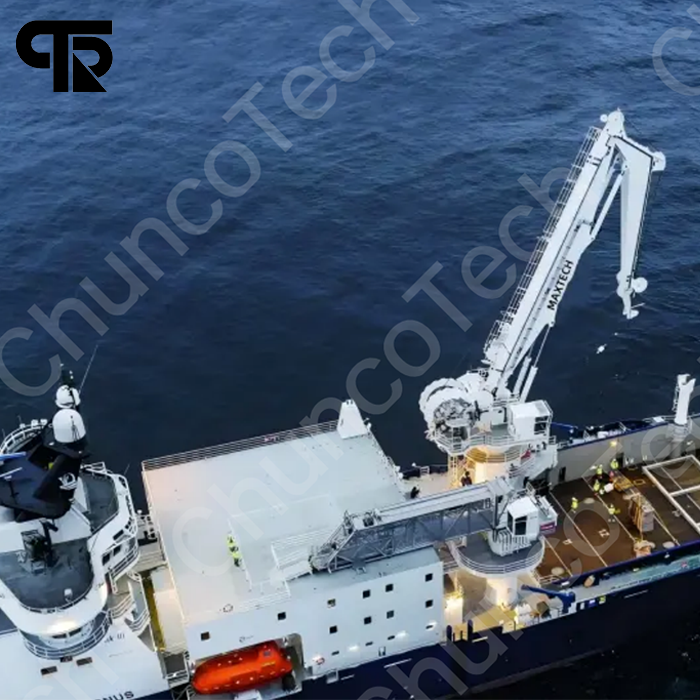
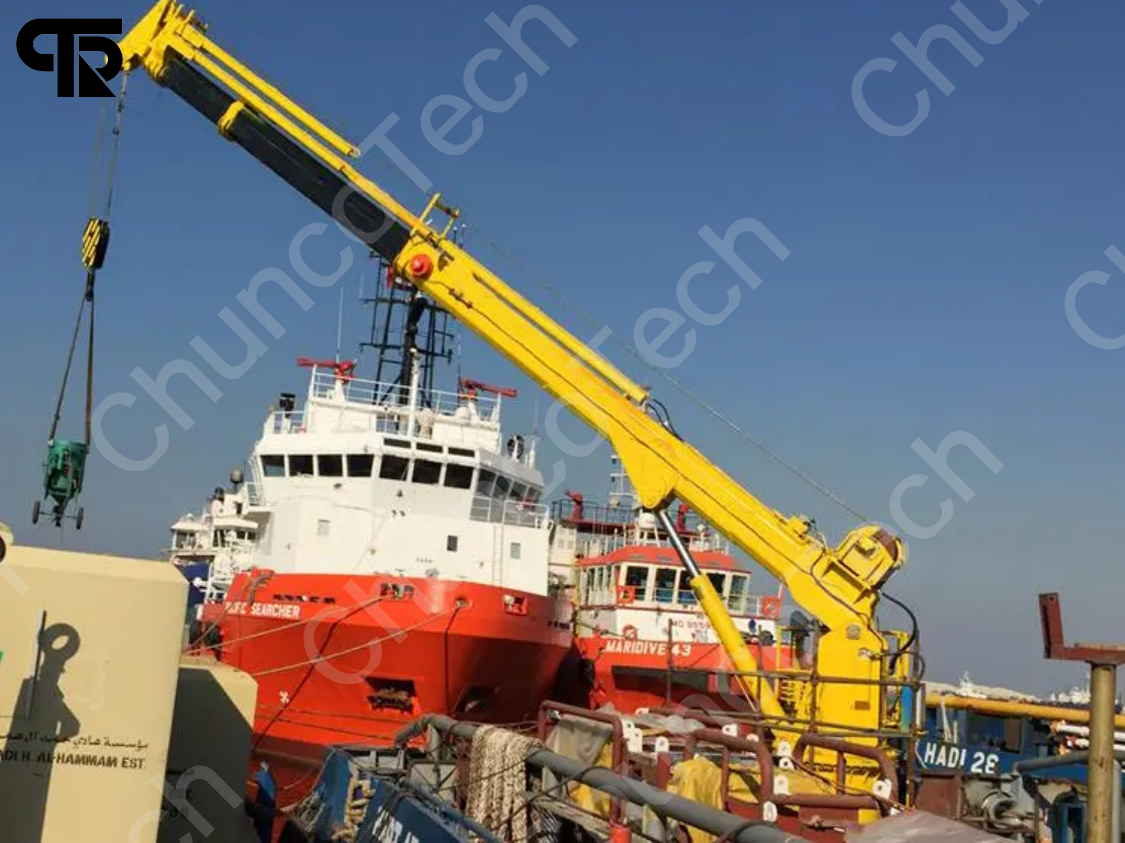
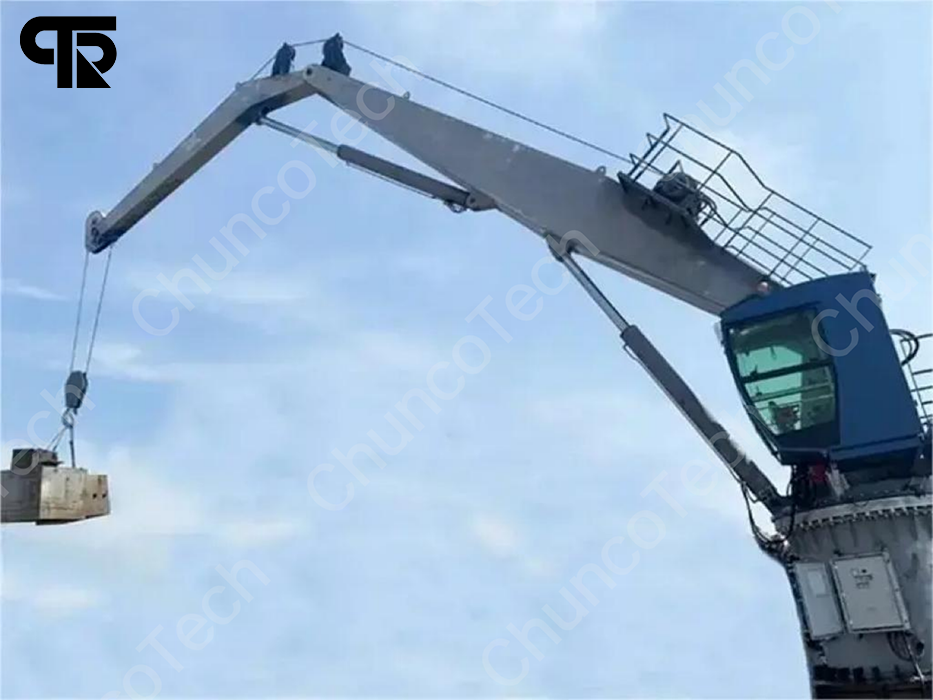
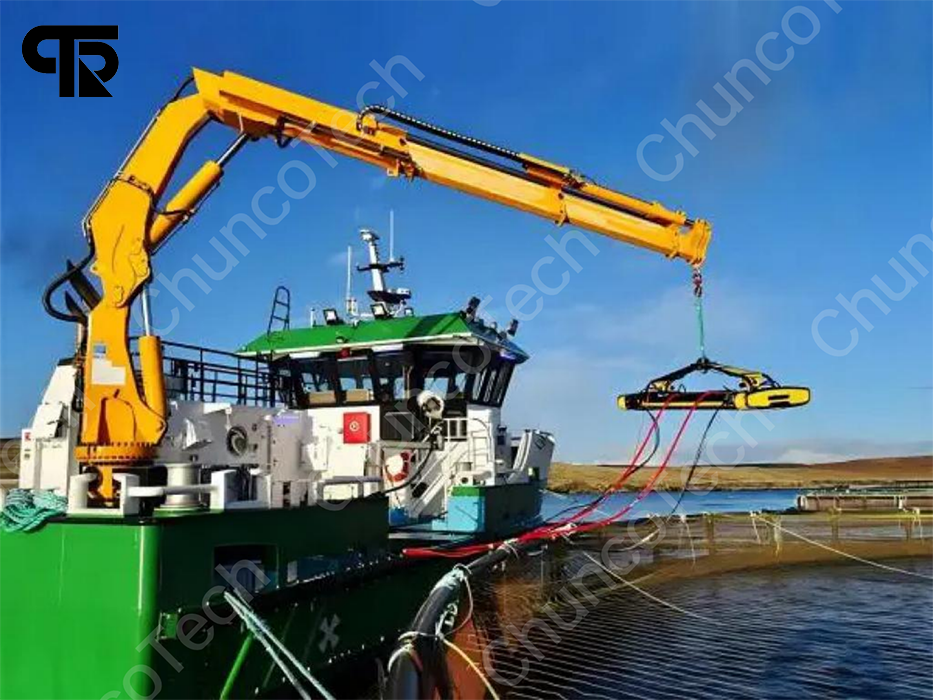
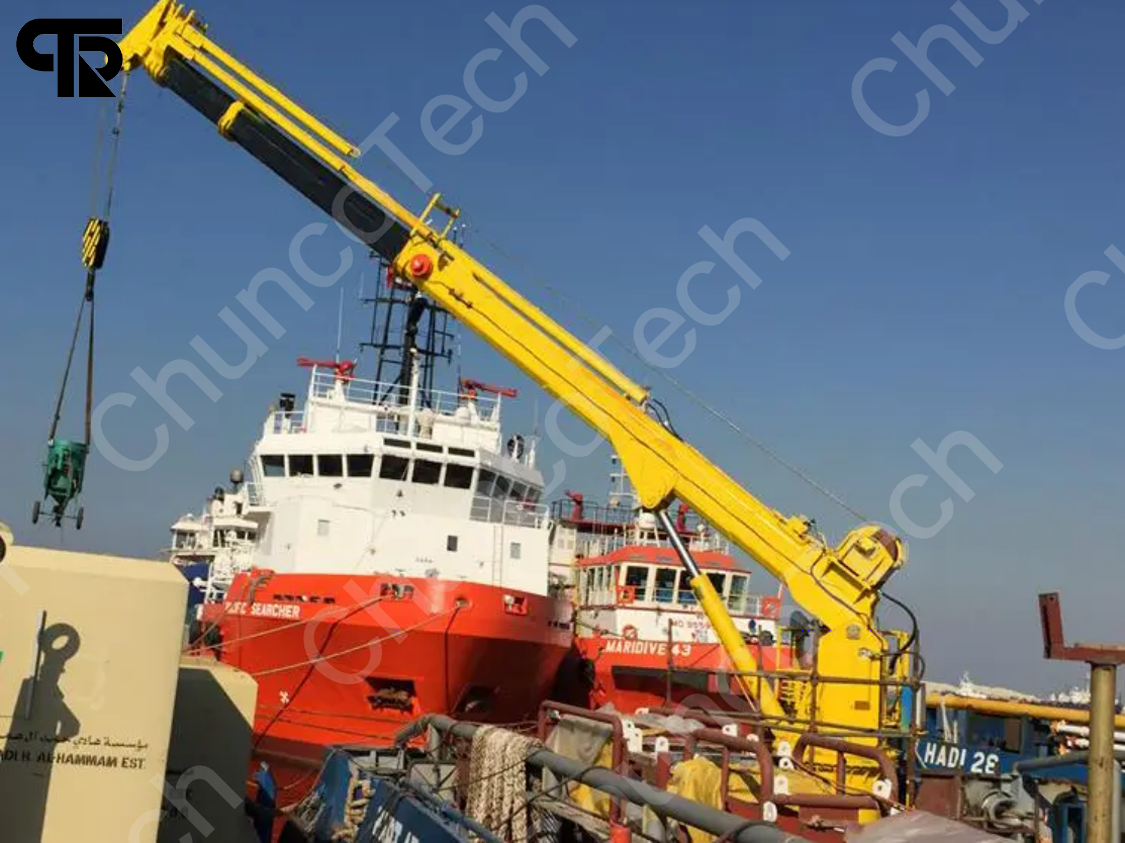
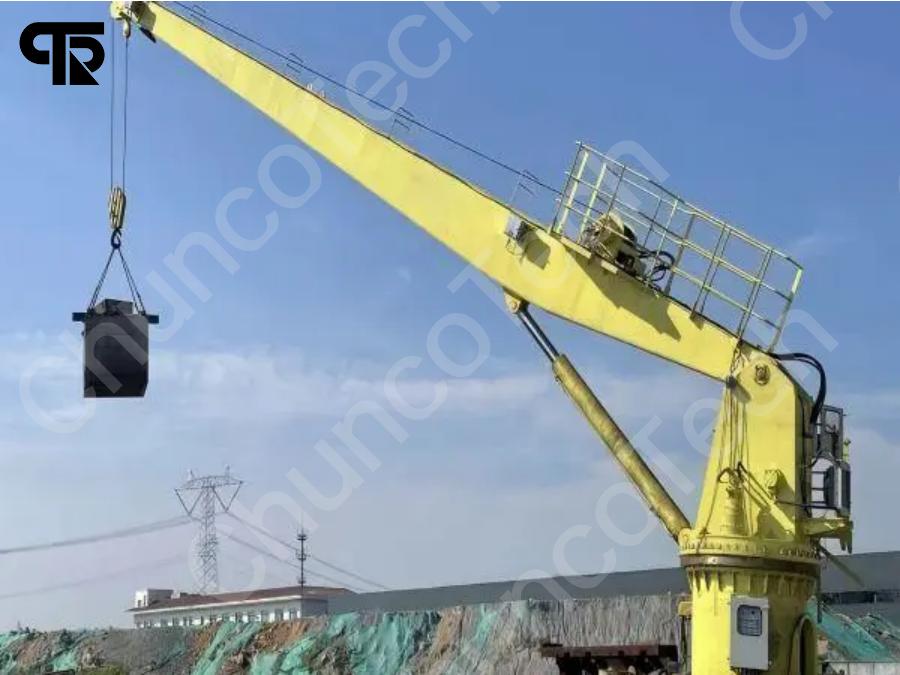
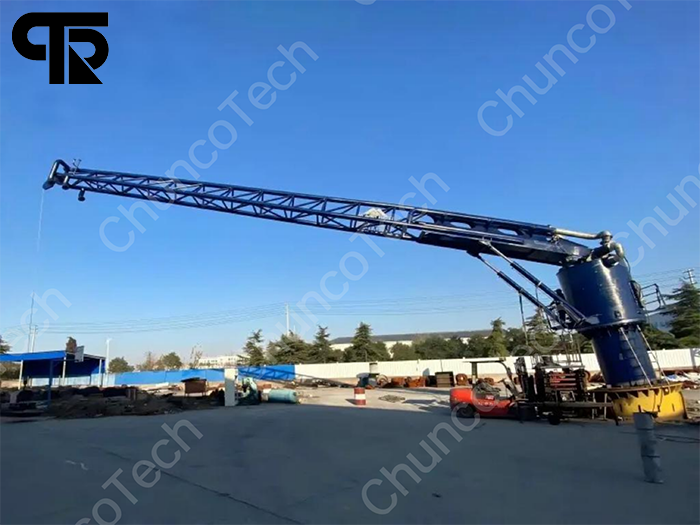
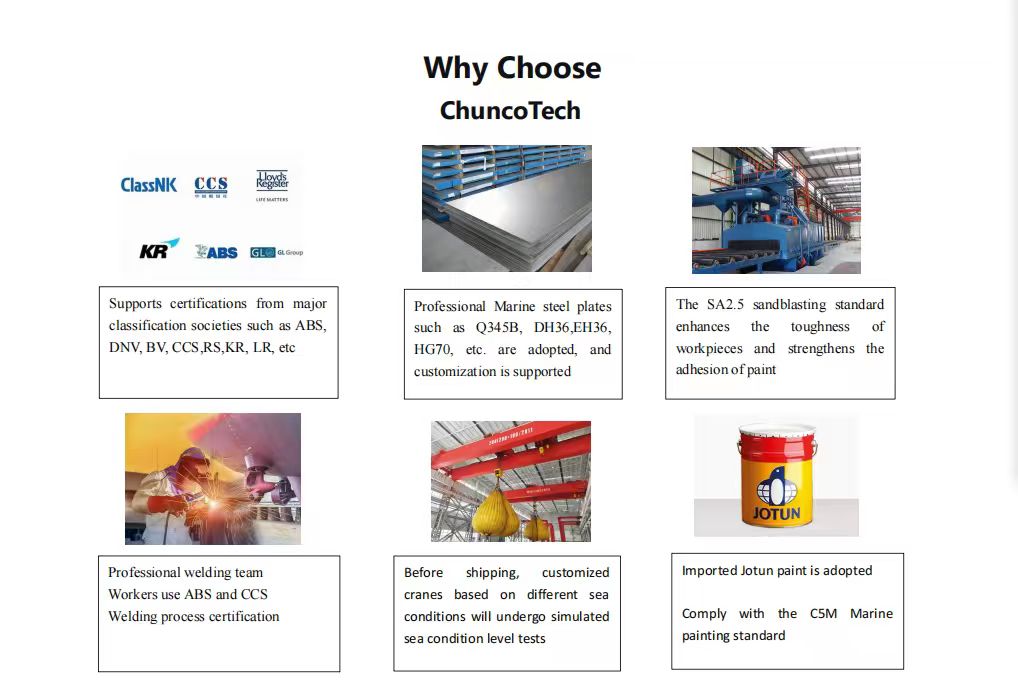
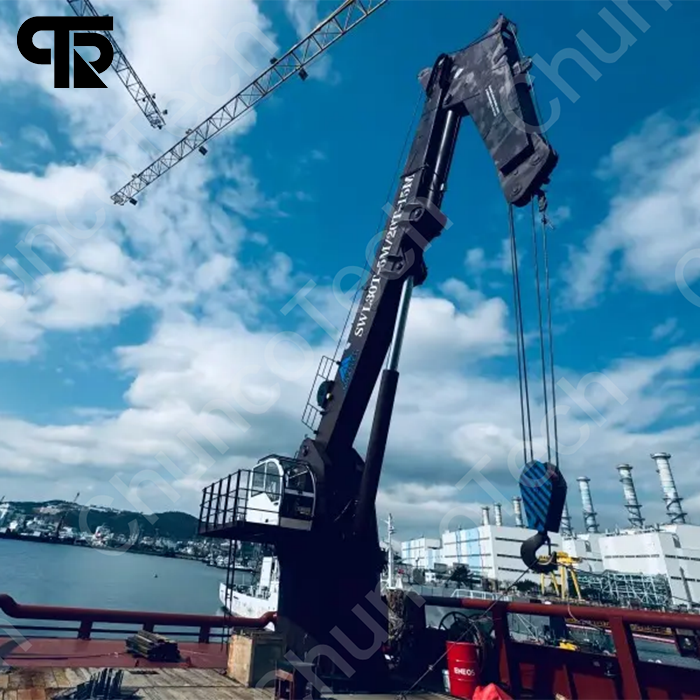
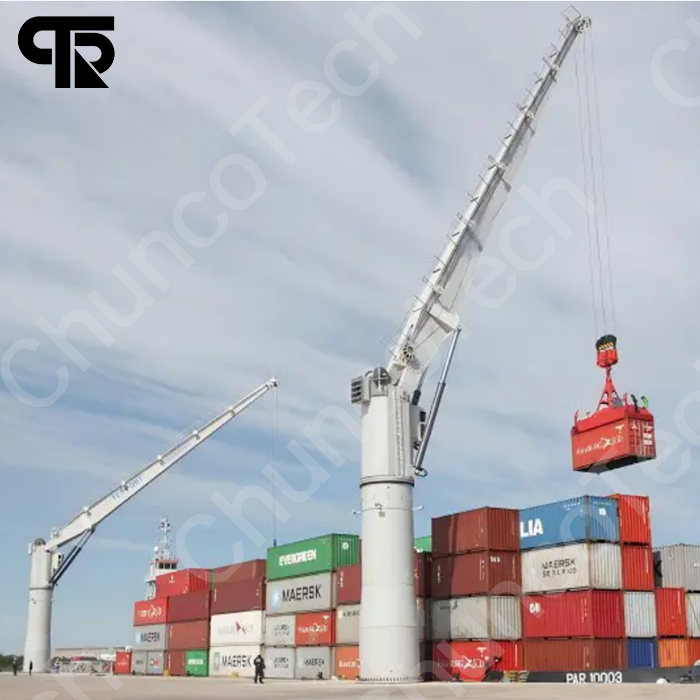
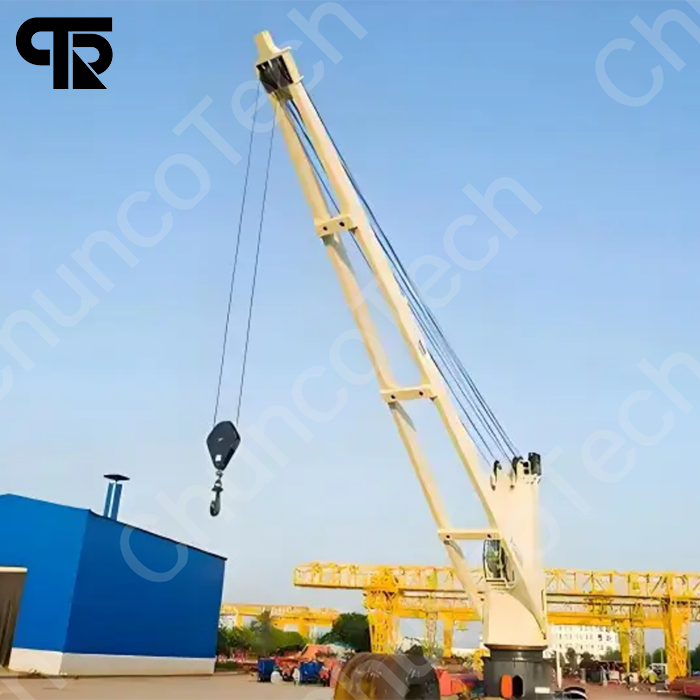
A Stiff boom crane, commonly referred to as a telescopic truck-mounted crane or telescopic boom crane (including both stationary telescopic cranes and mobile telescopic cranes), is a lifting device installed on trucks, engineering vehicles, or fixed bases. It features a rigid boom structure and achieves flexible operation through the synchronous or sequential extension of multiple boom sections. It is widely used in logistics handling, construction projects, and municipal emergency repair. Manufactured from high-strength steel, this product balances high load capacity with high reliability, making it suitable for frequent lifting operations requiring mid-to-short range and high efficiency. It is a core solution for modern material handling.
I. Product Features
1.High-Strength Telescopic Boom System: Designed with a torsion-resistant box structure, the boom offers exceptional load-bearing capacity and smooth extension/retraction, delivering superior working radius and height.
2.Intelligent Hydraulic Control System: Equipped with precision proportional valves and a load-sensing system, it ensures precise control for micro-movements and combined actions, resulting in smoother and more efficient operation.
3.Outstanding Safety Performance: Integrates an Automatic Moment Limiter (AML), overload protection, hydraulic safety valves, and a panoramic safety monitoring system for comprehensive prevention of overload and operational errors.
4.Efficient Power Adaptability: Supports power take-off (PTO) from the vehicle engine or an independent electric motor drive, offering energy efficiency and adaptability to various vehicle environments and operational demands.
5.Modular Design for Easy Maintenance: Key components feature a modular design for simplified troubleshooting and low maintenance costs, significantly improving equipment availability.
6.Flexible Installation and Adaptation: Can be adapted to various truck chassis and fixed foundations, providing customized installation solutions to meet personalized project requirements.
II. Product Advantages
1.High Operational Efficiency: Rapid boom telescoping and slewing reduce setup time, making it particularly suitable for frequent, short-range lifting tasks and significantly accelerating project timelines.
2.Excellent Site Adaptability: Compared to knuckle boom cranes, telescopic cranes offer better visibility and more intuitive, precise positioning in open-space operations.
3.Exceptional Cost-Effectiveness & Reliability: The relatively simpler structure translates to more competitive purchase and maintenance costs, low failure rates, and significant long-term operational economy.
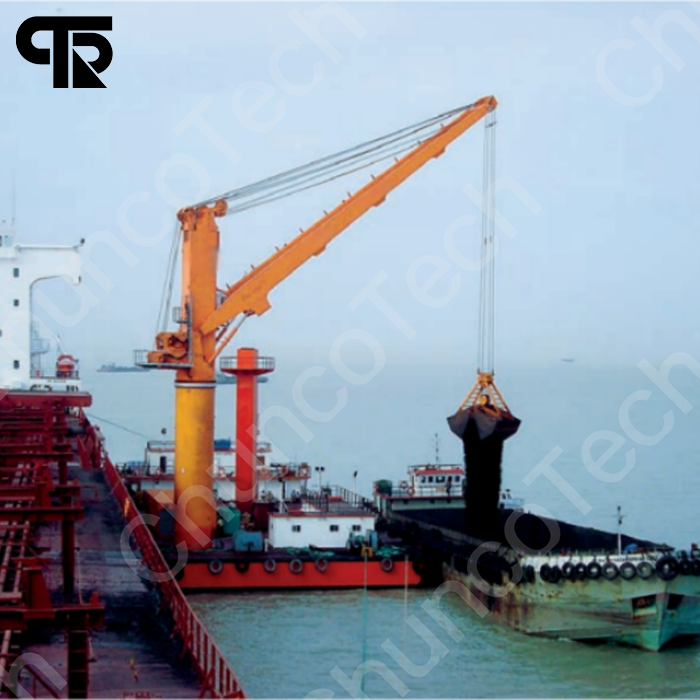
4.Versatile Expandability: Can be easily fitted with various attachments like hooks, grabs, and clamps, enabling multi-purpose use for diverse tasks.
5.Compliance with Safety Regulations: The design strictly adheres to global crane safety standards, helping users easily pass site safety inspections and compliance audits.
III. Application
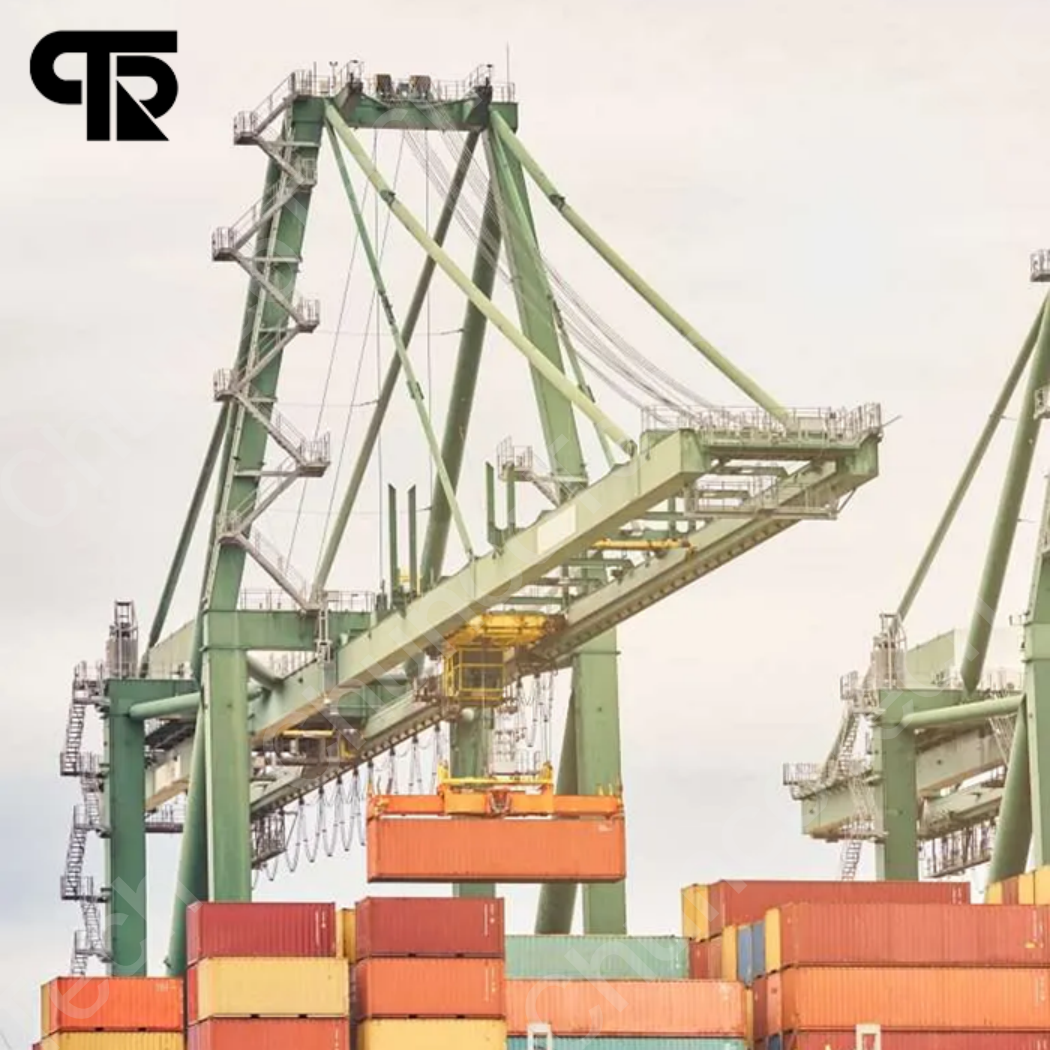
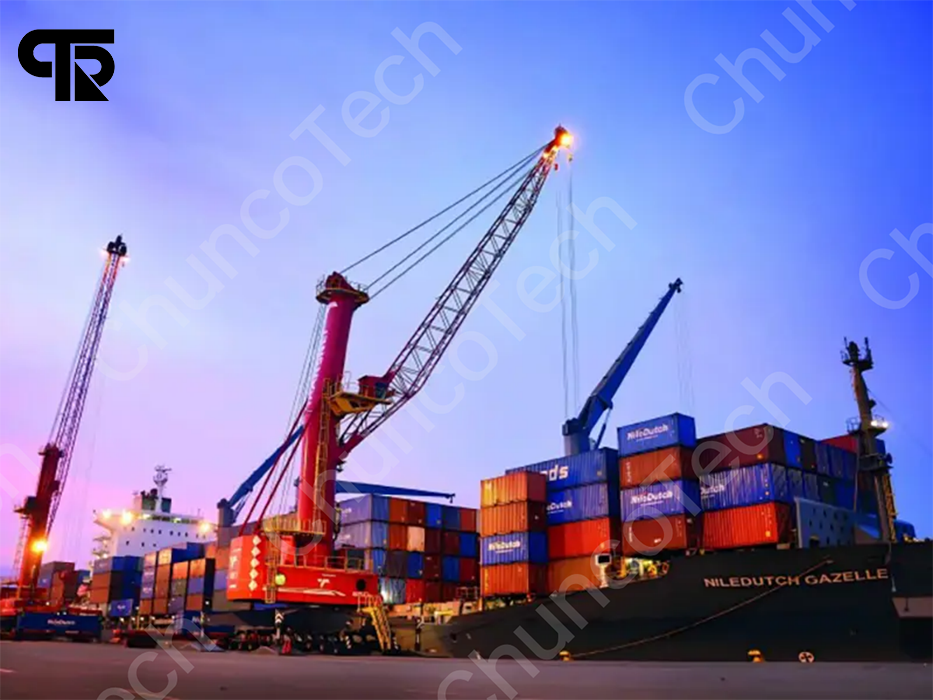
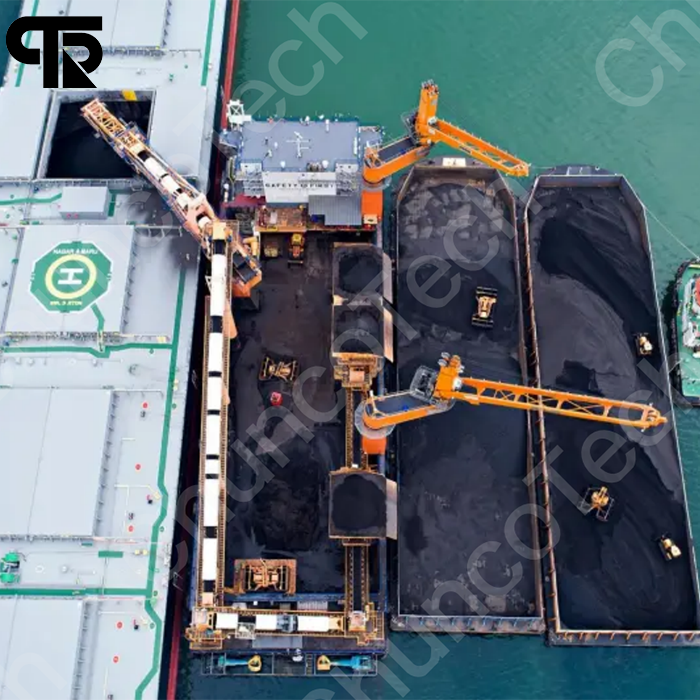
1.Logistics & Cargo Handling: Ideal for container loading/unloading and cargo transfer at freight terminals, ports, and warehouses, enhancing logistics efficiency.
2.Urban Construction & Engineering: Used for lifting construction materials on sites, pipeline installation, steel structure assembly, supporting urban development and infrastructure projects.
3.Public Utilities & Emergency Repair: Widely serves power line maintenance, streetlight installation, municipal landscaping, and rapid lifting tasks in disaster relief operations.
4.Industrial Manufacturing & Equipment Maintenance: Facilitates equipment installation and maintenance and material handling on production lines within factory workshops, streamlining manufacturing processes.
IV. Information Required for Purchase
To recommend or customize the most suitable telescopic boom crane solution, please provide the following details during your inquiry:
1.Specific Application Scenario and Commonly Lifted Materials (e.g., steel transfer, equipment installation, logistics handling).
2.Key Performance Requirements: Including maximum lifting capacity, maximum working radius, maximum lifting height, and commonly used working ranges.
3.Installation Chassis Information: Truck brand/model, chassis load capacity, available installation space/dimensions, and power take-off method.
4.Operating Environment Characteristics: Such as typical worksite (warehouse, construction site, outdoors), ground conditions, and any special environmental needs (e.g., explosion-proof, low-temperature requirements).
5.Budget Range and Special Compliance Requirements: Such as the need to meet specific national safety standards or industry certifications.
V.Purchase&After-sales Support
Procurement process
1.Sign Quotation&TA & PI&SC
2.Production Drawing confirmation (3Dmodels and Key Drawings)
3.Actual production begin
4.Production process following up and report
5.Factory Assemble &testing (inviting clients to attend in advance)
6.Packing &delivery
7.At end user’s site installation , commissioning &training
8.After sales service
After-sales assembly service
To ensure the safe and efficient commissioning of the equipment, our company hereby provides professional after-sales assembly guidance services, with detailed terms as follows:
1. Service Basis and Scope
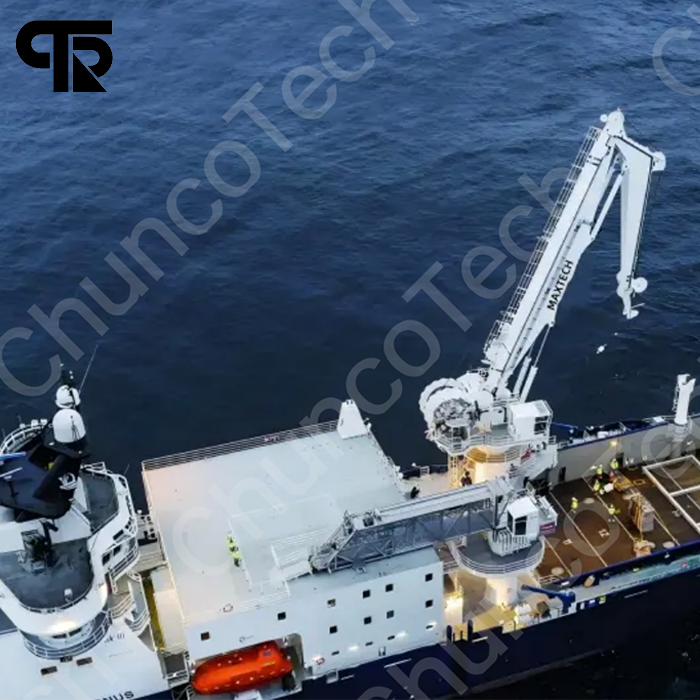
Our company will classify service levels and determine the duration of free on-site guidance and installation services based on the model and overall weight of the ship crane. The free service period is 3–5 working days for small-sized cranes, 5–7 working days for medium-sized ones, and 7–15 working days for large and extra-large models, with the specific terms subject to the sales contract signed by both parties. The service scope covers full-process assembly guidance including on-board equipment positioning, component assembly and commissioning, safety device calibration, and operation procedure training.
2. Pre-service Requirements
The customer shall complete the preparation of on-site construction conditions prior to the agreed service time, including the positioning of lifting equipment, clearing of the operation site, and preparation of supporting auxiliary materials (such as fasteners and seals). Meanwhile, the customer shall provide the relevant ship technical drawings and on-site coordinating personnel required for the operation to ensure the smooth progress of the assembly work.
3. Charging Standard for Extended Service Period
If the service duration exceeds the free quota due to non-our-fault reasons such as the customer’s substandard on-site conditions or inadequate coordination, the excess part will be charged at a technical service fee of 200 USD per person per working day, and the travel, accommodation and catering expenses shall be borne by the customer separately.
4. Service Guarantee and Commitment
The technical personnel dispatched by our company all hold qualifications for ship crane assembly and have rich practical experience. The service process strictly complies with international ship equipment installation specifications and our company’s quality standards.
VI.FAQ
Product Selection & Configuration
Q1: Should I choose a stationary or mobile telescopic boom crane?
A1: This primarily depends on your usage scenario. Mobile (truck-mounted) cranes are integrated onto trucks, offering high mobility. They are suitable for operations like logistics and emergency repairs that require moving between multiple worksites. Stationary cranes are installed at docks, workshops, or fixed foundations. They typically offer greater and more stable lifting capacity, making them ideal for long-term, repetitive fixed-point operations such as production line loading/unloading or warehouse material handling.
Q2: What lifting capacity (tonnage) do I need?
A2: The key is the maximum single-item weight you most frequently lift, with a necessary safety margin. For example, if you regularly lift 5-ton loads, an 8-10 ton model is recommended. It is crucial to also consider the working radius(horizontal distance from the machine to the load), as the crane's capacity decreases significantly at full boom extension. Providing specific working conditions allows manufacturers to recommend the most cost-effective and efficient model.
Q3: How do I choose the right boom length and configuration?
A3: Boom length determines working height and radius. If you often need to work over obstacles (like walls or low buildings) or perform high-level installations, a longer boom is necessary. Additionally, consider opting for a jib extension to handle lifts at complex angles. Describing your typical workspace limitations to the supplier is essential for receiving precise recommendations.
Performance & Safety
Q4: Is the Moment Limiter (AML) necessary?
A4: Yes, it is a core safety device. It calculates load and radius in real-time, providing automatic warnings and restricting dangerous movements when approaching overload, effectively preventing tipping accidents. When purchasing, ensure it is an authority-certified, factory-standard system, not a simple add-on device installed later.
Q5: Is there a big performance difference in hydraulic systems between crane brands?
A5: The difference can be significant. High-end brands use load-sensing hydraulic systems and proportional control valves, resulting in more precise, smoother operation, excellent micro-movement control, and lower energy consumption. During a test operation, pay close attention to control lever sensitivity and the smoothness of combined movements.
Purchase & Installation
Q6: Besides the base machine price, what other costs should I consider when purchasing a crane?
A6: Consider the Total Cost of Ownership (TCO):
1.Installation & Integration Costs: Such as chassis reinforcement and PTO connection.
2.Compliance & Registration Fees: Special equipment inspection, vehicle modification certification.
3.Long-term Operational Costs: Including fuel/electricity consumption, regular maintenance, and spare parts prices.
4.Attachment Costs: Such as hooks, grabs, clamps, etc.
Q7: Can I use my existing truck chassis for installation?
A7: This requires strict evaluation. Provide the chassis model for the manufacturer to verify its load-bearing capacity, frame structural strength, and the availability of a suitable Power Take-Off (PTO) interface. An incompatible installation can lead to chassis deformation, tipping risks, and affect the vehicle's legal compliance.
After-Sales & Maintenance
Q8: What does the warranty policy typically cover, and how long is the warranty period?
A8: Typically, structural components (like the boom) have a longer warranty period (up to 3-5 years), while hydraulic and electrical systems have a shorter period (1-2 years). Be sure to clarify: Does the warranty cover labor and travel costs? Are there nearby service outlets for quick response? This is key to ensuring equipment availability.
Q9: Is daily maintenance complicated? What are the main maintenance points?
A9: Following the manual makes it manageable. The core points are:
1.Daily: Check hydraulic fluid levels, wire ropes, and structural components for visible damage.
2.Periodic: Change hydraulic fluid and filters according to hour intervals; lubricate all pivot bearings.
3.Critical: Strictly avoid overload operations, the primary cause of equipment damage.
Q10: How can I verify the supplier's capability and reliability?
A10: We recommend the following steps:
1.On-site Visit: Tour their production facility and R&D testing facilities.
2.Case Study Visits: Request local customer references with working conditions similar to yours and visit to see the equipment in operation.
3.Service Evaluation: Inquire about their service radius, inventory of common spare parts, and emergency breakdown response time.
Certificate

