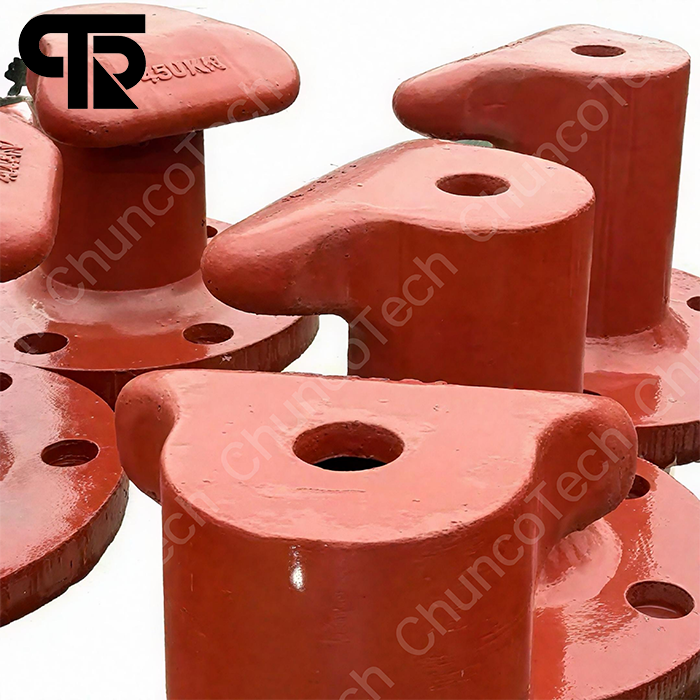
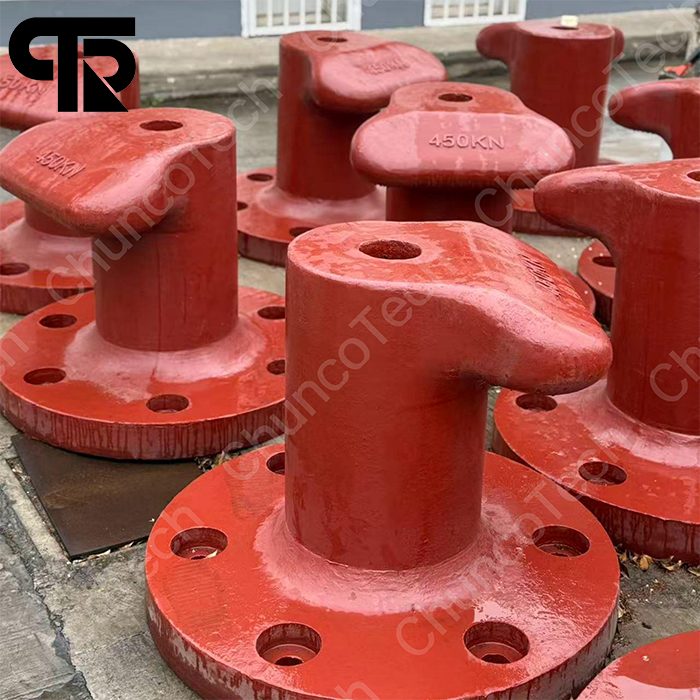
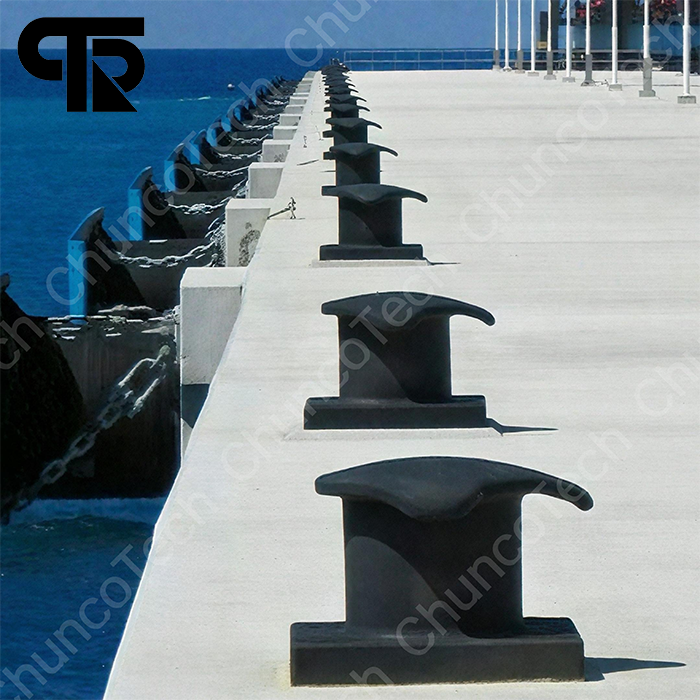
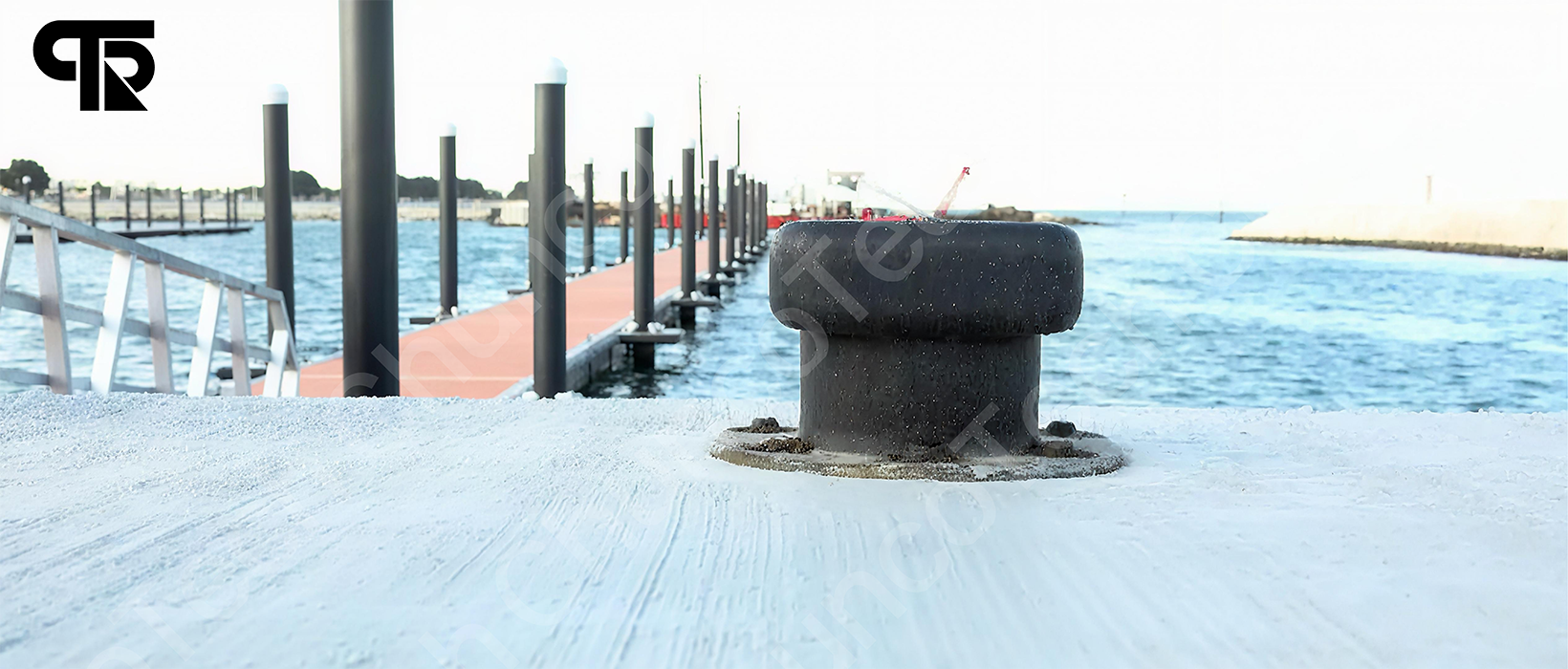
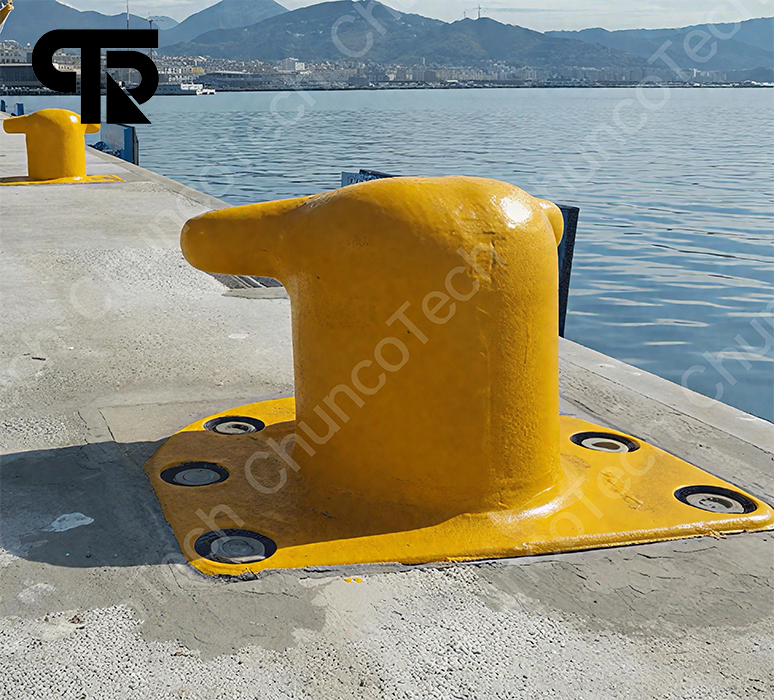
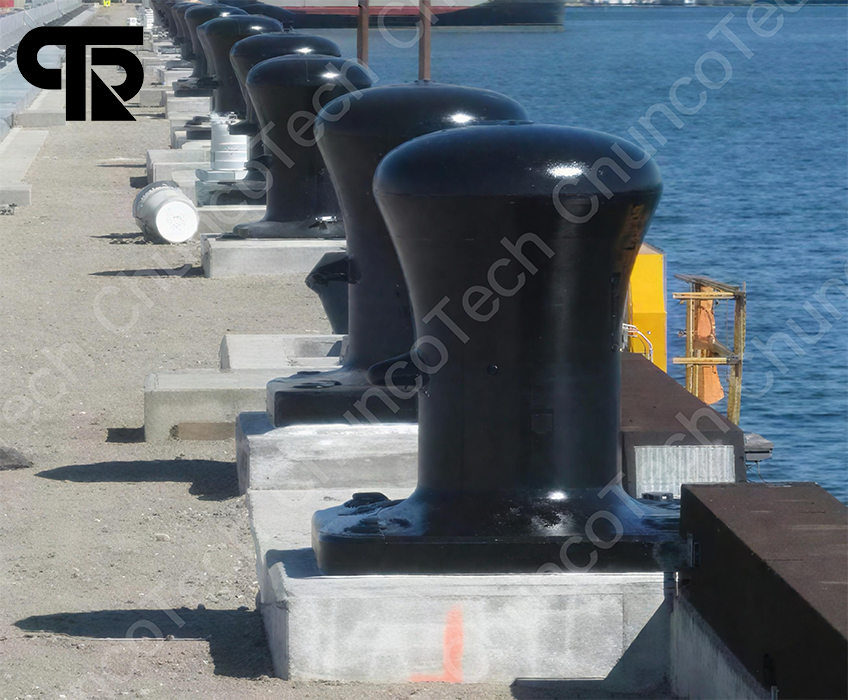
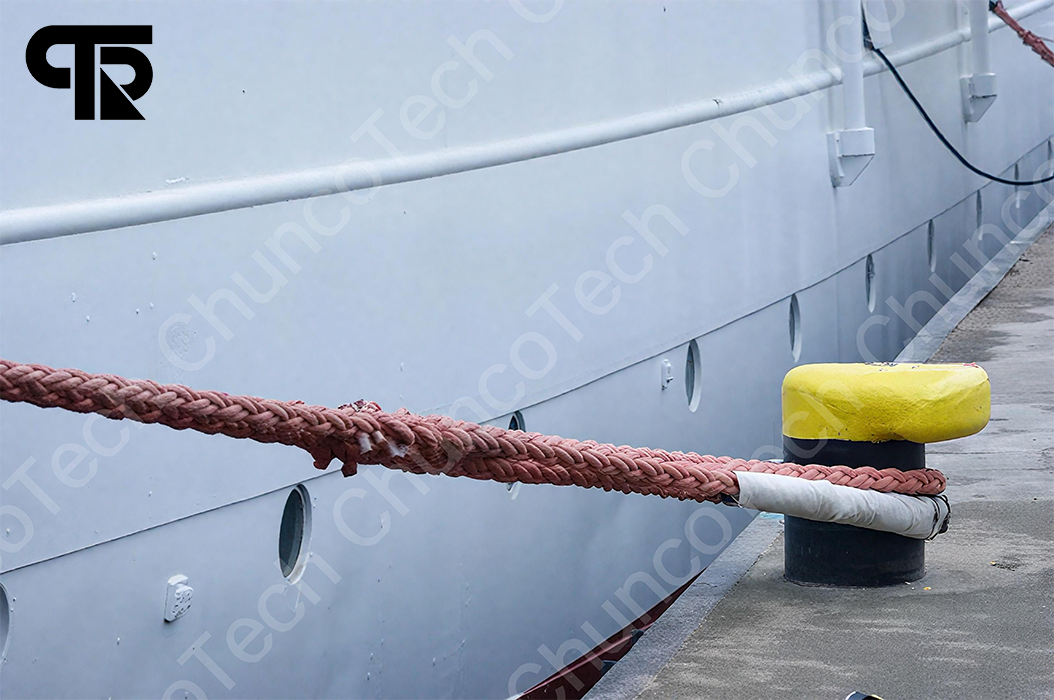
Mooring Pillar
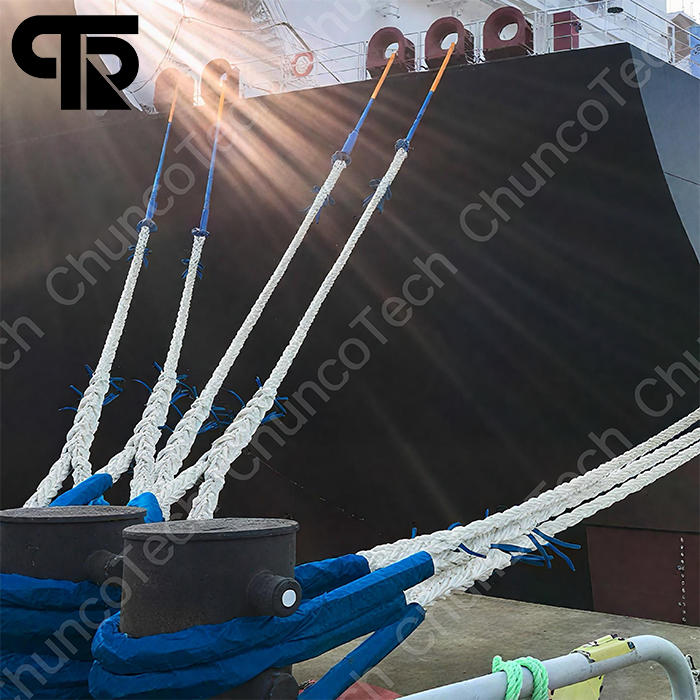
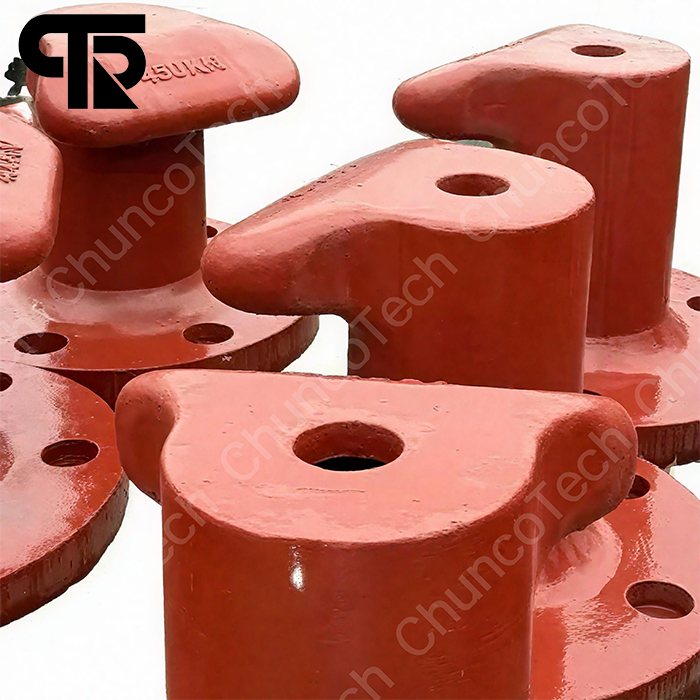
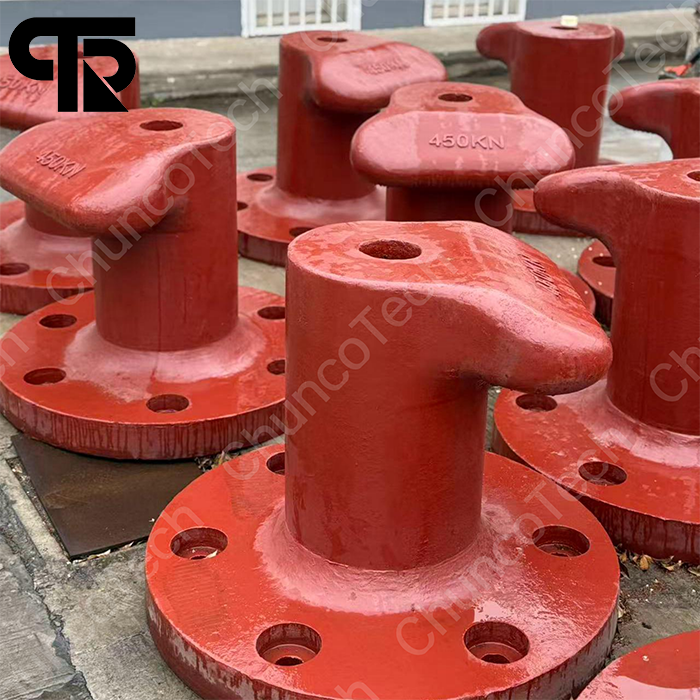
A Mooring Pillar, commonly referred to as a mooring or bollard pillar, is a permanent marine steel structure primarily used for securing vessels or floating facilities, providing a reliable mooring point and load-bearing connection. Its core function is to reliably transfer cable tension to deep foundations, offering stable resistance against uplift and lateral displacement for ports, docks, floating piers, single-point mooring systems, and various offshore platforms. Compared to traditional gravity-type concrete anchor blocks, modern Mooring Pillars typically utilize a high-strength steel pile structure and incorporate embedded or helical pile designs. These can achieve anchorage forces far exceeding their own weight by penetrating deep into soil or rock. This design effectively reduces structural volume, saving on engineering costs and construction time, and is widely used in projects with complex geological conditions or limited space.
I. Product Features
1.High Load-Bearing Structural Design: Utilizes optimized pile structures, such as helical blade designs or toothed variable cross-section designs, to significantly increase the skin friction between the pile and the surrounding soil/rock, thereby providing extremely high resistance to uplift and horizontal loads.
2.Exceptional Uplift & Lateral Resistance: Transfers loads to deep, stable strata, fundamentally solving the problem of insufficient uplift capacity in shallow foundations. Particularly suitable for structures subjected to significant uplift forces, such as large ship mooring facilities and communication tower foundations.
3.Excellent Geological Adaptability: Can be customized for different geological conditions (e.g., silt, sand, weathered rock). Stability and reliability in various complex foundations are ensured by adjusting pile length, diameter, and embedment depth.
4.Modular & Prefabricated Production: Core piles and components can be prefabricated in factories, ensuring uniform quality, significantly reducing on-site construction time, and minimizing environmental impact.
5.Long Service Life & Low Maintenance: The main structure typically features high-performance anti-corrosion treatment (e.g., hot-dip galvanizing), ensuring long-term use in harsh marine or humid environments with minimal maintenance requirements.
II. Product Advantages
1.Significant Cost & Time Savings: Compared to traditional large-excavation concrete gravity anchors, the use of high-strength anchor rods and prefabricated pile technology can effectively reduce engineering costs and shorten construction schedules.
2.High Spatial Efficiency, Minimal Environmental Disturbance: Embedded or helical installation requires minimal above-ground space, eliminating the need for large-scale excavation and backfilling, causing very little disturbance to the surrounding environment and existing structures.
3.Clear Load Transfer Mechanism, Safe & Reliable: The load transfer path is clear. Bearing capacity can be accurately predicted and verified through calculations and tests (e.g., anchor pull-out tests), ensuring engineering safety.
4.High Repairability & Replaceability: Compared to monolithic cast concrete anchors, some Mooring Pillar system designs allow for inspection, maintenance, or replacement of key load-bearing components (e.g., anchor heads, cable connectors), extending the overall facility's lifespan.
5.Enhanced Overall System Integrity: Advanced embedded pile designs can connect left and right anchoring structures into a unified whole, allowing for collaborative load-bearing and distribution, greatly improving the overall stability and safety of the mooring system.
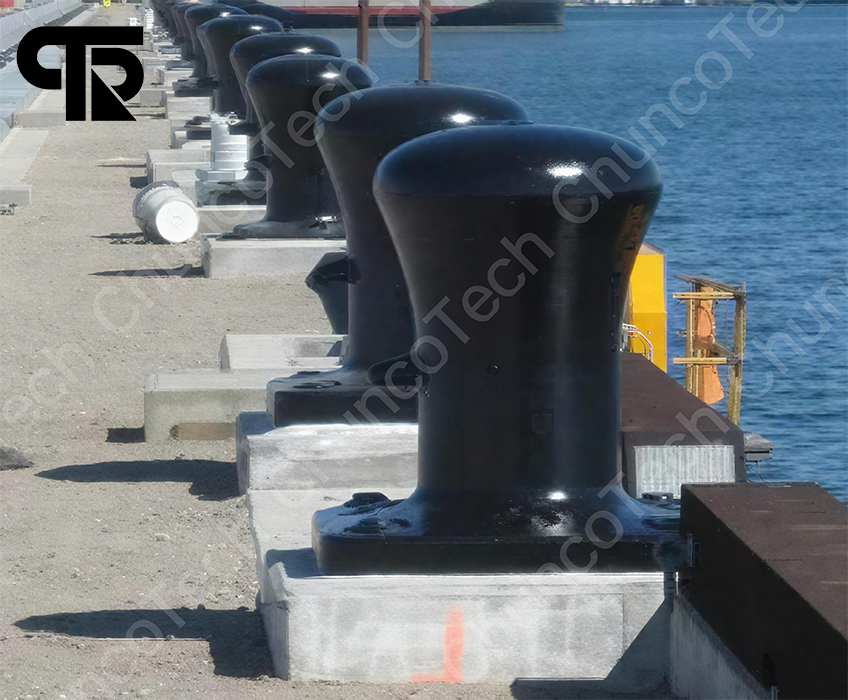
III. Application
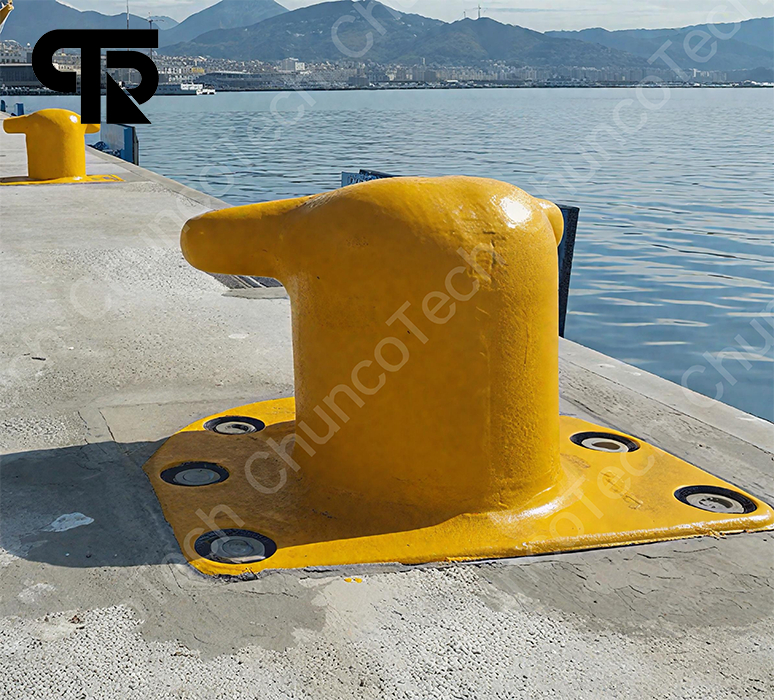
Mooring Pillars are a key anchoring solution for various marine and hydraulic engineering projects, primarily used in:
1.Port & Wharf Engineering: For securing pontoon barges, mooring buoys, serving as permanent mooring points for floating piers and shorelines.
2.Shipbuilding & Repair Facilities: For boundary anchoring in dry docks and shipyards, providing anti-slide security in projects like dry dock extensions.
3.Bridge Anchorage Systems: As a core component of suspension bridge tunnel-type anchorages or embedded gravity anchorages, bearing the immense tensile force from main cables.
4.Offshore Engineering & Energy Facilities: For the positioning and securing of offshore oil drilling platforms, offshore wind turbine foundations, and single-point mooring systems.
5.Special Foundation Engineering: Suitable for specialized foundations of structures like power and communication towers that are subjected to significant uplift forces.
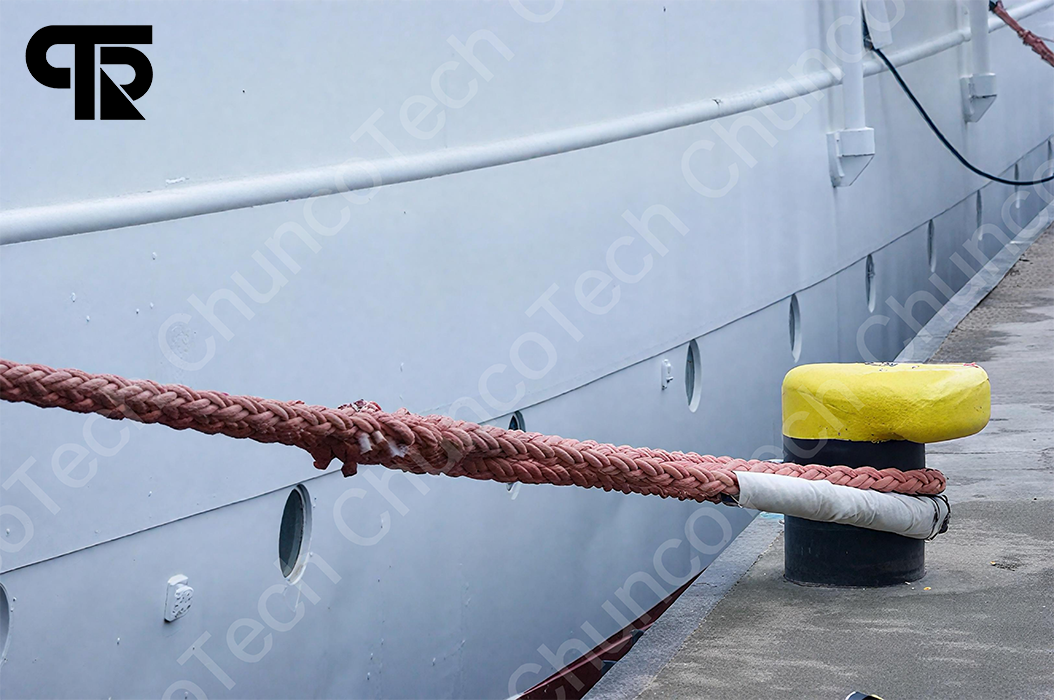
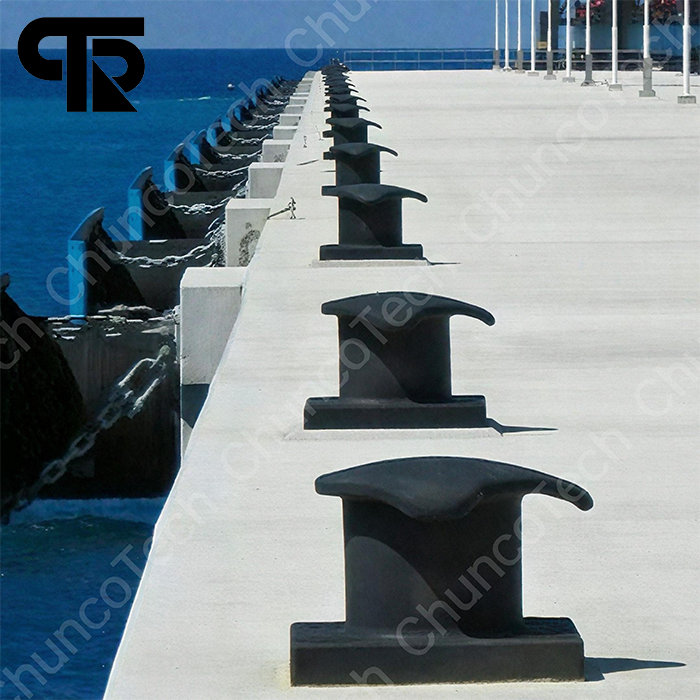
IV. Information Required for Purchase
To ensure accurate product selection and quotation for you, please prepare the following information:
1.Basic Project Information: Specific application scenario (e.g., floating pier, dry dock, bridge anchorage) and required design service life.
2.Load Design Requirements: Required design values for maximum mooring line pull, uplift resistance, lateral load resistance, as well as the direction and frequency of load application.
3.Geotechnical Investigation Report: Detailed geological data for the anchor location, including soil layer distribution, bedrock elevation, rock mass characteristics (e.g., weathering degree), and groundwater conditions.
4.Installation Environment & Constraints: Onshore or offshore construction, available construction space, proximity to existing structures, and any restrictions on noise or vibration.
5.Applicable Standards & Certifications: National, industry-specific technical specifications, or special certification requirements the project must adhere to.
6.Preliminary Design Plans or Drawings: If available, please provide to expedite technical coordination.
V.FAQ
Q1: What is the biggest advantage of a Mooring Pillar compared to a traditional concrete anchor block?
A1:The biggest advantage is efficient space utilization and significant engineering economy. It derives its load-bearing capacity by penetrating deep into the foundation, avoiding the large-scale excavation and massive material quantities required for casting huge concrete blocks, thereby saving costs, shortening timelines, and reducing environmental disruption.
Q2: How is the required length and specification for a Mooring Pillar determined?
A2:This depends primarily on the design loads and the on-site geological conditions. The effective embedded depth of the pile must be determined through calculations based on the soil layer's mechanical parameters from the geotechnical report to ensure sufficient skin friction. Suppliers typically require this information for professional design.
Q3: Is the product suitable for all complex geologies, such as soft silt or hard rock?
A3:Yes, it has broad applicability. For soft soil foundations, helical piles with larger surface areas or increased embedment depth can be used to enhance anchorage. For rock layers, designs can incorporate rock-socketed piles or be used in conjunction with high-strength anchor rods. The key is targeted design based on the geotechnical report.
Q4: Is the construction process complex? Does it require special equipment?
A4:The construction process is relatively mature. Vibratory hammers or auger drilling equipment are commonly used for onshore or shallow water installation. Offshore construction or specific helical piles may require specialized hydraulic driving equipment. Professional suppliers usually provide construction guidance or full-solution packages.
Q5: What is the product's corrosion resistance? Can it meet long-term use in marine environments?
A5:Absolutely. Mooring Pillars typically employ long-term anti-corrosion solutions, such as hot-dip galvanizing or heavy-duty coating systems for seawater environments, ensuring they meet design service lives of several decades even in corrosive conditions.
Q6: How should I evaluate a supplier's reliability when purchasing?
A6:It is recommended to assess the following aspects: Supplier Qualifications (e.g., track record supplying for large projects), Technical Capability (ability to provide detailed calculations and solutions based on your geological data), Quality Control Systems (quality control during factory prefabrication), and reviewing past application cases in major projects like bridges and ports.
Certificate