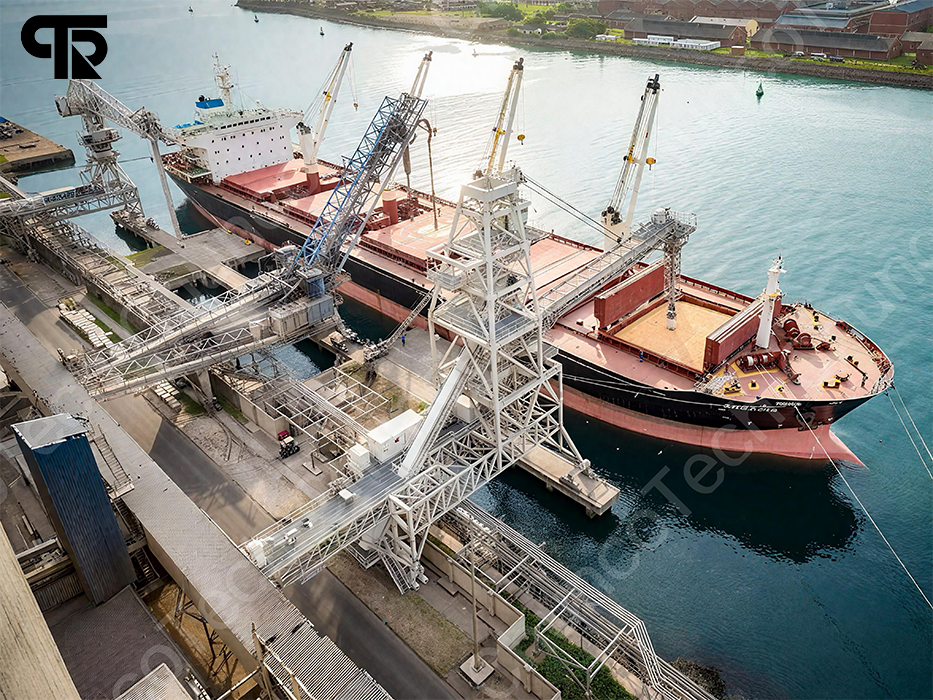
I.Product Features
Modern cement clinker unloaders integrate mechanical design with intelligent control to address numerous pain points in traditional unloading processes. Key features include:
Efficient Sealed Unloading and Dust Control:
The equipment employs a fully enclosed unloading gallery design, sealing dust at the source. Combined with a high-capacity, localized dust collection system, it creates an effective negative pressure airflow in the unloading zone, achieving dust-free clinker truck unloading operations. This completely solves the environmental challenges of high dust generation and difficult collection in traditional unloading.
Anti-Clogging Intelligent Unloading Design:
To tackle the common problem of clinker bridging and clogging at the discharge point, advanced models are equipped with a clinker unloader anti-clogging and clearing device. Through built-in mechanical clearing mechanisms (such as moving grates, breaker plates) or controlled vibration/rodding devices, it can automatically intervene when reduced flow is detected, preventing complete blockages and ensuring smooth discharge.
Adjustable Discharge and Precise Feed Control:
The equipment integrates clinker discharge rate control components, allowing flexible and precise adjustment of material flow based on downstream process needs or loading speed. This avoids spillage from unloading too quickly or efficiency loss from unloading too slowly, making it key to a cement clinker quantitative loading system.
Heavy-Duty Chain Bucket Elevator and High Abrasion Resistance:
The core conveying component uses a heavy-duty designed circulating bucket elevator, capable of withstanding the high temperature (typically <80°C, can be adapted for higher with special materials) and high abrasiveness of clinker. Its robust construction ensures long service life and low failure rates under continuous heavy-duty conditions.
Automated Operation and Remote Monitoring:
Operations—from the automatic descent and positioning of the discharge head, to automatic retraction when full, and interlocks with dust collectors and valves—can all be automated via an integrated electrical control system. It supports remote monitoring and fault diagnosis, forming the foundation for an intelligent cement clinker loading system.
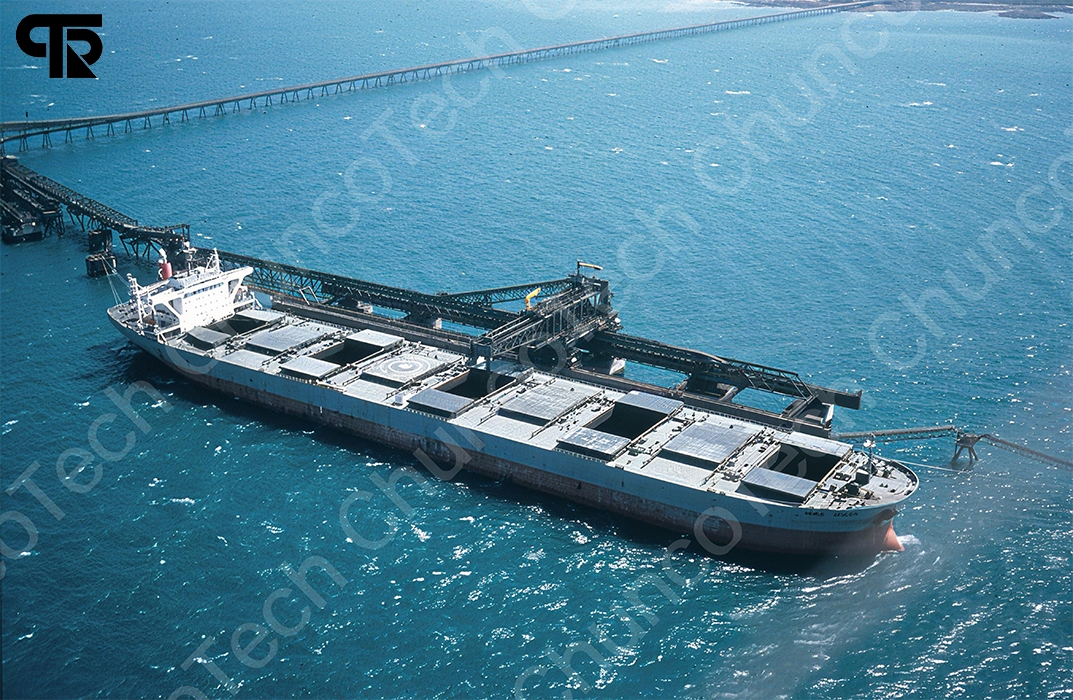
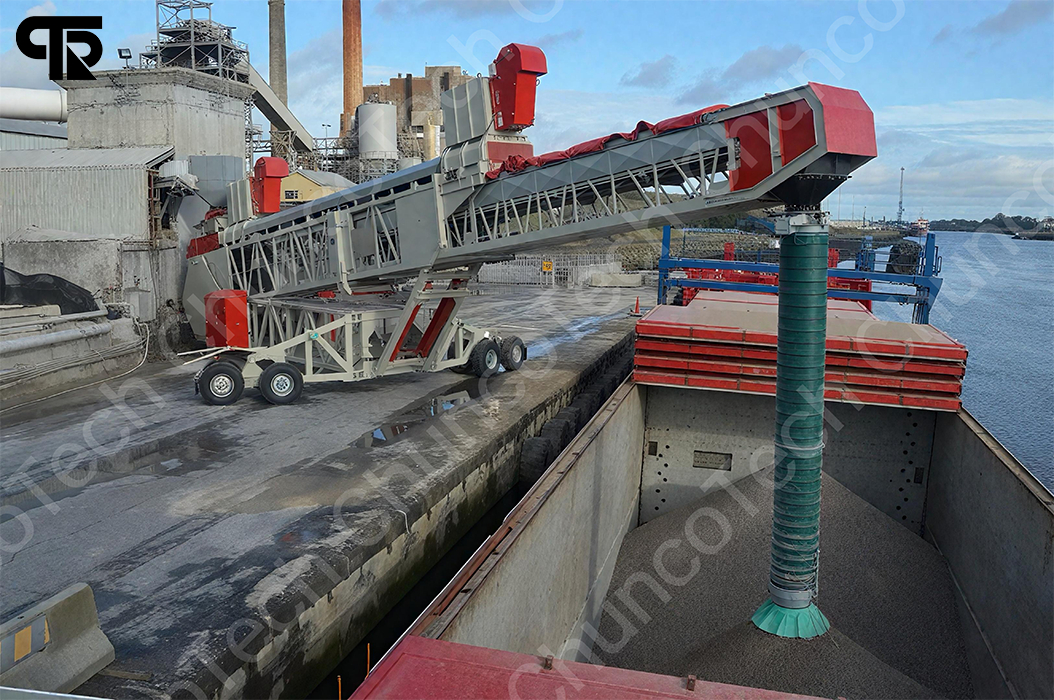
This equipment is specifically designed for bulk clinker handling in the cement and related industries, suitable for:
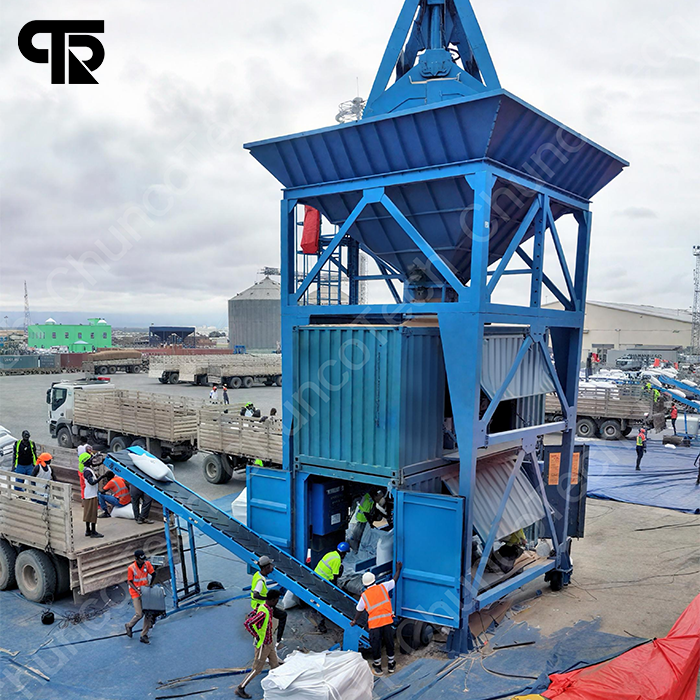
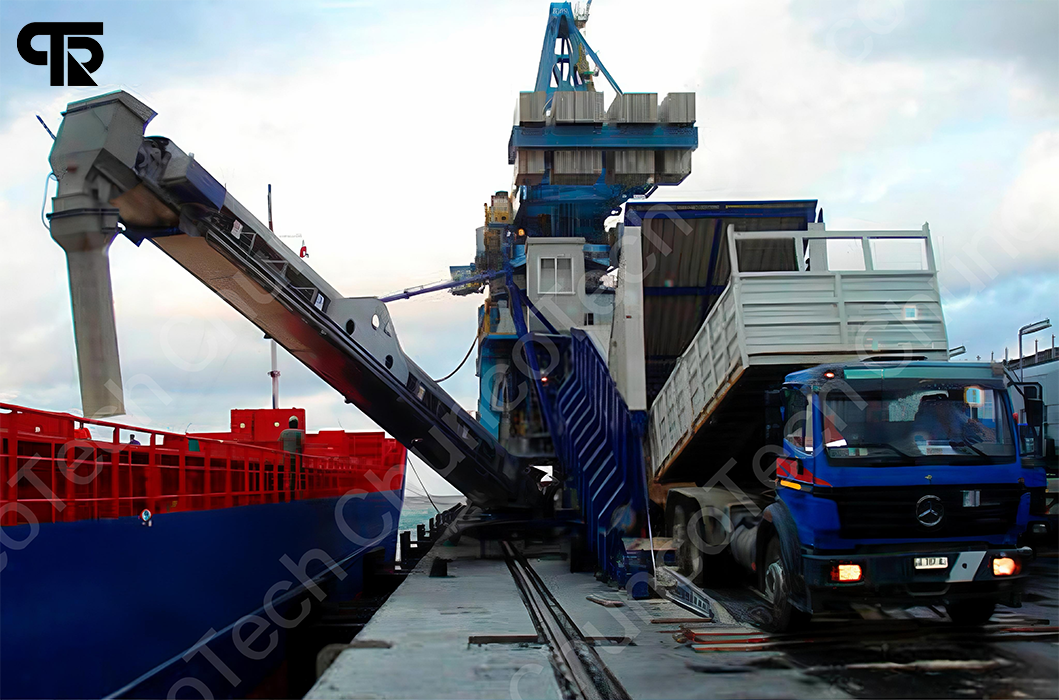
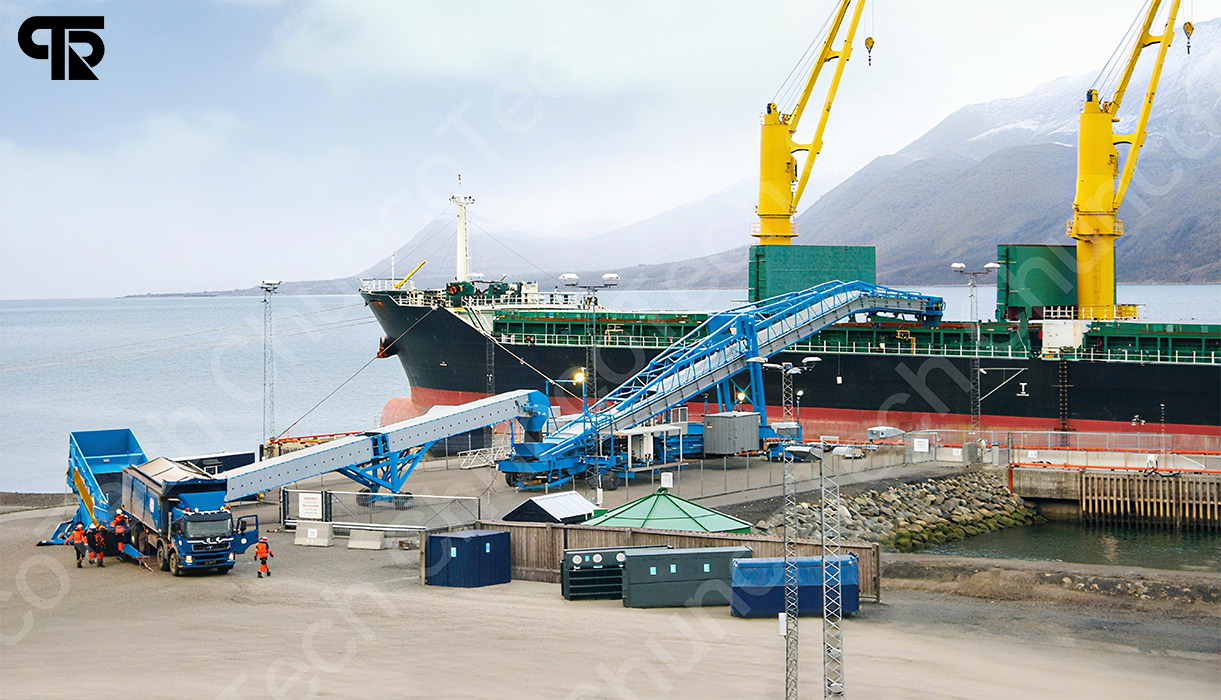
Cement Plant Clinker Silo Bottom/Side Truck Loading: The most typical application, for directly and rapidly loading clinker from storage silos into bulk trucks or railcars.
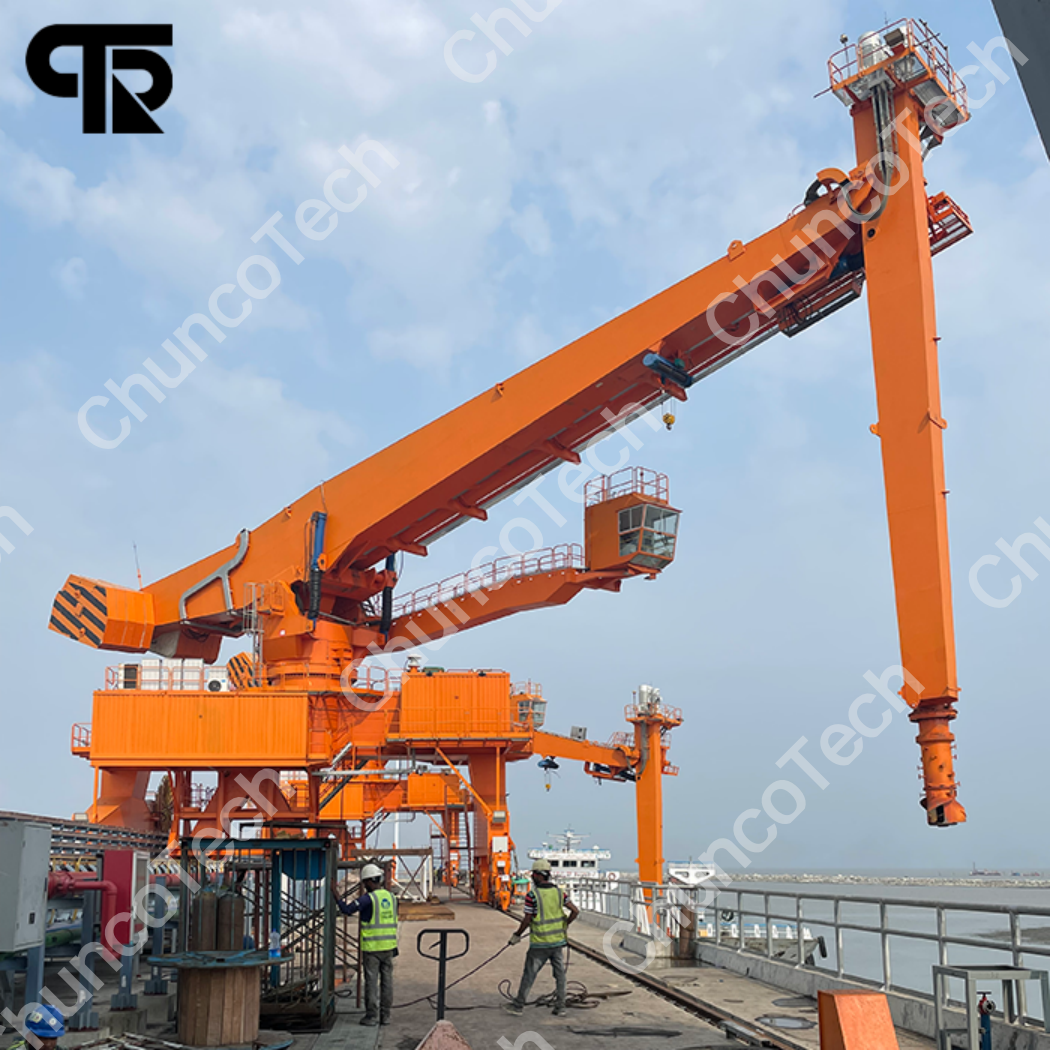
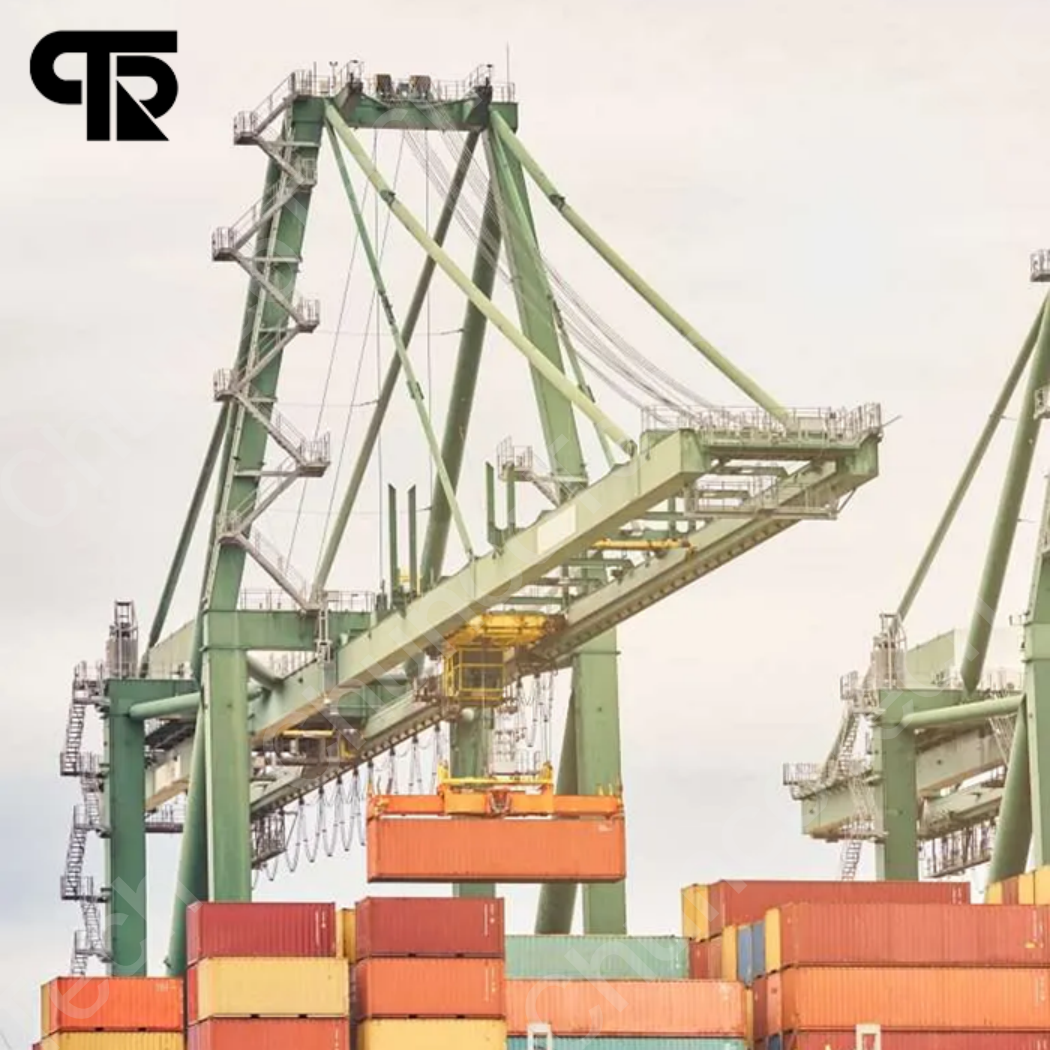
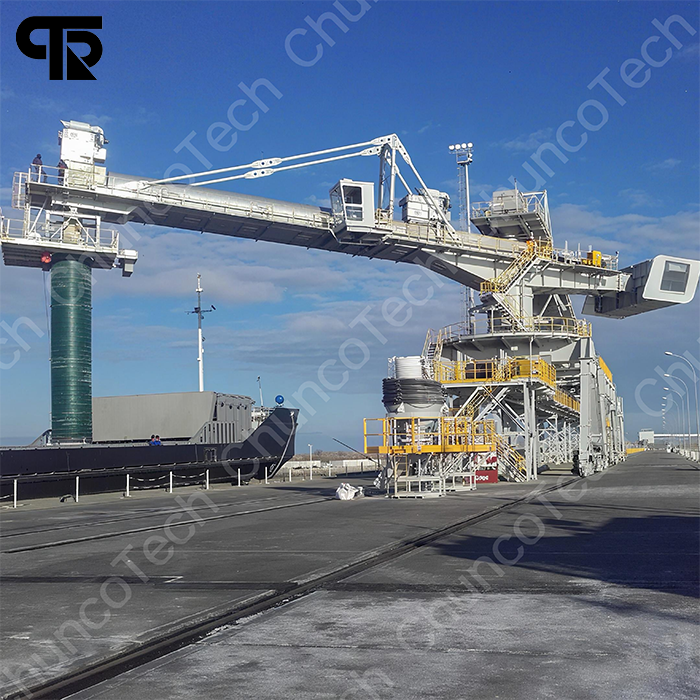
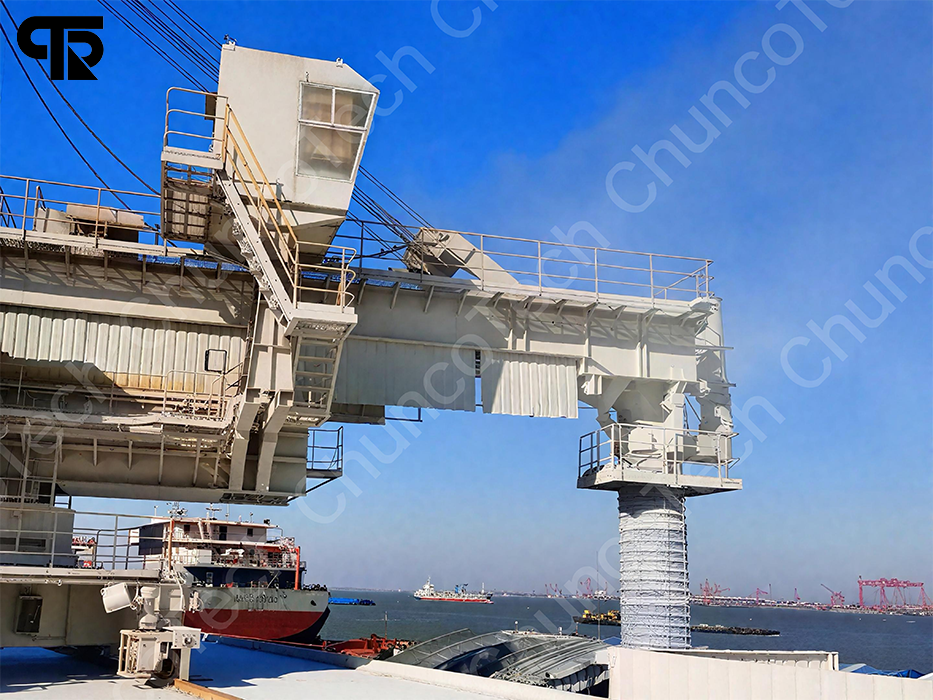
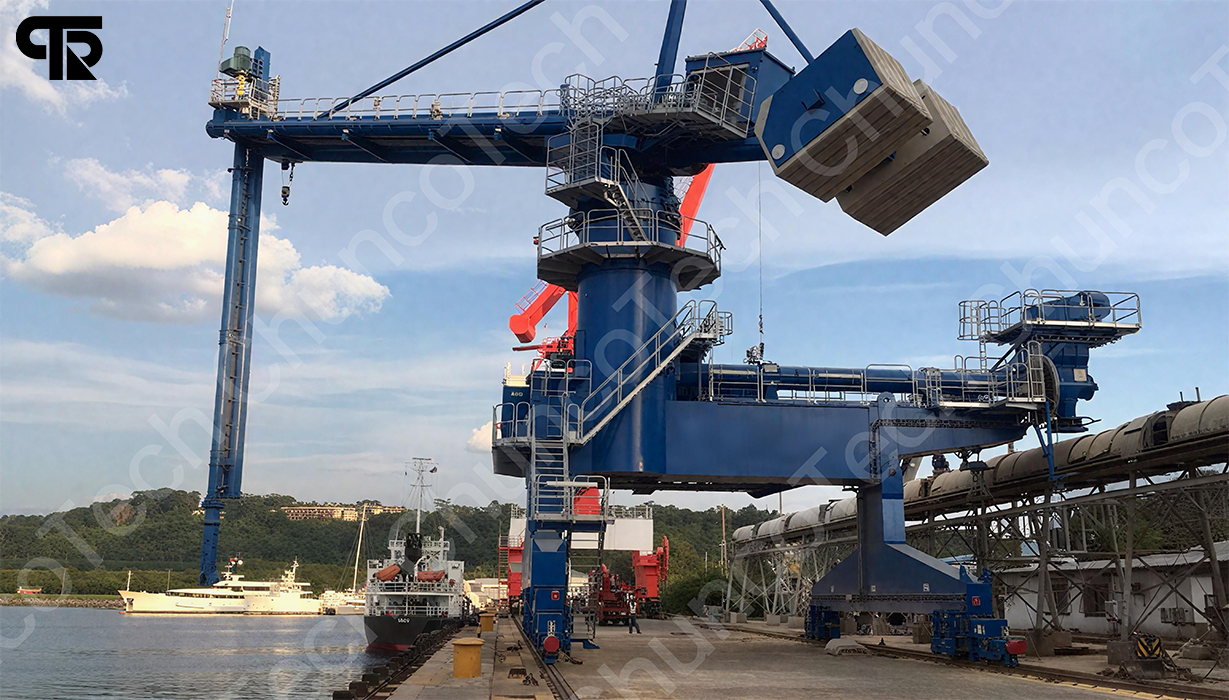
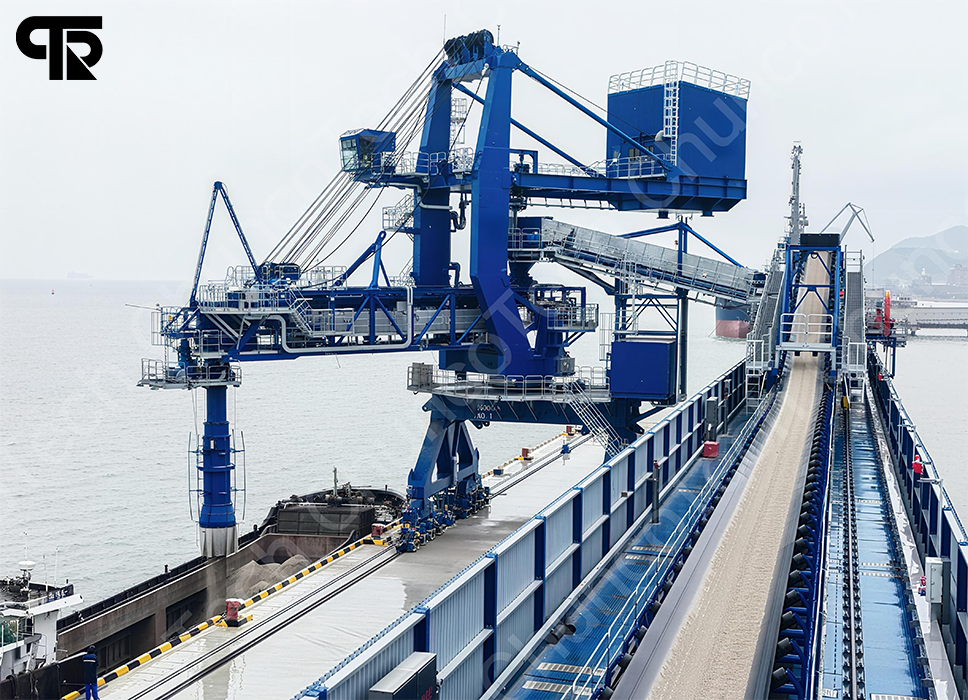
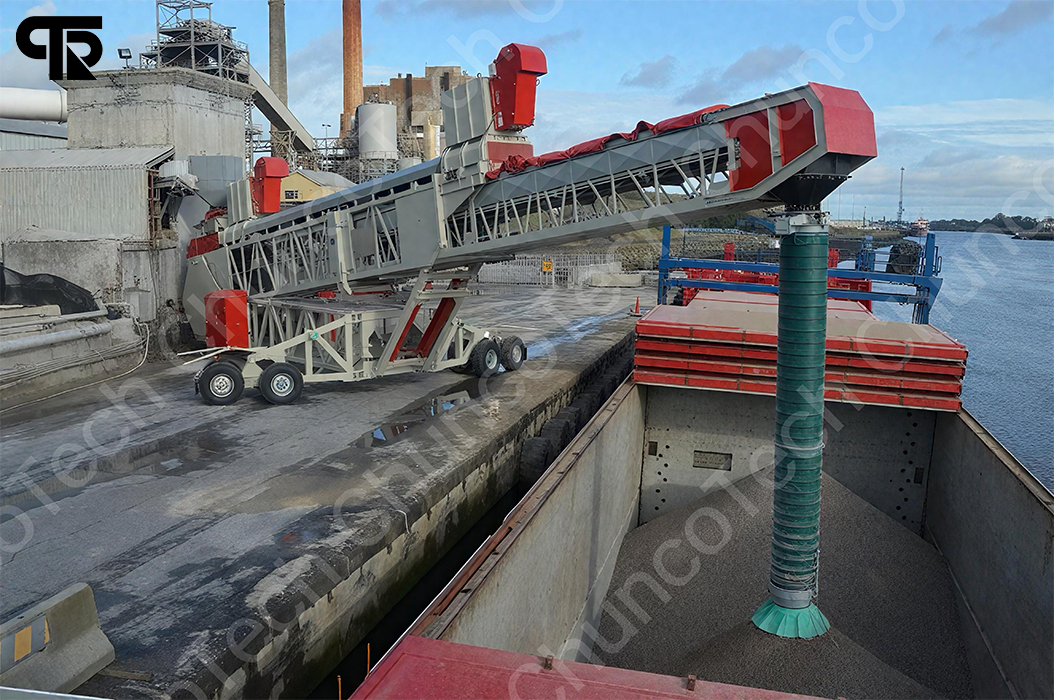
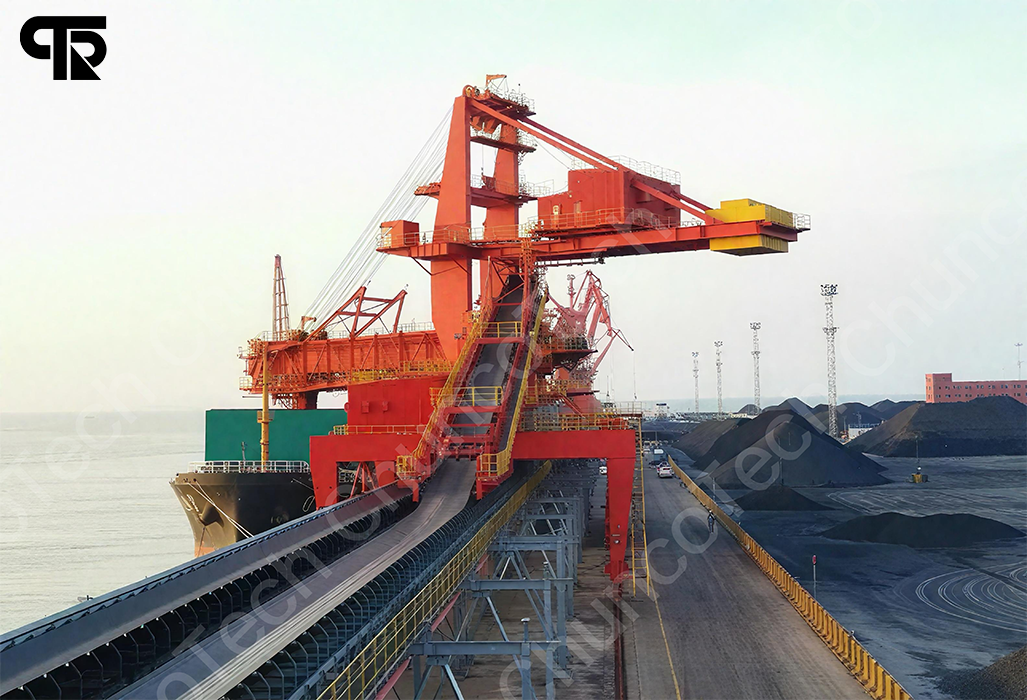
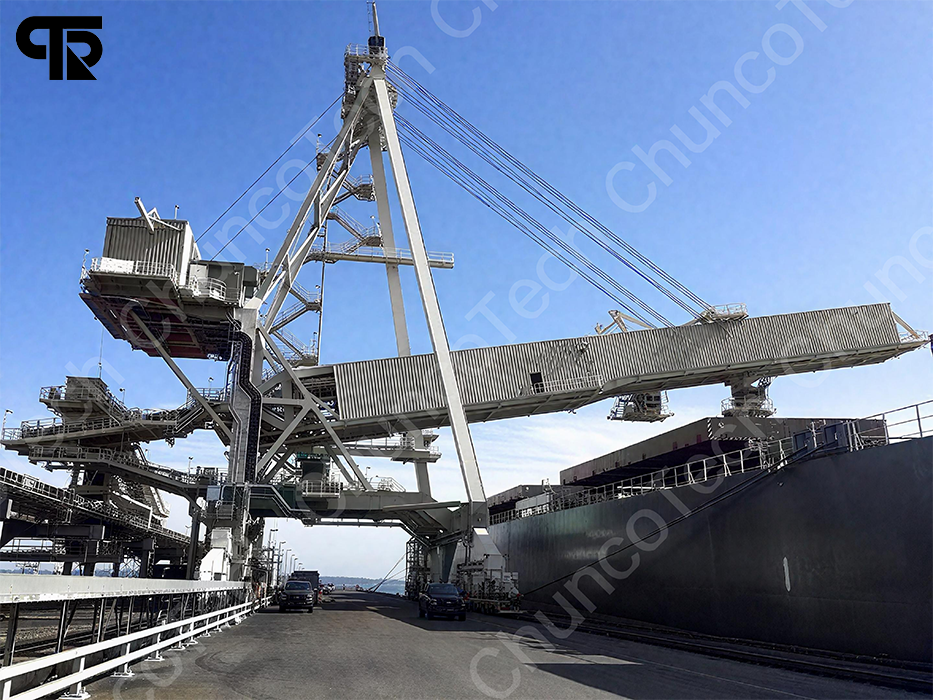
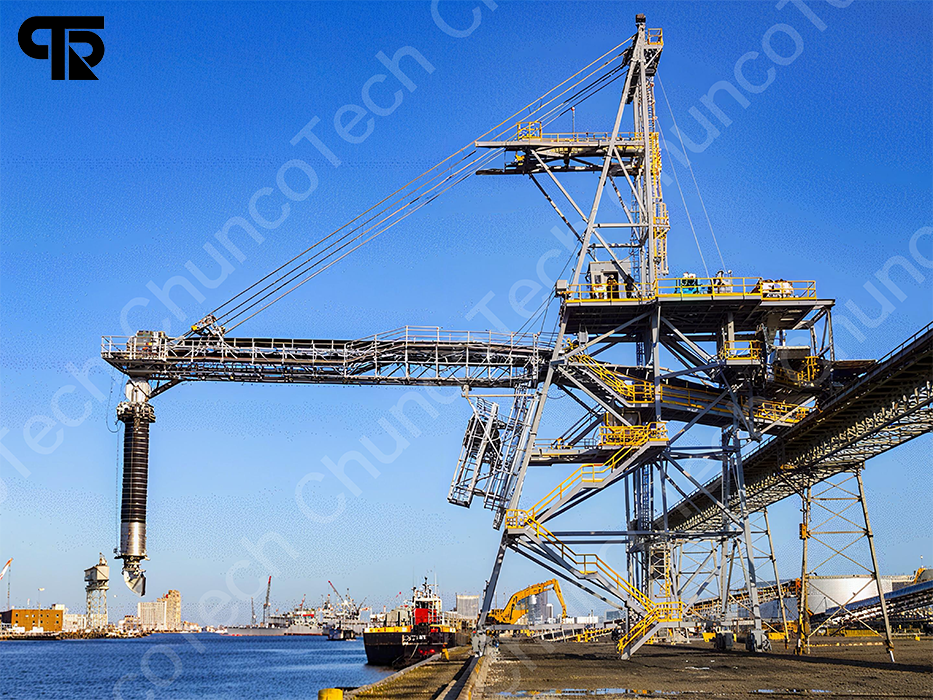
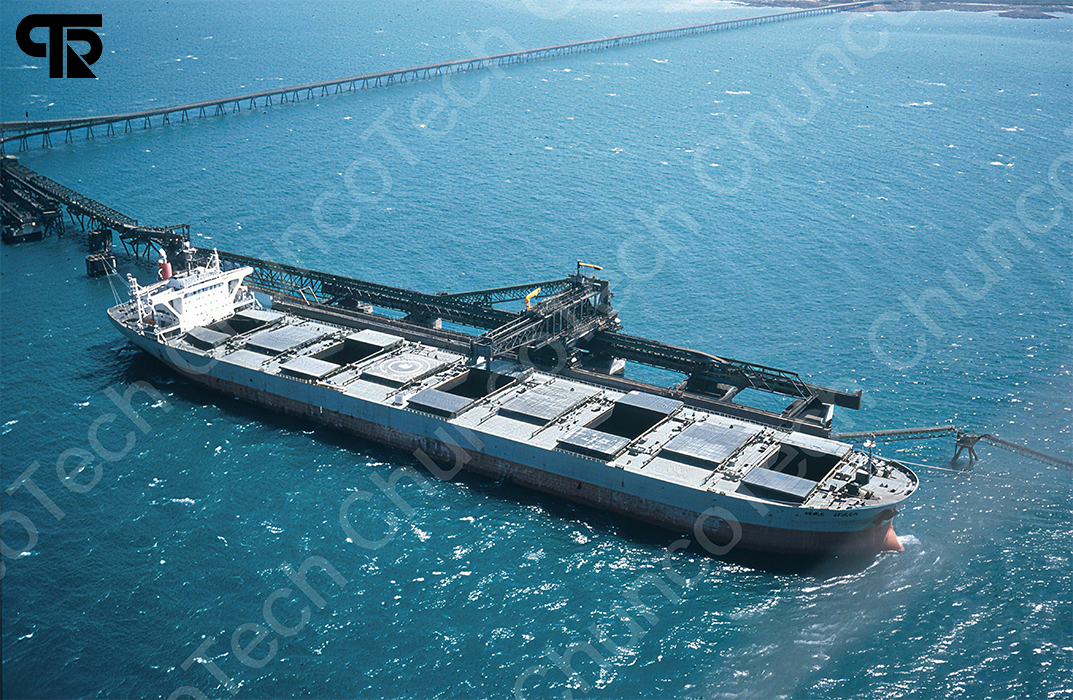
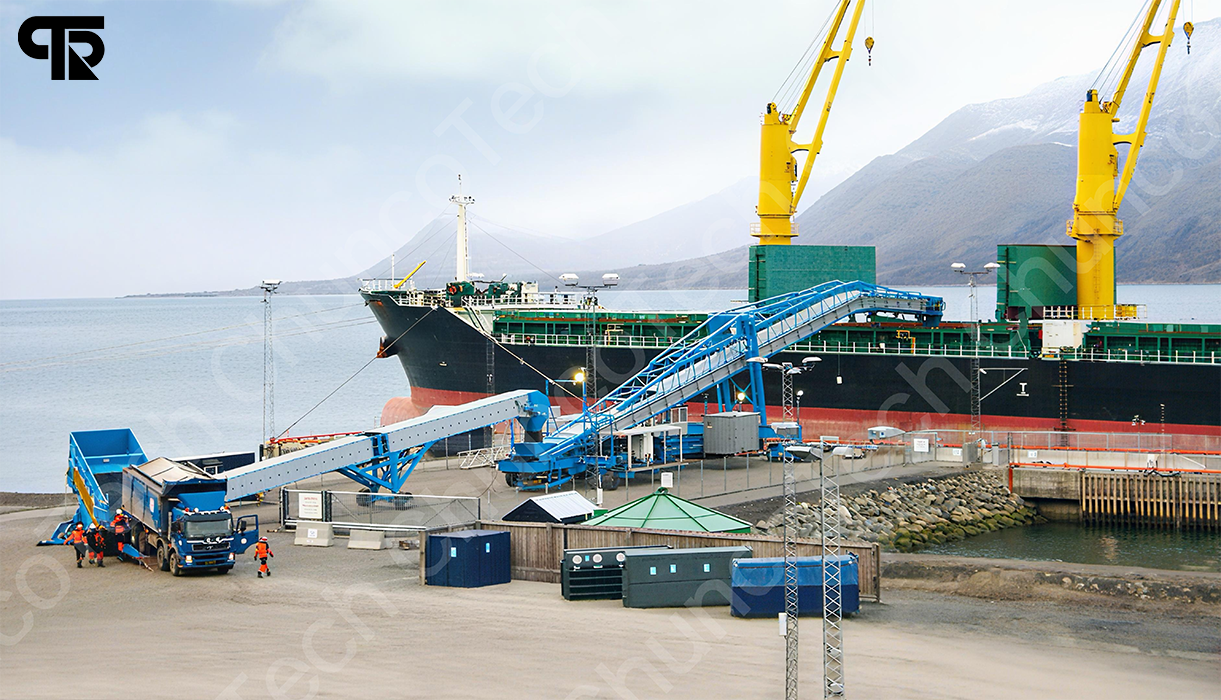
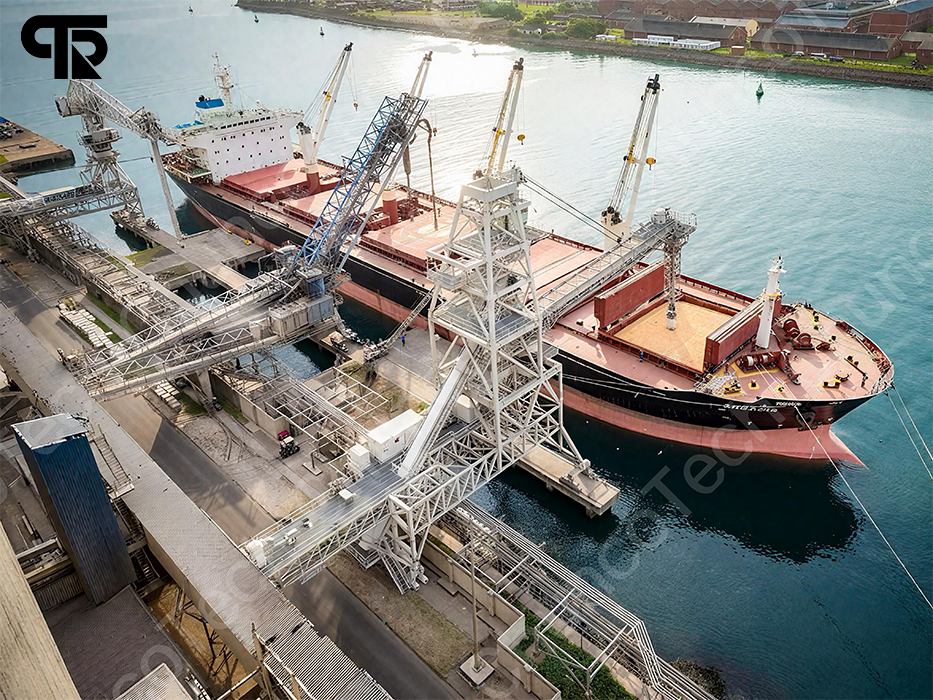
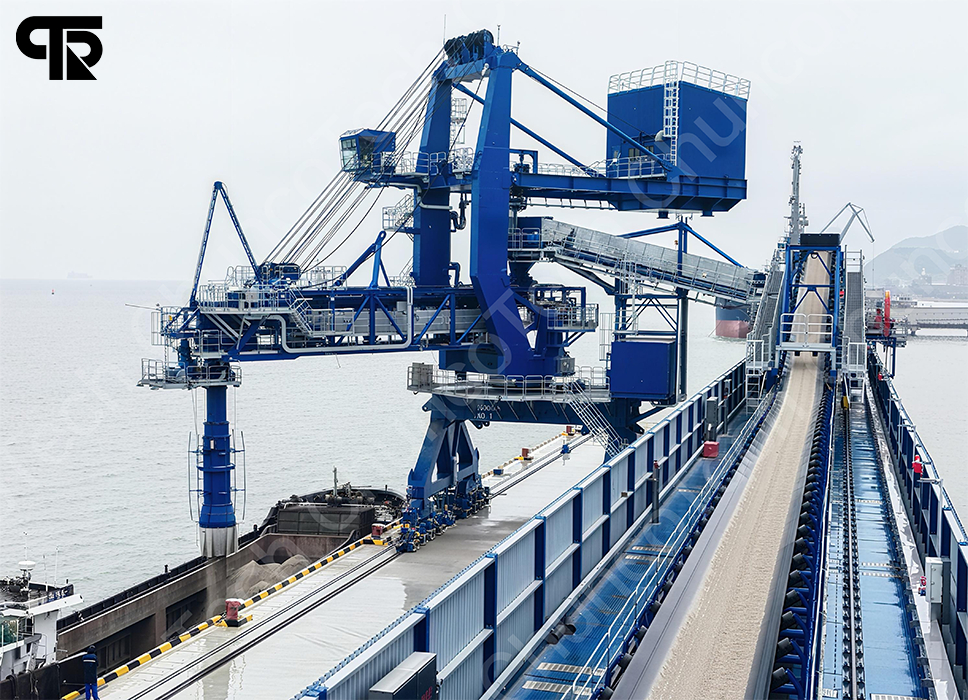
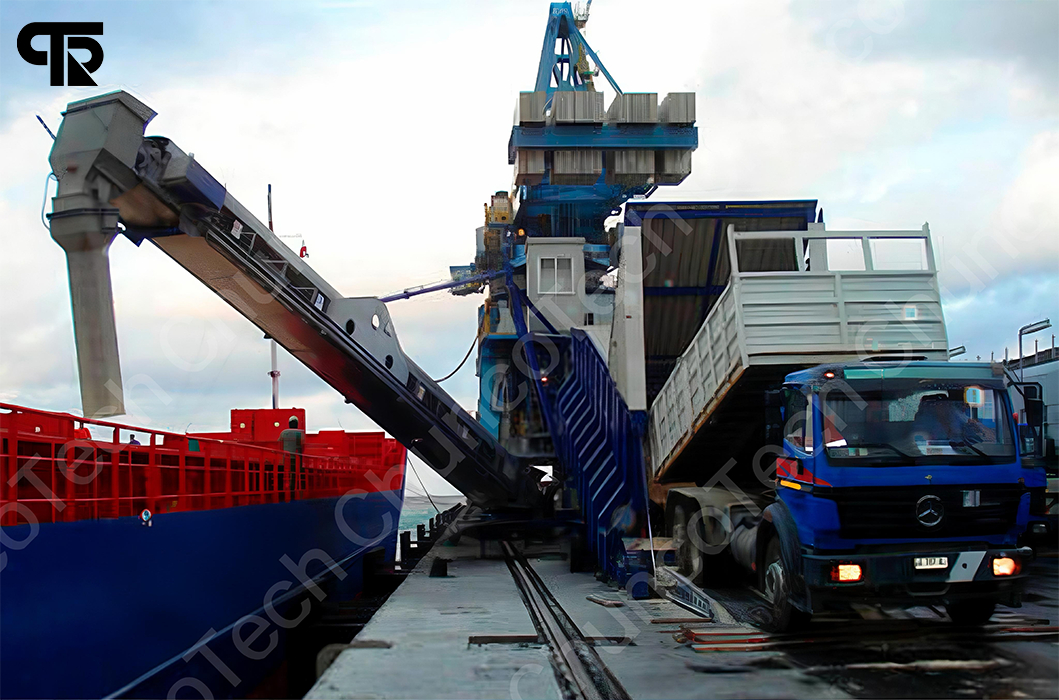
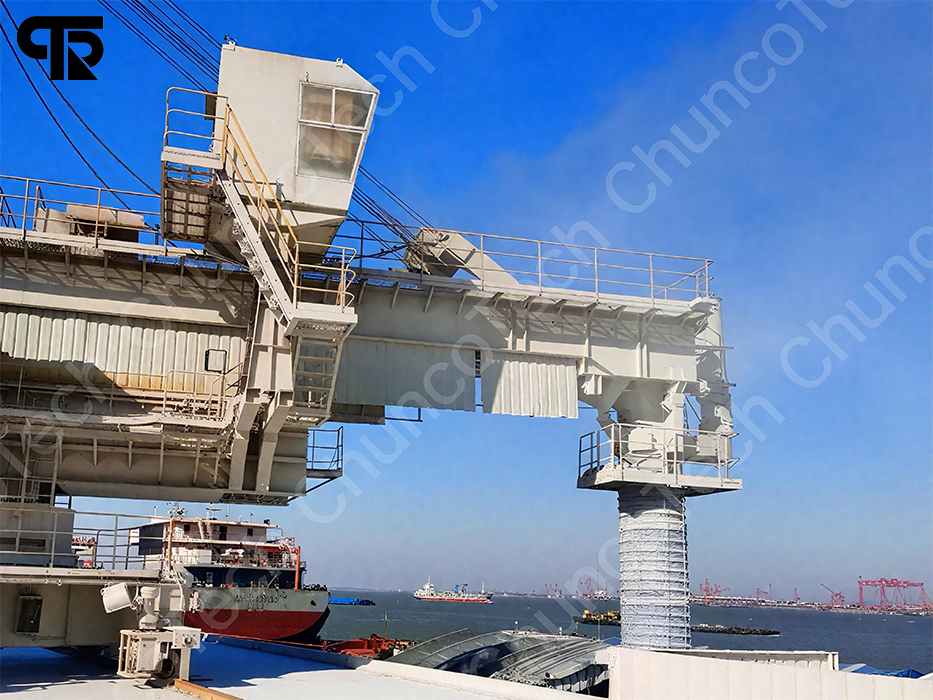
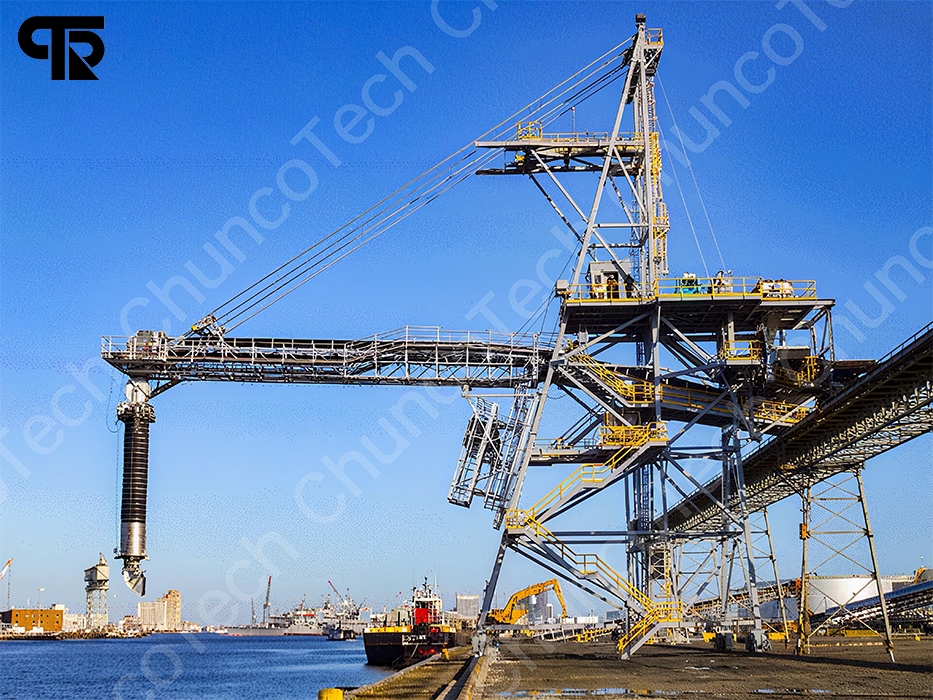
Port Terminal Clinker Unloading and Ship Loading: As part of a port bulk cement ship unloader or shiploader, used for rapid loading/unloading of ocean-going bulk carriers, facilitating clinker transshipment and trade via waterways.
Clinker Transfer Stations and Grinding Plants: At independent clinker storage bases or cement grinding plants, for receiving incoming clipper (e.g., from trucks or ships) or dispatching clipper for shipment.
Internal Transfer at Large Building Materials Bases: For closed-loop intra-plant conveying of clinker within large integrated industrial parks that have both clinker production and cement grinding.
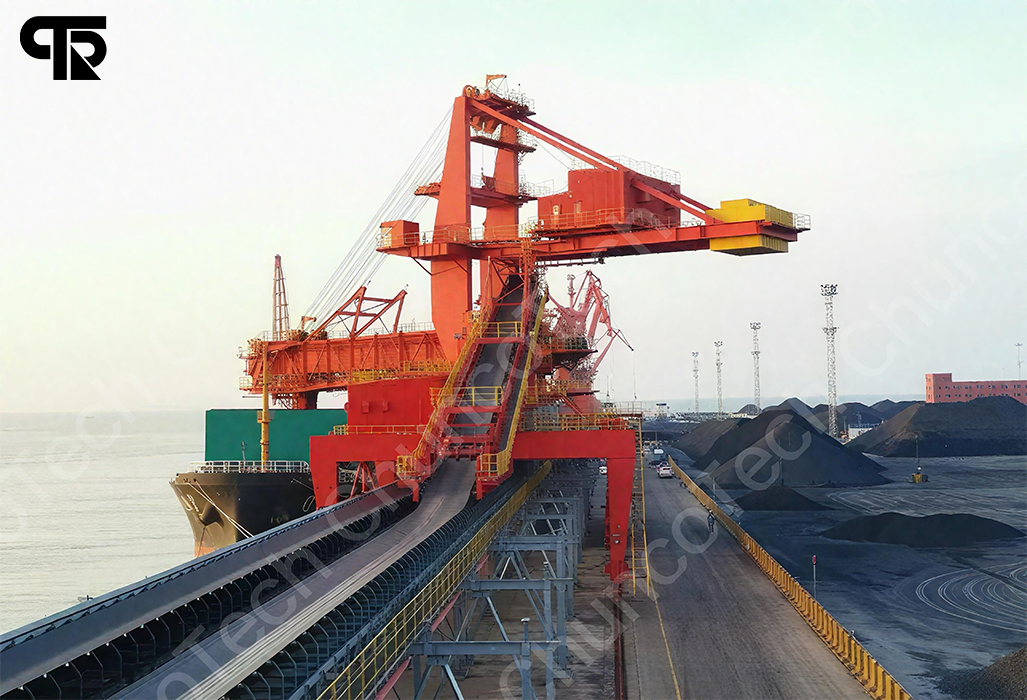
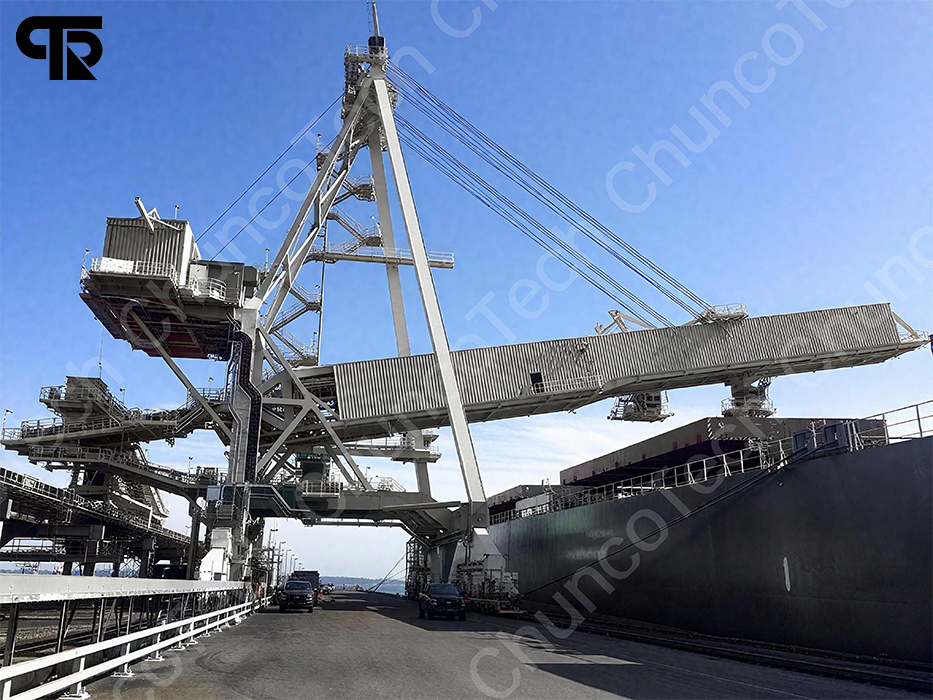
Compared to manual or simple mechanical unloading, professional clipper unloaders deliver multiple tangible and intangible benefits:
Superior Environmental Compliance:
The fully enclosed design and efficient dust collection ensure dust emissions at the operating point are far below national and local environmental standards. This helps cement plants completely solve clinker unloading workshop dust control challenges, avoiding environmental penalties and improving site conditions.
Significant Efficiency Improvement and Energy Reduction:
Mechanical automated unloading is much faster than manual methods, with single-unit loading capacity often exceeding 200 tons per hour. Continuous, stable conveying also eliminates waiting time for transport vehicles, boosting overall logistics efficiency. Precise control reduces unnecessary power consumption for the equipment and dust collector fans.
Substantial Operational Cost and Labor Intensity Reduction:
Automated operation reduces dependence on on-site operators and replaces manual clinker clearing operations. This not only lowers labor costs and safety risks but also liberates workers from the harsh, high-dust environment.
Ensures Production Continuity and Safety:
Effective anti-clogging design prevents production line stoppages due to discharge chute blockages or the need for dangerous manual clearing, ensuring continuous and stable operation and protecting personnel.
High Adaptability and Reliability:
The equipment can be customized based on user-specific needs, such as the telescopic range of the discharge head or the use of high-temperature-resistant materials. Heavy-duty industrial-grade design and manufacturing ensure durable and reliable performance in tough operating conditions.
IV.Purchase&After-sales Support
Procurement process
1.Sign Quotation&TA & PI&SC
2.Production Drawing confirmation (3Dmodels and Key Drawings)
3.Actual production begin
4.Production process following up and report
5.Factory Assemble &testing (inviting clients to attend in advance)
6.Packing &delivery
7.At end user’s site installation , commissioning &training
8.After sales service
After-sales assembly service
To ensure the safe and efficient commissioning of the equipment, our company hereby provides professional after-sales assembly guidance services, with detailed terms as follows:
1. Service Basis and Scope
Our company will classify service levels and determine the duration of free on-site guidance and installation services based on the model and overall weight of the ship crane. The free service period is 3–5 working days for small-sized cranes, 5–7 working days for medium-sized ones, and 7–15 working days for large and extra-large models, with the specific terms subject to the sales contract signed by both parties. The service scope covers full-process assembly guidance including on-board equipment positioning, component assembly and commissioning, safety device calibration, and operation procedure training.
2. Pre-service Requirements
The customer shall complete the preparation of on-site construction conditions prior to the agreed service time, including the positioning of lifting equipment, clearing of the operation site, and preparation of supporting auxiliary materials (such as fasteners and seals). Meanwhile, the customer shall provide the relevant ship technical drawings and on-site coordinating personnel required for the operation to ensure the smooth progress of the assembly work.
3. Charging Standard for Extended Service Period
If the service duration exceeds the free quota due to non-our-fault reasons such as the customer’s substandard on-site conditions or inadequate coordination, the excess part will be charged at a technical service fee of 200 USD per person per working day, and the travel, accommodation and catering expenses shall be borne by the customer separately.
4. Service Guarantee and Commitment
The technical personnel dispatched by our company all hold qualifications for ship crane assembly and have rich practical experience. The service process strictly complies with international ship equipment installation specifications and our company’s quality standards.
To ensure we provide the most suitable equipment and an accurate quotation, we recommend preparing the following information when inquiring:
Material Characteristics: Typical clinker size (e.g., ≤50mm), bulk density (typically ~1.45 t/m³), and temperature range upon discharge from storage.
Process Parameters: Required average and maximum unloading capacity (tons/hour), unloading point location (silo bottom or side), and installation space/geometric constraints.
Connection Details: Is the receiving equipment a bulk truck, railcar, or conveyor belt? What is the required telescopic travel of the discharge head or loading height?
Site Conditions: Supply voltage and frequency, available compressed air pressure, and installation conditions (e.g.,Reserved hole size reserved hole size reserved opening dimensions, floor load-bearing capacity).
Special Requirements: Any need for specific explosion-proof ratings, extreme high-temperature resistance, or specific communication protocol interfaces (e.g., Profibus, Modbus) with your existing central control system.
VI.FAQ
Q1: How does the equipment address the most common clogging issue during clinker unloading?
A1: We employ a proactive anti-clogging design. The equipment is equipped with an electromechanical clinker silo discharge anti-arching device. It monitors material flow or drive motor torque to predict clogging risks and automatically activates built-in clearing mechanisms (like rotary scrapers or vibrators) to intervene, preventing severe material bridging and compaction.
Q2: How is dust controlled during unloading? Can a dust-free effect be achieved?
A2: A near dust-free effect is achievable. We use a combination of "source sealing + negative pressure extraction." A flexible sealing sleeve connects the discharge head to the receiving hopper for physical containment. Simultaneously, the system generates a stable negative pressure airflow within the sealed hood, drawing dust through connected hoses into the dust collector for purification, with no visible dust emission on-site.
Q3: What temperature of clinker can the equipment handle?
A3: Standard models are designed for clipper temperatures below 80°C. If your clinker exit temperature is higher, we can customize a specialized unit for high-temperature cement clinker conveying by manufacturing key contact parts from special high-temperature steels (like heat-resistant steel) and upgrading sealing materials.
Q4: What is the level of automation? Does it require dedicated, constant operator attention?
A4: The equipment is highly automated. Once the truck is in position, an operator only needs to issue a start command from the control cabinet or central control room. The discharge head automatically descends and positions itself, opens the valve to unload, and retracts automatically when full, triggering an alarm. Typically, one operator can oversee multiple units, significantly reducing manpower requirements.
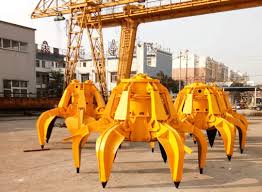
Q5: What are the advantages compared to traditional grab crane unloading?
A5: The advantages are comprehensive. The bucket elevator unloader is more efficient and continuous; the fully enclosed design eliminates dust pollution, offering a major environmental benefit; energy consumption is lower (no high-power impacts from frequent grab lifting/lowering); clinker breakage is reduced (gentle handling); and it has a smaller footprint, especially suitable for retrofit projects with space constraints.
Certificate