Wire Rope
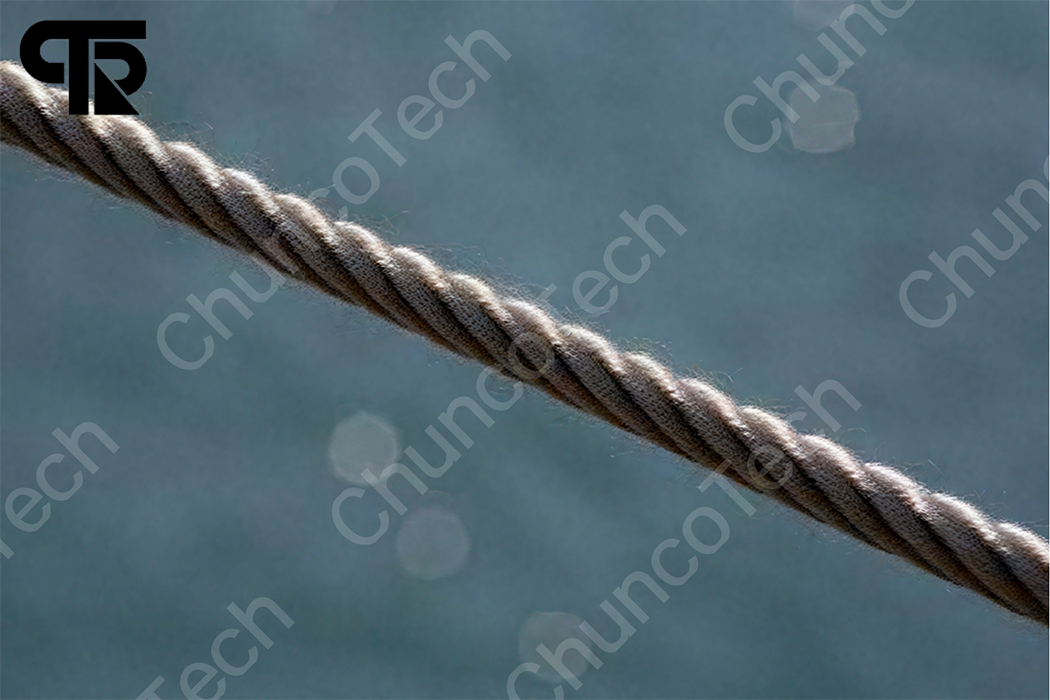
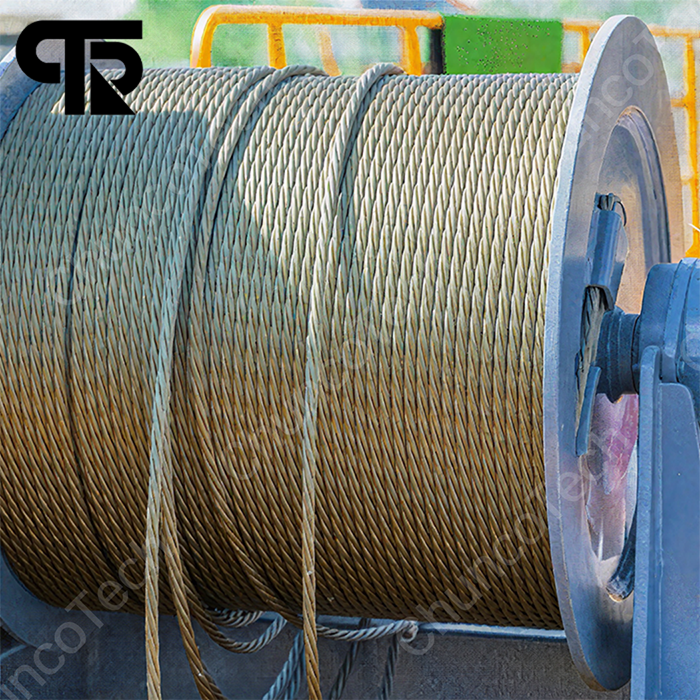
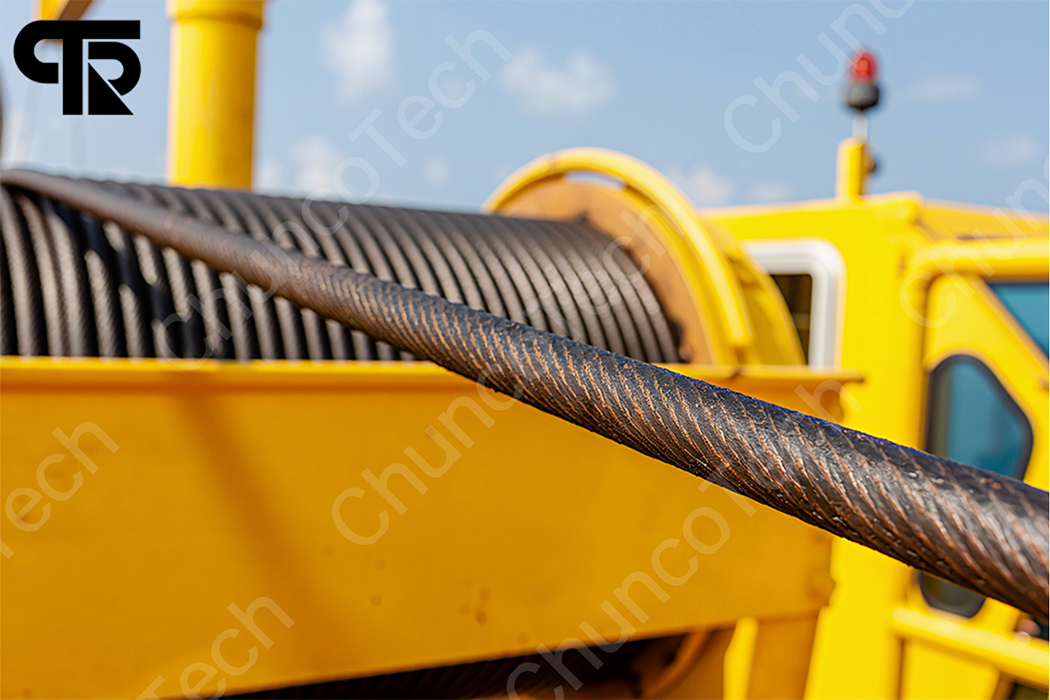
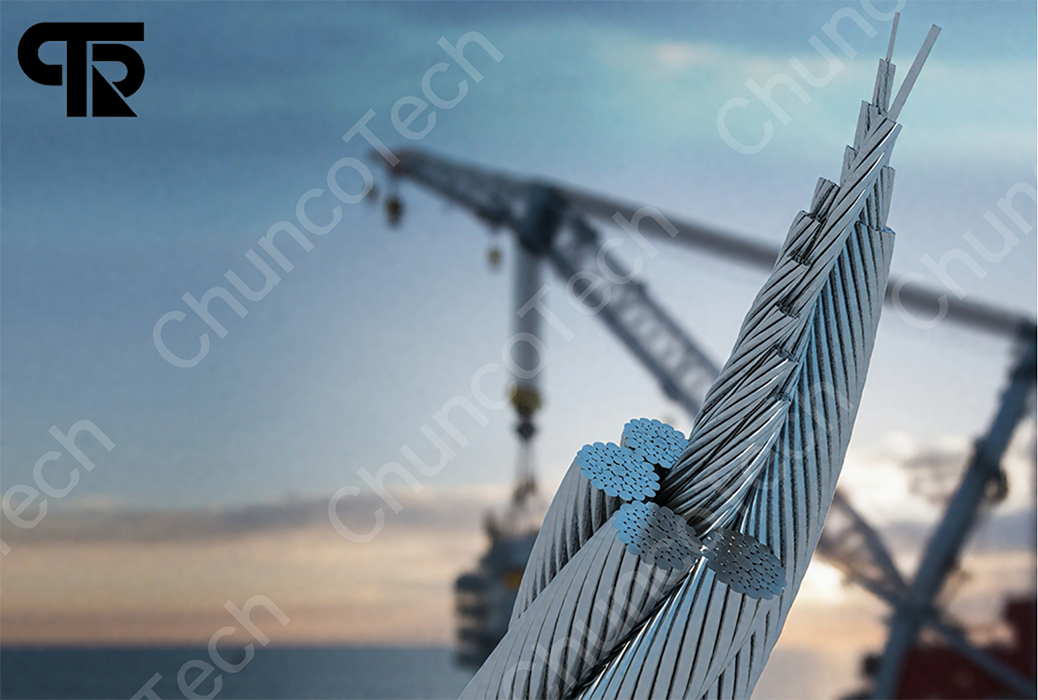
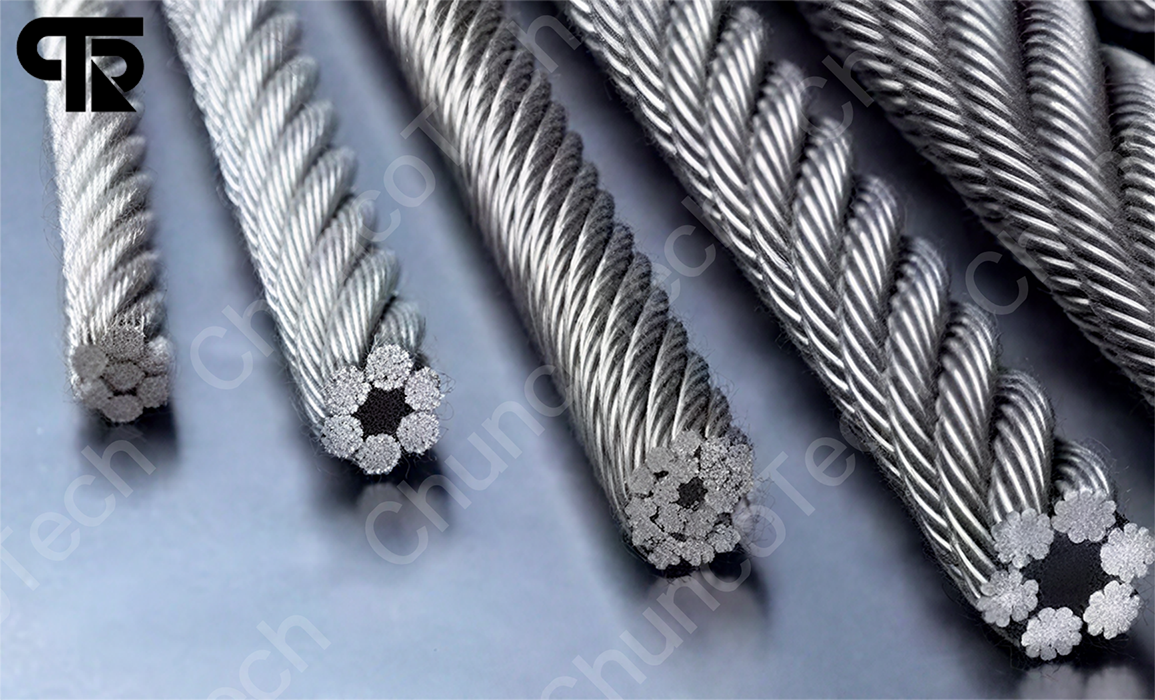
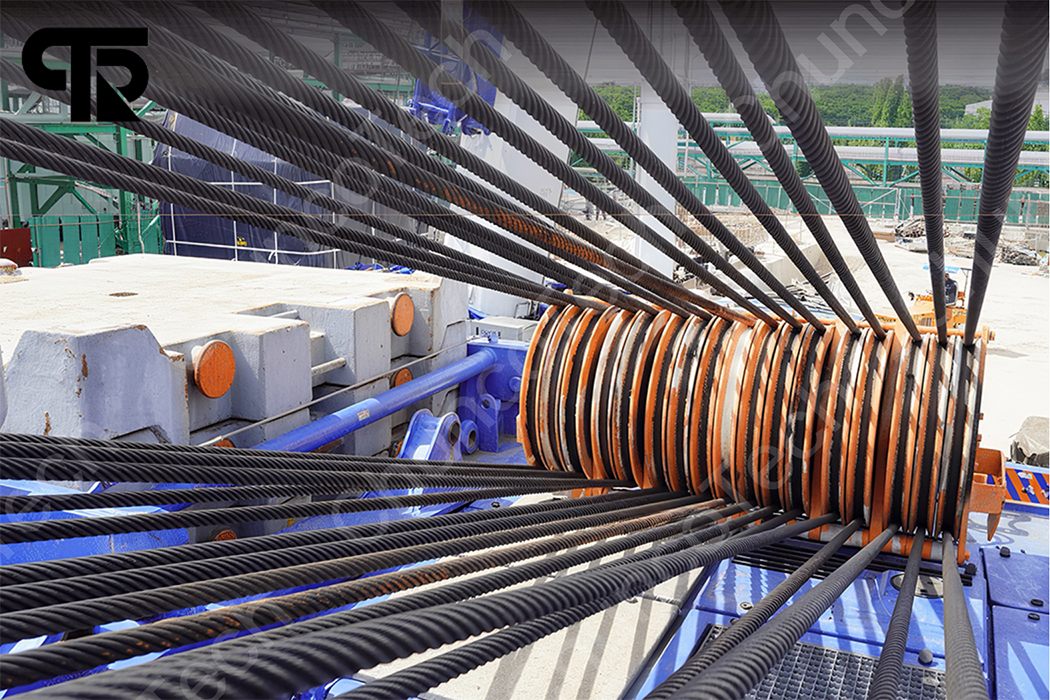
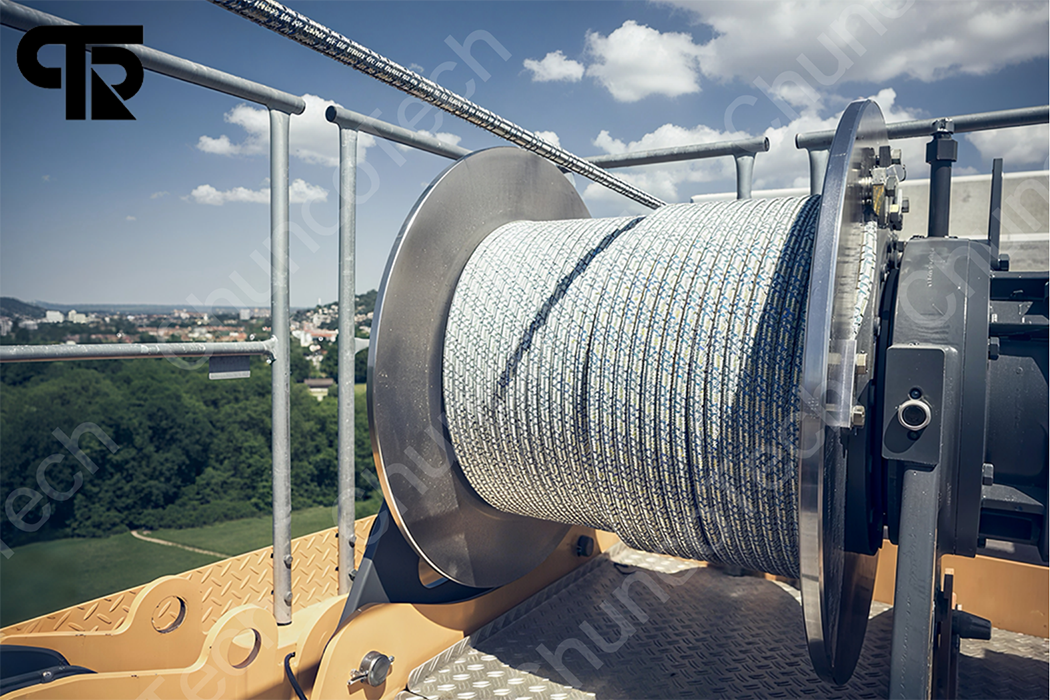
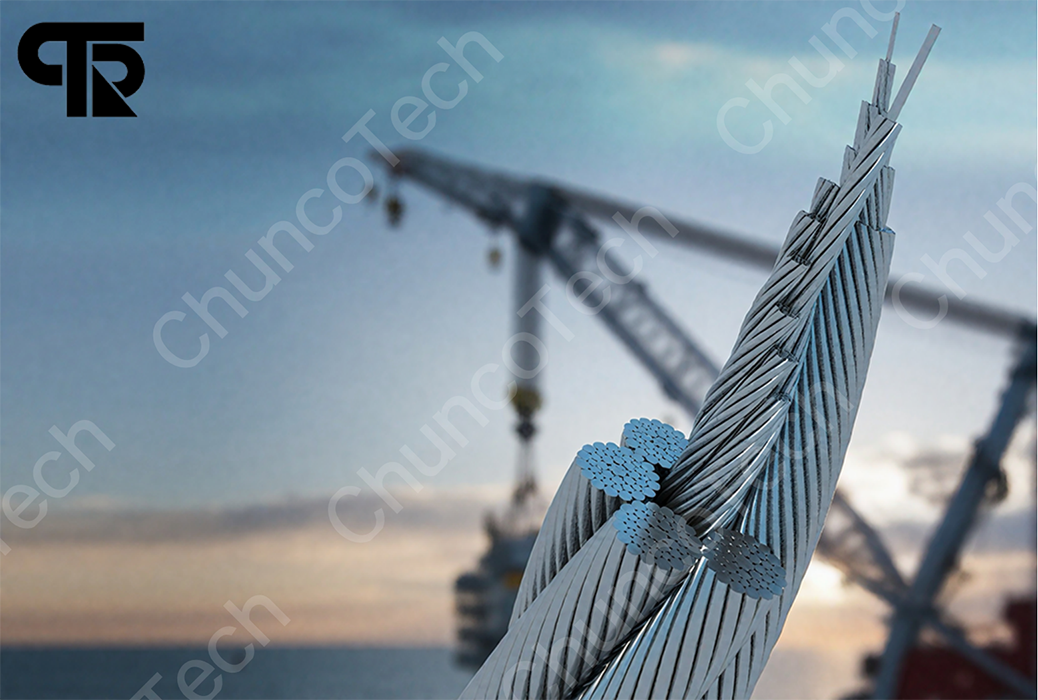
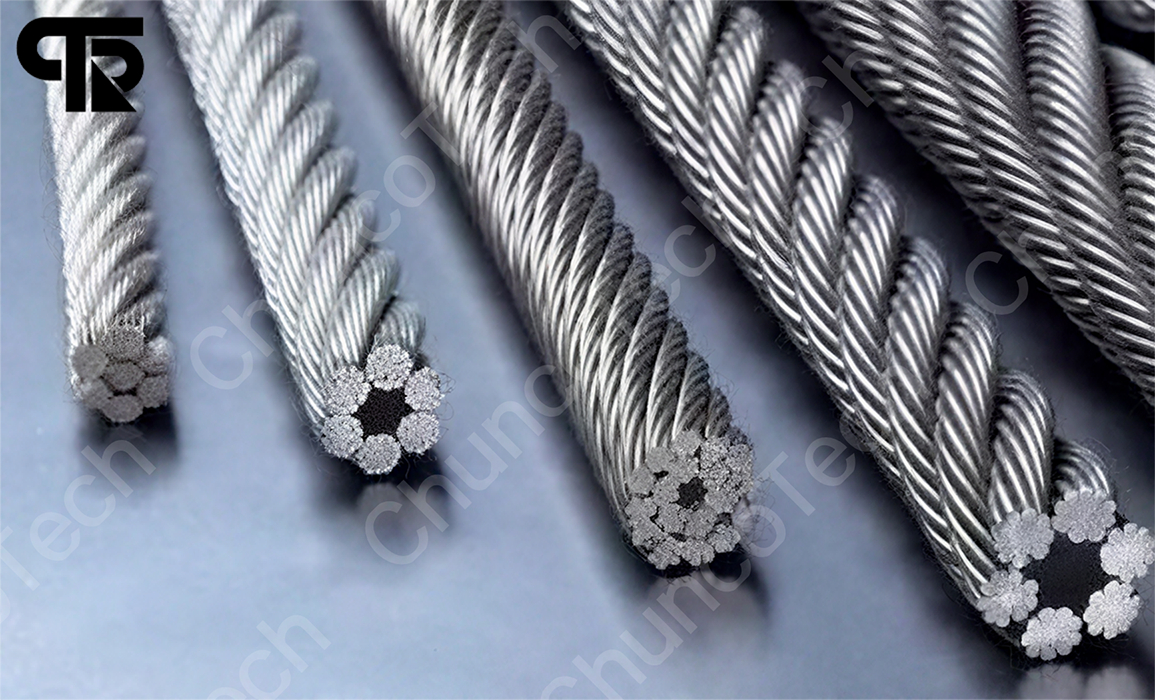
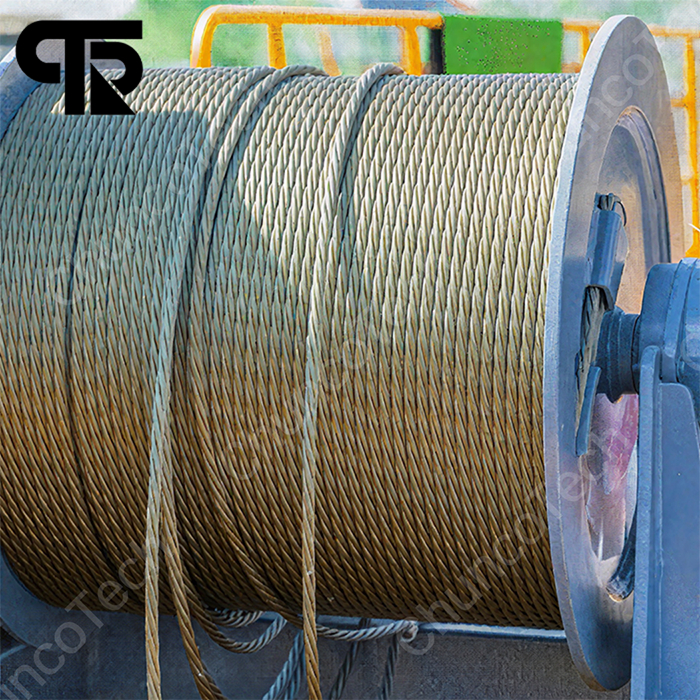
A wire rope is a high-strength, flexible component formed by helically twisting multiple strands of high-tensile wires around a central core (fiber or steel). This construction allows it to handle immense tensile loads and perform tasks like lifting, towing, and conveying by bending over sheaves and drums. As an indispensable core part for heavy-duty lifting, hoisting, and transportation operations, its selection directly impacts the entire system's safety and service life.
I. Product Features
1.High Strength & Load Capacity: Made from materials like high-carbon steel, it offers very high breaking strength, with grades like "Improved Plow Steel" being most common. For example, a specific 6mm diameter rope can have a load rating of up to 760 kg.
2.Superior Fatigue Resistance: Optimized construction (e.g., using many fine wires) effectively resists metal fatigue from repeated bending, extending service life in dynamic applications.
3.Excellent Abrasion & Crush Resistance: Outer wires are often larger in diameter for enhanced wear resistance, while an Independent Wire Rope Core (IWRC)better resists crushing under heavy loads.
4.Environmental Adaptability: Various materials are available for different conditions. Galvanized wire rope is suitable for marine or humid environments, providing sacrificial corrosion protection, while stainless steel wire rope resists stronger corrosion and acidic conditions.
5.Excellent Flexibility & Stability: Flexibility is increased by using more wires per strand or more strands overall. A stable construction ensures smooth spooling and reduces torsional issues during operation.
II. Product Advantages
1.Safety with Warning Signs: Unlike chains, wire ropes typically show visible damage (like broken wires or deformation) before failure, providing advance warning for inspection and replacement.
2.Balanced Performance: High-quality products achieve an optimal balance between abrasion resistance and bending fatigue resistance to meet specific application demands.
3.Customization Flexibility & Reliability: From material and construction to coating and end termination, products can be customized for specialized industrial scenarios like deep-water installation or mining, delivering reliable performance.
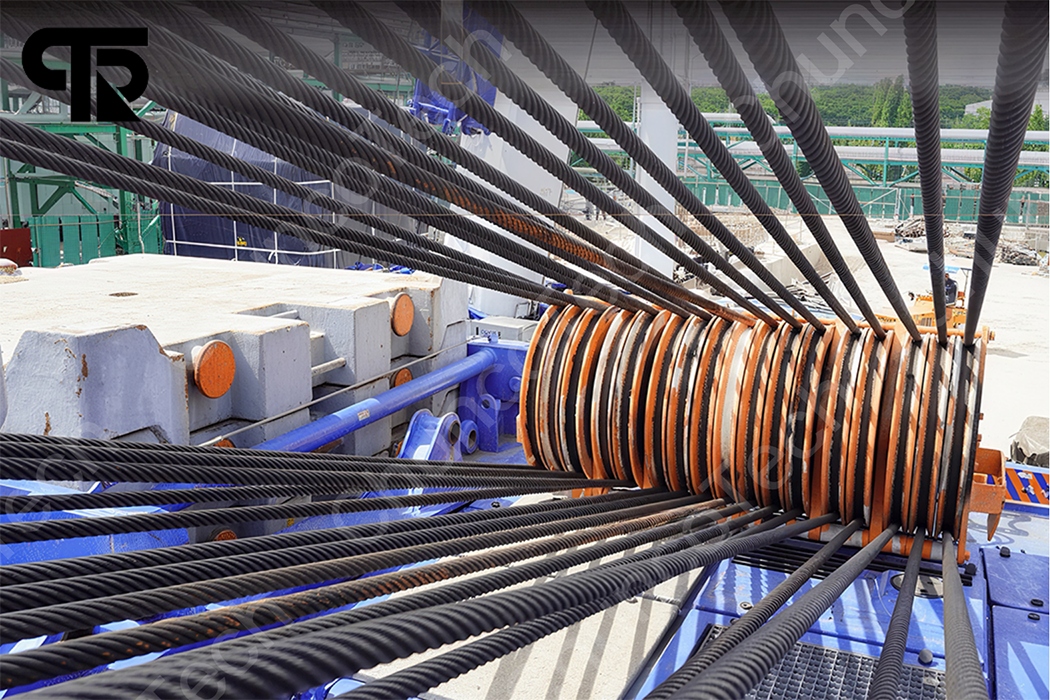
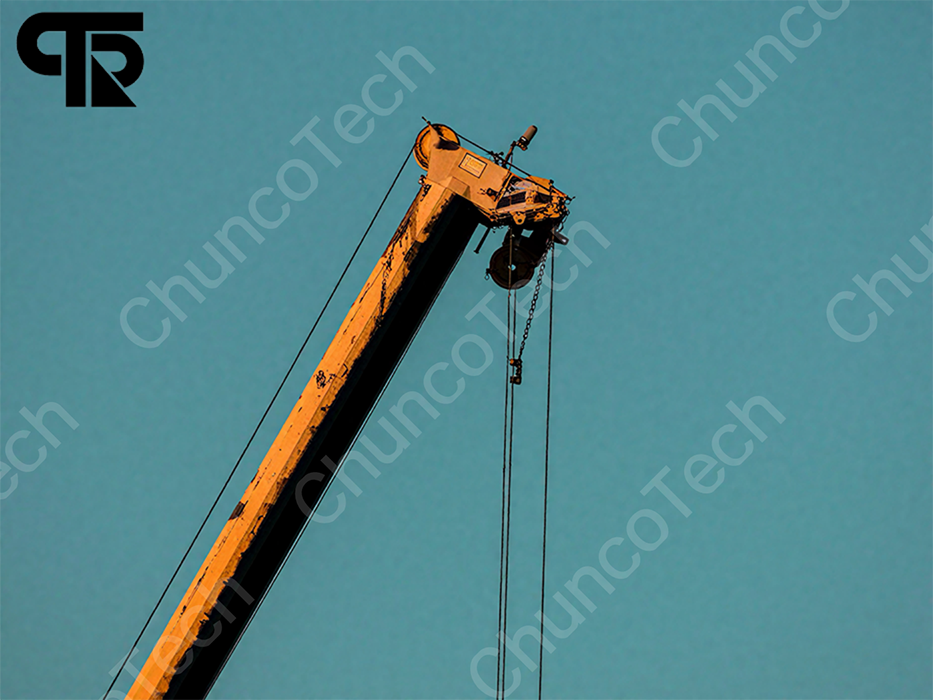
III. Application
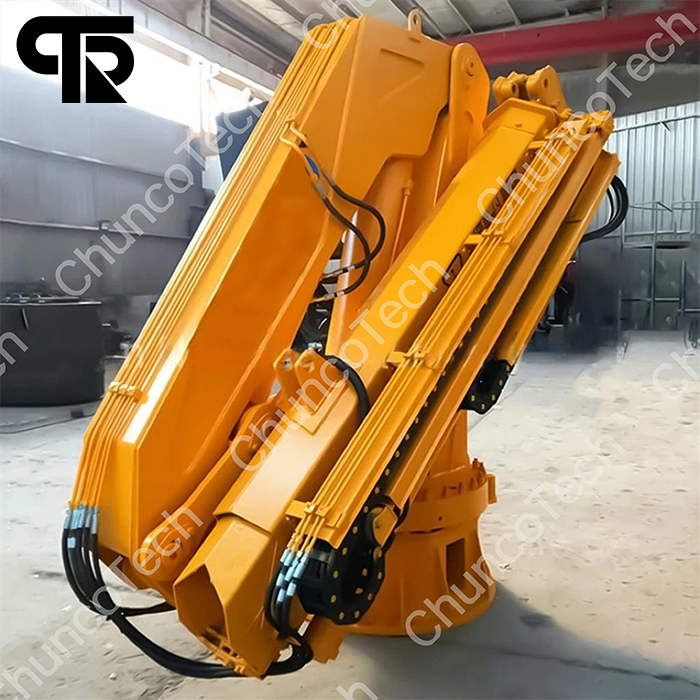
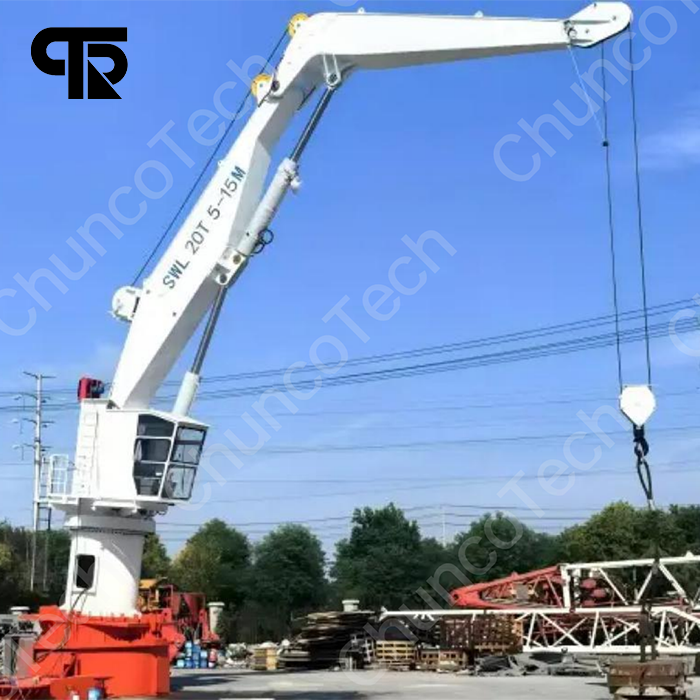
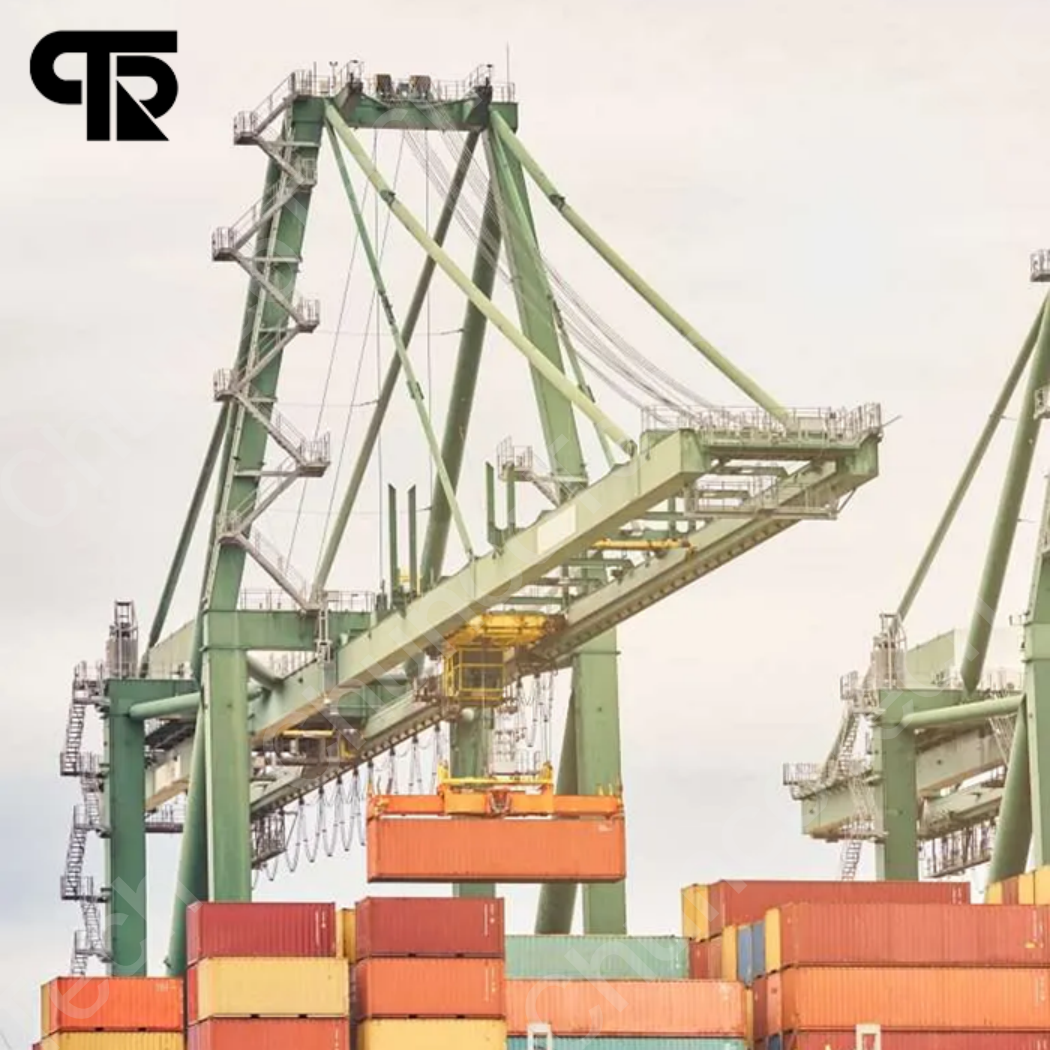
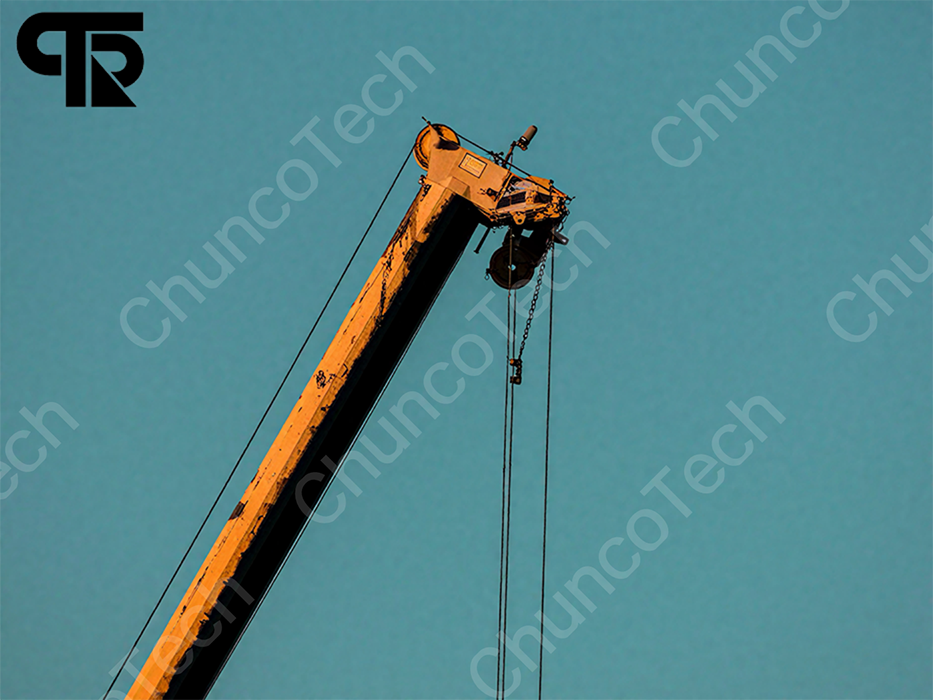
1.Lifting & Hoisting Operations: Widely used in the hoisting, luffing, and traction systems of various cranes like port cranes, tower cranes, and crawler cranes.
2.Industrial & Material Handling: Used for mine hoisting, conveyor drives, and material handling within plants and production line equipment.
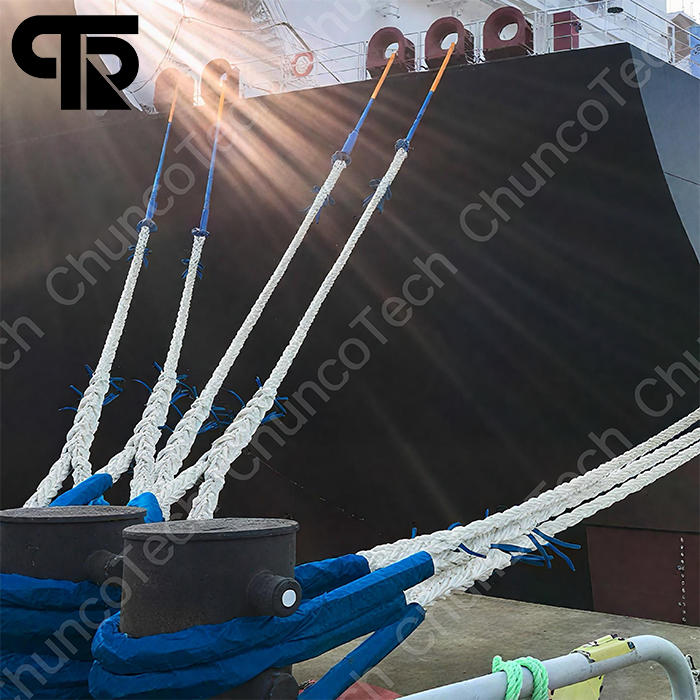
3.Marine & Engineering Applications: Serves as a key component for ship mooring, offshore platform operations, deep-water equipment installation (e.g., subsea manifold deployment), and bridge cable construction.
4.Elevators & Passenger Ropeways: Acts as the core suspension and safety component for elevators and the haulage or carrying cable for passenger ropeways, demanding utmost safety and durability.
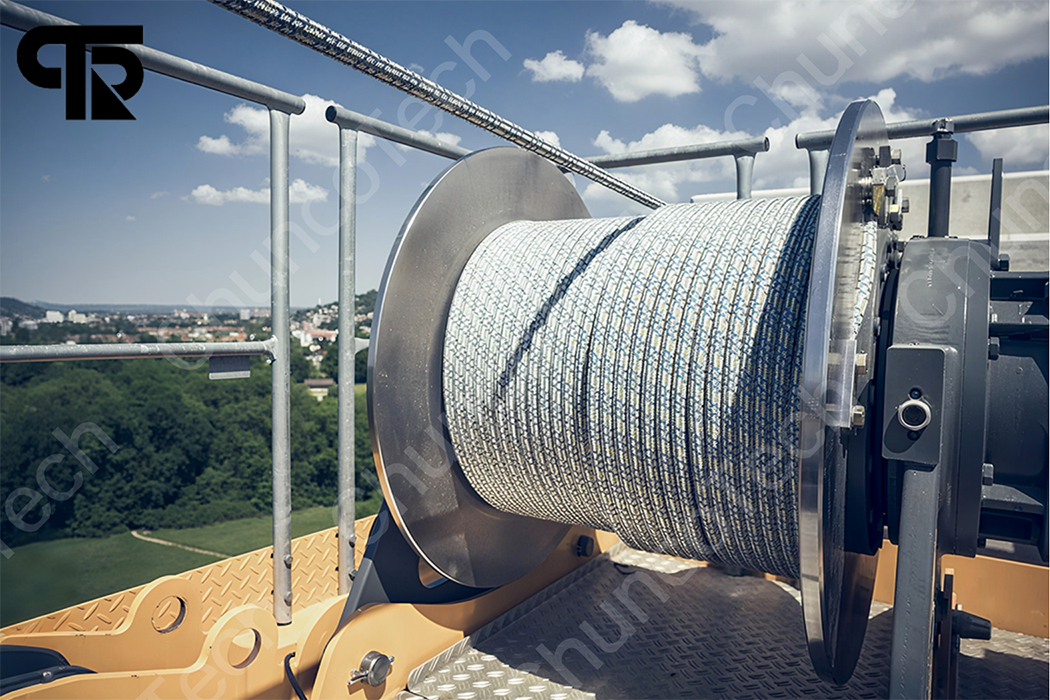
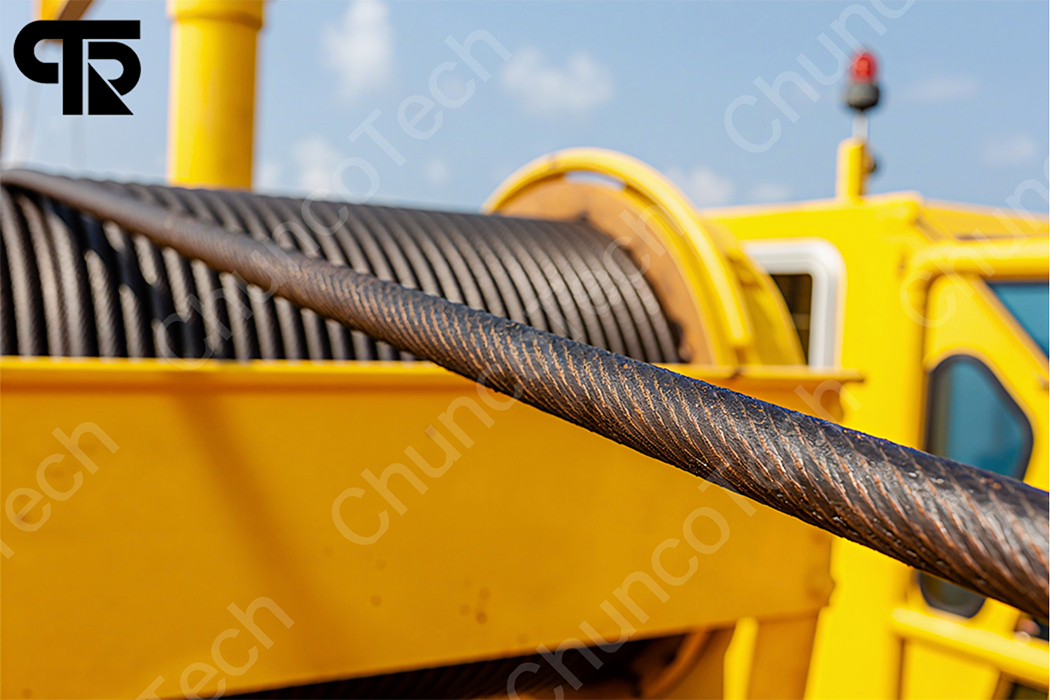
IV. Information Required for Purchase
To ensure you get the most suitable product, please have the following details ready when inquiring or placing an order:
1.Core Specifications: Required wire rope diameter (in mm or inches) and total length needed.
2.Construction Type: Specify the rope construction, e.g., 6x25FI+FC (6 strands, 25 wires per strand, fiber core) or 35x7 (35 strands, 7 wires each), which directly affects its performance.
3.Material & Grade: Specify the material (e.g., high-carbon steel, stainless steel) and strength grade (e.g., Improved Plow Steel, galvanized). For corrosive environments, this is crucial.
4.End Termination Requirements: State if and what type of rigging hardware is needed on the ends, such as thimbles, aluminum or zinc-copper alloy pressed sleeves.
5.Application Details: Explain what equipment it will be used on (e.g., crane model) and its specific purpose (e.g., main hoist, luffing). This aids in precise selection and safety verification.
6.Certification & Documentation: Inquire and confirm if the product meets relevant industry standards and request a Factory Test Certificate or test report.
V.FAQ
Q1: How do I choose the right wire rope for my crane?
A1:Always follow the crane manufacturer's specific recommendations for diameter, construction, and grade first. Then, consider the specific use (e.g., main hook, auxiliary hook) and working environment (e.g., indoors, seaside) to decide on material and coating. Consulting a professional engineer or supplier technician is crucial if unsure.
Q2:What is the service life of a wire rope? When must it be replaced?
A2:There is no fixed duration. Lifespan depends on usage frequency, load, environment, and maintenance. Regular inspection is mandatory. Replace immediately if: the number of broken wires in one lay length (approx. 6 times the rope diameter) exceeds standards; rope diameter is reduced to 95% or less of its original size; severe corrosion, kinking, deformation (e.g., "birdcaging"), or core protrusion is found.
Q3: What's the difference between galvanized and stainless steel ropes for corrosion resistance?
A3:Galvanized rope provides "sacrificial" protection via its zinc coating, offering good value for general damp or marine atmospheric conditions. Stainless steel roperesists corrosion through its alloy composition, performing better in harsh environments with chemicals, acids, or prolonged immersion, but at a higher cost.
Q4:How important is lubrication for wire rope?
A4:Extremely important. Proper lubrication reduces internal friction and wear between wires and helps prevent corrosion. A good lubrication program can extend a wire rope's fatigue life by 200% to 300%. However, incorrect lubrication (e.g., in dusty environments) can mix with debris and form an abrasive paste, accelerating wear.
Q5: Is there a quality difference between buying a whole reel and buying cut lengths?
A5:Yes. Buying an original, uncut factory reel best guarantees its integrity and consistency as delivered. If buying cut pieces, always request a copy of the original Factory Test Certificate or a cutting certificate from the supplier for that batch to verify its specifications and performance meet standards.
Q6:What should I pay attention to during installation after receiving a new wire rope?
A6:Before installation, check the sheave and drum groove dimensions and profiles to ensure they comply with standards (typically groove radius tolerance is +5% to +7% of the rope diameter). Mismatches can severely damage the new rope. During installation, avoid kinks or forced bends, and ensure proper initial tension for even spooling on the drum.
Certificate