

Ship Unloaders
Please provide information:
1.Terminal parameters
2.Vessel specifications
3.Required capacity
4.Material specifications
5.Power supply specs
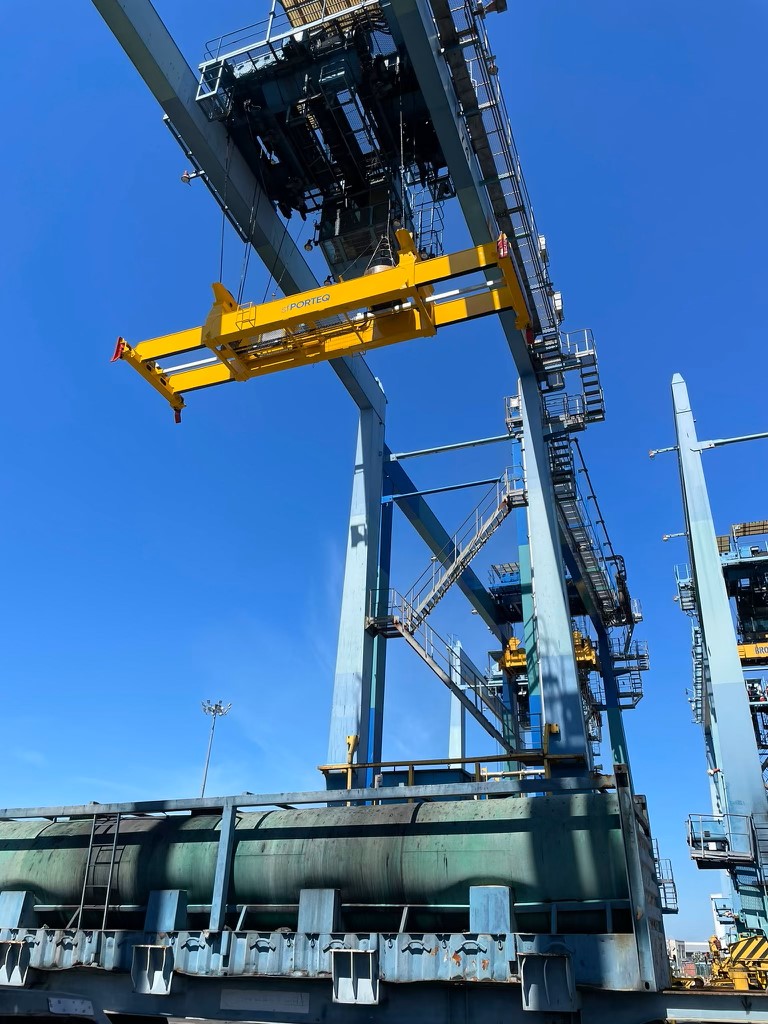
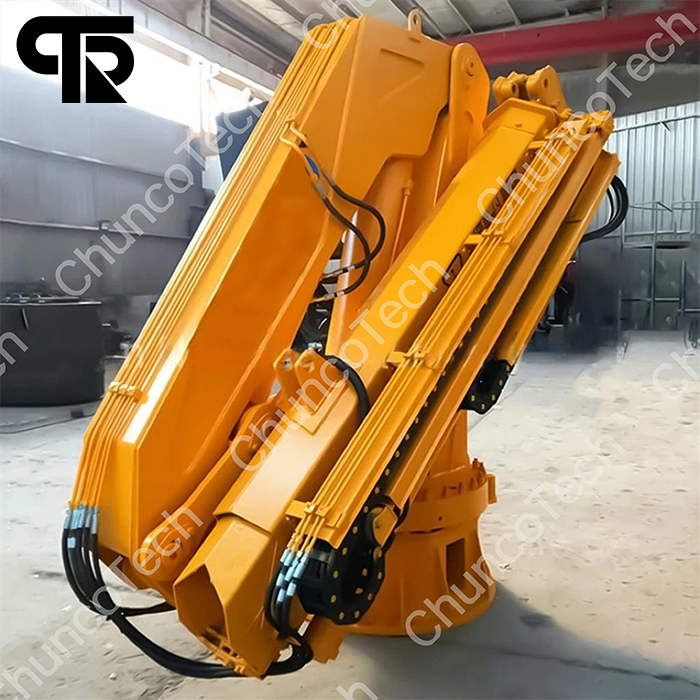
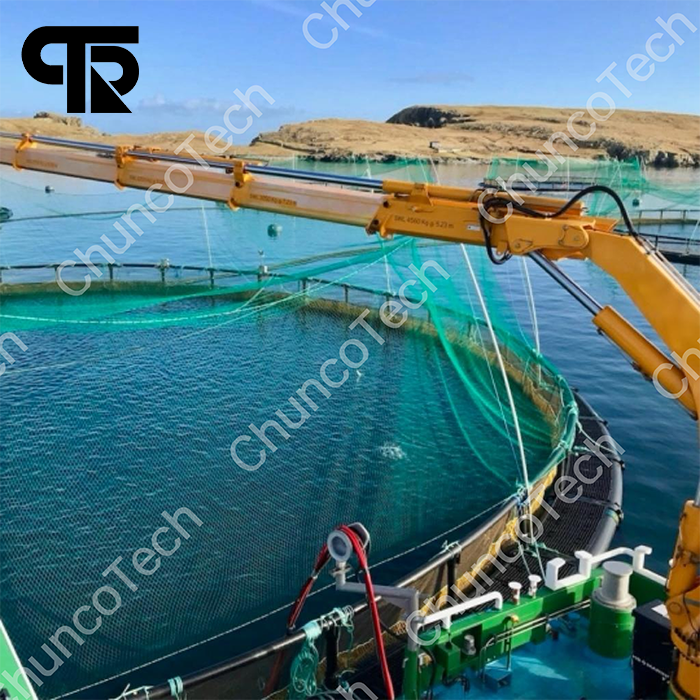
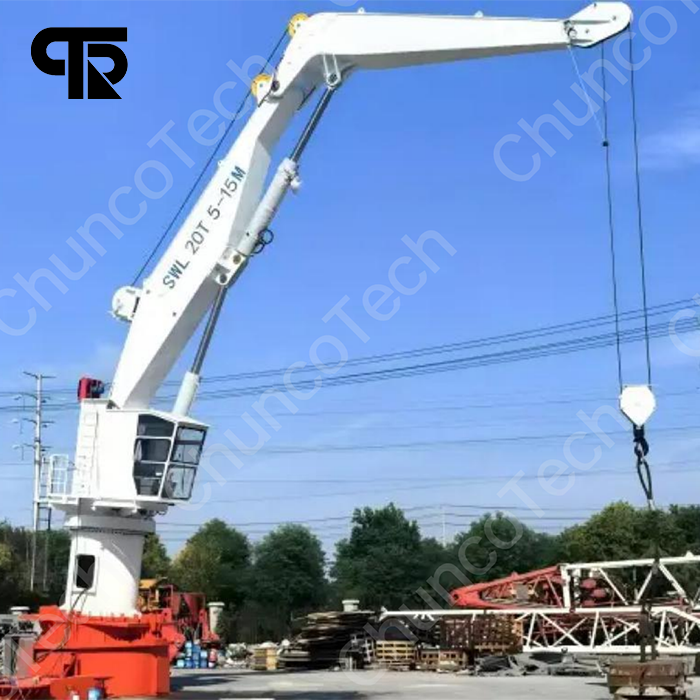
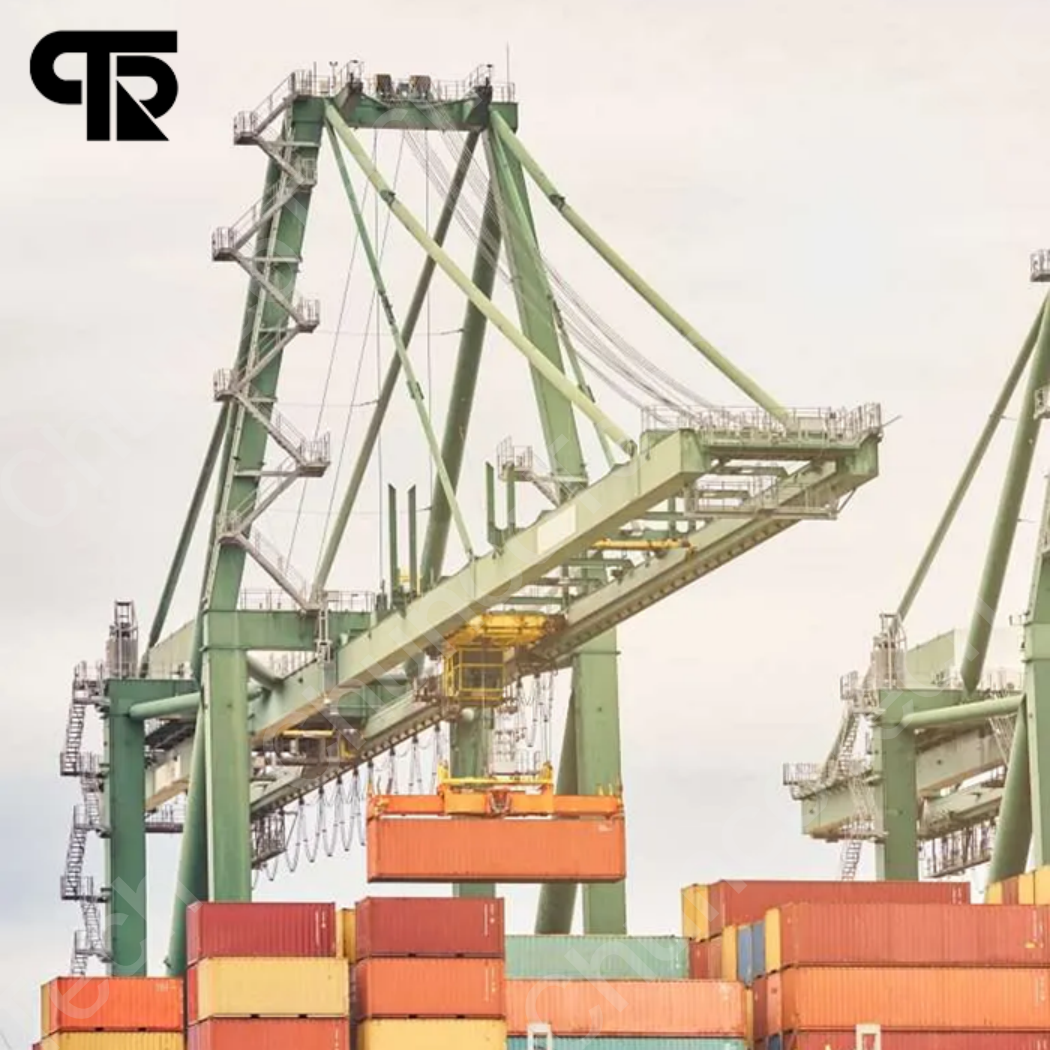
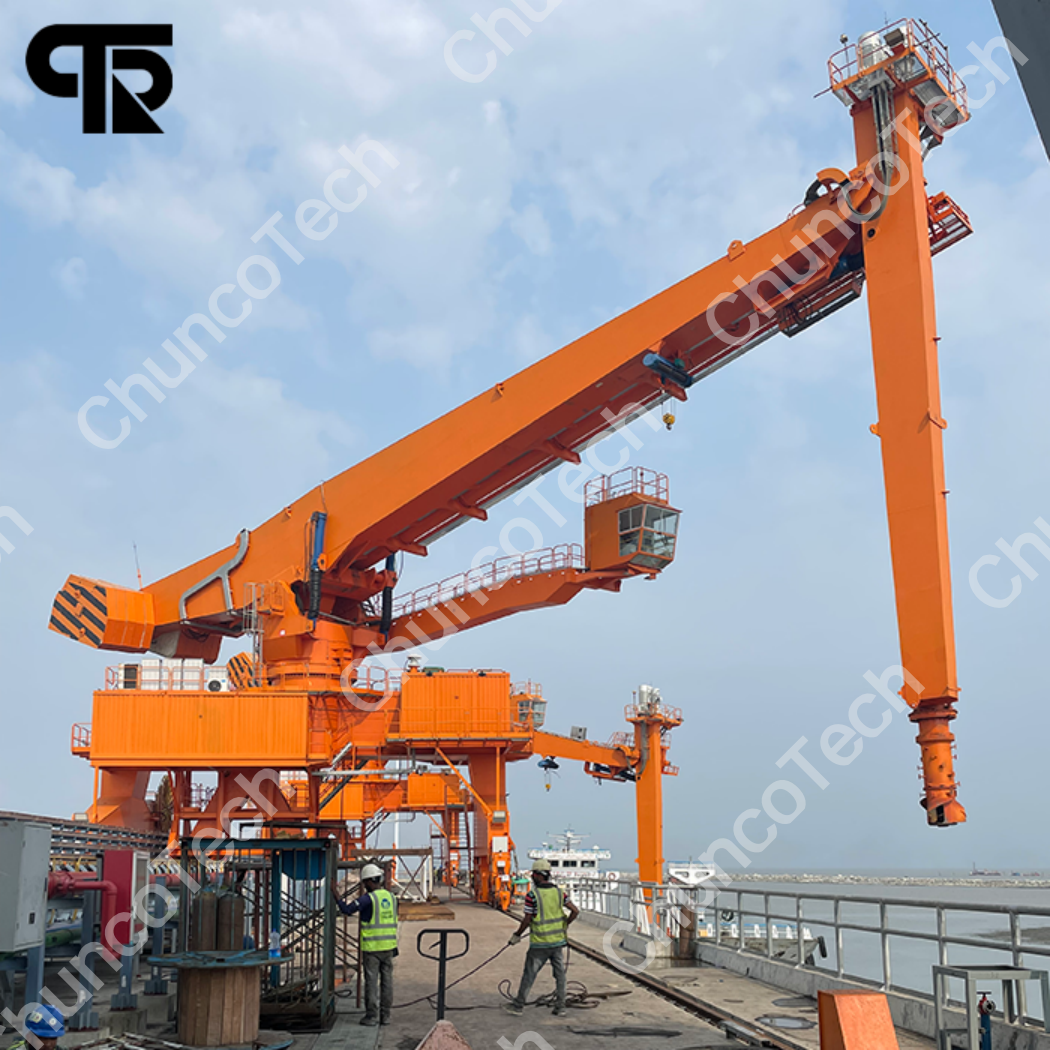
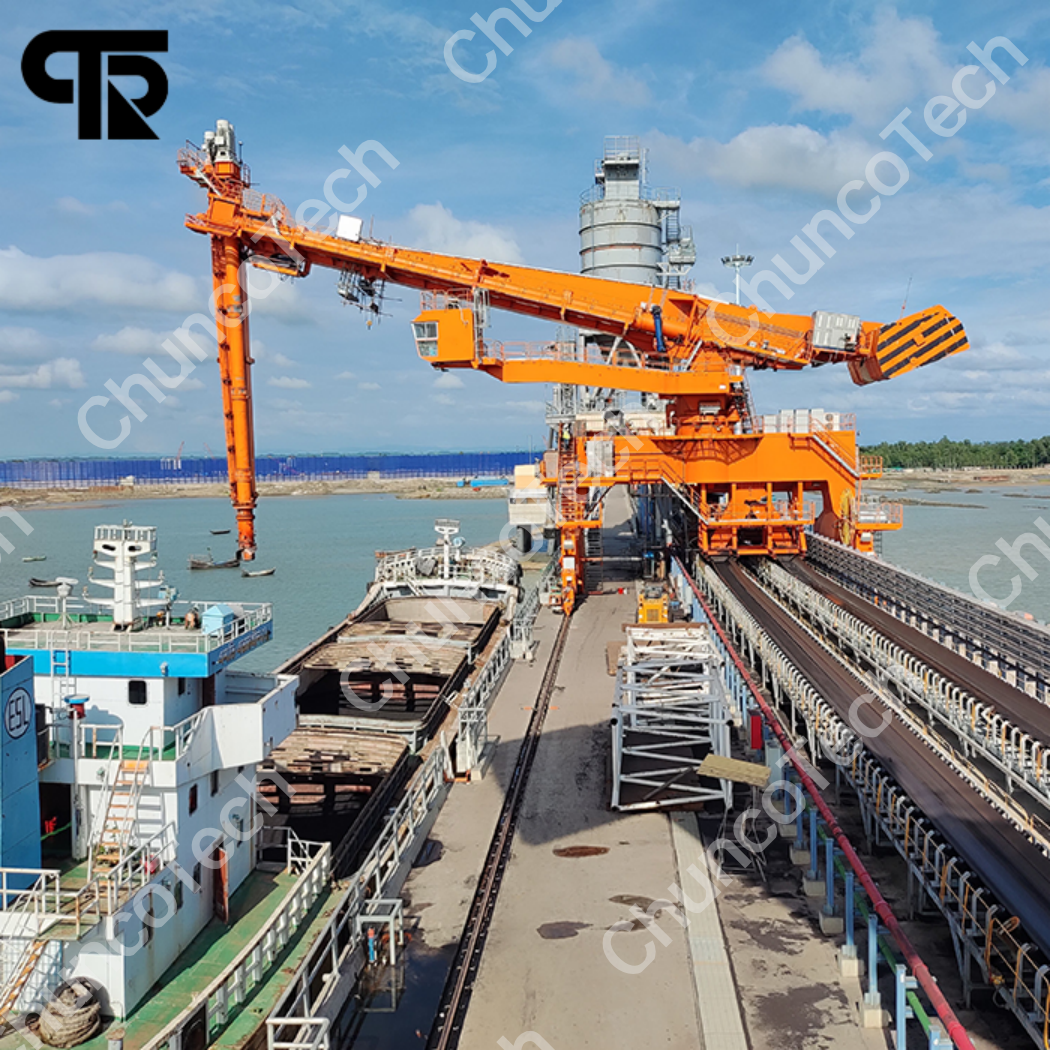
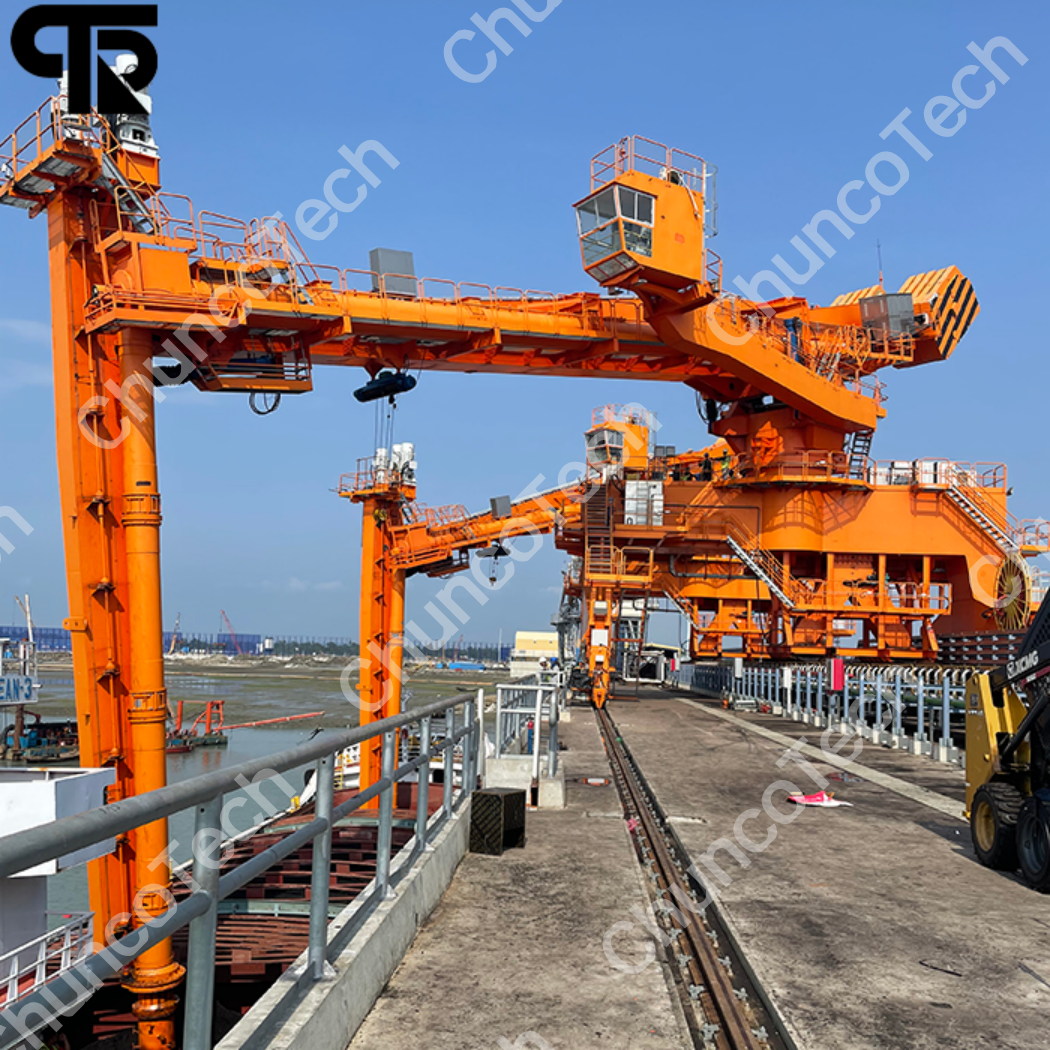
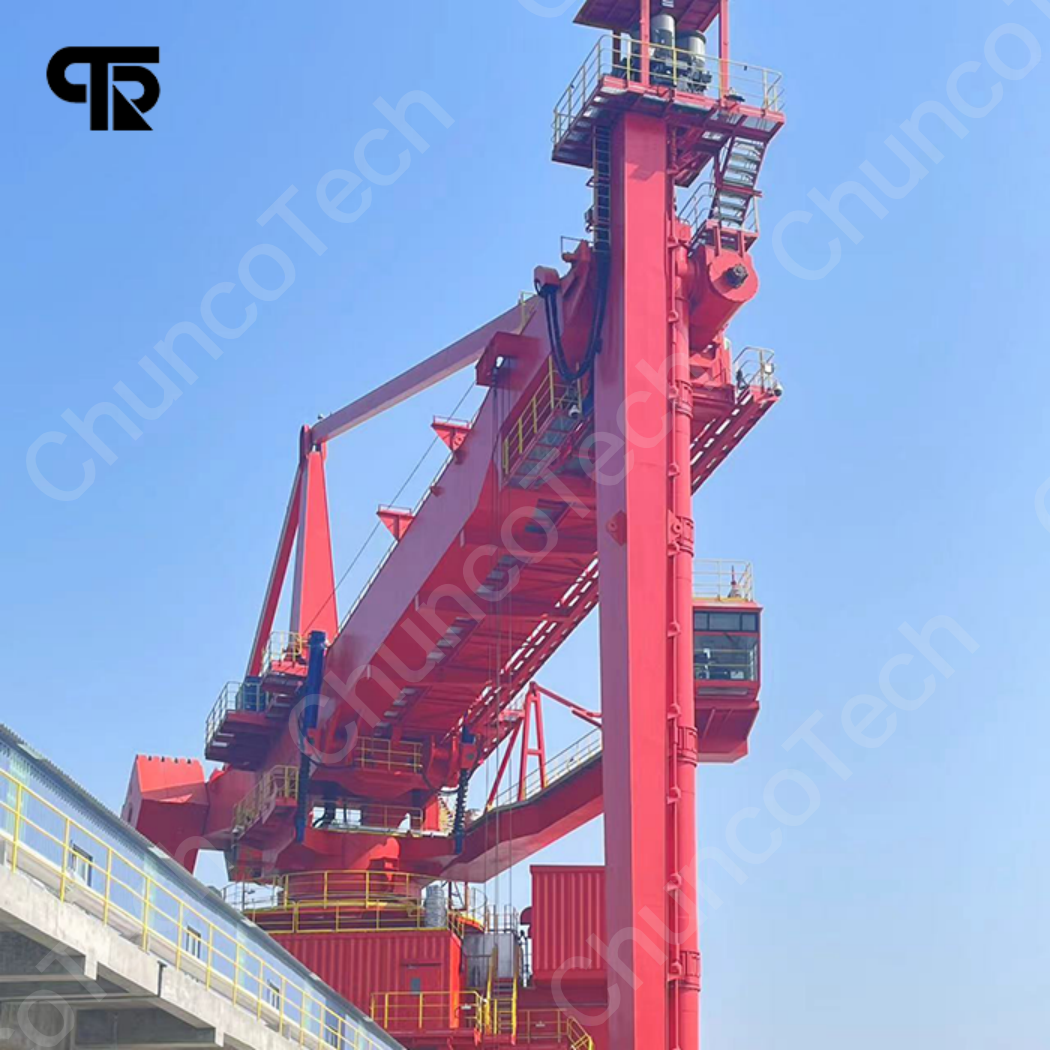
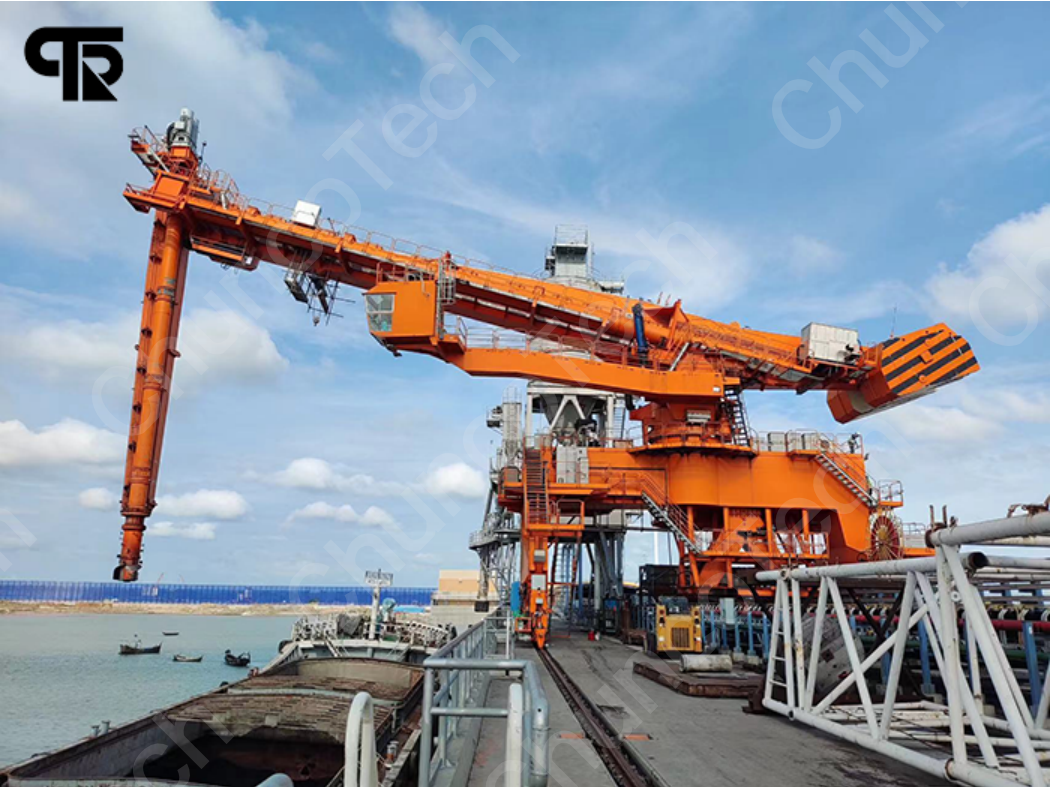
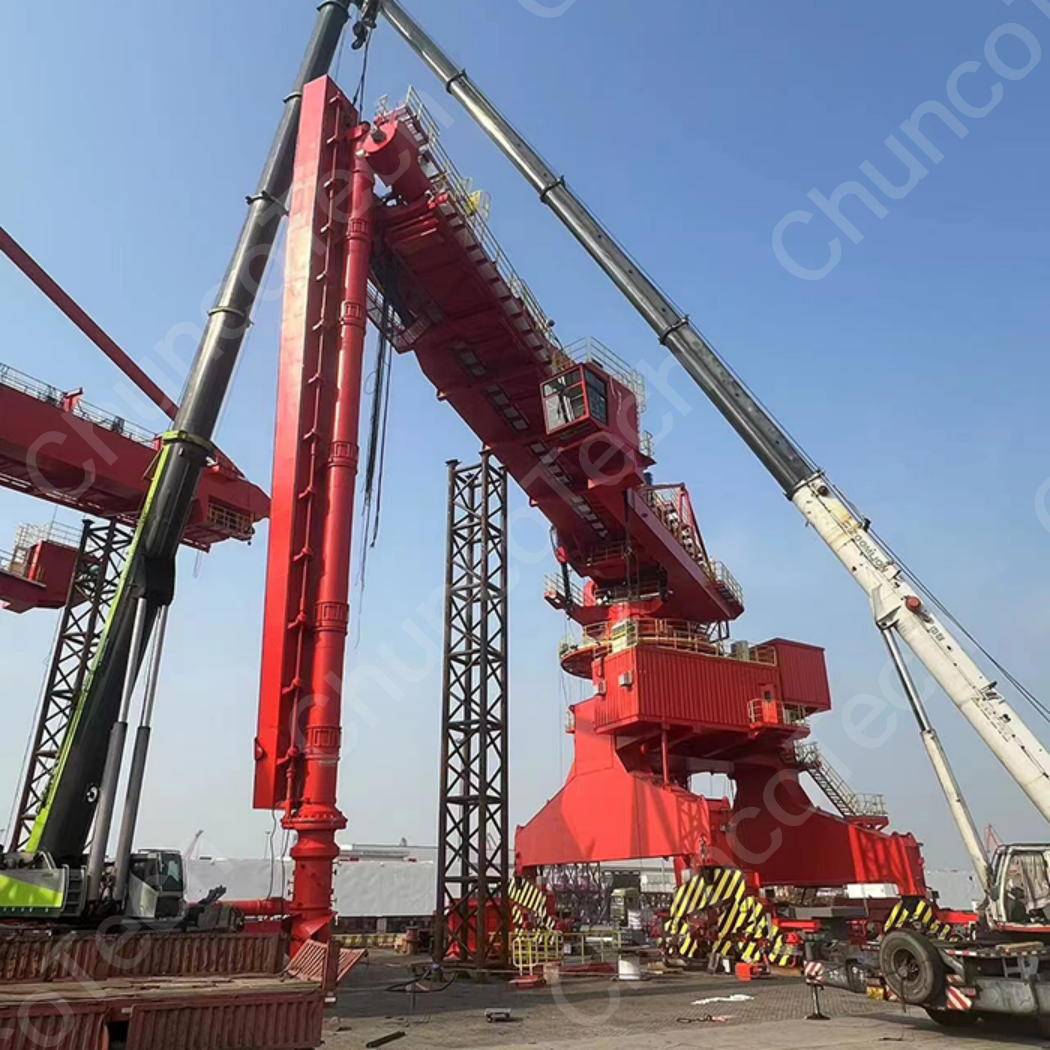
High-Efficiency Ship Unloaders - We professionally provide various types of port unloading equipment for bulk cargo and containers, including bridge-type grab unloaders, continuous ship unloaders, and portal slewing unloaders. We are committed to enhancing port handling efficiency, reducing operational costs, and our equipment is suitable for terminal handling operations of a wide range of materials such as coal, ores, grain, and cement. Featuring high stability, strong adaptability, and automated control capabilities, our equipment serves as a crucial solution for modern port machinery and equipment.
I Classification
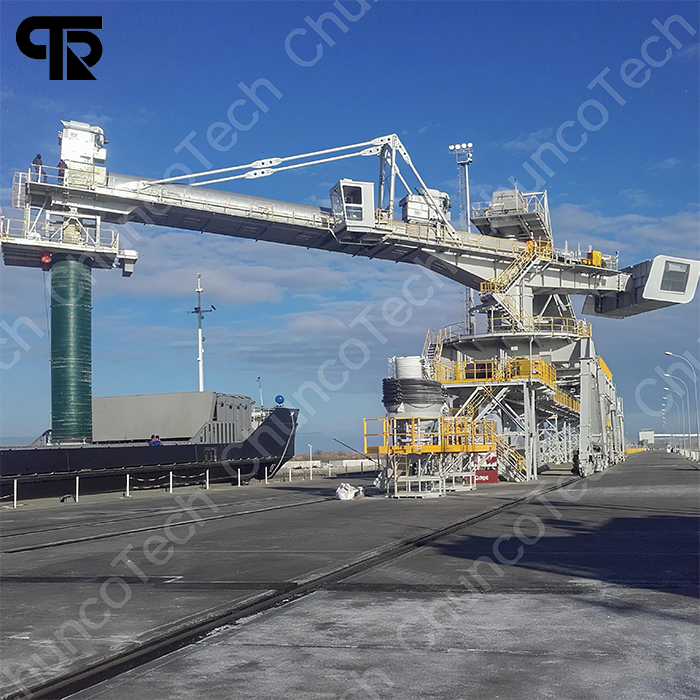
1.Coal Ship Unloader
The Coal Ship Unloader is the core handling equipment at modern bulk cargo terminals, specifically engineered for the rapid, efficient, and eco-friendly unloading of coal from large bulk carriers (such as Capesize and Panamax vessels). Our unloader integrates cutting-edge engineering concepts and intelligent technology, dedicated to providing customers with maximum unloading efficiency, lowest operational costs, and superior environmental performance. It serves as the cornerstone for building a modern, intelligent, and green port.
2.Clinker Unloader
The cement clinker unloader is a critical mechanical system in the cement production process, connecting clinker storage with subsequent conveying, grinding, or shipping stages. Its primary function is to efficiently, cleanly, and controllably discharge high-temperature, lumpy clinker from storage silos (bottom or side) or transport carriers (rail cars, trucks, ships). Based on the application scenario, technical principle, and structural form, this equipment can be specifically categorized into in-silo discharge devices, vehicle/ship unloaders, and mobile bulk loaders, among others. It is designed to address core industry challenges such as dust pollution, discharge blockage, low efficiency, and heavy reliance on manual labor.
3.Grain Unloader
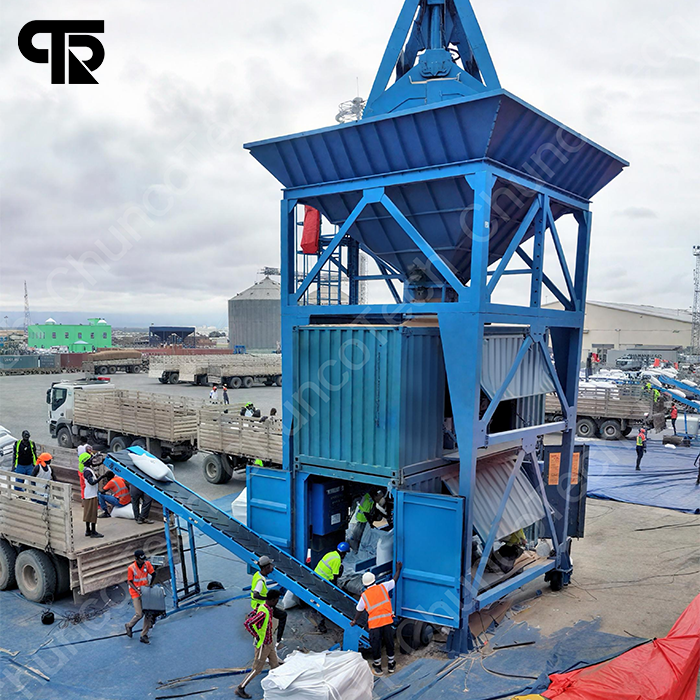
The grain unloader, professionally known as a hydraulic tipper grain unloader or mobile belt grain unloader, is an indispensable high-efficiency grain unloading device in modern agricultural production, grain procurement, storage logistics, and feed processing industries. It is primarily used for the rapid, automated unloading of bulk grains (such as wheat, corn, rice, soybeans, etc.) from transport vehicles (like trucks, trailers) into receiving pits, conveyor belts, or designated storage areas. It completely replaces traditional manual unloading methods and is key machinery for improving operational efficiency, reducing labor costs, and ensuring grain loss reduction.
4.Cement Ship Unloader
The grain unloader, professionally known as a hydraulic tipper grain unloader or mobile belt grain unloader, is an indispensable high-efficiency grain unloading device in modern agricultural production, grain procurement, storage logistics, and feed processing industries. It is primarily used for the rapid, automated unloading of bulk grains (such as wheat, corn, rice, soybeans, etc.) from transport vehicles (like trucks, trailers) into receiving pits, conveyor belts, or designated storage areas. It completely replaces traditional manual unloading methods and is key machinery for improving operational efficiency, reducing labor costs, and ensuring grain loss reduction.
A cement ship unloader is a highly specialized piece of port handling equipment designed for the efficient, enclosed, and dust-free unloading of bulk cement from seagoing or inland waterway vessels to shore-based storage systems. As the critical entry point in a modern bulk terminal's logistics chain, it utilizes unique continuous mechanical feeding and conveying technology. This system completely replaces the traditional, intermittent, and highly polluting grab bucket unloading method.
It achieves a quantum leap in unloading efficiency, with single-unit capacity ranging from hundreds to over a thousand tons per hour. Furthermore, it excels in environmental protection and material conservation by minimizing dust emissions and material loss during the discharge process.
This equipment is essential for ensuring smooth logistics operations at large-scale cement transit terminals, cement grinding plants, and major construction projects. Its reliability and level of automation directly impact the entire supply chain's efficiency and cost. Currently, mainstream screw-type cement unloaders and innovative ship-mounted pneumatic self-unloading systems are driving the industry toward higher efficiency, cleaner operations, and greater intelligence, supporting ports in their transition to green upgrades and sustainable development.


II Advantages And Disadvantages
1. Coal Ship Unloader
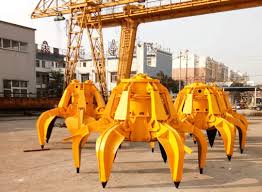
The coal ship unloader is the workhorse for handling bulk commodities. Its core advantage lies in its massive handling capacity, using heavy-duty grabs to unload coal rapidly and with exceptional efficiency. Our coal ship unloader is built to be more robust and durable, designed to withstand the abrasion and corrosion typical of coal handling. However, environmentally, traditional grab operations face challenges in controlling coal dust. In contrast, our provided solutions are optimized at critical sealing points and dust suppression systems, making them more environmentally friendly, all while maintaining a significant advantage in price, offering customers a high cost-performance choice.
2. Clinker Unloader
The clinker unloader is specifically engineered for handling hot, highly abrasive clinker. Its greatest strength is its exceptional wear resistance, utilizing special liners and conveying designs that far outlast standard unloading equipment. This, however, often means higher costs for key components and typically a heavier overall machine weight. Our design strikes a balance by optimizing materials and structure. While ensuring core wear resistance, we achieve a relatively lighter overall machine, reducing foundation construction costs and maintenance complexity, ultimately presenting customers with a more economical total cost of ownership.
3. Grain Ship Unloader
Grain ship unloaders demand extremely stringent requirements for hygiene, prevention of breakage, and dust control. Their primary advantage is superior material protection. Employing pneumatic (air suction) or gentle mechanical (e.g., twin-belt) unloading methods, they maximize the integrity of grain kernels. Simultaneously, fully enclosed systems make them one of the most environmentally friendly unloading types, with almost no dust emission. The technical complexity and cleanliness requirements of such equipment usually lead to higher costs. Our advantage lies in offering a more competitive price through mature modular design and highly efficient dust collection systems, ensuring top-tier environmental standards and grain safety, allowing customers to secure reliable grain unloading capabilities with a lower investment.
4. Cement Ship Unloader
The main challenges for cement ship unloaders are dust emission and material compaction of fine powder. Therefore, their most prominent advantage is a high degree of sealing and leak-proof design, commonly featuring fully enclosed pneumatic or screw conveyor systems, offering outstanding environmental performance. However, traditional pneumatic systems can have high energy consumption, while mechanical types may face wear issues. Our cement ship unloader achieves an excellent balance between the two. Through energy-efficient conveying technology and advanced silo discharge aids, it ensures not only exceptional environmental performance but also significantly improves operational reliability. More importantly, by optimizing overall power configuration and wear-part design, we effectively control customers' long-term operational and maintenance expenses, providing a life-cycle solution with superior price advantage.


III Application Scenarios
1. Coal Ship Unloader
Primarily used in ports of thermal power plants, steel enterprises, chemical parks, and large coal storage bases for efficiently unloading coal from open-hatch bulk carriers or self-unloading vessels. Capable of handling various coal types from sub-bituminous to anthracite, suitable for continuous operation in high-dust, high-load environments. Often integrated with stacker-reclaimers and enclosed conveyor belt systems to achieve fully enclosed "ship-to-storage" coal transfer.
2. Clinker Unloader
Specifically designed for cement production plants, clinker transshipment bases, and building materials terminals to unload high-temperature, highly abrasive cement clinker from bulk carriers. The equipment requires wear-resistant, impact-resistant structures and is often equipped with hydraulic grabs or corrugated sidewall belt unloading mechanisms. Integrated with dust collection systems to prevent dust dispersion, it is suitable for logistics scenarios like "ship-barge-plant" transshipment or direct feeding to production lines.
3. Grain Unloader
Widely used for bulk grain unloading at ports of grain storage depots, food processing parks, feed production plants, and oil & grain import/export terminals. Designed for grains like corn, wheat, soybeans, and rice that are prone to damage and require contamination prevention. Utilizes low-breakage pneumatic unloaders (grain pumps) or sandwich belt unloaders to achieve "gentle and efficient" unloading. Equipment often includes intelligent dust collection, explosion-proof, and automated weighing systems to meet food-grade hygiene and safety standards.
4. Cement Ship Unloader
Specializes in unloading powdered materials like cement, fly ash, and slag powder at ports, commonly used in cement distribution centers, concrete mixing plants, and temporary material distribution points for large-scale infrastructure projects near water. Employs pneumatic conveying or screw mechanical designs to achieve fully enclosed, leak-free powder unloading, eliminating environmental pollution. The equipment is adaptable to various vessel types, from inland barges to 10,000-ton bulk cement carriers.
IV Information Required for Purchase
To ensure an accurate technical proposal and quotation, please provide the following information when inquiring:
1.Terminal parameters (dimensions, water depth, load capacity)
2.Vessel information (tonnage, dimensions)
3.Required unloading efficiency
4.Coal characteristics (type, density)
5.Rear conveyor belt specifications
6.Environmental standards
7.Power supply conditions
8.Special requirements (e.g., automation level)
V.Purchase&After-sales Support
Certificate
Procurement process
1.Sign Quotation&TA & PI&SC
2.Production Drawing confirmation (3Dmodels and Key Drawings)
3.Actual production begin
4.Production process following up and report
5.Factory Assemble &testing (inviting clients to attend in advance)
6.Packing &delivery
7.At end user’s site installation , commissioning &training
8.After sales service
After-sales assembly service
To ensure the safe and efficient commissioning of the equipment, our company hereby provides professional after-sales assembly guidance services, with detailed terms as follows:
1. Service Basis and Scope
Our company will classify service levels and determine the duration of free on-site guidance and installation services based on the model and overall weight of the ship crane. The free service period is 3–5 working days for small-sized cranes, 5–7 working days for medium-sized ones, and 7–15 working days for large and extra-large models, with the specific terms subject to the sales contract signed by both parties. The service scope covers full-process assembly guidance including on-board equipment positioning, component assembly and commissioning, safety device calibration, and operation procedure training.
2. Pre-service Requirements
The customer shall complete the preparation of on-site construction conditions prior to the agreed service time, including the positioning of lifting equipment, clearing of the operation site, and preparation of supporting auxiliary materials (such as fasteners and seals). Meanwhile, the customer shall provide the relevant ship technical drawings and on-site coordinating personnel required for the operation to ensure the smooth progress of the assembly work.
3. Charging Standard for Extended Service Period
If the service duration exceeds the free quota due to non-our-fault reasons such as the customer’s substandard on-site conditions or inadequate coordination, the excess part will be charged at a technical service fee of 200 USD per person per working day, and the travel, accommodation and catering expenses shall be borne by the customer separately.
4. Service Guarantee and Commitment
The technical personnel dispatched by our company all hold qualifications for ship crane assembly and have rich practical experience. The service process strictly complies with international ship equipment installation specifications and our company’s quality standards.