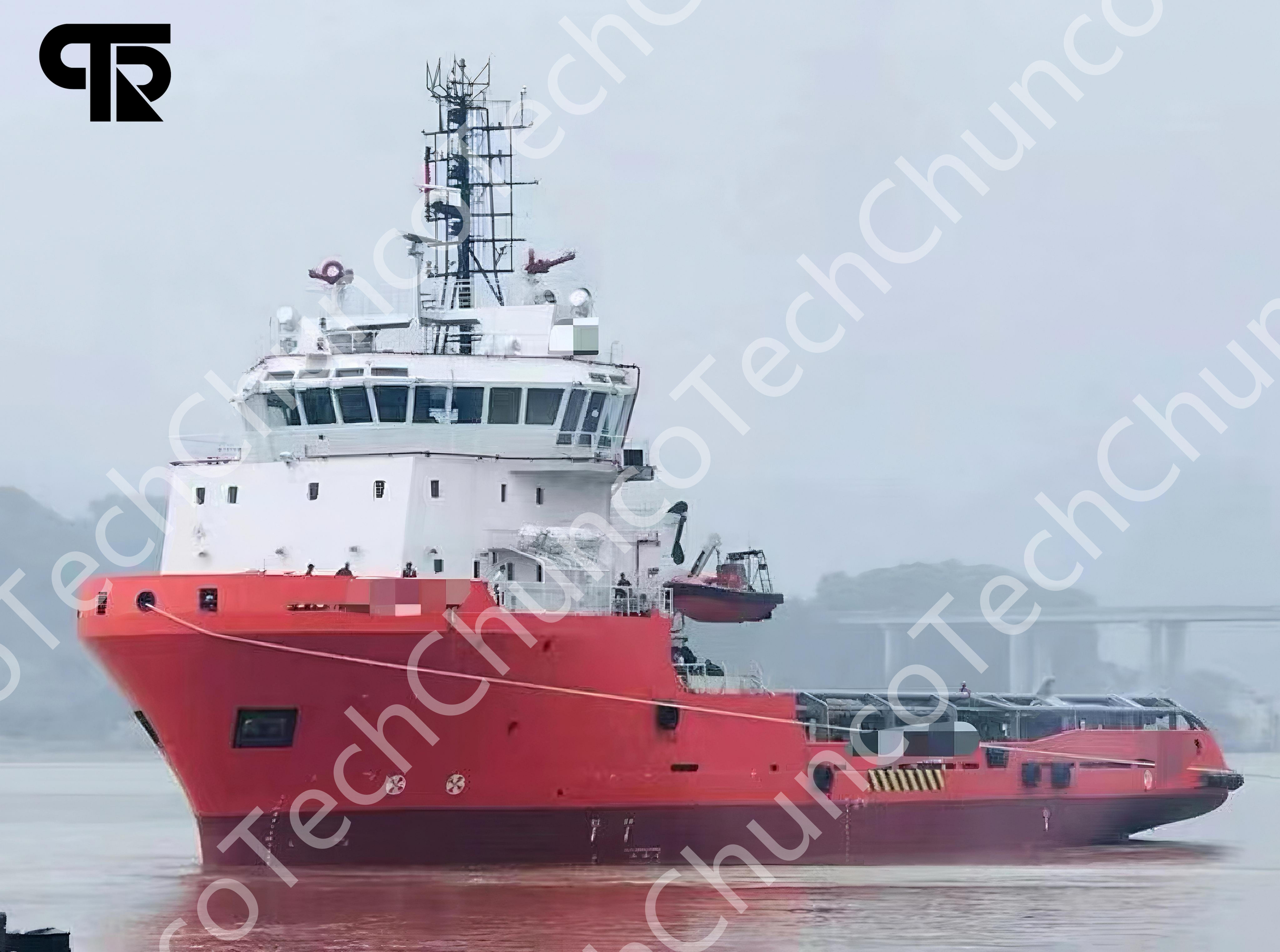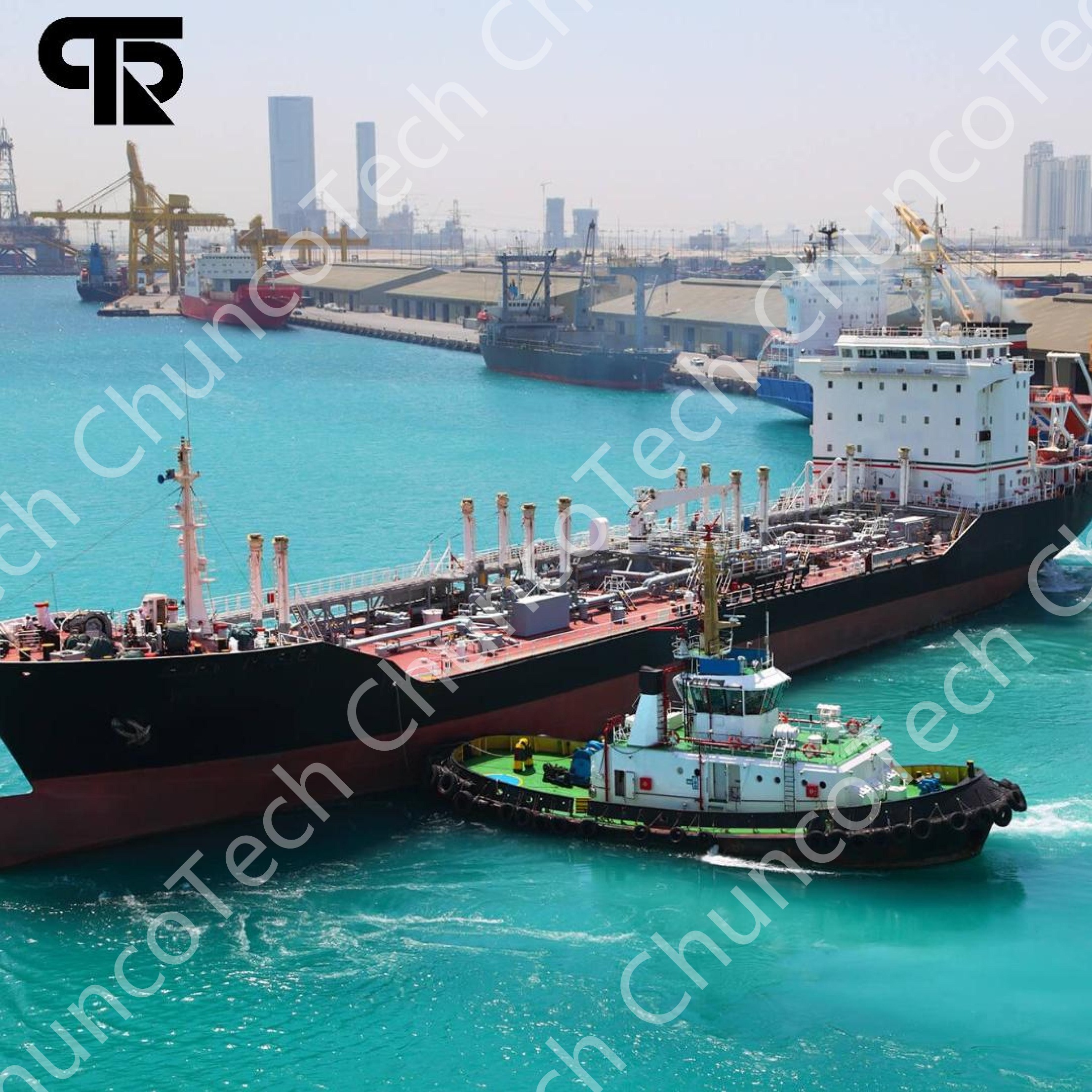
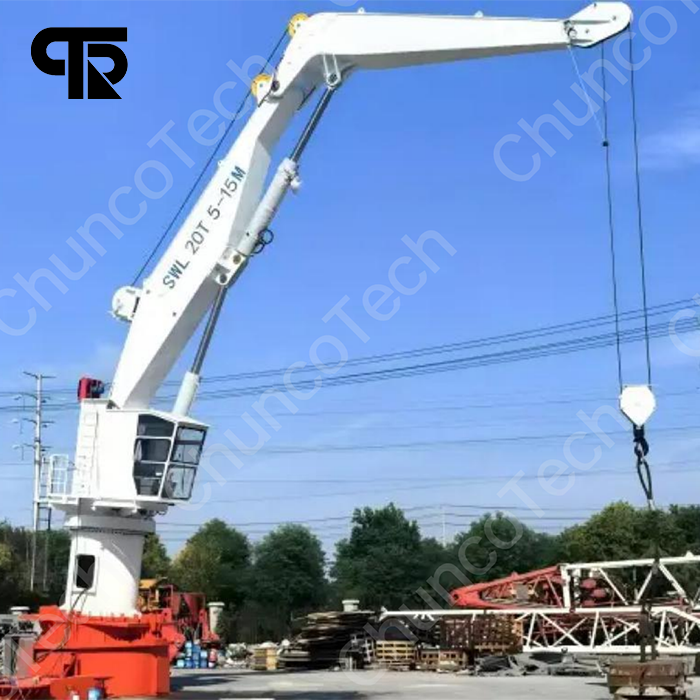
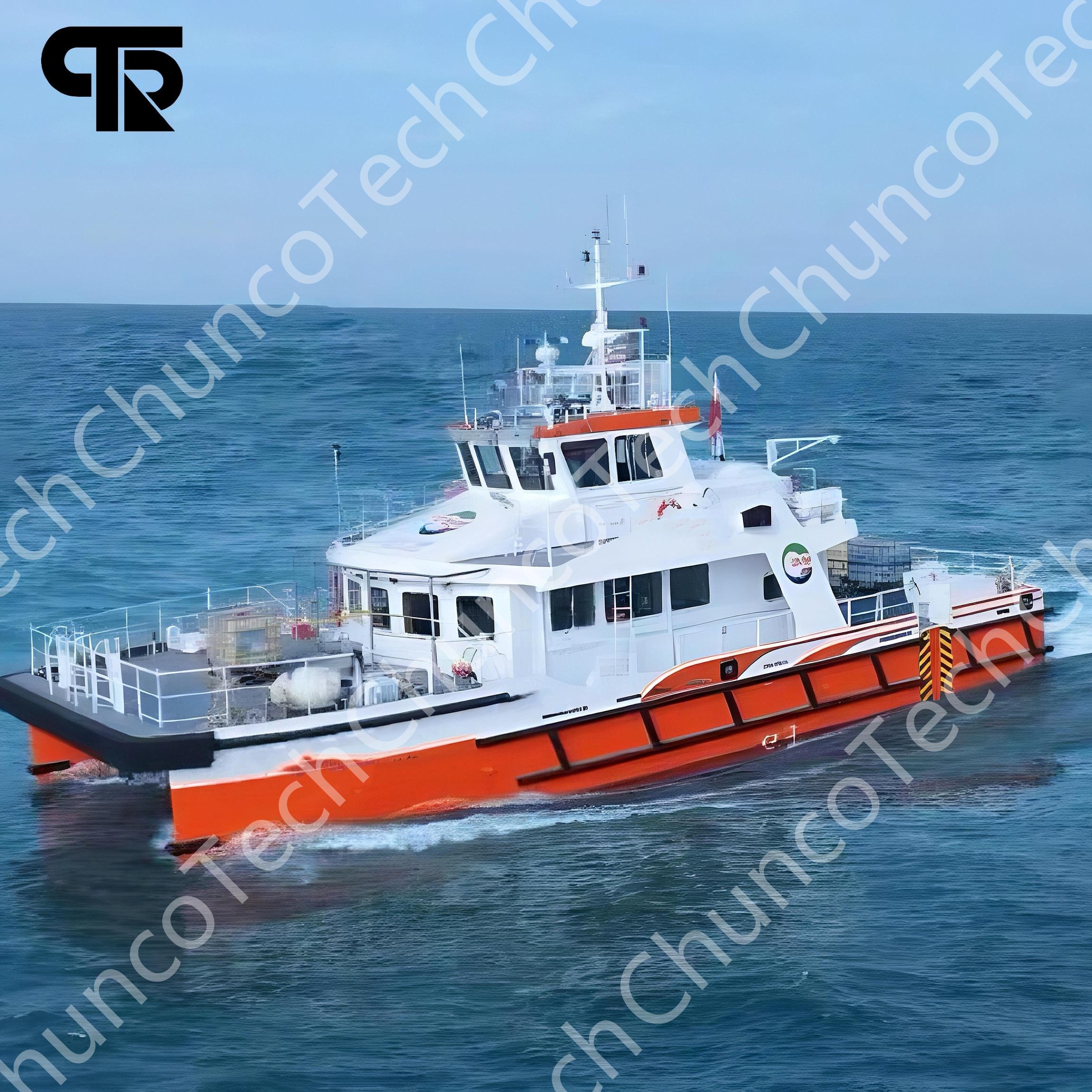
Multi-scenario auxiliary operation and maintenance vessel
It can cover multiple operation scenarios such as oil platforms and nearshore facilities, and its functions are inclined towards personnel and equipment assistance. It includes CTV (Personnel transfer vessel, responsible for the transportation of personnel between the platform and the land), SOV (wind power operation and maintenance vessel, also serving as an auxiliary operation and maintenance vessel for nearshore oil platforms), and Tuna WF60/100 (wind power operation and maintenance vessel, capable of collaborating to transfer personnel from oil platforms).
1. Multi-Role Adaptive Platform Design
●Versatile Hull Form for Diverse Scenarios: Features a wide beam, shallow draft, and high stability purpose hull with good seakeeping and maneuverability. Adaptable to various environments from offshore and inland waterways to lakes, serving as a reliable multi-role offshore mothership platform.
●Modular Mission Bay Integration System: The core feature is its containerized/modular mission equipment bay design. The deck is equipped with standard container locks and universal utility interfaces (power, water, data), allowing for the rapid deployment and swapping of different interchangeable mission modules, achieving "one vessel, multiple capabilities, configured on demand".
●Flexible Deck Layout & Payload Capacity: Offers expansive clear deck space with high payload capacity. It can be flexibly arranged to accommodate mobile laboratory modules, diving support containers, hydrographic survey equipment arrays, or small-scale engineering machinery, meeting diversified deck operation requirements.
●Smart Hull & Energy Management System: Integrates an Integrated Bridge System (IBS) and an Intelligent Power Management System (PMS) for real-time monitoring of vessel status and energy consumption, optimizing transit and operational modes. This is key to enabling "smart ship" operation and maintenance.
●Universal Power & Mission Interfaces: Equipped with a high-capacity electrical plant and standardized hydraulic, electrical, communication, and data interfaces. Provides plug-and-play power and signal support for various specialized mission modules (e.g., ROVs, water quality sensors, acoustic devices).
●High-Precision DP & Maneuverability: Optionally fitted with DP1/DP2 Dynamic Positioning Systems and azimuth thrusters. Ensures precise station-keeping and heading control under wind and current influences, meeting requirements for high-end operations like fixed-point hydrographic sampling and detailed subsea infrastructure inspection.
3.Comprehensive Scenario Task Support Capability
●Offshore Renewable Energy O&M Support: Functions as a "mobile offshore wind farm O&M base," supporting turbine routine inspection, preventive maintenance, troubleshooting, repair, and transport/replacement of minor components. An efficient solution for distributed wind cluster maintenance.
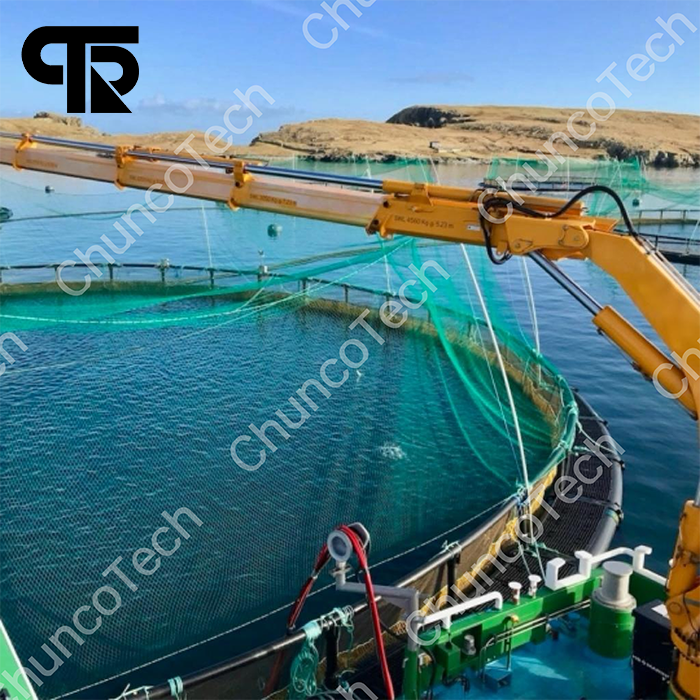
●Marine Environment & Ecosystem Monitoring: Can be rapidly reconfigured as a "marine environmental monitoring platform." By deploying multi-parameter water quality sondes, ADCPs, plankton samplers, etc., it executes tasks such as "river-lake-reservoir aquatic ecosystemsurvey," "outfall inspection and monitoring," and "marine ranching environment surveillance."●Subsea Structure & Asset Inspection: By integrating side-scan sonar, multibeam echosounders, and work-class ROVs, it becomes a "subsea pipeline & cable inspection vessel" and "port waterway facility assessment platform," conducting non-destructive testing and data collection on underwater assets.
●Emergency & Auxiliary Operations Role: Can be configured as a "small-scale emergency response command vessel," "auxiliary marine research vessel," or "diving operation support vessel," providing personnel transfer, cargo supply, on-site command, and light construction support.
II.Product Advantages
1. Significantly Enhanced Asset Utilization & Economic Benefit
●Reduces Total Cost of Ownership: One vessel integrates the functions of multiple specialized vessels, avoiding the high capital expenditure and idle costs associated with owning "single-purpose specialty craft," achieving "multi-role capability and investment efficiency."
●Maximizes Operational Revenue Windows: Rapid mission module swapping allows seamless transition between projects from different sectors or seasons (e.g., marine surveys in summer, wind farm O&M in winter), significantly increasing annual operational days and asset return rate.
●Optimizes Crewing and Logistics: A generalized platform lowers the specialization barrier for crews. One core marine crew can support multiple types of operations, reducing the need for highly specialized training and manpower dedicated to niche vessels.
●Rapid Response to Diverse Demands: Addresses clients' "multi-batch, small-scale, diversified" O&M needs. Can be deployed rapidly like a "maritime mission Swiss Army knife," offering tailored service solutions and capturing market opportunities swiftly.
●Mitigates Industry Cyclical Risks: Not overly reliant on any single market (e.g., only oil & gas or only wind). Business coverage spans offshore renewables, marine environmental protection, scientific research, and engineering inspection, enhancing the company's risk resilience and sustainable development.
●Facilitates Technology Iteration & Upgrades: The modular design allows the vessel's core platform to remain relevant through its lifecycle by upgrading mission modules to carry the latest sensors and tools, easily adapting to future technological changes and protecting long-term asset value.
●Shortens Project Mobilization Time: The "pre-configured modular" approach reduces project mobilization from months to weeks, enabling "rapid mission re-role and deployment" to meet tight deadlines for emergency monitoring or ad-hoc inspection tasks.
●Supports Green Shipping & Operations: The platform design accommodates future integration of hybrid power, battery propulsion, or clean fuels. It can serve as a "green technology application and validation platform," helping operators comply with tightening emission regulations and build a responsible corporate image.
●Empowers Data-Driven Decision Making: As an integrated "mobile data acquisition and analysis node," it concurrently collects vessel performance, equipment health, and environmental data during operations. This allows for the provision of value-added data analysis reports and predictive maintenance recommendations to clients.
III.Application
●Offshore Wind Farm Routine O&M Commuting: Serves as the "offshore wind farm crew shuttle boat," responsible for the high-frequency, routine round-trip transportation of O&M engineers and technicians from the service port to offshore turbines. It is the core transport vehicle for planned maintenance and inspection campaigns.
●Nearshore Oil & Gas Platform Crew Changes: Services fixed offshore platforms, performing scheduled crew change and transfer operations. Offers a more economical and less weather-sensitive platform crew rotation solution compared to helicopters.
●Small Equipment & Emergency Spare Parts Transport: Utilizes deck space to carry small tools, emergency spare part kits, and daily supplies alongside personnel, enabling "combined personnel and cargo" fast delivery to support minor repair work on-site.
●Construction & Commissioning Phase Support: During the construction and commissioning of offshore wind farms, provides flexible, rapid point-to-point transit for construction workers and commissioning engineers, meeting the multi-point traffic demands of a dynamic site.
●Emergency Response & Personnel Evacuation: Acts as a first response vessel, capable of rapid deployment for initial assessment, personnel transfer, or on-scene command and liaison in case of minor emergencies on platforms or turbines.
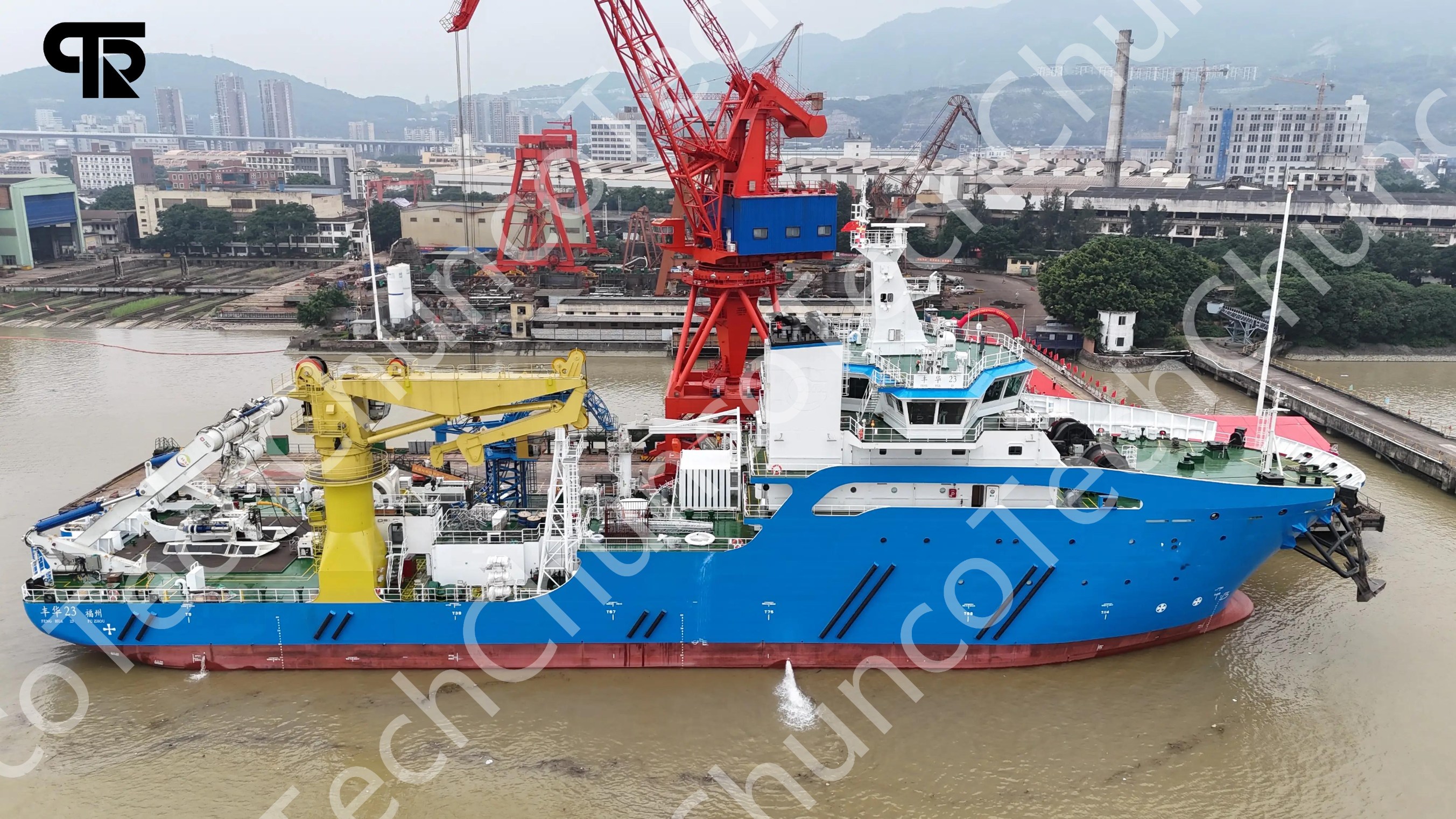
●Mid-to-Far Shore Wind Farm Integrated O&M Hub: Functions as a "mobile offshore wind farm O&M mothership," providing long-term residence and support for wind farms far from port. It accommodates large O&M teams and spare parts, utilizing its motion-compensated gangway and daughter CTVs to enable all-weather, high-efficiency turbine access and maintenance operations.
●Major Platform Overhaul Project Support: Serves as an "auxiliary platform support vessel" for nearshore oil & gas platforms. During major overhauls, module replacements, or diving campaigns, it provides offshore accommodation, cargo storage, equipment staging workshops, and project command center capabilities, significantly extending productive offshore work periods.
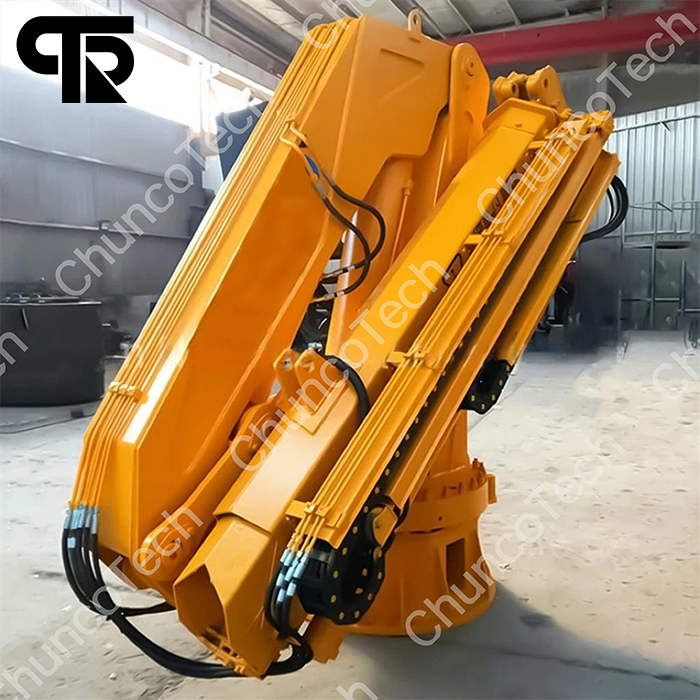
●Subsea Inspection & Repair Operation Support: Equipped with a moonpool, heavy-duty crane, and work-class ROV, it can support systematic inspection, cleaning, and minor repair of wind farm export cables, foundations, or platform subsea jackets.
●Pre-commissioning & Post-Installation Support: Prior to farm commissioning, acts as the headquarters for offshore commissioning teams, housing numerous OEM engineers to coordinate pre-energization testing and commissioning of dozens of turbines.
●Data Center & Remote O&M Node: Serves as a powerful offshore mobile data center, processing field data (vibration, video, SCADA) to enable predictive maintenance through shore-based collaboration.
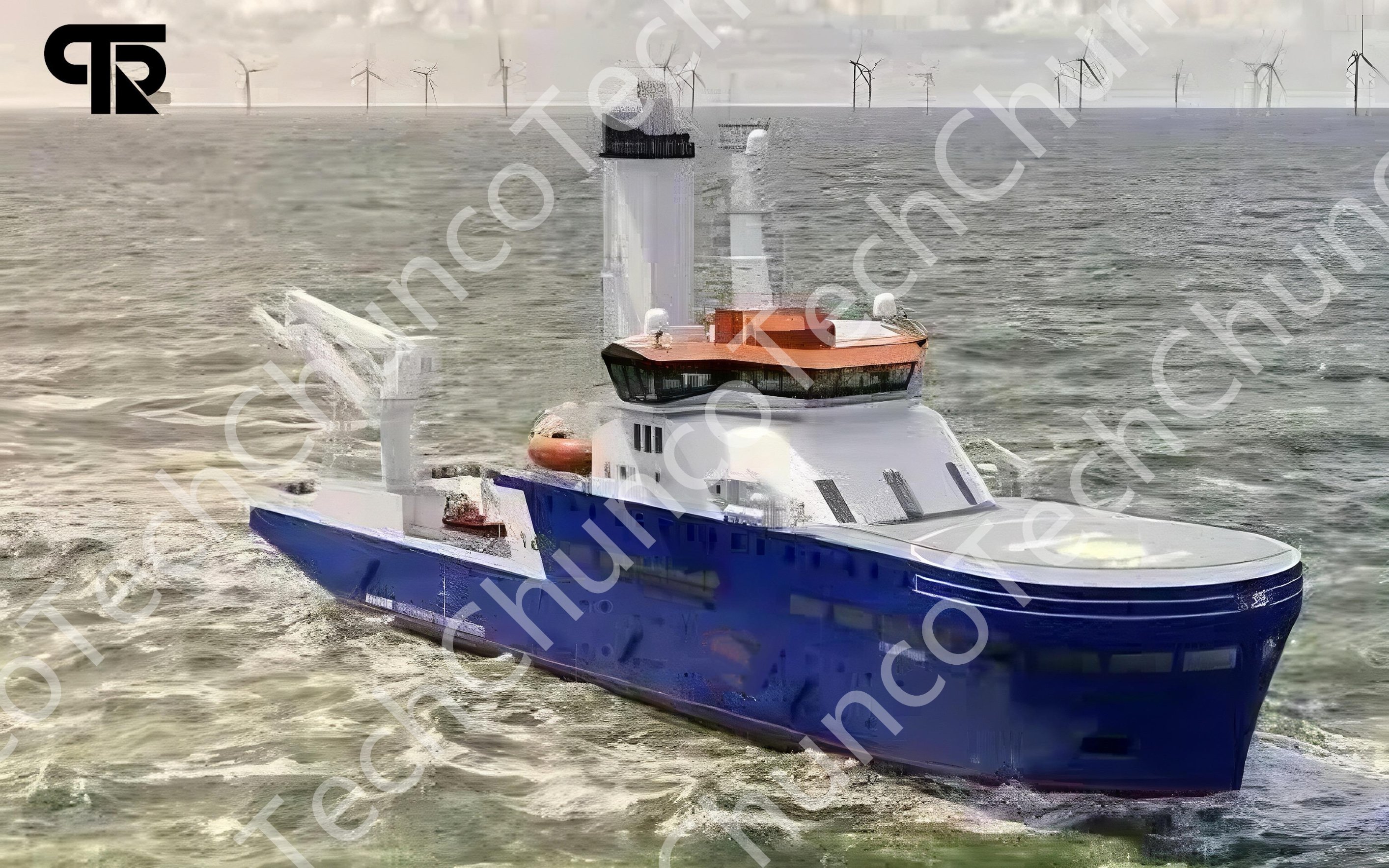
Tuna WF60/100 (Wind Farm Service Vessel, Platform-to-Platform Personnel Transfer Capable Vessel)
●Flexible Shuttle Service for Archipelago-Style Wind Farms: Particularly suited for operations within dispersed, archipelago-style wind farms. Leveraging good seakeeping and endurance, it performs efficient shuttle and dispatch services between different turbine clusters or to a central O&M base.
●Primary Vessel for Medium-Scale O&M Campaigns: As a mid-sized solution—larger than a CTV yet more agile than an SOV—it is ideal as the primary platform for multi-week, centralized wind farm campaigns such as scheduled inspections, retrofits, or major troubleshooting, offering better on-site endurance and support than a pure CTV fleet.
●Deployment of Specialized Mission Equipment: Its deck space and payload capacity allow for the carriage of medium-sized hydraulic manipulators, high-pressure cleaning systems, or customized inspection modules to perform tower exterior cleaning, corrosion inspection, or minor component replacement directly from the deck.
●Enhanced Emergency Response & Medical Evacuation: With improved medical facilities and stability, it can serve as an intermediate emergency response and medevac platform for a wind farm or cluster of platforms, providing more reliable casualty evacuation in rough seas compared to CTVs.
IV.FAQ
Q1: CTV, SOV, and Tuna WF series all serve offshore wind. What is their fundamental operational distinction?
A1: The core difference lies in their “Operational Mode” and “Functional Role”, analogous to different tiers of land-based transport services:
SOV: It is the “Offshore Floating Hotel & Command Hub”. Its core is “Offshore Residency & Radiating Operations”. It carries large teams and spares, stationing itself within or near the wind farm for weeks or months. Crews live onboard and access turbines daily via onboard CTVs or a gangway. It provides accommodation, storage, workshops, and command functions, making it essential for far-offshore wind farms.
Tuna WF Series: It is the “Offshore All-Terrain SUV or Large Work Van”. Its core is “Self-Sustained Operations & Asset Hopping”. Larger than a CTV, it has modest offshore endurance (several days) and enhanced deck operation capability to perform certain maintenance tasks independently. Its unique design allows it to shuttle between different offshore assets, e.g., transferring personnel or equipment to a nearby oil & gas platform after completing turbine work, enabling “Hybrid Asset O&M”.
Q2: For a new offshore wind farm located 50km from shore, should we choose CTVs or an SOV?
A2: This depends on the wind farm's “Scale” and “O&M Strategy”.
Reliance on a CTV Fleet: If the farm is medium-sized (e.g., 30-50 turbines) and has a well-established onshore O&M base with logistics, utilizing multiple high-performance CTVs for direct port-to-turbine transit is a common and cost-effective approach. This requires precise weather window management and efficient port logistics.
Necessity for an SOV: If the farm is very large (100+ turbines), located beyond 80-100km, or in an area with harsh weather and short operational windows, deploying an SOV as an offshore hub will significantly boost efficiency and safety margins. It can increase personnel productive time by 30%-50% and reduce weather-related transit disruptions.
Hybrid/Phased Approach: Many projects start with a CTV fleet and charter an SOV for intensive campaigns during major warranty services or retrofit phases. Mid-sized vessels like the Tuna WF series can supplement these, performing specialized tasks that require moderate offshore endurance.
Q3: How significant are the cost differences between these vessel types from both Capex and Opex perspectives?
A3: The cost difference increases by an order of magnitude, corresponding to their functional complexity.
CTV: Entry-Level Investment. Newbuild cost is typically in the range of several million to ten million USD. Operating costs focus on fuel, port fees, and crew, representing a lighter asset model.
Tuna WF Series: Mid-Level Investment. Newbuild cost can reach tens of millions USD. It requires more specialized crew and higher maintenance due to its enhanced capabilities and endurance.
SOV: Heavy Capital Investment. Newbuild cost ranges from tens of millions to over one hundred million USD. Its operation is a complex “offshore project,” involving accommodation for dozens of crew and project staff, extensive spare parts logistics, and management of daughter craft (CTVs), resulting in very high daily operational costs.
Q4: What are the future technological trends for these vessels?
A4: The trends for all types point towards “Greening,” “Digitalization,” and “Functional Convergence.”
Greening: CTVs are rapidly electrifying, with numerous battery-electric or hybrid models emerging for zero-emission, quiet operation within ports and farms. SOVs and larger vessels are exploring alternative fuels like methanol and LNG.
Digitalization: Integration of digital twins, AI-based route optimization, and predictive maintenance systems. Automated turbine docking systems and remote control are being implemented first on CTVs, potentially extending to larger vessels.
Functional Convergence: CTV designs are incorporating features to carry small robotic tools; SOVs are integrating more advanced UAV and AUV support. Vessels like the Tuna WF series exemplify “multi-scenario adaptation.” Future newbuilds will be increasingly difficult to categorize rigidly.
Certificate