Mooring Rope
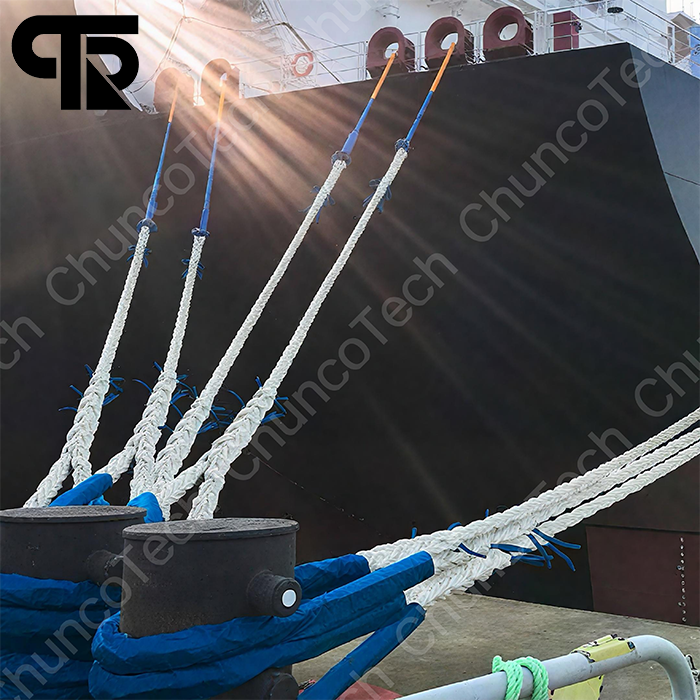
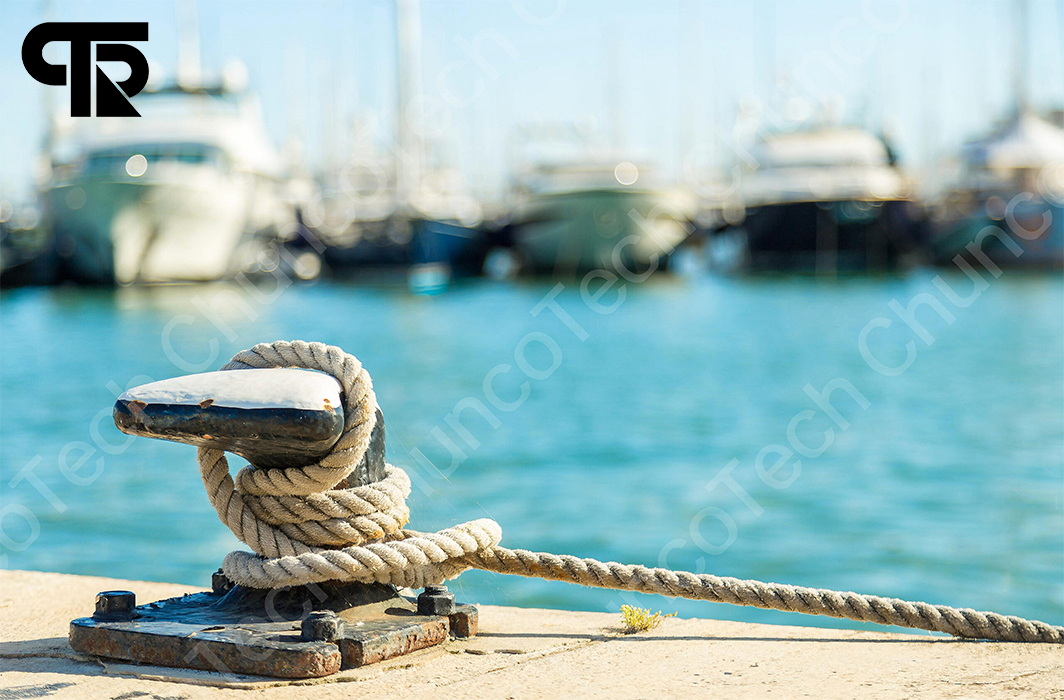
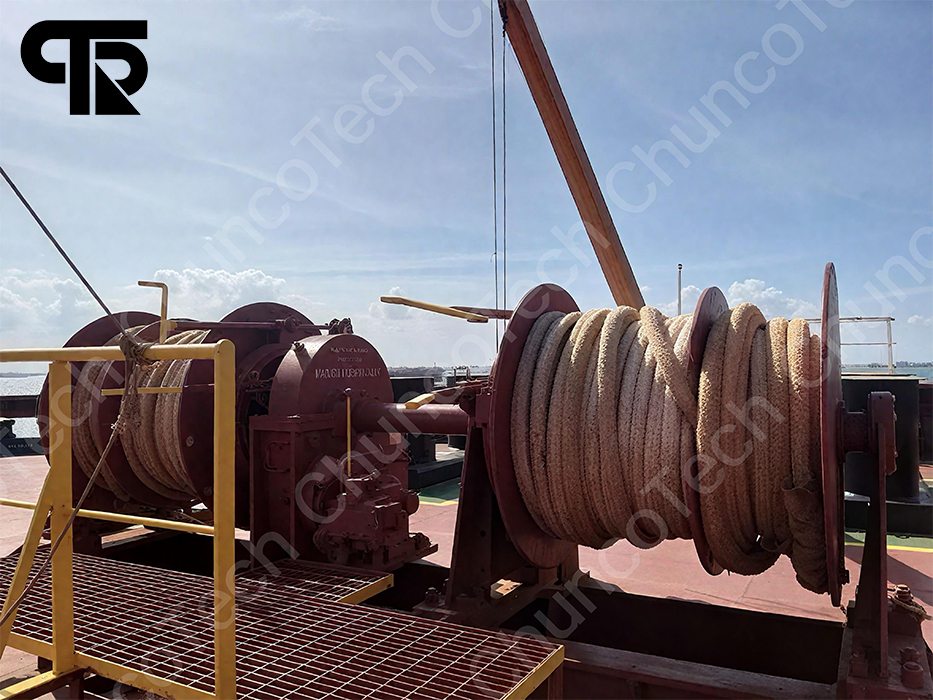
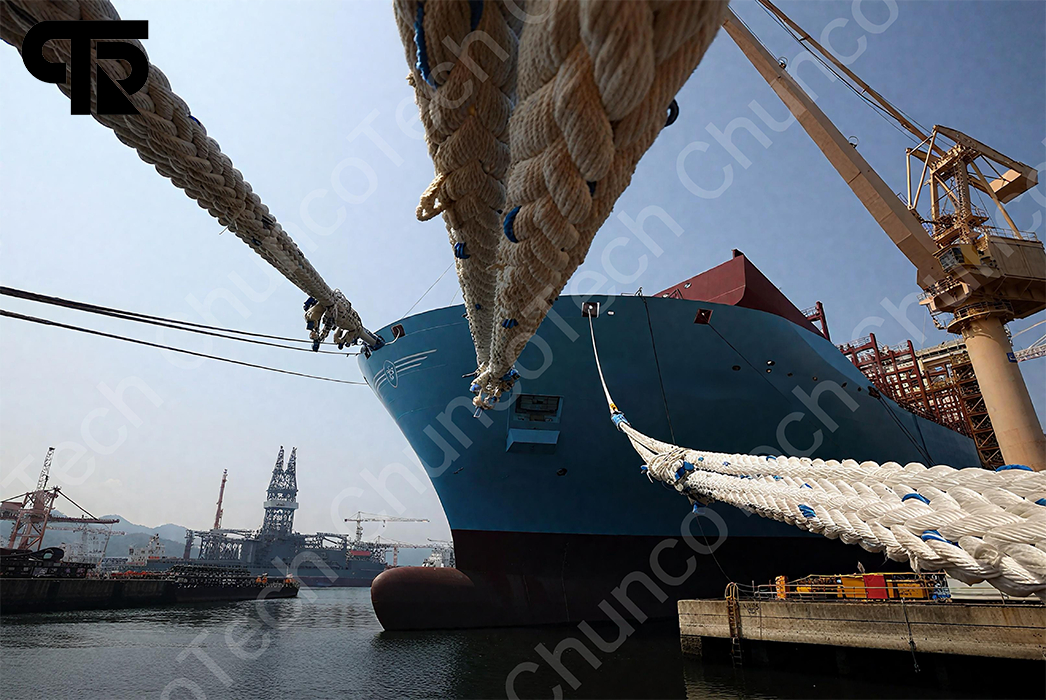
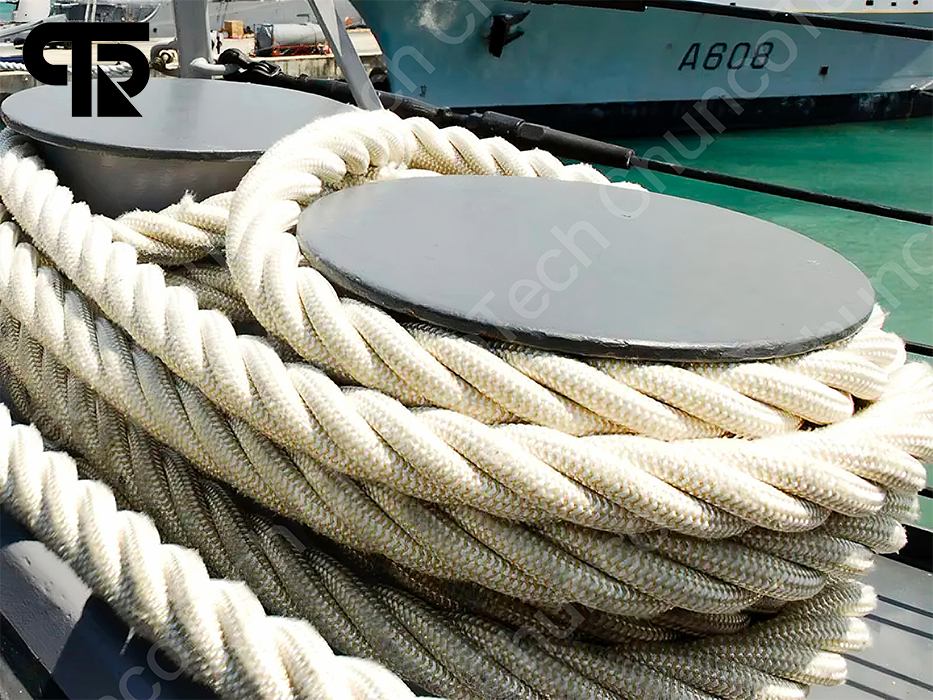
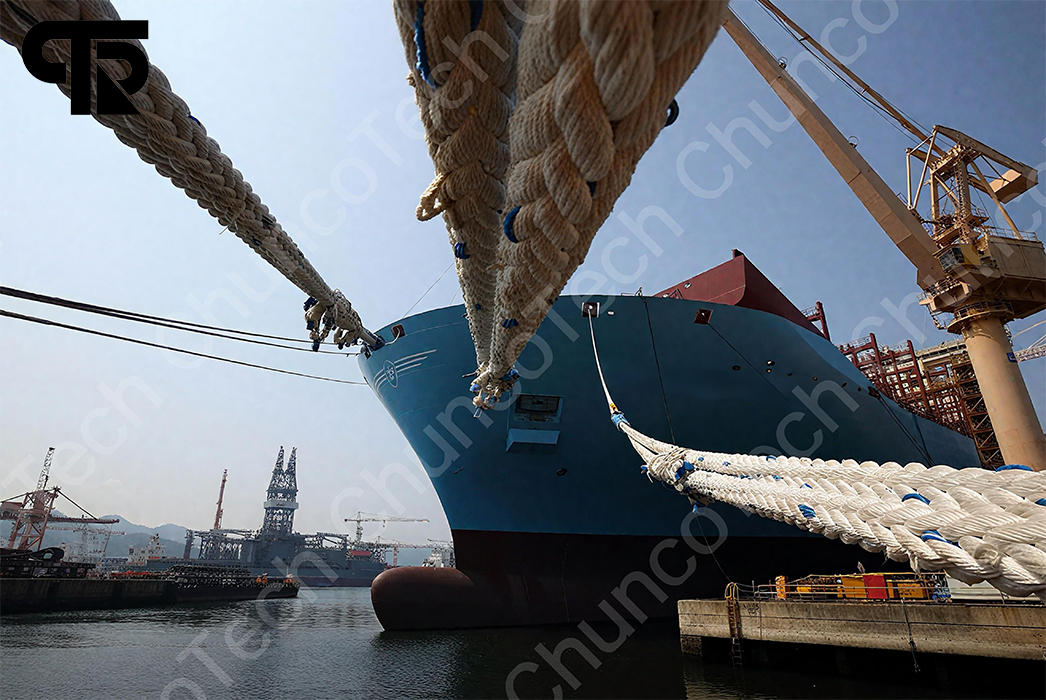
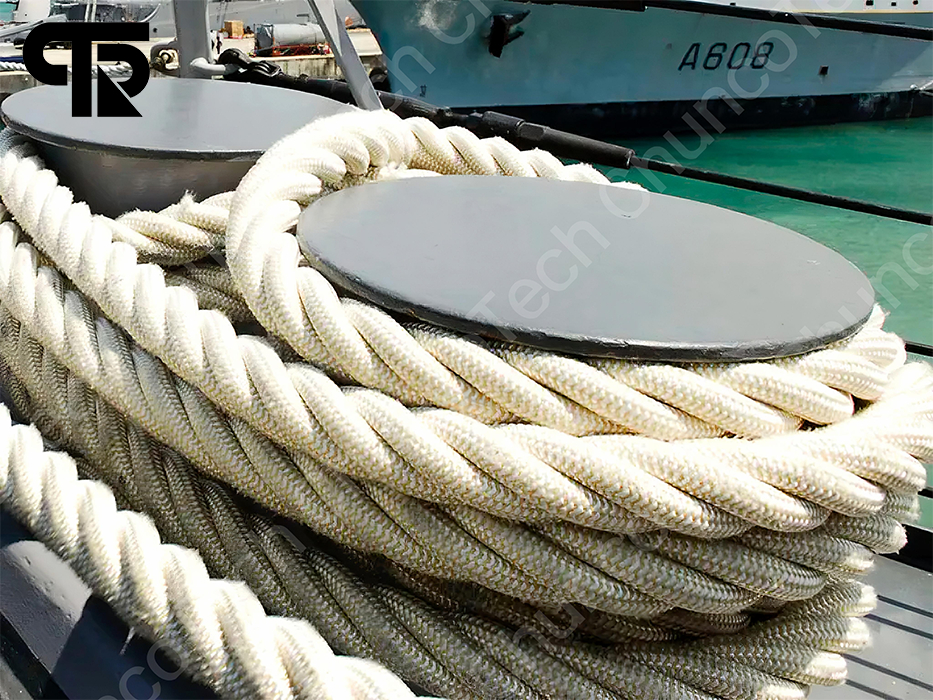
A mooring rope is a specialized line used to securely fasten vessels, yachts, or offshore facilities (such as buoys and aquaculture cages) to docks, buoys, or anchor points. A high-quality mooring rope effectively resists impacts from wind, waves, and currents, serving as a critical component for vessel safety. For users requiring compliance with stringent operational standards, such as Single Point Mooring (SPM), the authoritative industry document "OCIMF Guidelines on the Purchase and Testing of Mooring Lines (2nd Edition, 2025)" can be referenced to standardize the procurement process.
I. Product Features
Our mooring ropes are designed to meet diverse marine application needs through excellent engineering.
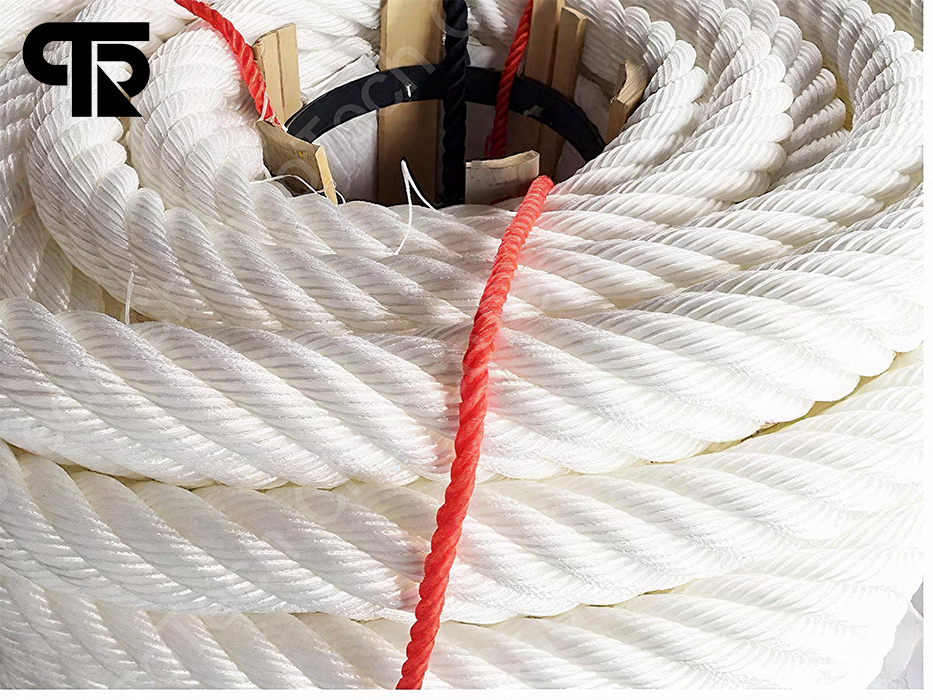
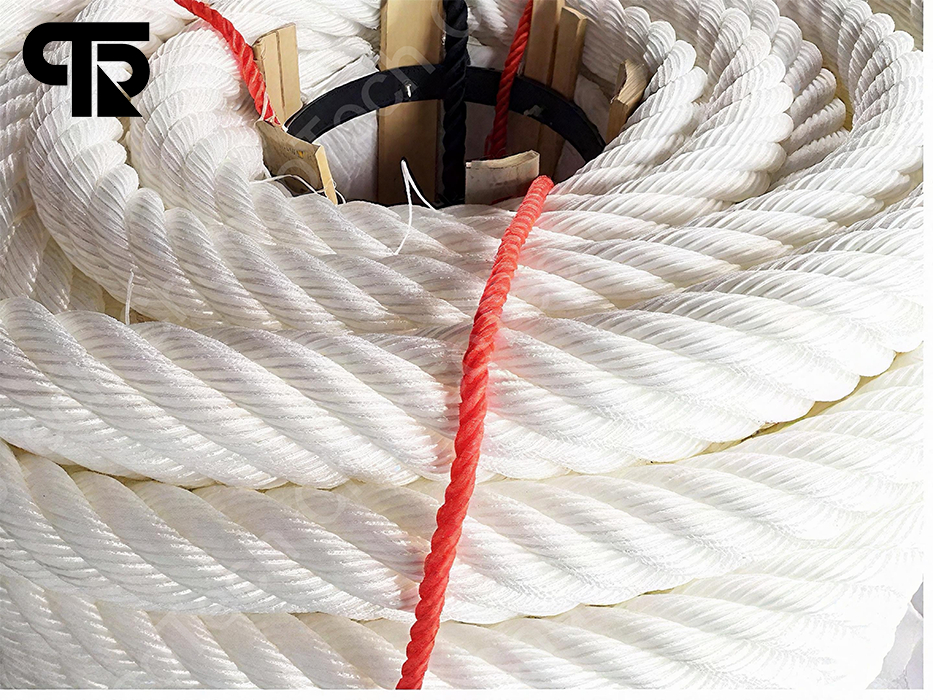
1.High-Strength & Durable Construction: Featuring Double Braided or High-Styrand (e.g., 8-strand/12-strand/16-strand) construction based on materials like Nylon, Polyester, or Ultra-High Molecular Weight Polyethylene (UHMWPE), providing higher Breaking Load and superior abrasion resistance.
2.Excellent Material Properties: Core materials offer high toughness, corrosion resistance, and UV protection. Some ropes made with Dual-Polymer Composite Fibers also feature waterproofing and buoyancy for easier handling.
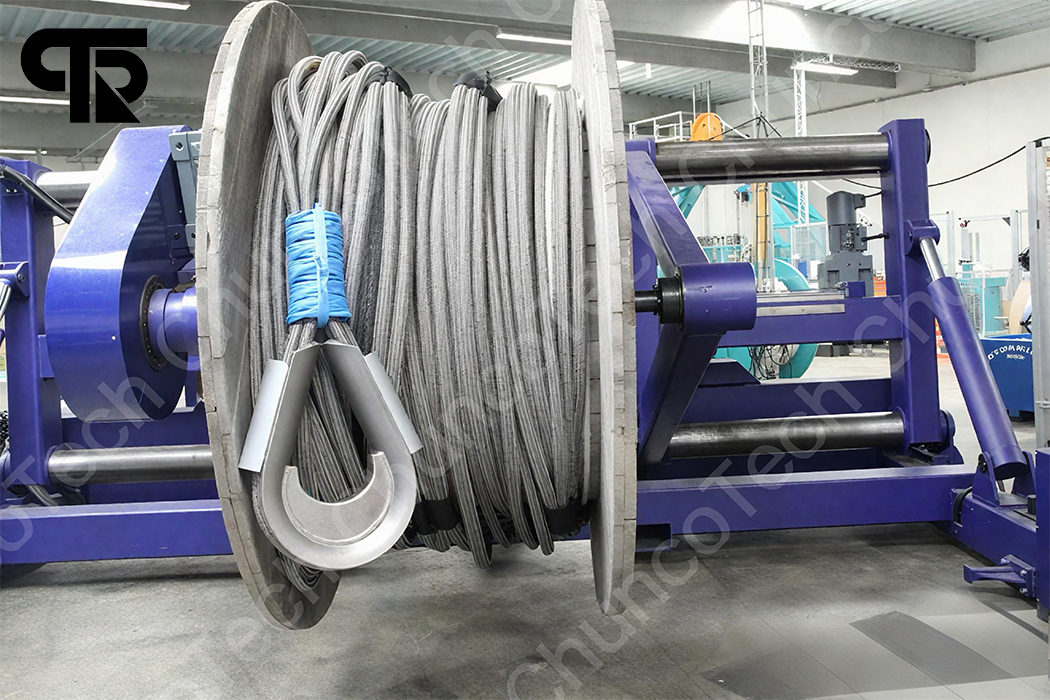
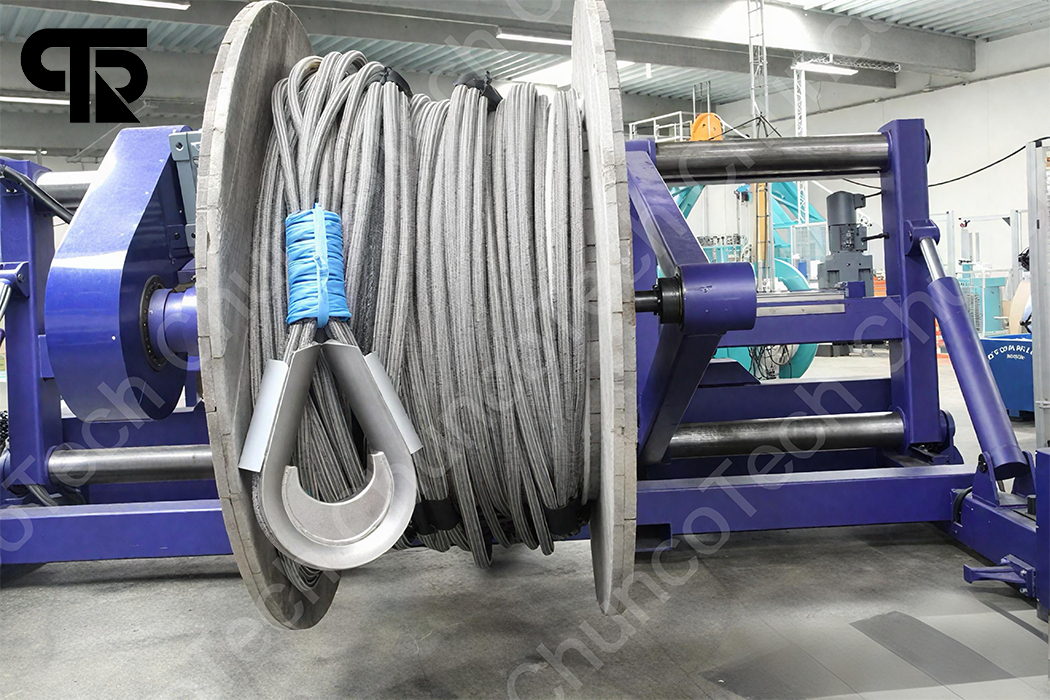
3.Wide Size Range & Customization: Diameters range from 4mm to over 90mm, with custom lengths available. Custom colors, LOGO printing, and assembly services for eyes, thimbles, and chafe protection are supported.
4.Professional & Compliant Design: Products are designed with reference to international standards (e.g., OCIMF guidelines). Some products come with prototype test reports ensuring compliance with high-standard operational requirements for wet breaking strength and cyclic load performance.
II. Product Advantages
Choosing our products provides you with the following reliable guarantees:
1.Enhanced Safety & Service Life: High-strength design and wear resistance significantly reduce the risk of vessel drift due to line failure, extend replacement cycles, and offer better long-term cost-effectiveness.
2.Superior Handling Experience: The buoyant, non-absorbent properties and good flexibility of some ropes make deployment and retrieval easier and less prone to tangling.
3.Flexible Procurement Options: Available from sample orders to bulk purchases with tiered pricing. As a manufacturer or large-scale trader, we ensure stable supply and rapid delivery.
4.Comprehensive Quality Assurance: Production includes quality control and inspection procedures. Some suppliers offer third-party certifications (e.g., Intertek) and clear refund & return policies for greater procurement confidence.
III. Application
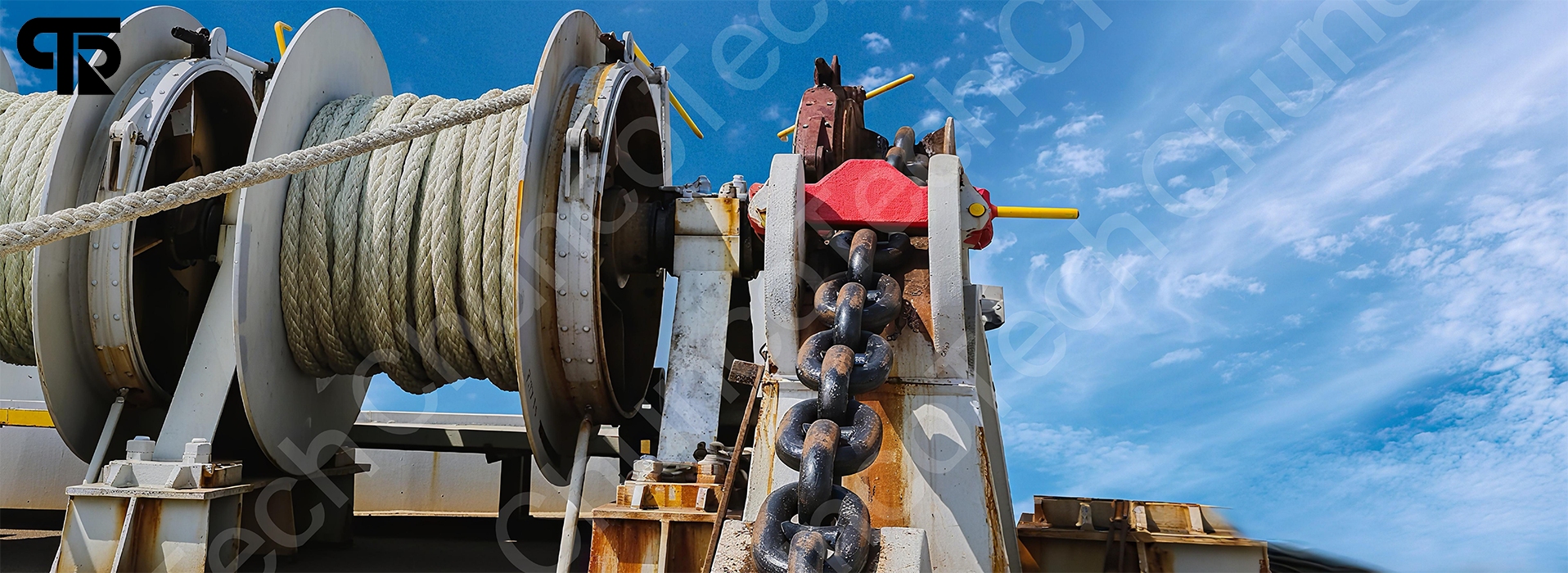
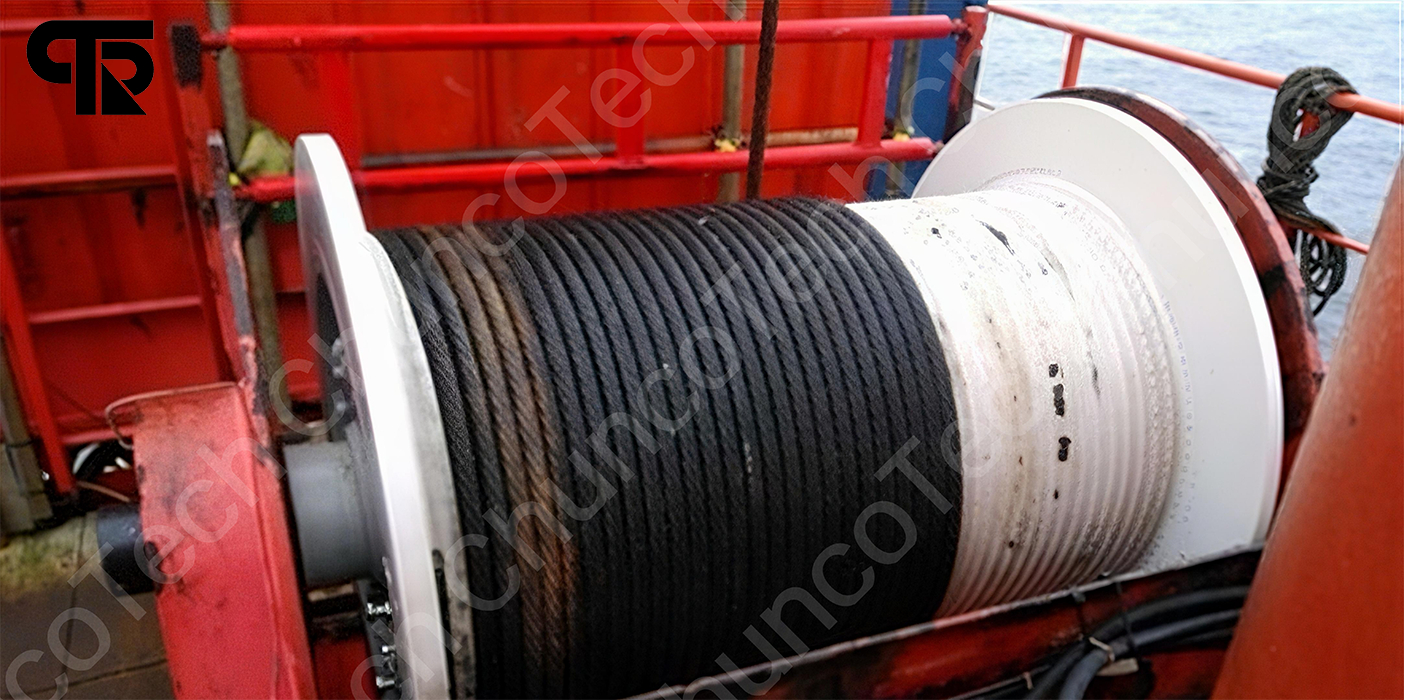
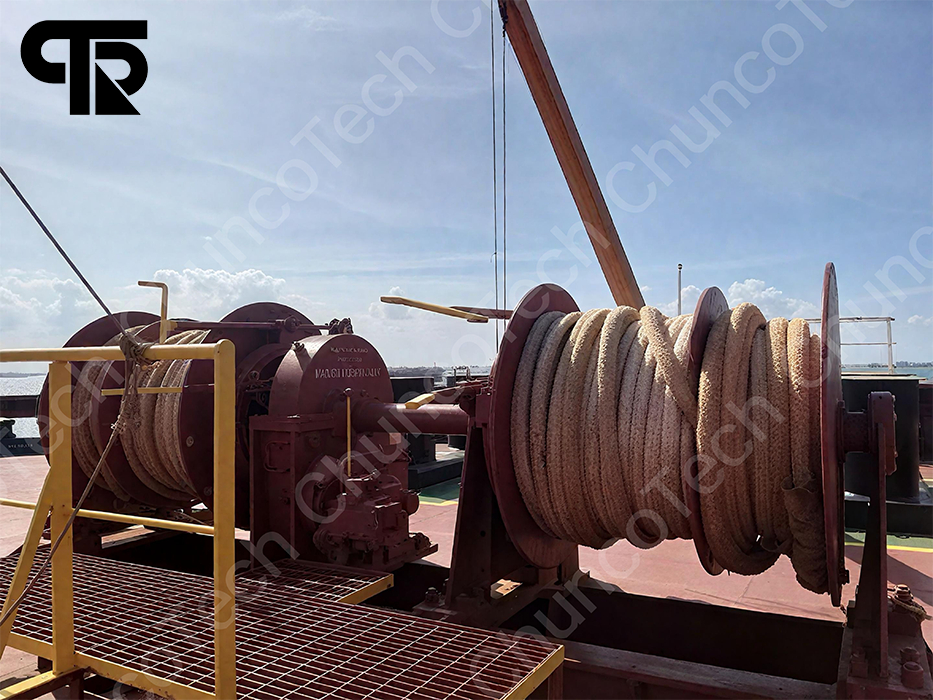
1.Vessel Mooring: Mooring various yachts, sailboats, fishing boats, and professional vessels at docks or buoys.
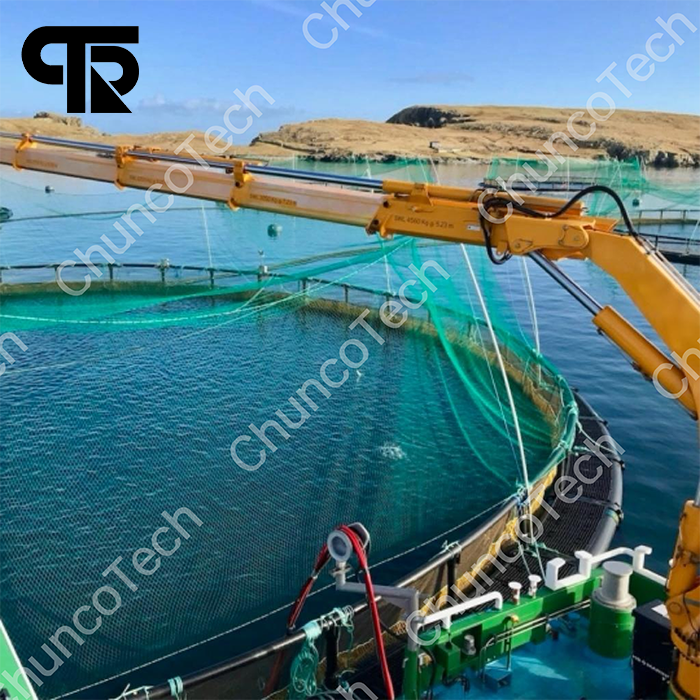
2.Offshore Facility Securing: Used to secure buoys, aquaculture cages, and temporary work platforms.
3.Towing & Assistance: Serving as auxiliary tow lines or hawsers.
4.Industrial & Special Operations: Mooring scenarios requiring specific industrial standards, such as Single Point Mooring (SPM).
IV. Information Required for Purchase
To ensure you receive a product perfectly matched to your needs, please prepare the following details:
1.Vessel/Facility Parameters: Overall length, tonnage of the vessel, or the size and weight of the facility to be secured.
2.Usage Environment: Primarily in freshwater or seawater, along with local typical hydro-meteorological conditions (e.g., maximum wind/wave).
3.Rope Specifics:
● Diameter (mm or inches)
● Length (meters or feet)
● Construction Type (e.g., Double Braid, 3-Strand Twist)
● Material Preference (e.g., Nylon, Polyester, UHMWPE)
4.Termination Requirements: Whether pre-fitted eyes, thimbles, or chafe protection is needed.
5.Certifications & Standards: Any specific industry standards (e.g., OCIMF guidelines) or certifications (e.g., CE) required.
6.Purchase Quantity: Sample needs, Minimum Order Quantity (MOQ), and estimated total procurement volume.
7.Other Custom Needs: Such as specific colors, packaging, or marking requirements.
V.FAQ
Here are answers to common questions when procuring mooring ropes:
Q1: How do I choose the right size (diameter and length) of mooring rope for my boat?
A1: A general rule is that the rope diameter should be proportional to the vessel's size and weight. A common reference is that small yachts (e.g., under 10 meters) might use ropes with a 14-20mm diameter, while larger vessels require thicker ropes. The length is typically 2-3 times the vessel's length. The most accurate method is to provide your vessel parameters for a supplier recommendation.
Q2: What are the main differences between Nylon, Polyester, and UHMWPE ropes?
A2: Each has its focus:
● Nylon: Good elasticity to absorb shock loads, moderately priced, a common choice for general-purpose mooring.
● Polyester: Lower elongation than nylon, high strength, generally superior UV and hydrolysis resistance, more dimensionally stable.
● UHMWPE (e.g., Dyneema): Offers an extremely high strength-to-weight ratio, very lightweight and abrasion-resistant, but also the most expensive, suitable for applications with extreme weight and strength requirements.
Q3: What is "Double Braided" construction? Is it better than standard twisted rope?
A3: "Double Braided" construction typically refers to rope consisting of a braided core inside a braided sheath. It is softer, easier to handle, less prone to kinking, and offers higher strength and better abrasion resistance than traditional 3-strand twisted rope, making it one of the mainstream choices for modern mooring applications.
Q4: How can I ensure quality consistency when purchasing mooring ropes in large quantities?
A4: For important procurements, you can:
● Reference Industry Guidelines: Require suppliers to adhere to authoritative procurement and production guidelines like those from OCIMF.
● Review Test Reports: Request prototype test reports, especially data for wet breaking strength and cyclic load testing.
● Define Quality Standards: Agree on quality control procedures, inspection points, and acceptance criteria in the contract.
● Order Samples: Place a sample order first for field testing.
Q5: Can I customize the rope with special colors or my company LOGO?
A5: Yes. Many manufacturers offer customization, including rope color and printing of company LOGOs or identifiers. This usually requires meeting a certain Minimum Order Quantity (MOQ), details to be confirmed with the supplier.
Q6: Besides the rope itself, what other accessories might I need to purchase?
A6: A complete mooring setup often also includes:
● Terminations: Such as eyes with metal thimbles to protect the loop.
● Chafe Protection: Chafe guards or sleeves installed where the rope contacts the vessel's side or dock.
● Connectors: Such as shackles for connecting the rope to onboard cleats or shore rings.
Certificate