
In our last discussion, we explored the critical issue of “How to Keep Your Gantry Crane from Going Off Track?”—a problem that can halt operations and create significant safety risks. Today, we’re addressing an equally pressing concern that frequently plagues gantry cranes in demanding environments like prefabricated beam yards: structural cracking at the leg-to-girder connection. If left unresolved, this issue can lead to catastrophic failure, costly downtime, and endless repair cycles.
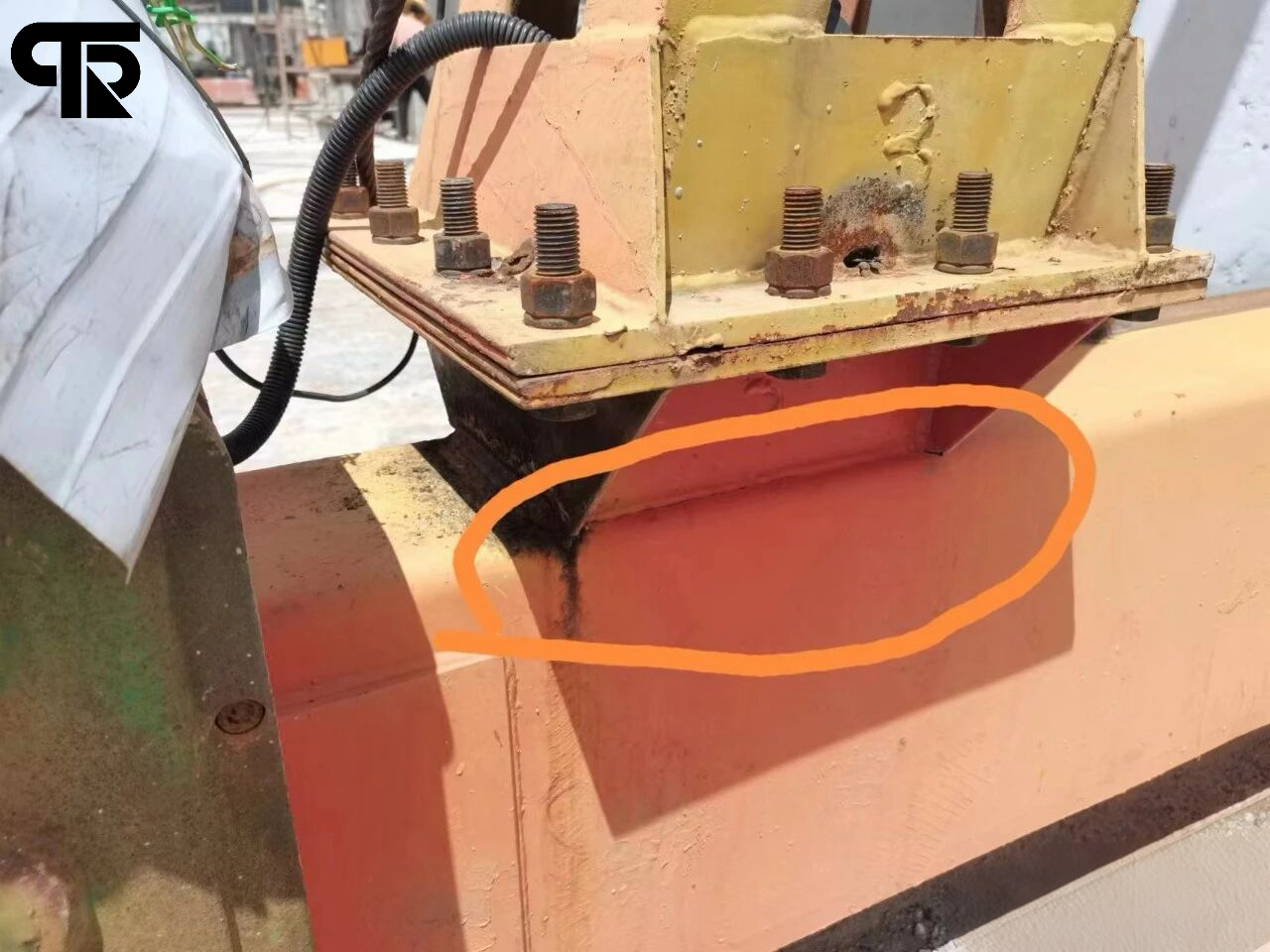
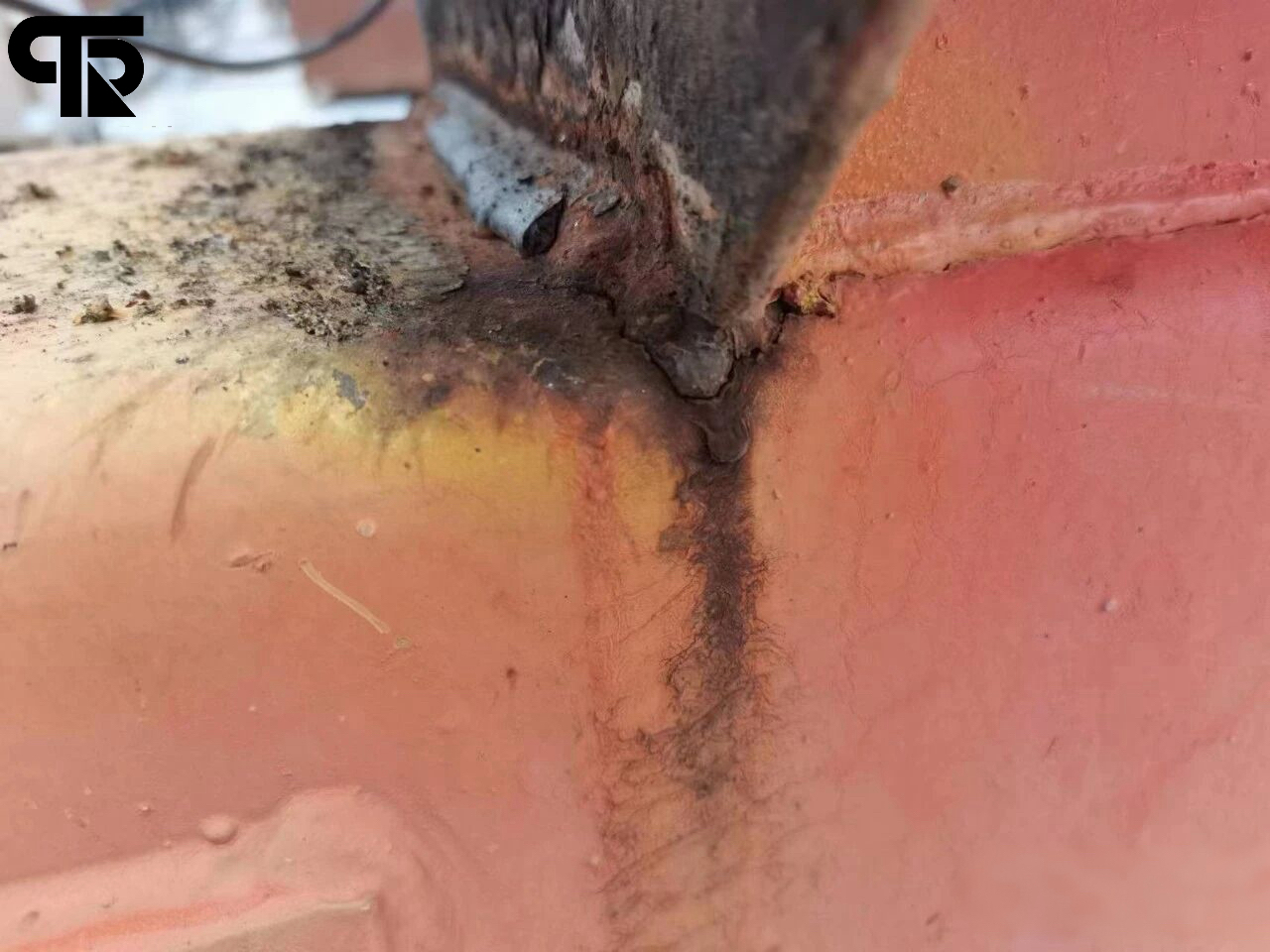
A recent case from a road and bridge construction site involved two 10-ton electric hoist gantry cranes with a 25-meter span. The problem was severe and recurring. On the crane with a cantilever, cracks appeared at the base of the legs on the cantilever side. On the non-cantilever crane, the cracks were located near the main drive wheel. In both cases, the cracks developed at the welded joint between the lower crossbeam and the leg base. Despite multiple repairs, the cracks kept reappearing—a clear sign that the root cause was not being addressed.
The Hidden Weakness in Traditional Structural Design
The root of the problem lies in the structural transition. The connection uses an inverted trapezoidal plate to bridge the gap between the leg’s bottom profile and the crossbeam’s top surface. Because the crossbeam often features a curved transition between its top plate and web—or is made from rectangular tubing—the geometry creates a sharp angle at the contact point between the trapezoidal plate and the crossbeam. This sharp angle becomes a stress concentration point under load.
Frequent disassembly and reassembly, common in road and bridge construction, only worsens the issue. Harsh site conditions accelerate metal fatigue. When repairs are limited to simple re-welding without addressing the stress concentration, the result is almost always a recurring structural crack.
Three Common Repair Approaches—And Their Limitations
Several field fixes are often attempted. While they may offer temporary relief, each has its own drawbacks:
External Stiffening Plates
This method uses additional plates to create a smoother path for load transfer. It is often the most cost-effective and straightforward approach, but without careful design, it may only shift the stress point.
Adding External Baffles
This involves installing baffles to reduce deformation at the original weld and share some of the load. While it improves local stiffness, it adds complexity and may not fully resolve the stress concentration.
Local Reinforcement with Backing Plates
Reinforcing the crossbeam’s top surface can increase local load capacity. However, this often transfers the stress concentration to the interface between the trapezoidal plate and the backing plate, creating a new weak spot.
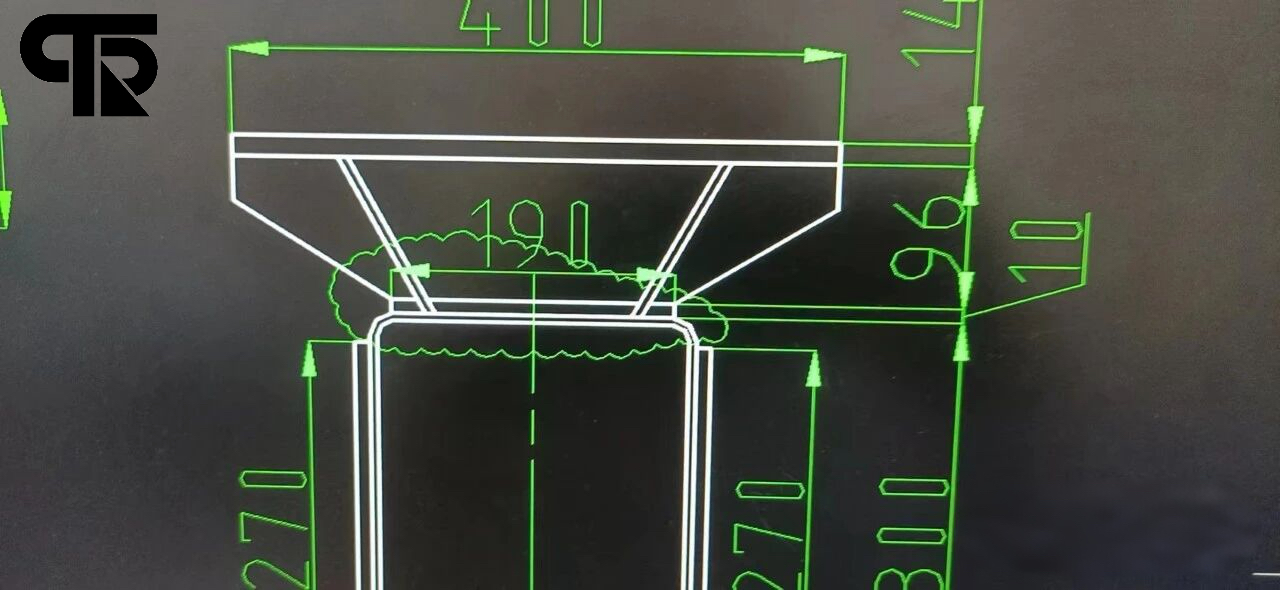
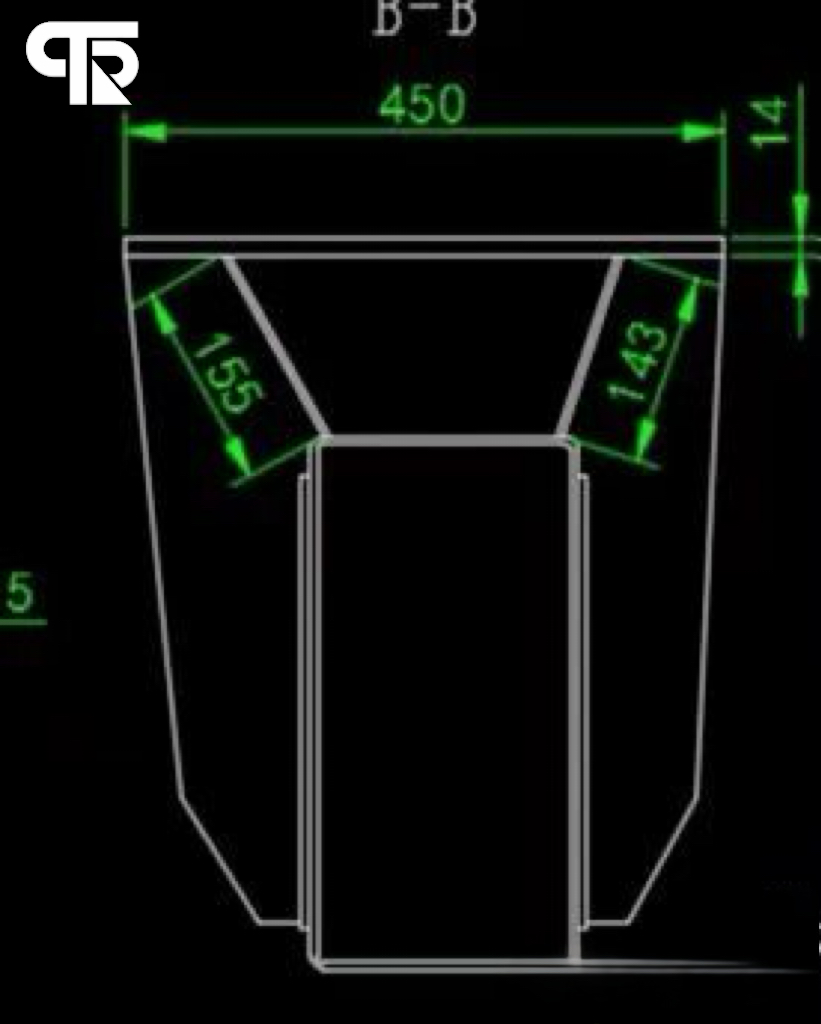
A more robust solution combines the first two methods: adding external stiffeners and reinforcing them with a wrap-around collar to distribute stress more evenly.
Why Choose Wuxi ChuncoTech for Reliable Crane Structural Integrity?
At Wuxi ChuncoTech, we understand that gantry crane structural repair is not just about welding—it’s about engineering a permanent solution. While we specialize in the sales and manufacturing of proven crane components, we work closely with clients to ensure that the products we supply are installed in ways that maximize structural integrity and minimize future failures.
Our expertise lies in providing high-quality, pre-engineered components designed to eliminate common failure points. Whether you’re dealing with crane leg base cracking, crossbeam weld fatigue, or recurring structural cracks in gantry cranes, we offer robust products that address the root causes, not just the symptoms.
Prevent Recurring Cracks with the Right Approach
To break the cycle of repeated welding and cracking, a more comprehensive solution is required. The goal is to smooth the load transfer path and reduce localized stress. One effective method is to combine external stiffeners with a reinforced collar—an approach that distributes forces more evenly and protects the original weld zone from excessive deformation.
This type of solution is particularly valuable for gantry cranes used in bridge construction, where frequent relocation and heavy cyclic loads demand superior durability. For electric hoist gantry crane applications, ensuring a strong, fatigue-resistant connection is essential to maintaining operational safety and minimizing maintenance costs.
Long-Term Reliability Starts with Smart Engineering
When it comes to overhead crane structural integrity, quick fixes are rarely enough. The key to avoiding repeated failures is to address the underlying design and stress distribution. By choosing well-engineered components and proven reinforcement techniques, you can significantly extend the service life of your equipment.
At Wuxi ChuncoTech, we are committed to helping you achieve that goal. Our products are designed to integrate seamlessly into existing systems, providing the strength and reliability needed for demanding environments. Whether you are upgrading your current setup or replacing worn components, we offer solutions that deliver long-term peace of mind.
For more information on how we can help you address crane leg cracking issues and improve the structural reliability of gantry cranes, visit our website or contact our team today.