
In our previous discussion, "Is Your Container Gantry Crane Remote Operation Fully Compliant with the Latest Safety Standards?" , we explored the critical role of control systems in ensuring safe crane operations. Today, we address an equally pressing concern that haunts every project manager and site supervisor: the invisible danger looming overhead. When your rubber tyred gantry crane or rail mounted gantry crane shares the jobsite with overhead power lines, the margin for error shrinks to nearly zero. The question isn't whether your operators are skilled—it's whether your equipment maintains adequate clearance distances that could mean the difference between a productive workday and a catastrophic incident.
Understanding the High-Voltage Hazard in Crane Operations
The relationship between gantry crane operations and high-voltage power lines is governed by strict electrical safety regulations that many construction managers discover only after a near-miss incident. When we discuss overhead crane safety, the conversation must begin with understanding exactly how close is too close. For 10kV power lines, which are common in industrial settings, the minimum safety distance requirements are surprisingly specific yet often misunderstood.
Wuxi Chunco Tech recognizes that gantry crane installation projects increasingly occur in congested urban environments where power lines cannot simply be relocated. Our industrial crane solutions incorporate these realities into every design consideration. According to GB/T 3811-2008 crane design standards, any part of your equipment must maintain a vertical clearance of at least 3 meters from 1-35kV lines, with horizontal clearance requirements varying by voltage . These aren't arbitrary numbers—they represent the difference between safe operation and arc flash incidents that can occur without physical contact.
The Real Cost of Non-Compliance with Power Line Safety Standards
Every year, crane power line contact incidents result in fatalities, equipment destruction, and project delays that dwarf the cost of preventive measures . The construction crane safety community has documented that approximately 44% of construction fatalities involving cranes result from electrocution . When a crane boom approaches an energized line, the consequences extend beyond immediate physical danger to include regulatory penalties, insurance rate hikes, and reputational damage that follows companies for years.
Wuxi ChuncoTech manufactures gantry cranes for sale with these risks firmly in mind. Our equipment designs emphasize safe crane operation through enhanced visibility features and structural configurations that help operators maintain awareness of their surroundings. We've studied why crane power line accidents continue occurring despite clear OSHA crane safety guidelines—it often comes down to the human eye's inability to accurately judge distances against featureless sky backgrounds . This is why relying solely on operator vigilance creates unacceptable risk.
Decoding the Clearance Distance Requirements
The power line clearance requirements vary significantly based on voltage levels, and understanding this crane voltage safety matrix is essential for compliance. For low voltage lines under 1kV, GB6067 crane safety standards require a minimum of 1.5 meters vertical distance . However, as voltage increases to 35kV power lines, the minimum approach distance expands to 3 meters vertically and 2 meters horizontally. 110kV lines demand 5 meters vertical clearance, while 220kV transmission lines require 6 meters in both directions .
These crane power line approach distances aren't merely suggestions—they're codified in multiple standards including GB/T 50293 power line safety regulations and DL/T 5220 overhead line specifications. The electrocution prevention community has developed these figures through decades of incident analysis and electrical engineering research. When your gantry crane travel path brings you near transmission line safety zones, Wuxi ChuncoTech recommends implementing proximity warning systems that provide operators with real-time distance feedback.
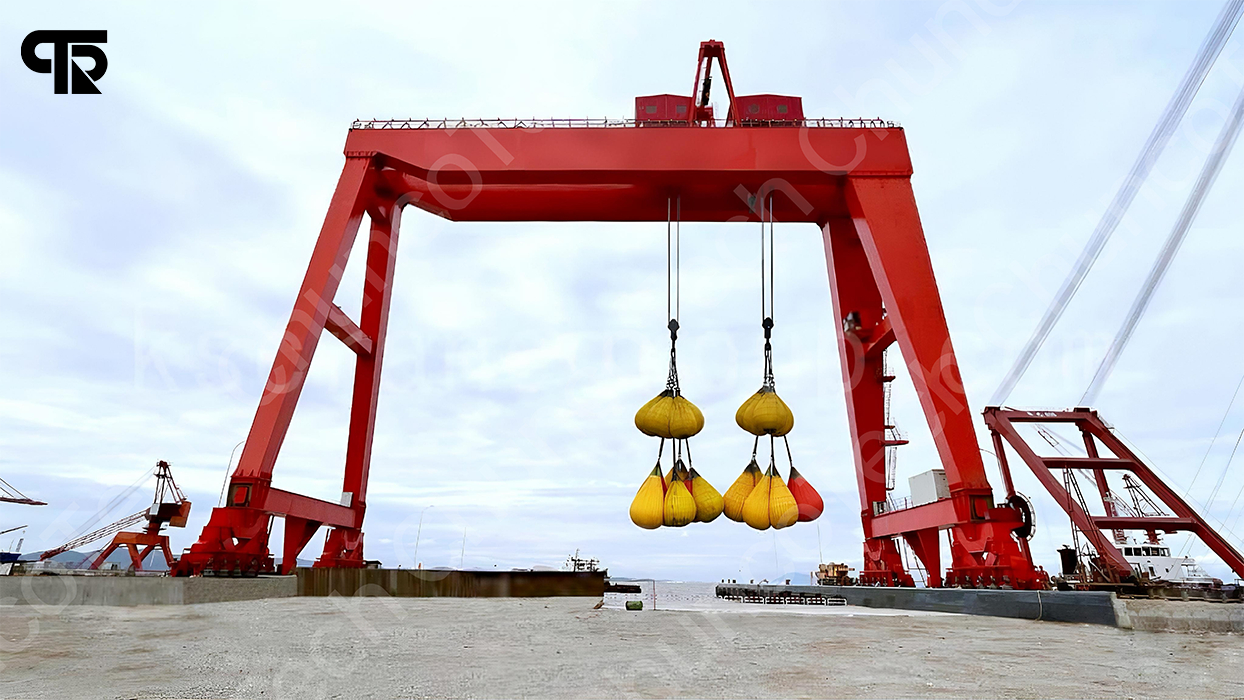
Practical Measures for Safe Crane Operation Near Power Lines
Beyond understanding crane power line safety distances, implementing effective hazard mitigation requires systematic approaches. The heavy equipment safety protocols should include pre-operation planning meetings where power line location is reviewed with all crew members . Non-conductive tag lines must replace traditional ropes, and dedicated spotters should maintain continuous communication with operators when working within 20 feet of lines up to 350kV .
Wuxi ChuncoTech offers custom gantry cranes designed for challenging environments where power line proximity cannot be avoided. Our engineering team configures crane electrical insulation systems and grounding procedures that add layers of protection beyond regulatory minimums. We understand that construction site safety isn't achieved through compliance alone—it requires equipment designed from the ground up with crane operator safety as the primary objective.
Why Equipment Selection Matters for High-Voltage Environments
When procuring industrial lifting equipment for sites with power line hazards, the choice of manufacturer directly impacts your safety posture. Wuxi ChuncoTech specializes in gantry crane manufacturing that incorporates lessons learned from decades of industry experience. Our crane engineering focuses on overhead line safety through features like insulating links that protect workers even if contact occurs . These devices, when properly designed, prevent lethal currents from reaching ground personnel even in wet or contaminated conditions .
The power line accident prevention market has seen too many products that claim safety benefits but fail under real-world conditions. Wuxi ChuncoTech products undergo rigorous testing to ensure they perform when it matters most. Our crane maintenance services include regular inspections of electrical safety components, ensuring that grounding systems remain effective throughout the equipment lifecycle.
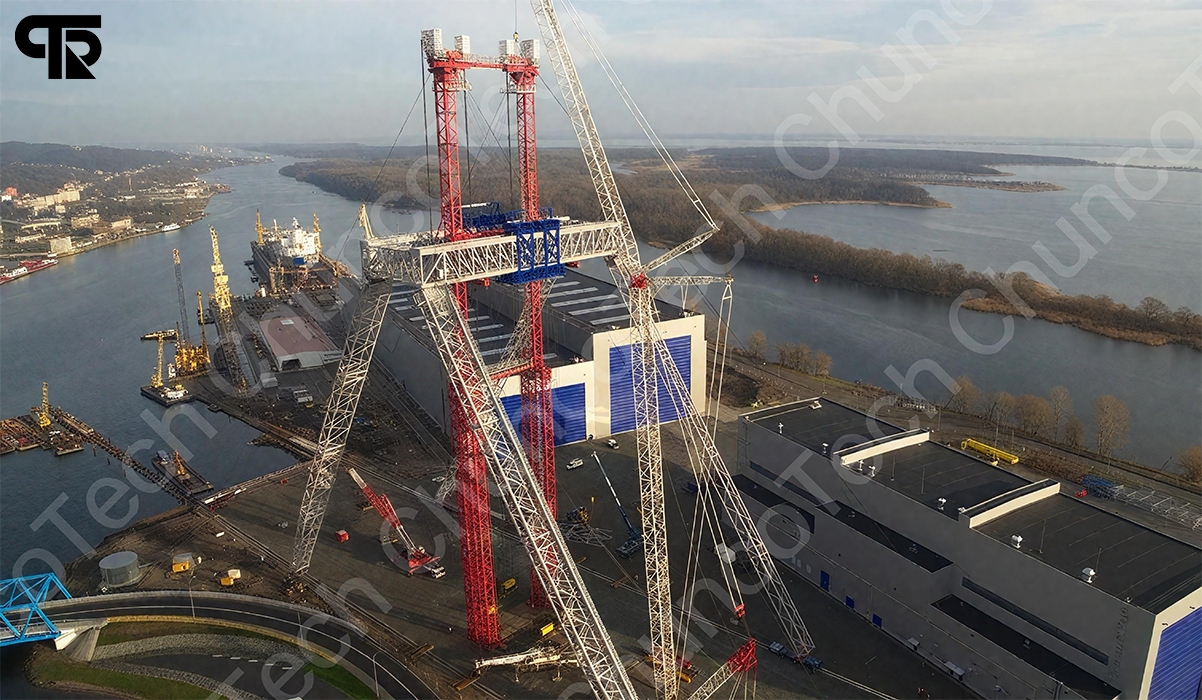
Training and Operational Protocols for Maximum Safety
Even the best equipment requires properly trained operators. Crane operator training programs must emphasize power line safety as a core competency, not an afterthought. Workers must understand that power lines should always be presumed energized unless confirmed otherwise by utility providers . Emergency procedures for power line contact must be drilled regularly, teaching operators to remain in the cab (which acts as a Faraday cage) until lines are de-energized .
Wuxi ChuncoTech supports clients with comprehensive documentation and training resources that reinforce safe crane operation practices. Our gantry crane applications guidance helps customers develop site-specific protocols that address unique power line proximity challenges. We believe that manufacturer support extends beyond equipment delivery to include ongoing partnership in maintaining safe workplaces.
The Bottom Line on Gantry Crane High-Voltage Safety
The question isn't whether your current operations comply with minimum standards—it's whether you're doing everything possible to protect your people and your business. Wuxi ChuncoTech invites you to review your crane power line safety protocols and equipment specifications. Our team can help you assess whether your current gantry crane distance from overhead lines meets not just regulatory requirements but genuine safety best practices.
Visit https://www.chuncotech.com/ to explore our complete line of gantry cranes designed for challenging environments. From small gantry cranes for light industrial use to large container gantry cranes for port applications, every Wuxi ChuncoTech product reflects our commitment to crane safety innovation. Don't leave your most valuable assets—your people—exposed to preventable risks. Contact us today to discuss how our industrial crane solutions can enhance your overhead power line safety posture.