
In our last discussion, we explored the complexities of crane rail tread spalling and whether it can be attributed solely to hardness deficiencies. That technical deep dive highlighted how critical precise manufacturing and material selection are to the longevity of heavy lifting equipment. Today, we turn our focus to a significant regulatory shift that will redefine operational benchmarks across the industry: the newly released GB/T 27997-2026 Shipbuilding Gantry Crane standard.
Set to take effect on August 1, 2026, this update to the 2011 version is more than just a routine revision—it represents a fundamental transformation in how these massive machines are designed, monitored, and operated. For professionals in the shipbuilding sector, understanding these changes is crucial to maintaining compliance, optimizing workflow, and ensuring the safety of high-stakes lifting operations.
A Leap in Intelligence and Safety Standards
One of the most prominent changes is the formal introduction of an intelligent system framework within the standard. While the 2011 version had basic provisions for industrial monitoring systems, the 2026 edition mandates a comprehensive safety monitoring and management system (section 5.7) and adds a dedicated section for intelligent systems (5.8). This includes requirements for precise positioning, collision avoidance path planning, and robust communication protocols. For crane operators and plant managers, this means a shift toward data-driven operations where system-integrated error detection and real-time alerts become the norm, significantly reducing the margin for human error.
Enhanced Precision and Structural Integrity
The new standard imposes stricter tolerances to meet the demands of modern shipbuilding. The measurement benchmark for crane span deviation has been refined, moving from a measurement at the main lower flange to a more precise alignment with the theoretical track centerline of the rigid and flexible legs (5.4.1.2). Furthermore, new testing requirements have been added, such as box girder section diagonal dimension deviation checks (6.3.4) and main drainage tests (6.3.5), which directly address the structural longevity issues often overlooked in older designs.
For businesses operating in humid coastal environments like Wuxi, these structural enhancements are vital. At Wuxi ChuncoTech, we understand that a crane’s durability is only as strong as its structural soundness. Our focus is on supplying products that not only meet these stringent new geometric tolerances but exceed them, ensuring that your equipment remains reliable and safe under the rigorous demands of a shipyard.
Prioritizing Operator Safety and Comfort
The 2026 standard also makes significant strides in operator welfare. The required distance from the sling or wire rope to the exterior of the cab has been increased from 0.4 meters to a much safer 1 meter (5.10.4). In a parallel move, the maximum permissible noise level at the operator's seat has been drastically reduced from 85 dB(A) to 70 dB(A) (5.10.12). This focus on ergonomics and safety underscores a broader industry shift toward creating a more sustainable and less hazardous work environment.
New Operational and Testing Protocols
The standard expands the scope of operational requirements and testing. For instance, the anti-wind and anti-skid device now requires specific operational testing across the full operating range (6.8). Additionally, new tests for load difference between two hooks (6.12.3.5) and single and operation of trolleys (6.12.3.8) ensure that complex, multi-trolley lifting tasks are executed with a higher degree of control and safety.
How Wuxi ChuncoTech Supports Your Transition to GB/T 27997-2026
Navigating the transition to a new national standard can be daunting, especially when it involves complex system integrations and structural modifications. As a specialized supplier of shipbuilding gantry crane components, Wuxi ChuncoTech is uniquely positioned to help you bridge the gap between the old and the new.
•High-Precision Positioning Systems: For the newly required positioning and anti-collision features, we supply high-reliability sensors and intelligent system components. Our products are selected for their robust performance in harsh shipyard conditions, ensuring your crane’s smart features are backed by dependable hardware.
•Structural Components for Enhanced Tolerances: Meeting the new, stricter geometric tolerances requires quality structural components. We offer pre-fabricated main sections and end carriages manufactured to precision, helping you achieve the required span deviations and box girder diagonals without costly on-site rework.
•Durable and Compliant Cab Components: Our range includes high-quality cab components designed to meet the new safety distance and noise reduction standards. From robust window frames to advanced sound-dampening materials, we provide the building blocks for a compliant and operator-friendly workstation.
•Complete Testing and Integration Support: We don’t just sell parts; we provide the technical expertise to help integrate them. Whether it’s braking system checks, wheel runout measurements, or circuit insulation resistance tests as required by sections 6.5.1 and 6.11, our team can guide you through the new testing protocols to ensure a seamless certification process.
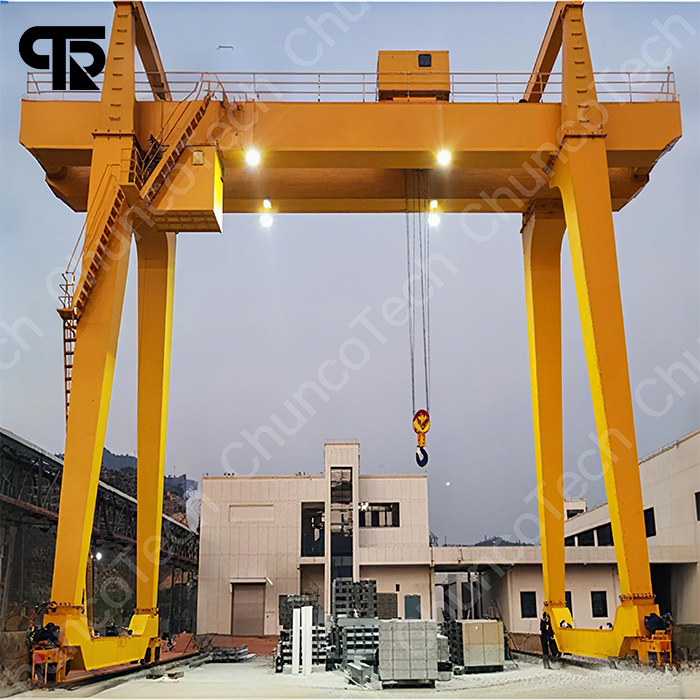
The changes in GB/T 27997-2026 are designed to elevate the safety, efficiency, and intelligence of shipbuilding gantry cranes. By partnering with Wuxi ChuncoTech, you gain a reliable ally who provides the high-quality crane components and technical insight needed to not only meet these new standards but to use them as a springboard for superior operational performance.
Explore our range of compliant components and expert services at https://www.chuncotech.com/ and ensure your shipyard is ready for the August 1, 2026, deadline.