
In the previous article, we discussed “How to Achieve Smooth and Efficient Offshore Operations? Marine Cranes are the Key”(https://www.chuncotech.com/show-18-1016.html), highlighting the importance of marine cranes for seamless and efficient offshore operations. However, the high performance of this equipment is inseparable from standardized safety management and regular inspections. Many crew members may find themselves less clear on the statutory inspection scope, specific items, and preparation work for shipboard lifting equipment checks in their daily work. This directly impacts operational safety and the smooth passage of Port State Control inspections.
Shipboard lifting equipment refers not only to visible cranes or deck cranes but encompasses a wide range. According to regulations, it includes derrick systems, cranes, cargo/vehicle lifts, passenger lifts, and even vehicle ramps. The safety and compliance of all these devices are crucial aspects of ensuring the overall operational safety of the vessel. Faced with frequent operations and stringent inspections, have you ever been troubled by whether equipment certificates are complete and inspections are timely and valid? Have you worried about operational disruptions or inspection deficiencies due to potential issues like component wear or hydraulic leaks?
Core Certificates and Statutory Inspection Requirements
Lifting equipment on Chinese-flagged vessels must apply for statutory inspections. Internationally trading ships need to carry a series of certificates including the Certificate of Test and Examination of Lifting Appliances and the Register of Lifting Appliances and Cargo Handling Gear, while non-internationally trading vessels require the Certificate/Record Book for Lifting Appliances. Initial inspection, annual inspection, and quadrennial renewal inspection are statutory requirements. It is particularly important to note that after a major accident, discovery of a major defect, or repairs affecting the strength of the equipment, an inspection must be applied for promptly. This is vital for ensuring safe offshore lifting operations. All loose gear (such as hooks, shackles, blocks) must have clear die-stamped markings indicating the Safe Working Load (SWL), test date, and other information. Unmarked or incompletely marked components are strictly prohibited from use. Daily inspection of wire ropes must not be neglected, with increased frequency required if broken wires are found. These details are often focal points during inspections.
Daily Use, Maintenance, and Common Risk Points
The daily condition of the equipment directly determines its reliability. Before operation, attention must be paid to the vessel's list/trim and wind speed conditions, as exceeding standards significantly increases risk. During use, it is essential to ensure the hydraulic system is leak-free, wire ropes are in good condition, and braking and limit devices are functional. After operations, equipment should be properly stowed and secured. However, practical challenges include: difficulty in thoroughly monitoring corrosion and cracks in metal structures and fixed components; excessive wear and internal wire breaks in ropes that are hard to detect; slow hydraulic line seepage that can suddenly worsen; and excessive wear of brake linings and drive gears affecting performance. If these issues are not identified and addressed promptly, they can lead not only to equipment failure and operational disruption but also to deficiencies recorded during inspections, impacting the ship's schedule.
Key Preparation Points and Systematic Solutions
When preparing for an inspection, the first step is to ensure all certificates are valid and records are complete. Next, a systematic check of the equipment's physical condition is required: verify that load indicators and limit switches function normally; carefully inspect structures for significant deformation or cracks, measuring whether corrosion on critical components exceeds the permissible limit of 10% of the original dimension; confirm that broken wires in wire ropes do not exceed 5% within a length of 10 rope diameters; check if brake linings are worn down to exposed rivets or if gears have damaging cracks. The cleanliness and sealing of the hydraulic system are also mandatory check items.
Facing these tedious and professional inspection requirements, having a set of high-quality, highly reliable lifting equipment and components that fully comply with regulatory standards is the cornerstone for eliminating hidden dangers and preparing for inspections with confidence. This is precisely the field Wuxi ChuncoTech focuses on.
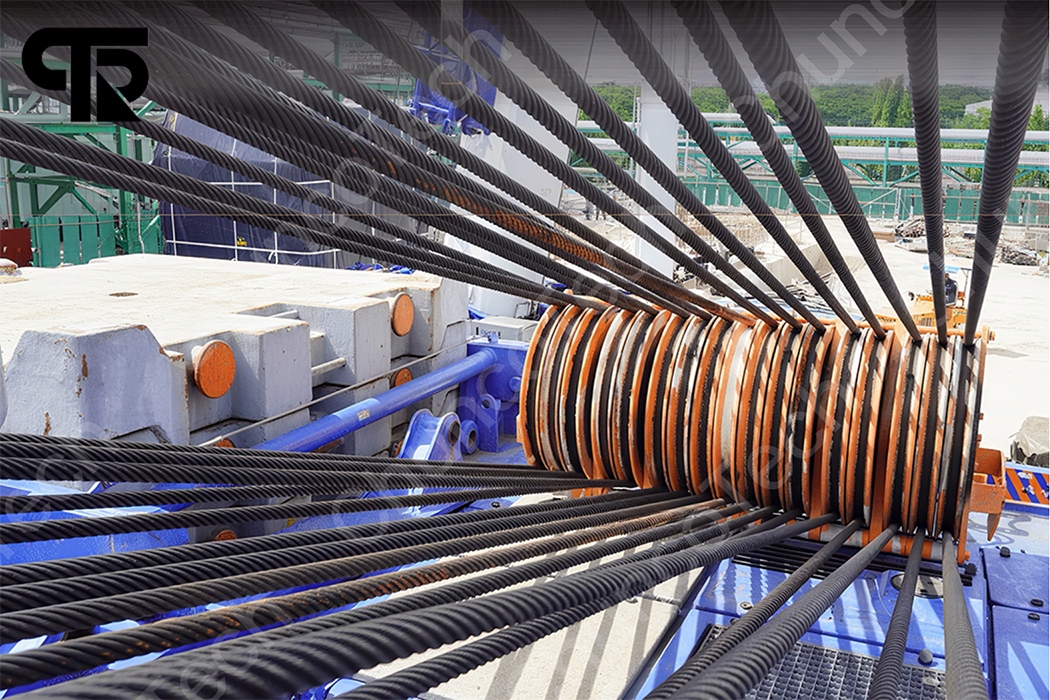
As a professional supplier of marine and offshore equipment, Wuxi ChuncoTech deeply understands the challenges our customers face in ensuring the continuous compliance and safe operation of lifting equipment. The mature marine lifting equipment and key components we provide are all designed and manufactured in strict accordance with relevant statutory inspection technical rules, ensuring they meet requirements for safe working load verification and die stamp marking regulations from the source. Our products, with their excellent durability and stability, help customers effectively address common problems such as metal structure corrosion, hydraulic system leakage, and abnormal component wear, significantly reducing the risk of unplanned downtime and inspection deficiencies caused by equipment failure.
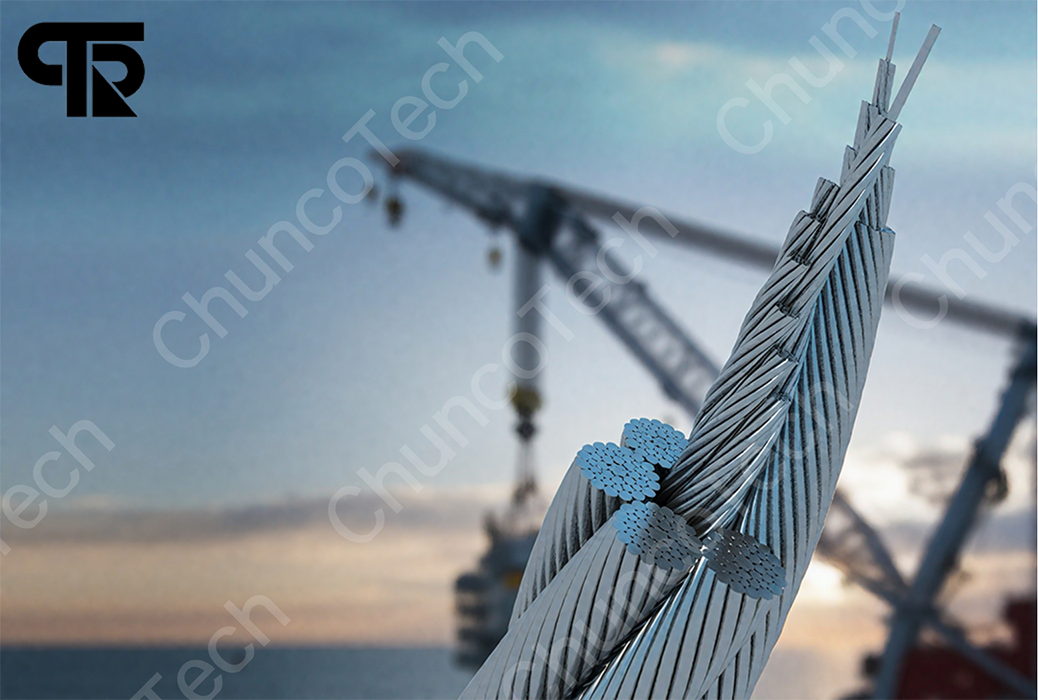
By choosing products from Wuxi ChuncoTech, you gain not just the equipment itself, but a comprehensive capability to address all key inspection points for shipboard lifting equipment safety checks. Our equipment helps you easily meet the various hardware requirements of annual and renewal inspections for lifting equipment, enhancing overall shipboard lifting equipment maintenance management standards. This empowers you to face any Port State Control or statutory inspection with full confidence, ensuring absolute safety and efficient, smooth offshore operations.
To learn more about how we can help you achieve worry-free management and compliant operation of your lifting equipment, please visit the Wuxi ChuncoTech official website: https://www.chuncotech.com/. Let us safeguard your ves